×

Ecuador🇪🇨 | festivalsDía de los DifuntosColada morada, bread dolls, graveside meals, Kichwa rites | things to do and best time to go

Explore Carnaval de GuarandaExplore Diablada Pillareña

Backpacking in Día de los Difuntos
👍 Recommendedfestival ranked #8
By Johan Kruseman 🇳🇱 | Updated October 19, 2026

Years ago, Día de los Difuntos in Ecuador meant families quietly hauling food to cemeteries, and a visitor could wander in unnoticed. Today travelers join in, though the rites stay family business. The heart of it sits in the Andean highlands, around Quito and Cuenca, on November 2. Expect Kichwa and Catholic traditions, colada morada, guaguas de pan, and cemeteries packed with picnicking families. Book beds early, because prices jump and rooms vanish. Carry small bills, since vendors rarely break big ones. Skip photographing mourners without asking. A woman selling bread babies at a cemetery gate once handed me a warm one and said, “Eat it first, then ask me anything.” Start your first day at a market bakery, then follow the flower sellers to the cemetery.

Discover everything you want to know in the 📖 Ecuador Travel Guide.


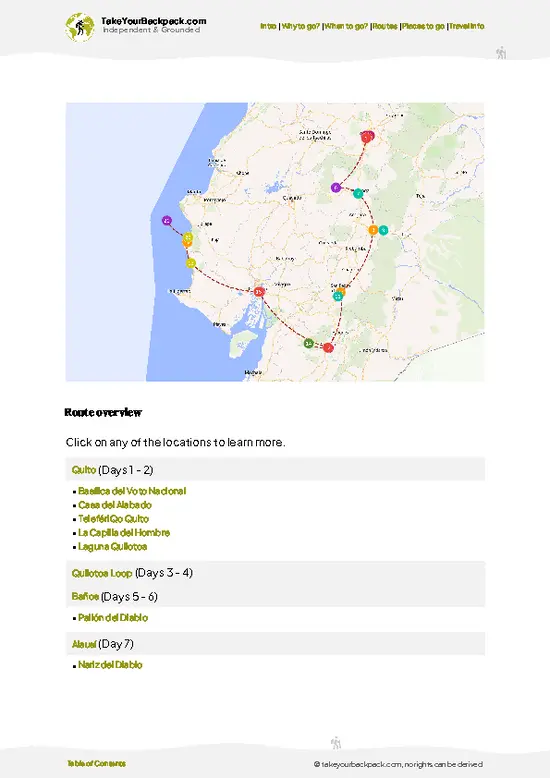
example page 0 from our offline Travel Guide for Ecuador
example page 1 from our offline Travel Guide for Ecuador
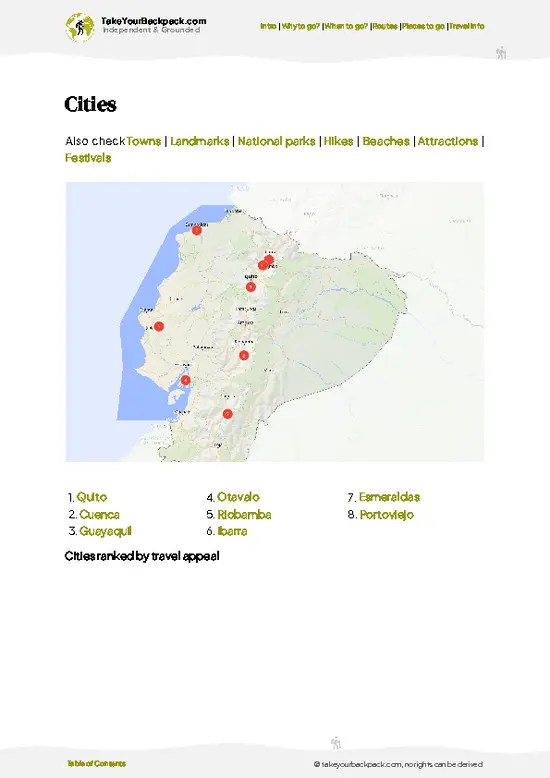
example page 2 from our offline Travel Guide for Ecuador
example page 3 from our offline Travel Guide for Ecuador
example page 4 from our offline Travel Guide for Ecuador
example page 5 from our offline Travel Guide for Ecuador
example page 6 from our offline Travel Guide for Ecuador
example page 7 from our offline Travel Guide for Ecuador
Loading the map 🌍
CLICK TO FILTER
cities
towns
landmarks
national parks
hikes
beaches
attractions
festivals
SHOW COUNTRY’S BESTSHOW ALL

✨ Why go?
Ranked #8 festival in Ecuador
Why Día de los Difuntos should be on your travel list

Día de los Difuntos gives backpackers something Ecuador’s postcards rarely show: a living family ritual you can join respectfully. The big draw is the pairing of colada morada, a spiced purple fruit drink, with guaguas de pan, bread shaped like babies. Sharing them with a host family, a vendor or a stranger at a cemetery table turns a tourist into a guest within minutes. The second reason is timing. The holiday falls on a public holiday weekend, so you see Andean towns at their most communal, with markets overflowing and relatives traveling home from everywhere. It also fits easily into a longer loop through the highlands, linking Quito, Cotopaxi and Cuenca. Cost stays modest compared with Mexico’s celebrations, and crowds are local rather than tour buses, so a few dollars of food keeps you … read more 👉
Día de los Difuntos gives backpackers something Ecuador’s postcards rarely show: a living family ritual you can join respectfully. The big draw is the pairing of colada morada, a spiced purple fruit drink, with guaguas de pan, bread shaped like babies. Sharing them with a host family, a vendor or a stranger at a cemetery table turns a tourist into a guest within minutes. The second reason is timing. The holiday falls on a public holiday weekend, so you see Andean towns at their most communal, with markets overflowing and relatives traveling home from everywhere. It also fits easily into a longer loop through the highlands, linking Quito, Cotopaxi and Cuenca. Cost stays modest compared with Mexico’s celebrations, and crowds are local rather than tour buses, so a few dollars of food keeps you fed and welcome. Come curious, ask before you photograph, and you will be fed.

💡 HighlightsKey sights and experiences for travelers

  1. Colada morada and guaguas de pan: The signature pairing of the holiday around Todos los Santos and Finados (November 1 and 2). Colada morada is a warm, spiced purple drink thickened with purple corn and fruit. Guaguas de pan are bread dolls filled with jam or fudge-like sweets. Bakeries and street stalls sell them for days beforehand, usually at a few dollars per set.
  2. Cementerio de San Diego, Quito: Families scrub tombs, leave flowers and bring food to graves in this hillside cemetery on the edge of the old town. It is a living, working place of remembrance, so keep your voice low and ask before photographing anyone.
  3. Cuenca cemeteries: Families gather at the Cementerio Municipal and nearby burial grounds, where flower sellers and food vendors line the entrances. Cuenca’s calmer pace makes it
… read more 👉
  1. Colada morada and guaguas de pan: The signature pairing of the holiday around Todos los Santos and Finados (November 1 and 2). Colada morada is a warm, spiced purple drink thickened with purple corn and fruit. Guaguas de pan are bread dolls filled with jam or fudge-like sweets. Bakeries and street stalls sell them for days beforehand, usually at a few dollars per set.
  2. Cementerio de San Diego, Quito: Families scrub tombs, leave flowers and bring food to graves in this hillside cemetery on the edge of the old town. It is a living, working place of remembrance, so keep your voice low and ask before photographing anyone.
  3. Cuenca cemeteries: Families gather at the Cementerio Municipal and nearby burial grounds, where flower sellers and food vendors line the entrances. Cuenca’s calmer pace makes it easier to watch the rituals without being swept along by a crowd.
  4. Kichwa and Andean ancestral rituals in the highlands: In Kichwa communities such as those around Cotopaxi and Chimborazo, families lay out meals on graves and share them with the dead. Food, drink and music are part of the visit, and the mood is closer to a reunion than a funeral. Go only with an invitation or a local guide, never as an uninvited spectator.
  5. Quito’s Mercado Central and neighborhood markets: This is where you see the holiday’s supply chain: stacked wreaths, bundles of flowers, bags of purple corn flour and trays of fresh bread. Arrive in the morning, when the cooks are busiest and the best items sell out.
Most visitors skip the home altars and grave meals in family neighborhoods and villages, yet that is where the holiday actually happens, so a respectful invitation from a host will teach you more than any cemetery visit.
Spotted a mistake or missing something? Contact us.

🌤️ When to go?When is the celebration of Día de los Difuntos?

Día de los Difuntos in Ecuador is held on November 2, with the build-up on November 1 (All Saints’ Day) and the cemetery visits stretching over the long weekend, centered on Quito, Cuenca and the Andean highland towns such as Calderón.
  • Best day: November 2 is the main event, when families fill cemeteries from morning to mid-afternoon. November 1 is calmer and better for baking guaguas de pan and watching preparations.
  • Weather: Highland days run about 10 to 20°C (50 to 68°F) with afternoon showers likely, so pack a rain jacket and a warm layer.
  • Booking: Reserve beds 3 to 4 weeks ahead in Quito and Cuenca, since holiday weekends push rates up roughly 20 to 40 percent.
  • Crowds: Buses to cemeteries and out of cities jam on the evening of November 2, so arrive early and leave before 3 pm or after dark.
… read more 👉
Día de los Difuntos in Ecuador is held on November 2, with the build-up on November 1 (All Saints’ Day) and the cemetery visits stretching over the long weekend, centered on Quito, Cuenca and the Andean highland towns such as Calderón.
  • Best day: November 2 is the main event, when families fill cemeteries from morning to mid-afternoon. November 1 is calmer and better for baking guaguas de pan and watching preparations.
  • Weather: Highland days run about 10 to 20°C (50 to 68°F) with afternoon showers likely, so pack a rain jacket and a warm layer.
  • Booking: Reserve beds 3 to 4 weeks ahead in Quito and Cuenca, since holiday weekends push rates up roughly 20 to 40 percent.
  • Crowds: Buses to cemeteries and out of cities jam on the evening of November 2, so arrive early and leave before 3 pm or after dark.
Arrive on November 1 so you are already in position when the cemeteries open.


source: climatestotravel.comJANJanuary: not recommended for travelingFEBFebruary: not recommended for travelingMARMarch: not recommended for travelingAPRApril: not recommended for travelingMAYMay: not recommended for travelingJUNJune: not recommended for travelingJULJuly: not recommended for travelingAUGAugust: not recommended for travelingSEPSeptember: not recommended for travelingOCTOctober: not recommended for travelingNOVNovember: excellent for travelingDECDecember: not recommended for traveling

✈️ The backpacker research shortcutEcuador Travel Guide

An offline-friendly backpacking guide with optimized travel routes, ranked highlights, transport advice, and the best areas to stay.
example page 0 from our offline Travel Guide for Ecuador
example page 1 from our offline Travel Guide for Ecuador
example page 2 from our offline Travel Guide for Ecuador
example page 3 from our offline Travel Guide for Ecuador
example page 4 from our offline Travel Guide for Ecuador
example page 5 from our offline Travel Guide for Ecuador
example page 6 from our offline Travel Guide for Ecuador
example page 7 from our offline Travel Guide for Ecuador
The digital guide (274 pages) contains:
✅ 87 highlights, ranked by travel appeal
✅ Optimized 5, 10 & 15-day travel routes
✅ Cities, national parks, landmarks, beaches
✅ How to get around
✅ Offline-friendly for travel without Wi-Fi
👉 Click to see all 30+ guide features

📅 Plan smarter in minutes, not weeks
✅ Month by month travel advice
✅ Festivals & national holidays
✅ Budget expectations

🗺️ Go to the right places, skip the overrated ones
✅ Honest pros & cons of destinations
✅ Top hikes, parks & viewpoints
✅ Lesser-known places most travelers miss
✅ Clear “worth it vs skip it” guidance

🛏️ Travel smoothly without rookie mistakes
✅ Best areas to stay
✅ Transport systems explained simply
✅ Common scams & safety advice
✅ SIM cards, money & practical tips

🌍 Understand the country, not just visit it
✅ Culture & traditions
✅ 52 Essential phrases & customs
✅ Festivals worth planning around
✅ Traveler-friendly historical context
✅ Insights that make places more meaningful

📱 Built for real travel conditions
✅ Fully downloadable PDF
✅ Works completely offline
✅ Optimized for phone use
✅ Useful in remote areas & buses
✅ Everything in one place
Stop searching, start planning
Get instant access to your full guide. 30‑day money-back guarantee.
+ Add another guide for just

By proceeding you agree to our terms.
Sent to your inbox immediately after payment • 100% Secure Checkout
Best Backpacking Travel Advisor 2025 tourism awardBest Backpacking
Travel Advisor
2025
What others say about Take Your Backpack Guides:
⭐⭐⭐⭐⭐
Fantastic, amazing amount of information!
⭐⭐⭐⭐⭐
My goodness this is amazing, it's what I've been looking for hats off too you!
⭐⭐⭐⭐⭐
I think this is absolutely BRILLIANT
⭐⭐⭐⭐
Very complete and informative. It's still missing places, but I gotta to commend you
⭐⭐⭐⭐⭐
This is truly amazing, thank you, can't wait to explore it with my kids!
⭐⭐⭐⭐⭐
Awesome resource, thank you!
⭐⭐⭐⭐⭐
This is amazing! Can't wait to explore the ones I haven't seen
⭐⭐⭐⭐
I love this! Well done, great idea.
⭐⭐⭐⭐⭐
Thanks for taking the time to make this gem!
⭐⭐⭐⭐⭐
This might be the best website I've ever seen.
⭐⭐⭐⭐⭐
Congratulations, and thank you so much for your work; it's incredibly valuable.
⭐⭐⭐⭐
In all seriousness I think you did a great job pointing out the important spots
⭐⭐⭐⭐⭐
10/10 very good
⭐⭐⭐⭐⭐
As someone who's only just starting to visit regularly this is awesome, thank you.
⭐⭐⭐⭐
Thank you very much! I'm going to visit my dad, it's going to be very useful!
⭐⭐⭐⭐⭐
This is really cool! We'll be travelling for the first time and this definitely come in handy.
⭐⭐⭐⭐⭐
You are now our minister of culture, congratulations 👨‍💼
⭐⭐⭐⭐⭐
Just wanted to tell you that this is a pearl! Going to follow your recommendations.
⭐⭐⭐⭐⭐
This is so cool. I'll definitely be using the resource for my travels soon.
⭐⭐⭐⭐⭐
This is very impressive! Good work.
⭐⭐⭐⭐⭐
This is an amazing and informative site. Very well done!

🛏️ Where to stay?Where staying makes the most sense

Stay in Quito’s Centro Histórico or La Mariscal, and in Cuenca’s historic center, because that is where the budget crowd and the festival logistics meet.
In Quito, La Mariscal is the social choice for solo backpackers. It has the densest cluster of hostels, tour agencies and late-night eateries, and you can find fellow travelers to share taxis to cemeteries like Calderón. It is lively at night, so take taxis after dark rather than walking. The Centro Histórico is more atmospheric, with plazas and churches close at hand, and it is the better pick if you want to wake up near the processions. It is … read more 👉
Stay in Quito’s Centro Histórico or La Mariscal, and in Cuenca’s historic center, because that is where the budget crowd and the festival logistics meet.
In Quito, La Mariscal is the social choice for solo backpackers. It has the densest cluster of hostels, tour agencies and late-night eateries, and you can find fellow travelers to share taxis to cemeteries like Calderón. It is lively at night, so take taxis after dark rather than walking. The Centro Histórico is more atmospheric, with plazas and churches close at hand, and it is the better pick if you want to wake up near the processions. It is safe by day and quiet and sparsely lit at night, so book a place within a few blocks of the main plazas.
In Cuenca, the streets around Parque Calderón and along the Tomebamba river are compact, walkable and calm, with a steady stream of long-stay travelers. Staying here puts you within a short walk or cheap taxi of the main cemetery. Book early, as the long weekend fills up quickly.

👛 Costs (as of 19 October 2026)Typical daily expenses

A day at Día de los Difuntos in Ecuador costs about US$25 to 58 for an independent traveler, with the highest-season dorm bed included.
CategoryBudget RangeLocal Reality
Festival ticketsUS$0Cemetery visits, processions and street events are free. Some museum or church events charge small fees.
AccommodationUS$10 to 20Dorm beds in Quito and Cuenca rise during the long weekend. Private rooms run about US$25 to 45.
Local transportUS$2 to 8City buses cost about US$0.35 to 0.50. Taxis to cemeteries typically cost US$3 to 8 and are scarce in the evening.
Food & drinksUS$10 to 20Colada morada and guaguas de pan cost about US$1 to 3 each. Set lunches (almuerzos) cost US$3 to 5.
Miscellaneous expensesUS$3 to 10Flowers, small offerings, a rain poncho or a tip for a local guide.
Total Daily BudgetUS$25 to 58Plan
… read more 👉
A day at Día de los Difuntos in Ecuador costs about US$25 to 58 for an independent traveler, with the highest-season dorm bed included.
CategoryBudget RangeLocal Reality
Festival ticketsUS$0Cemetery visits, processions and street events are free. Some museum or church events charge small fees.
AccommodationUS$10 to 20Dorm beds in Quito and Cuenca rise during the long weekend. Private rooms run about US$25 to 45.
Local transportUS$2 to 8City buses cost about US$0.35 to 0.50. Taxis to cemeteries typically cost US$3 to 8 and are scarce in the evening.
Food & drinksUS$10 to 20Colada morada and guaguas de pan cost about US$1 to 3 each. Set lunches (almuerzos) cost US$3 to 5.
Miscellaneous expensesUS$3 to 10Flowers, small offerings, a rain poncho or a tip for a local guide.
Total Daily BudgetUS$25 to 58Plan on about US$40 to 60 for a comfortable day. Ecuador uses the US dollar.


source: ecuador.travel
⚠️ Prices can change and everyone travels differently, so take this as a rough guide. Hope it helps you plan your adventure!

🍲 FoodEating & Drinking in Día de los Difuntos

The festival has two signature items, and you should have both: colada morada and guaguas de pan.
Colada morada is a thick, warm purple drink made from blackberries, purple corn flour, pineapple, cinnamon, clove and spices. It is sweet, fruity and fragrant, and you will find it in cups and mugs at stalls, bakeries and family tables across the highlands. Guaguas de pan are sweet bread dolls, shaped like babies and filled with jam or guava paste. Dunk a piece of one in your colada, which is how locals eat them.
Beyond that, cemetery gates in towns like Calderón draw vendors selling empanadas, fritada, grilled corn and fruit. Bakeries sell the bread in many sizes, so you can buy a small one for one person rather than a family-sized doll.
Bring small cash in US dollars, since stalls rarely take cards … read more 👉
The festival has two signature items, and you should have both: colada morada and guaguas de pan.
Colada morada is a thick, warm purple drink made from blackberries, purple corn flour, pineapple, cinnamon, clove and spices. It is sweet, fruity and fragrant, and you will find it in cups and mugs at stalls, bakeries and family tables across the highlands. Guaguas de pan are sweet bread dolls, shaped like babies and filled with jam or guava paste. Dunk a piece of one in your colada, which is how locals eat them.
Beyond that, cemetery gates in towns like Calderón draw vendors selling empanadas, fritada, grilled corn and fruit. Bakeries sell the bread in many sizes, so you can buy a small one for one person rather than a family-sized doll.
Bring small cash in US dollars, since stalls rarely take cards and bigger bills are hard to change. Expect lines at popular bakeries by mid-morning, so go early. Sharing is normal, and a family may offer you a taste if you are respectful.

FAQTraveler FAQ

Día de los Difuntos in Ecuador takes place on November 2, with All Saints’ Day on November 1 starting the long weekend. Families visit cemeteries in Quito, Cuenca and highland towns like Calderón from morning to mid-afternoon. It usually falls on a national holiday, and in Cuenca the observances extend into the following days.
Attending Día de los Difuntos costs nothing for the cemetery visits and street events themselves. Budget about US$10 to 20 for a dorm bed, US$10 to 20 for food and US$2 to 8 for local transport. A day usually totals about US$40 to 60, and colada morada and guaguas de pan run about US$1 to 3 each.
Día de los Difuntos requires no tickets, because cemeteries and public events are open and free. What you do need in advance is a bed, so book 3 to 4 weeks ahead in Quito or Cuenca, where holiday weekend prices climb 20 to 40 percent. Carry small US dollar bills for food and taxis, and arrive in town by November 1.
⚠️ Things can change over time, so always validate details locally before you go.

Other Ecuadorian festivals near Día de los Difuntos

Explore more nearby:


💡 Not sure where to go next?
Create a personalized itinerary for Ecuador including Día de los Difuntos and the places that fit your trip.

Generate my itinerary

👉 Discover all festivals

Or checkout all Ecuador has to offer (think cities, towns, villages, national parks, hikes, beaches, festivals)
Country photo of Ecuador

We 💚 feedbackParting advice and final tips

Día de los Difuntos works best as a warm-up inside a longer highlands loop. I would pair it with a few days in Quito and Cuenca, add a village stay near Cotopaxi, and book beds early because Ecuadorians travel for the long weekend. Skip the cemetery selfies and bring cash for bread and colada morada.

✈️ When did I visit Ecuador?
Ecuador I visited during my half year trip through South and Central America back in 2003

✍️ Help improve this page!
The information on this page is based on my own backpacking experience in Ecuador, supplemented with up-to-date research and feedback from other travelers. Travel details can change, so if you notice anything outdated or incomplete, feel free to let me know.


🙋‍♂️ Give feedback

👋 Meet the founderWho’s Behind Take Your Backpack?

Johan, backpacker and founder of TakeYourBackpackHi, I’m Johan (Netherlands 🇳🇱), the creator of TakeYourBackpack. Over the past 3 decades, I’ve backpacked through 90+ countries across six continents, gaining extensive experience with independent travel, long-term trips, and overland routes.

This site is built on a combination of firsthand travel experience and carefully curated insights from other backpackers. Many guides are based on places I’ve personally visited, while others bring together tips, observations, and practical advice shared by trusted travelers I’ve met along the way.

The goal is to provide realistic, experience-driven guidance — not generic itineraries — so you can explore destinations with better context, clearer expectations, and more confidence.