


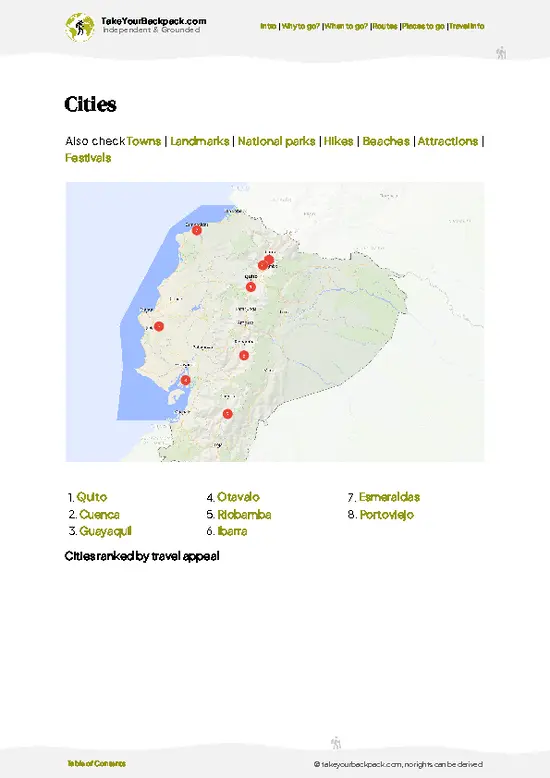
1. The Pre-Columbian Gold and Ceramics Collection
Let’s cut through the Instagram haze: you’re not coming here for a quick selfie with a golden mask. The real magic is in the raw, tactile presence of Ecuador’s ancient cultures. This isn’t a dusty lineup of relics behind glass. The Museo Antropológico y de Arte Contemporáneo (MAAC) curates its pre-Columbian treasures with a sense of narrative—pottery, jewelry, and ritual objects that feel like they still hum with the energy of the people who made them. You’ll see Valdivia figurines with their enigmatic faces, La Tolita goldwork that looks like it could have been designed yesterday, and ceremonial vessels that tell stories of feasts, gods, and everyday life. It’s a crash course in Ecuador’s deep-time creativity, and it’s the opposite of a tourist … read more 👉
1. The Pre-Columbian Gold and Ceramics Collection
Let’s cut through the Instagram haze: you’re not coming here for a quick selfie with a golden mask. The real magic is in the raw, tactile presence of Ecuador’s ancient cultures. This isn’t a dusty lineup of relics behind glass. The Museo Antropológico y de Arte Contemporáneo (MAAC) curates its pre-Columbian treasures with a sense of narrative—pottery, jewelry, and ritual objects that feel like they still hum with the energy of the people who made them. You’ll see Valdivia figurines with their enigmatic faces, La Tolita goldwork that looks like it could have been designed yesterday, and ceremonial vessels that tell stories of feasts, gods, and everyday life. It’s a crash course in Ecuador’s deep-time creativity, and it’s the opposite of a tourist trap: you’ll leave with a sense of connection, not just a photo.
2. Contemporary Ecuadorian Art Exhibitions
Here’s where the MAAC throws a curveball. Most museums split anthropology and contemporary art into separate wings, but here, the collision is intentional. The rotating exhibitions of living Ecuadorian artists are unpredictable, sometimes provocative, and always rooted in the country’s social pulse. You might walk into a room full of kinetic sculptures, video installations, or bold political paintings. The best part? The artists are often present, especially during openings, and the crowd is a mix of students, intellectuals, and families—not just tourists ticking boxes. This is where you get the pulse of Guayaquil’s creative scene, not just its past.
3. The Riverfront Setting and Outdoor Sculpture Park
Let’s be honest: Guayaquil’s Malecón 2000 is usually packed, and yes, the river view is often photobombed by joggers and snack vendors. But the MAAC’s outdoor sculpture park is a genuine oasis. The sculptures are bold—think abstract forms and monumental figures that invite climbing, sitting, or just staring at the river. It’s the kind of place where you can actually slow down, breathe, and watch the city move around you. The contrast between the museum’s cool, quiet galleries and the open, sunlit park is a sensory reset.
4. The MAAC Cine
This is my personal favorite. Forget overpriced popcorn and Hollywood blockbusters. The MAAC Cine is a small, fiercely curated cinema that screens Latin American films you won’t find anywhere else in Ecuador. Documentaries, indie dramas, experimental shorts—this is where you see the region’s stories told by its own filmmakers. The crowd is passionate, the discussions spill out into the lobby, and the ticket prices are refreshingly low. If you want to feel like you’ve tapped into the city’s cultural bloodstream, this is the spot.
5. Interactive Workshops and Cultural Events
Skip the passive museum shuffle. The MAAC regularly hosts hands-on workshops—ceramics, printmaking, dance, and more—led by working artists. These aren’t touristy demos; they’re genuine opportunities to get your hands dirty and meet locals who care about their craft. The energy is infectious, and you’ll walk away with more than a souvenir: you’ll have a story.
Let’s cut through the Instagram haze: you’re not coming here for a quick selfie with a golden mask. The real magic is in the raw, tactile presence of Ecuador’s ancient cultures. This isn’t a dusty lineup of relics behind glass. The Museo Antropológico y de Arte Contemporáneo (MAAC) curates its pre-Columbian treasures with a sense of narrative—pottery, jewelry, and ritual objects that feel like they still hum with the energy of the people who made them. You’ll see Valdivia figurines with their enigmatic faces, La Tolita goldwork that looks like it could have been designed yesterday, and ceremonial vessels that tell stories of feasts, gods, and everyday life. It’s a crash course in Ecuador’s deep-time creativity, and it’s the opposite of a tourist trap: you’ll leave with a sense of connection, not just a photo.
2. Contemporary Ecuadorian Art Exhibitions
Here’s where the MAAC throws a curveball. Most museums split anthropology and contemporary art into separate wings, but here, the collision is intentional. The rotating exhibitions of living Ecuadorian artists are unpredictable, sometimes provocative, and always rooted in the country’s social pulse. You might walk into a room full of kinetic sculptures, video installations, or bold political paintings. The best part? The artists are often present, especially during openings, and the crowd is a mix of students, intellectuals, and families—not just tourists ticking boxes. This is where you get the pulse of Guayaquil’s creative scene, not just its past.
3. The Riverfront Setting and Outdoor Sculpture Park
Let’s be honest: Guayaquil’s Malecón 2000 is usually packed, and yes, the river view is often photobombed by joggers and snack vendors. But the MAAC’s outdoor sculpture park is a genuine oasis. The sculptures are bold—think abstract forms and monumental figures that invite climbing, sitting, or just staring at the river. It’s the kind of place where you can actually slow down, breathe, and watch the city move around you. The contrast between the museum’s cool, quiet galleries and the open, sunlit park is a sensory reset.
4. The MAAC Cine
This is my personal favorite. Forget overpriced popcorn and Hollywood blockbusters. The MAAC Cine is a small, fiercely curated cinema that screens Latin American films you won’t find anywhere else in Ecuador. Documentaries, indie dramas, experimental shorts—this is where you see the region’s stories told by its own filmmakers. The crowd is passionate, the discussions spill out into the lobby, and the ticket prices are refreshingly low. If you want to feel like you’ve tapped into the city’s cultural bloodstream, this is the spot.
5. Interactive Workshops and Cultural Events
Skip the passive museum shuffle. The MAAC regularly hosts hands-on workshops—ceramics, printmaking, dance, and more—led by working artists. These aren’t touristy demos; they’re genuine opportunities to get your hands dirty and meet locals who care about their craft. The energy is infectious, and you’ll walk away with more than a souvenir: you’ll have a story.
Spotted a mistake or missing something? Contact us.
v2.webp)


Best Backpacking
Hi, I’m Johan (Netherlands 🇳🇱), the creator of TakeYourBackpack. Over the past decade, I’ve backpacked through 80+ countries across six continents, gaining extensive experience with independent travel, long-term trips, and overland routes.