×

Ecuador🇪🇨 | attractionsMuseo PumapungoTomebamba Inca ruins, stepped stone baths, aviary, Andean crop garden | things to do and best time to go

Explore Las PeñasExplore Teatro Sucre

Backpacking in Museo Pumapungo
👍 Recommendedattraction ranked #9
By Johan Kruseman 🇳🇱 | Updated October 18, 2026

Museo Pumapungo is not a single museum but a museum fused with an archaeological park, and the ruins out back are the bigger draw. It sits on the southeastern edge of Cuenca's historic center in Ecuador, beside the Tomebamba River. Skip nothing here, but spend your time in the right order: the Inca stonework and the garden first, the galleries second, since the ethnography halls reward you more than the dry coin room. Entry is free, which makes the math easy. I walked the terraced path down to the aviary before the crowds, and you can too, because the gates open early and the birds are loudest then. Finish by the stepped Inca baths, where water still runs through channels cut into dark fitted stone.

Discover everything you want to know in the 📖 Ecuador Travel Guide.


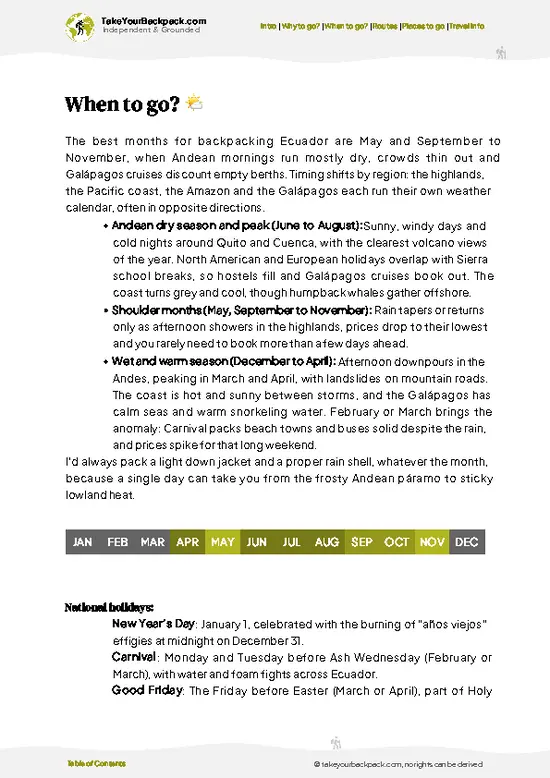
example page 0 from our offline Travel Guide for Ecuador
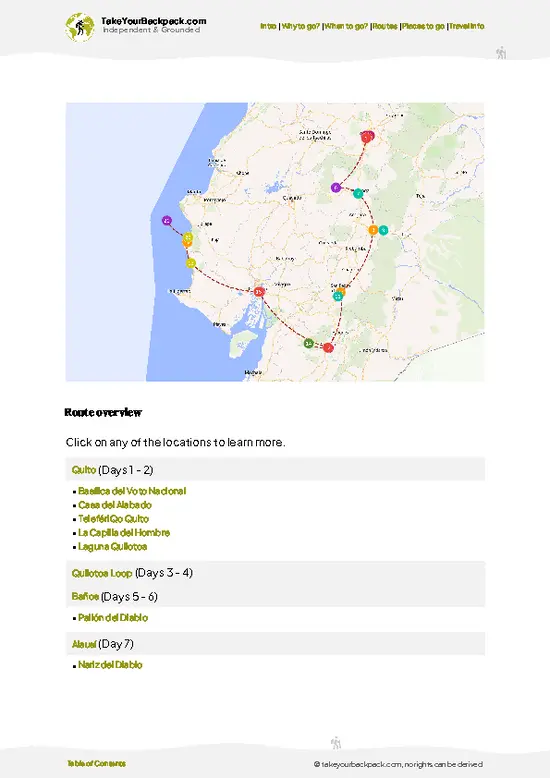
example page 1 from our offline Travel Guide for Ecuador
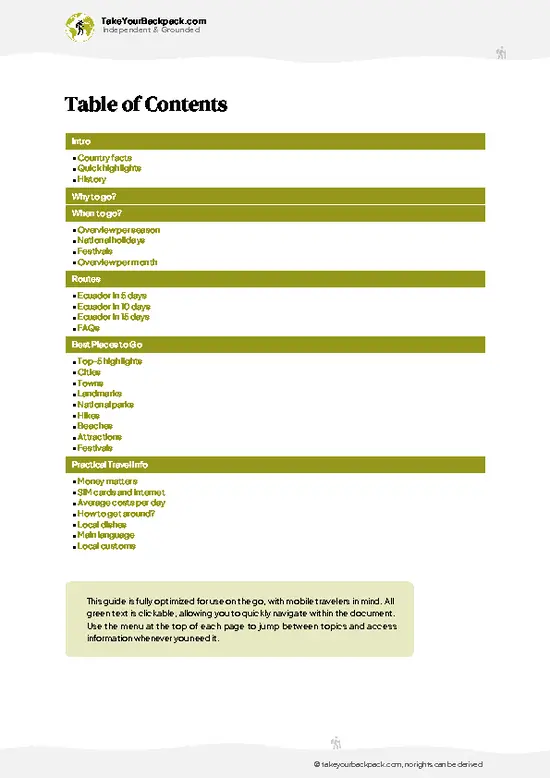
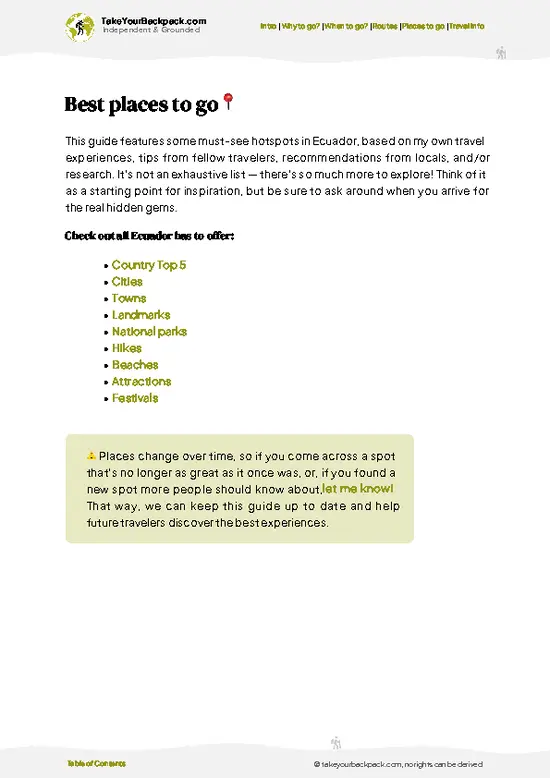
example page 2 from our offline Travel Guide for Ecuador
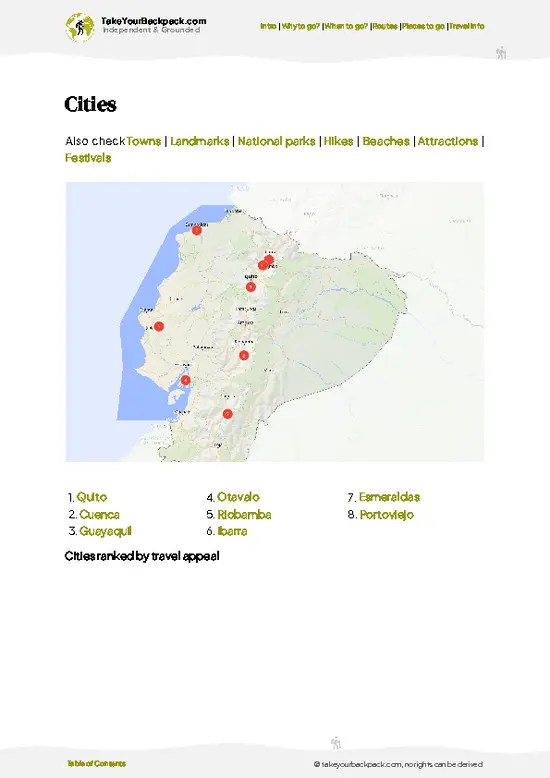
example page 3 from our offline Travel Guide for Ecuador
example page 4 from our offline Travel Guide for Ecuador
example page 5 from our offline Travel Guide for Ecuador
example page 6 from our offline Travel Guide for Ecuador
example page 7 from our offline Travel Guide for Ecuador
Loading the map 🌍
CLICK TO FILTER
cities
towns
landmarks
national parks
hikes
beaches
attractions
festivals
SHOW COUNTRY’S BESTSHOW ALL

✨ Why go?
Ranked #9 attraction in Ecuador
What makes it a must-see attraction

Museo Pumapungo is the best place in Ecuador to see what the Cañari and the Inca left behind in the same spot, and it costs nothing to get in. The site was Tomebamba, a major Inca city in the southern Andes, and you can still walk its terraces, baths and foundations in the open air. That is rare in a country where most Inca sites were buried under colonial buildings. The museum halls add the human layer, with the Shuar shrunken-head tsantsa displays and Amazonian ethnography you would otherwise need a jungle trip to approach. It also works as a milestone on the Ecuador route, since it explains the highlands before you head to Ingapirca or into the Cajas. Give it half a day and you leave understanding why Cuenca matters beyond its pretty churches and domes.

💡 HighlightsKey sights and experiences for travelers

  1. Pumapungo Archaeological Park: the Inca ruins of Tomebamba, with terraces, walls and ceremonial baths built from tightly fitted stone. This is what most people come for, so walk it slowly.
  2. Inca baths (Baños del Inca): stone-lined channels and basins where water still flows, set in the lower part of the park.
  3. Aviary: large enclosures with native birds, including parrots, hawks and owls, in a garden setting that feels more like a short hike than a zoo stop.
  4. Medicinal and Andean plant garden: rows of crops and herbs used in traditional Andean life, including varieties of potato and corn, laid out so you can see how the Cañari and Inca farmed.
  5. Ethnographic halls: displays on Ecuador's Indigenous peoples, with clothing, masks, musical instruments and daily objects from the Andes, coast and Amazon.
  6. Shuar
… read more 👉
  1. Pumapungo Archaeological Park: the Inca ruins of Tomebamba, with terraces, walls and ceremonial baths built from tightly fitted stone. This is what most people come for, so walk it slowly.
  2. Inca baths (Baños del Inca): stone-lined channels and basins where water still flows, set in the lower part of the park.
  3. Aviary: large enclosures with native birds, including parrots, hawks and owls, in a garden setting that feels more like a short hike than a zoo stop.
  4. Medicinal and Andean plant garden: rows of crops and herbs used in traditional Andean life, including varieties of potato and corn, laid out so you can see how the Cañari and Inca farmed.
  5. Ethnographic halls: displays on Ecuador's Indigenous peoples, with clothing, masks, musical instruments and daily objects from the Andes, coast and Amazon.
  6. Shuar tsantsa and Amazon exhibit: the shrunken-head display and the explanation of the ritual behind it, which is more nuanced than the myth.
  7. Archaeology room: ceramics, tools and gold and copper objects from Cañari and Inca periods, showing how the two cultures overlapped.
  8. Riverside walk along the Tomebamba: the path from the museum to the old town, a pleasant route lined with stone terraces and washing steps.
Start with the archaeological park, because the light is gentler early and the paths empty before tour groups arrive.
Spotted a mistake or missing something? Contact us.

Things to do around Museo Pumapungo

Ratings based on Tripadvisor reviews. When you book through this link, you support our work at no extra cost to you.

🌤️ When to go?Seasonal considerations and timing

  • June to September: Cuenca’s driest stretch, with sunny mornings of 8 to 10°C (46 to 50°F) and afternoons of 19 to 21°C (66 to 70°F). The museum’s garden and the Pumapungo archaeological park are at their best, though July and August bring Ecuadorian school holidays and more families.
  • February to May: The wettest months, with afternoon downpours and highs near 20°C (68°F). The indoor exhibits stay comfortable, and crowds thin out.
  • October to January: Mixed sun and showers, highs of 19 to 22°C (66 to 72°F). Early February Carnival and the December holidays pull in domestic visitors.
  • Daylight: About 12 hours all year, so mornings are always dependable.
Arrive at opening on a weekday, before tour groups, and plan the garden walk for the morning, before afternoon clouds roll in.

source: climatestotravel.comJANJanuary: fair for travelingFEBFebruary: fair for travelingMARMarch: fair for travelingAPRApril: fair for travelingMAYMay: fair for travelingJUNJune: highly recommended for travelingJULJuly: highly recommended for travelingAUGAugust: highly recommended for travelingSEPSeptember: highly recommended for travelingOCTOctober: fair for travelingNOVNovember: fair for travelingDECDecember: fair for traveling
ecuador-attraction-museo-pumapungo
© Google |

✈️ The backpacker research shortcutEcuador Travel Guide

An offline-friendly backpacking guide with optimized travel routes, ranked highlights, transport advice, and the best areas to stay.
example page 0 from our offline Travel Guide for Ecuador
example page 1 from our offline Travel Guide for Ecuador
example page 2 from our offline Travel Guide for Ecuador
example page 3 from our offline Travel Guide for Ecuador
example page 4 from our offline Travel Guide for Ecuador
example page 5 from our offline Travel Guide for Ecuador
example page 6 from our offline Travel Guide for Ecuador
example page 7 from our offline Travel Guide for Ecuador
The digital guide (274 pages) contains:
✅ 87 highlights, ranked by travel appeal
✅ Optimized 5, 10 & 15-day travel routes
✅ Cities, national parks, landmarks, beaches
✅ How to get around
✅ Offline-friendly for travel without Wi-Fi
👉 Click to see all 30+ guide features

📅 Plan smarter in minutes, not weeks
✅ Month by month travel advice
✅ Festivals & national holidays
✅ Budget expectations

🗺️ Go to the right places, skip the overrated ones
✅ Honest pros & cons of destinations
✅ Top hikes, parks & viewpoints
✅ Lesser-known places most travelers miss
✅ Clear “worth it vs skip it” guidance

🛏️ Travel smoothly without rookie mistakes
✅ Best areas to stay
✅ Transport systems explained simply
✅ Common scams & safety advice
✅ SIM cards, money & practical tips

🌍 Understand the country, not just visit it
✅ Culture & traditions
✅ 52 Essential phrases & customs
✅ Festivals worth planning around
✅ Traveler-friendly historical context
✅ Insights that make places more meaningful

📱 Built for real travel conditions
✅ Fully downloadable PDF
✅ Works completely offline
✅ Optimized for phone use
✅ Useful in remote areas & buses
✅ Everything in one place
Stop searching, start planning
Get instant access to your full guide. 30‑day money-back guarantee.
+ Add another guide for just

By proceeding you agree to our terms.
Sent to your inbox immediately after payment • 100% Secure Checkout
Best Backpacking Travel Advisor 2025 tourism awardBest Backpacking
Travel Advisor
2025
What others say about Take Your Backpack Guides:
⭐⭐⭐⭐⭐
Fantastic, amazing amount of information!
⭐⭐⭐⭐⭐
My goodness this is amazing, it's what I've been looking for hats off too you!
⭐⭐⭐⭐⭐
I think this is absolutely BRILLIANT
⭐⭐⭐⭐
Very complete and informative. It's still missing places, but I gotta to commend you
⭐⭐⭐⭐⭐
This is truly amazing, thank you, can't wait to explore it with my kids!
⭐⭐⭐⭐⭐
Awesome resource, thank you!
⭐⭐⭐⭐⭐
This is amazing! Can't wait to explore the ones I haven't seen
⭐⭐⭐⭐
I love this! Well done, great idea.
⭐⭐⭐⭐⭐
Thanks for taking the time to make this gem!
⭐⭐⭐⭐⭐
This might be the best website I've ever seen.
⭐⭐⭐⭐⭐
Congratulations, and thank you so much for your work; it's incredibly valuable.
⭐⭐⭐⭐
In all seriousness I think you did a great job pointing out the important spots
⭐⭐⭐⭐⭐
10/10 very good
⭐⭐⭐⭐⭐
As someone who's only just starting to visit regularly this is awesome, thank you.
⭐⭐⭐⭐
Thank you very much! I'm going to visit my dad, it's going to be very useful!
⭐⭐⭐⭐⭐
This is really cool! We'll be travelling for the first time and this definitely come in handy.
⭐⭐⭐⭐⭐
You are now our minister of culture, congratulations 👨‍💼
⭐⭐⭐⭐⭐
Just wanted to tell you that this is a pearl! Going to follow your recommendations.
⭐⭐⭐⭐⭐
This is so cool. I'll definitely be using the resource for my travels soon.
⭐⭐⭐⭐⭐
This is very impressive! Good work.
⭐⭐⭐⭐⭐
This is an amazing and informative site. Very well done!

🛏️ Where to stay?Best areas to stay in Ecuador

El Centro, the historic center of Cuenca, is the best base. The museum sits on the southeastern edge of the old town, so you can walk there in 10 to 15 minutes from most hostels around Parque Calderón, and it is flat the whole way. This area has the densest cluster of budget dorms, plus cafes, laundries and late-night restaurants, and the streets stay lit and well patrolled in the evenings. Solo travelers meet others easily here, since the common rooms and rooftop terraces fill with people trading hiking plans for Cajas National Park.

The quieter streets along Calle Larga, just north of the museum, … read more 👉
El Centro, the historic center of Cuenca, is the best base. The museum sits on the southeastern edge of the old town, so you can walk there in 10 to 15 minutes from most hostels around Parque Calderón, and it is flat the whole way. This area has the densest cluster of budget dorms, plus cafes, laundries and late-night restaurants, and the streets stay lit and well patrolled in the evenings. Solo travelers meet others easily here, since the common rooms and rooftop terraces fill with people trading hiking plans for Cajas National Park.

The quieter streets along Calle Larga, just north of the museum, suit you if you want river views and bars within a short stroll, though it gets noisy on weekends. Calle Larga is also close to the Banco Central grounds and the Todos Santos ruins. Avoid the blocks around the Terminal Terrestre at night. Dorm beds in the center run roughly US$8 to 14.

👛 Costs (as of 18 October 2026)Typical daily expenses

Expect to spend about US$34 per day around Museo Pumapungo, with the museum itself costing little or nothing.
CategoryBudget RangeLocal Reality
Museum EntryUS$0Entry to the museum and archaeological park has traditionally been free, and donations are welcome.
GuideUS$0 to 10Guides are sometimes available on site; audio or printed notes are mostly in Spanish.
Accommodation (high season)US$8 to 14Dorm beds in El Centro, with private rooms from about US$20.
FoodUS$8 to 12Set lunches (almuerzos) cost US$3 to 5 and a cafe dinner US$6 to 9.
Local TransportUS$0.35 to 3Buses cost US$0.35 and short taxi rides US$2 to 3. The museum is walkable from the center.
ExtrasUS$2 to 5Coffee, snacks, and nearby sites like the Museo del Banco Central shop.
Total Daily BudgetUS$34Based on a high-season dorm, set meals and bus rides.
⚠️ Prices can change and everyone travels differently, so take this as a rough guide. Hope it helps you plan your adventure!

FAQFrequently asked questions about Museo Pumapungo

Plan on 2 to 3 hours at Museo Pumapungo. That covers the ethnographic and archaeological exhibits (about 1.5 hours) and a walk through the Inca-era ruins and the garden with its aviary of native birds (about 45 minutes). Add another hour if you want to linger in the on-site cafe or catch a temporary exhibition.
Yes, because entry has traditionally been free or very cheap, and the collection is among the best in southern Ecuador. You see Cañari and Inca artifacts, shrunken head (tsantsa) displays, and ruins of the Inca city of Tomebamba, all in one site. Donations are welcome, and a guide, when available, costs up to about US$10.
Walk from Parque Calderón in Cuenca’s center, about 10 to 15 minutes southeast along Calle Larga, which costs nothing. A taxi from anywhere in the center costs around US$2 to 3, and city buses run along Avenida Huayna Cápac for US$0.35. From Cuenca’s bus terminal, a taxi takes about 10 minutes and costs US$2 to 3.
⚠️ Things can change over time, so always validate details locally before you go.

Other Ecuadorian attractions near Museo Pumapungo

Explore more nearby:

  • Malecón 2000—Guayas riverfront, Moorish clock tower, Ferris wheel, iguana gardens| 126 km away
  • Museo Antropológico y de Arte Contemporáneo—Valdivia figurines, Guayas river windows, rotating contemporary shows, free entry| 126 km away
  • Las Peñas—Numbered steps, painted wooden houses, riverside lighthouse, artist studios| 127 km away

💡 Not sure where to go next?
Create a personalized itinerary for Ecuador including Museo Pumapungo and the places that fit your trip.

Generate my itinerary

👉 Discover all attractions

Or checkout all Ecuador has to offer (think cities, towns, villages, national parks, hikes, beaches, festivals)
Country photo of Ecuador

We 💚 feedbackSumming up the experience

Museo Pumapungo suits history lovers, curious families and anyone who wants Andean culture without a long trek. If ruins on the scale of Machu Picchu are what you expect, adjust your hopes. Go early on a weekday, bring a light jacket, and give the aviary and gardens as much time as the galleries.

✈️ When did I visit Ecuador?
Ecuador I visited during my half year trip through South and Central America back in 2003

✍️ Help improve this page!
The information on this page is based on my own backpacking experience in Ecuador, supplemented with up-to-date research and feedback from other travelers. Travel details can change, so if you notice anything outdated or incomplete, feel free to let me know.


🙋‍♂️ Give feedback

👋 Meet the founderWho’s Behind Take Your Backpack?

Johan, backpacker and founder of TakeYourBackpackHi, I’m Johan (Netherlands 🇳🇱), the creator of TakeYourBackpack. Over the past 3 decades, I’ve backpacked through 90+ countries across six continents, gaining extensive experience with independent travel, long-term trips, and overland routes.

This site is built on a combination of firsthand travel experience and carefully curated insights from other backpackers. Many guides are based on places I’ve personally visited, while others bring together tips, observations, and practical advice shared by trusted travelers I’ve met along the way.

The goal is to provide realistic, experience-driven guidance — not generic itineraries — so you can explore destinations with better context, clearer expectations, and more confidence.