×

Ecuador🇪🇨 | townsZarumawooden balconies, gold mining history, hillside alleys | things to do and best time to go

Explore VilcabambaExplore Puerto López

Backpacking in Zaruma
👌 Worth visitingtown ranked #11
By Johan Kruseman 🇳🇱 | Updated June 13, 2026

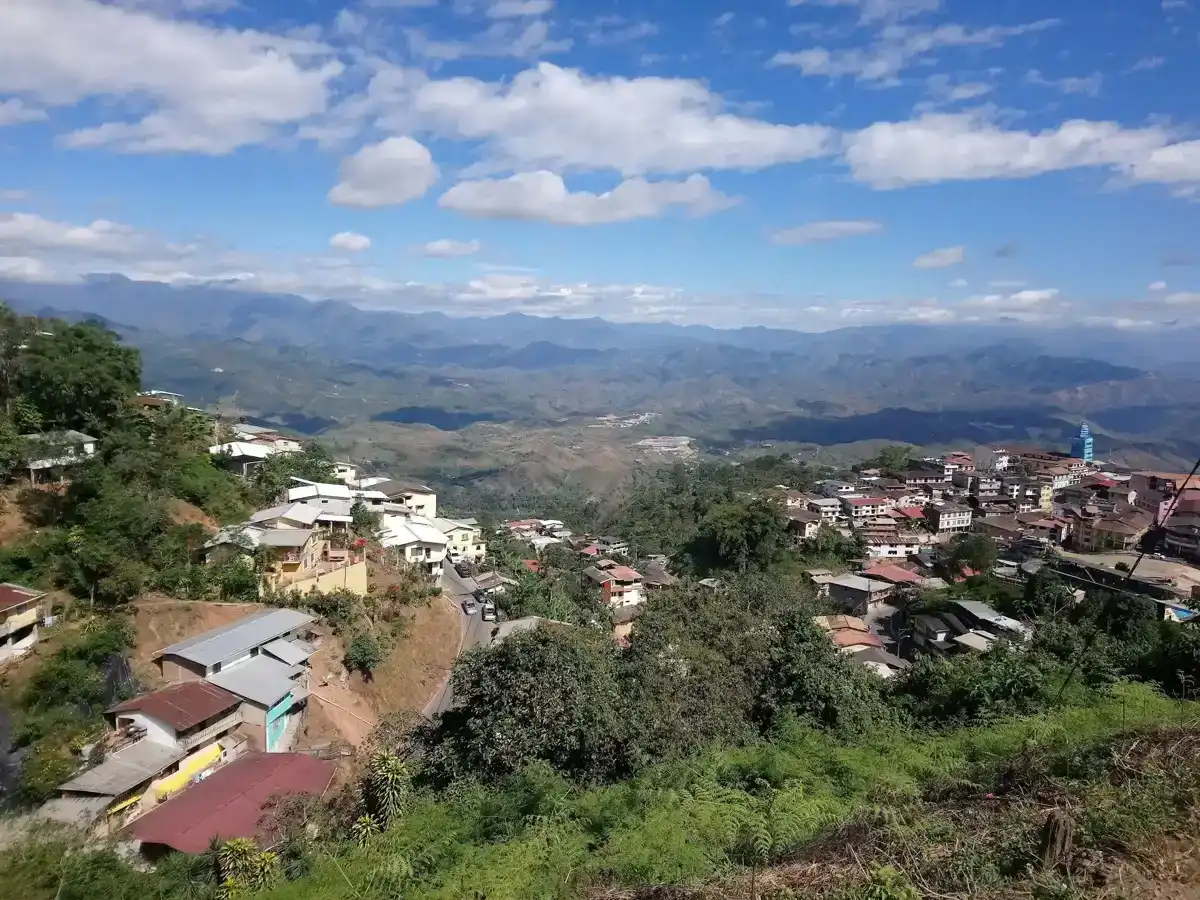
Everyone talks about Zaruma’s gold-mining past, but unless you’re a geology nerd, the real reason to come is the feel of the place: cool Andean air after the coastal heat, wooden balconies glowing in late-afternoon light, coffee and panela smells drifting out of tiny shops. Tucked into the hills of El Oro province in southern Ecuador, it’s a compact, very walkable town that works best as a one- or two-night pause between Loja/Vilcabamba and the coast, with short hikes and viewpoints rather than big-ticket sights. Buses are frequent but slow and winding; once here, you’ll mostly walk. Nights are quiet, with a couple of simple hostales and cafés where you might meet a few other backpackers, but don’t expect a scene like Montañita or Baños. It’s cheaper and more relaxed than Cuenca, less polished, and feels safe if you use normal city sense, though the steep streets and occasional stray dog keep you alert.

Discover everything you want to know in the 📖 Ecuador Travel Guide.


Get your Ecuador guide
94 ranked highlights, routes & tips, works offline (362 pages)
Loading the map 🌍
CLICK TO FILTER
cities
towns
landmarks
national parks
hikes
beaches
attractions
festivals
regions
SHOW COUNTRY’S BESTSHOW ALL

✨ Why go?
Ranked #11 town in Ecuador
Reasons people choose to visit here

Zaruma is a backpacker’s waypoint that strikes a balance between adventure and relaxation. Nestled in the Andes, it’s a gateway to hikes like the nearby Cerro de Hojas or the lush trails leading to Las Tres Cruces. The walkable streets are lined with small-scale hostels and guesthouses, perfect for solo travelers or small groups seeking a cozy atmosphere. You’ll find local eateries serving up hearty meals that reflect the region’s flavors, making it easy to fuel up after a day of exploration.

Travelers often linger here for a few days, soaking in the friendly social vibe while sharing stories with fellow adventurers. It’s not a party town, but the warmth of the locals and the inviting plazas create a sense of community. If you’re a slow traveler or a hiker, Zaruma offers a perfect blend of convenience and authenticity.
Want to include Zaruma in your Ecuador route?
Create a personalized Ecuador itinerary that includes Zaruma and the places that fit your trip — based on your travel style, budget, and available time. Get your route in seconds.

Generate my trip

💡 HighlightsThe experiences that define the visit

  1. Casco Histórico (Historic Center) — Narrow cobblestone streets and those famous painted wooden balconies give you the real Zaruma feel; wander, look up, and you’ll see how mining wealth shaped everyday life here.
  2. Plaza Central (Parque Central) — The town’s social heart: benches, vendors, and the municipal palace nearby. Great spot for people-watching and timing a local procession or market day.
  3. Iglesia Matriz (Main Church) — The big parish church in town center: solid colonial bones, local religious art, and a focal point for festivals that show Zaruma’s traditions in action.
  4. Museo de la Minería (Municipal Mining Museum) — Small but focused: mining tools, photos, and stories that explain why gold and mining are woven into the town’s identity. Helpful context before you explore the streets.
read more 👉
  1. Casco Histórico (Historic Center) — Narrow cobblestone streets and those famous painted wooden balconies give you the real Zaruma feel; wander, look up, and you’ll see how mining wealth shaped everyday life here.
  2. Plaza Central (Parque Central) — The town’s social heart: benches, vendors, and the municipal palace nearby. Great spot for people-watching and timing a local procession or market day.
  3. Iglesia Matriz (Main Church) — The big parish church in town center: solid colonial bones, local religious art, and a focal point for festivals that show Zaruma’s traditions in action.
  4. Museo de la Minería (Municipal Mining Museum) — Small but focused: mining tools, photos, and stories that explain why gold and mining are woven into the town’s identity. Helpful context before you explore the streets.
  5. Ruta de los Balcones (Balcony-lined streets) — Less a single monument and more a meandering visual treat: streets where balconies stack and overlap. Best in the afternoon light for photos and quiet observation.
  6. Mirador (Panoramic Viewpoints) — A short uphill walk from the center gets you sweeping views over Zaruma’s red roofs and surrounding hills — excellent at sunrise or sunset for scale and perspective.
  7. Mercado Central (Central Market) — Local food, coffee, and small stalls selling woven goods and snacks. Where you’ll taste the town and overhear the best local gossip.
  8. Casa de la Cultura / Salas de Exposición — Community-run exhibitions and occasional events spotlight local artists, history projects, and mining heritage; small shows but high on local flavor.
  9. Antiguas galerías y túneles accesibles (guided mine visits) — There are small, visitor-friendly mine galleries and interpretive points in and just around town; go with a local guide to hear miners’ stories and see mining techniques safely.
  10. Cementerio Municipal — Not spooky, but historically rich: ornate mausoleums, inscriptions, and viewpoints that tell personal stories about Zaruma’s families and the town’s past.
A few solid day trips from Zaruma: the nearby mining town of Portovelo (history and local culture), the Puyango Petrified Forest (fossilized wood and strange landscapes), and the coastal area around Puerto Bolívar/Machala if you want beaches — my personal favorite for a day trip is the Puyango Petrified Forest.
Spotted a mistake or missing something? Contact us.

Things to do near Zaruma

Ratings based on Tripadvisor reviews. When you book through this link, you support our work at no extra cost to you.

🏘️ NeighborhoodsKey areas and districts to know

Zaruma is a charming town that feels like a step back in time, with its colonial architecture and vibrant local culture. Each neighborhood offers a unique flavor for backpackers.

Centro Histórico: This is the heart of Zaruma. Cobblestone streets, colorful buildings, and local markets create a lively atmosphere. It’s walkable, making it easy to explore cafes and shops. Perfect for short stays, you can soak in the local vibe without needing transport. Nightlife is low-key, with a few bars offering live music.

El Mirador: Known for its stunning views, this area is slightly quieter. The vibe is more relaxed, ideal for those seeking peace after a day of exploration. Accommodations here tend to be budget-friendly, and it’s a great spot for longer stays. You’ll need to walk a bit to reach the center, … read more 👉
Zaruma is a charming town that feels like a step back in time, with its colonial architecture and vibrant local culture. Each neighborhood offers a unique flavor for backpackers.

Centro Histórico: This is the heart of Zaruma. Cobblestone streets, colorful buildings, and local markets create a lively atmosphere. It’s walkable, making it easy to explore cafes and shops. Perfect for short stays, you can soak in the local vibe without needing transport. Nightlife is low-key, with a few bars offering live music.

El Mirador: Known for its stunning views, this area is slightly quieter. The vibe is more relaxed, ideal for those seeking peace after a day of exploration. Accommodations here tend to be budget-friendly, and it’s a great spot for longer stays. You’ll need to walk a bit to reach the center, but the views are worth it.

La Loma: This neighborhood is a bit off the beaten path, offering a more authentic experience. It’s less touristy, with local eateries and friendly faces. While it requires some uphill walking, the tranquility and local charm make it a rewarding choice for longer visits. Transport options are limited, so be prepared to explore on foot.

⌛️ 1 dayHow to make the most of one day

Zaruma, Ecuador, is a charming town perched in the Andes, known for its rich gold mining history and vibrant colonial architecture. The air here carries a hint of earthiness, mixed with the sweet aroma of local pastries. Start your day with a stroll through the cobblestone streets of the historic center, where the pastel-colored buildings stand like sentinels of time. Don’t miss the iconic Church of San Francisco, its intricate woodwork a testament to the craftsmanship of the past.

In the morning, grab a coffee at Café Zaruma, where the barista serves up a brew that’s as rich as the town’s history. Pair it with a “quesadilla,” a local cheese pastry that melts in your mouth. After fueling up, head to the nearby Mirador de Zaruma. The panoramic views of the valley below are breathtaking, especially … read more 👉
Zaruma, Ecuador, is a charming town perched in the Andes, known for its rich gold mining history and vibrant colonial architecture. The air here carries a hint of earthiness, mixed with the sweet aroma of local pastries. Start your day with a stroll through the cobblestone streets of the historic center, where the pastel-colored buildings stand like sentinels of time. Don’t miss the iconic Church of San Francisco, its intricate woodwork a testament to the craftsmanship of the past.

In the morning, grab a coffee at Café Zaruma, where the barista serves up a brew that’s as rich as the town’s history. Pair it with a “quesadilla,” a local cheese pastry that melts in your mouth. After fueling up, head to the nearby Mirador de Zaruma. The panoramic views of the valley below are breathtaking, especially as the morning light dances across the landscape.

As the afternoon rolls in, wander over to the less-traveled neighborhood of La Loma. Here, you’ll find the Museo de la Ciudad, a small but fascinating museum that dives into Zaruma’s mining heritage. The stories of the miners echo through the halls, grounding you in the town’s gritty past.

As evening approaches, make your way to the Plaza Central. The square comes alive with locals enjoying street food. Try the “empanadas de viento,” light and flaky, filled with cheese or meat. Sit back on a bench, soak in the atmosphere, and watch the sun dip behind the mountains, painting the sky in hues of orange and purple. This is Zaruma—a place where every moment feels earned, and every corner tells a story.
Turn your Zaruma visit into an Ecuador adventure
Build a complete Ecuador route with Zaruma, hidden gems, must-see destinations, and realistic travel times included.

Generate my trip

🌤️ When to go?When to go for the best experience


  • Weather: Zaruma’s dry season runs from June to September, offering crisp, clear skies perfect for wandering its cobbled streets without the damp chill. The wet season, October to May, brings frequent showers that can turn trails muddy and slow your pace.

  • Temperature: Expect mild days around 20-24°C (68-75°F) year-round, but nights dip to 10-12°C (50-54°F), so pack layers. The dry season feels fresher, while the wet season carries a humid weight in the air.

  • Daylight Hours: Near the equator, daylight stays steady—about 12 hours year-round. This means you can plan hikes and explorations without worrying about early sunsets messing with your schedule.

  • Crowds: The dry months attract more tourists, especially July and August, so expect a livelier vibe but higher prices. The wet season is
read more 👉

  • Weather: Zaruma’s dry season runs from June to September, offering crisp, clear skies perfect for wandering its cobbled streets without the damp chill. The wet season, October to May, brings frequent showers that can turn trails muddy and slow your pace.

  • Temperature: Expect mild days around 20-24°C (68-75°F) year-round, but nights dip to 10-12°C (50-54°F), so pack layers. The dry season feels fresher, while the wet season carries a humid weight in the air.

  • Daylight Hours: Near the equator, daylight stays steady—about 12 hours year-round. This means you can plan hikes and explorations without worrying about early sunsets messing with your schedule.

  • Crowds: The dry months attract more tourists, especially July and August, so expect a livelier vibe but higher prices. The wet season is quieter, giving you more breathing room to soak in the town’s character.

  • Seasonal Activities: Mining festivals and local markets peak in the dry season, adding cultural layers to your visit. The wet season slows down events but offers lush green landscapes for photographers and nature lovers.

  • Price Fluctuations: Accommodation and tours spike during the dry season’s tourist influx. Booking in the shoulder months (May or October) can snag better deals without sacrificing too much on weather.


Pro-tip: Aim for late May or early October—just before or after the rains—to catch Zaruma’s charm with fewer crowds, softer prices, and that fresh, earthy scent after a rain shower that makes the town feel alive.


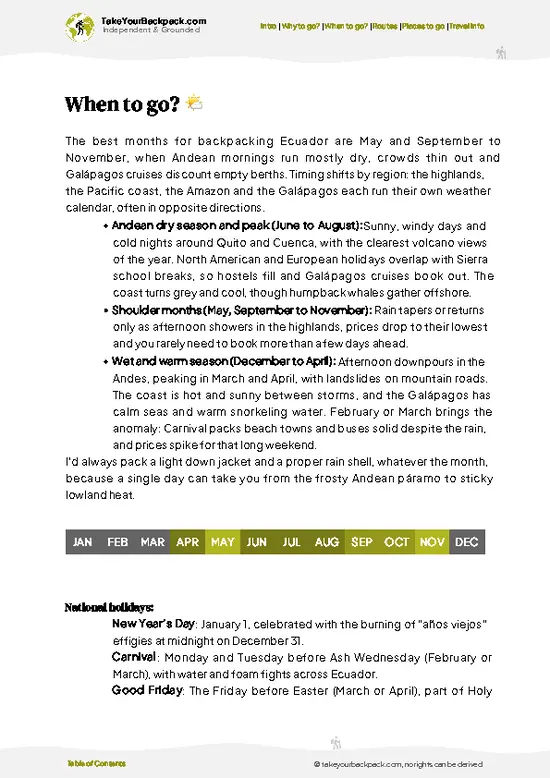
source: climatestotravel.comJANJanuary: fair for travelingFEBFebruary: fair for travelingMARMarch: fair for travelingAPRApril: fair for travelingMAYMay: highly recommended for travelingJUNJune: excellent for travelingJULJuly: excellent for travelingAUGAugust: excellent for travelingSEPSeptember: excellent for travelingOCTOctober: highly recommended for travelingNOVNovember: fair for travelingDECDecember: fair for traveling
ecuador-city-zaruma
© Google | Gabriela Cedillo

✈️ The backpacker research shortcutEcuador Travel Guide

An offline-friendly backpacking guide with optimized travel routes, ranked highlights, transport advice, and the best areas to stay.
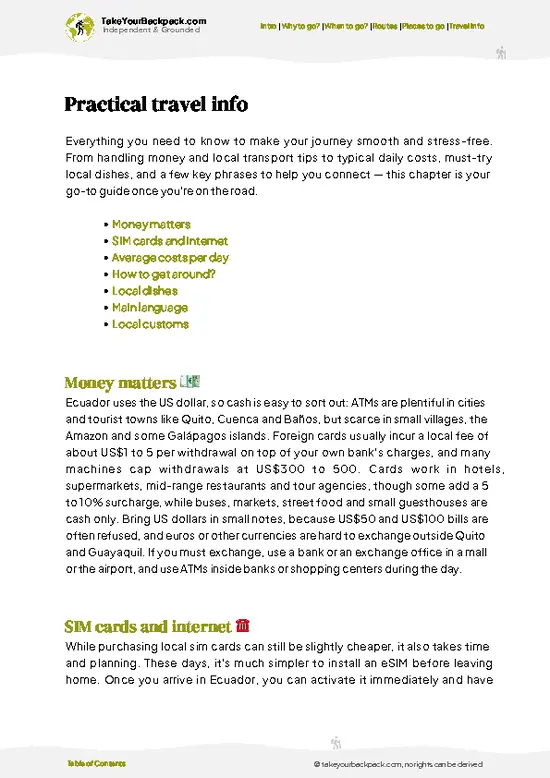
example page 0 from our offline Travel Guide for Ecuador
example page 1 from our offline Travel Guide for Ecuador
example page 2 from our offline Travel Guide for Ecuador
example page 3 from our offline Travel Guide for Ecuador
example page 4 from our offline Travel Guide for Ecuador
example page 5 from our offline Travel Guide for Ecuador
example page 6 from our offline Travel Guide for Ecuador
example page 7 from our offline Travel Guide for Ecuador
The digital guide (362 pages) contains:
94 highlights, ranked by travel appeal
Optimized 5, 10 & 15-day travel routes
Cities, national parks, landmarks, beaches
How to get around
Offline-friendly for travel without Wi-Fi
👉 Click to see all 30+ guide features

📅 Plan smarter in minutes, not weeks
Month by month travel advice
Festivals & national holidays
Budget expectations

🗺️ Go to the right places, skip the overrated ones
Honest pros & cons of destinations
Top hikes, parks & viewpoints
Lesser-known places most travelers miss
Clear “worth it vs skip it” guidance

🛏️ Travel smoothly without rookie mistakes
Best areas to stay
Transport systems explained simply
Common scams & safety advice
SIM cards, money & practical tips

🌍 Understand the country, not just visit it
Culture & traditions
52 Essential phrases & customs
Festivals worth planning around
Traveler-friendly historical context
Insights that make places more meaningful

📱 Built for real travel conditions
Fully downloadable PDF
Works completely offline
Optimized for phone use
Useful in remote areas & buses
Everything in one place
Save weeks of stressful planning
Get instant access to your full guide. 30‑day money-back guarantee.


By proceeding you agree to our terms.
Sent to your inbox immediately after payment • 100% Secure Checkout
Best Backpacking Travel Advisor 2025 tourism awardBest Backpacking
Travel Advisor
2025
What others say about Take Your Backpack Guides:
⭐⭐⭐⭐⭐
Fantastic, amazing amount of information!
⭐⭐⭐⭐⭐
My goodness this is amazing, it's what I've been looking for hats off too you!
⭐⭐⭐⭐⭐
I think this is absolutely BRILLIANT
⭐⭐⭐⭐
Very complete and informative. It's still missing places, but I gotta to commend you
⭐⭐⭐⭐⭐
This is truly amazing, thank you, can't wait to explore it with my kids!
⭐⭐⭐⭐⭐
Awesome resource, thank you!
⭐⭐⭐⭐⭐
This is amazing! Can't wait to explore the ones I haven't seen
⭐⭐⭐⭐
I love this! Well done, great idea.
⭐⭐⭐⭐⭐
Thanks for taking the time to make this gem!
⭐⭐⭐⭐⭐
This might be the best website I've ever seen.
⭐⭐⭐⭐⭐
Congratulations, and thank you so much for your work; it's incredibly valuable.
⭐⭐⭐⭐
In all seriousness I think you did a great job pointing out the important spots
⭐⭐⭐⭐⭐
10/10 very good
⭐⭐⭐⭐⭐
As someone who's only just starting to visit regularly this is awesome, thank you.
⭐⭐⭐⭐
Thank you very much! I'm going to visit my dad, it's going to be very useful!
⭐⭐⭐⭐⭐
This is really cool! We'll be travelling for the first time and this definitely come in handy.
⭐⭐⭐⭐⭐
You are now our minister of culture, congratulations 👨‍💼
⭐⭐⭐⭐⭐
Just wanted to tell you that this is a pearl! Going to follow your recommendations.
⭐⭐⭐⭐⭐
This is so cool. I'll definitely be using the resource for my travels soon.
⭐⭐⭐⭐⭐
This is very impressive! Good work.
⭐⭐⭐⭐⭐
This is an amazing and informative site. Very well done!

🛏️ Where to stay?Best areas and accommodation options

Zaruma’s historic center is the undeniable hub for backpackers craving both safety and social buzz. The cobblestone streets here catch the golden afternoon light just right, casting long shadows that invite slow strolls between colorful colonial buildings. This area pulses with a laid-back energy—locals chatting on benches, street vendors selling fresh fruit, and travelers swapping stories over coffee. Staying here means you’re within easy walking distance of the main plaza, where the vibe is lively but never overwhelming, perfect for solo travelers seeking connection without chaos.

Hostels cluster … read more 👉
Zaruma’s historic center is the undeniable hub for backpackers craving both safety and social buzz. The cobblestone streets here catch the golden afternoon light just right, casting long shadows that invite slow strolls between colorful colonial buildings. This area pulses with a laid-back energy—locals chatting on benches, street vendors selling fresh fruit, and travelers swapping stories over coffee. Staying here means you’re within easy walking distance of the main plaza, where the vibe is lively but never overwhelming, perfect for solo travelers seeking connection without chaos.

Hostels cluster around this core, offering budget-friendly beds and communal spaces that naturally draw a crowd. Compared to the quieter, more residential outskirts, the historic center’s compact layout means you can ditch taxis and soak in the town’s rhythms on foot. It’s not just about convenience; it’s about stepping into the heart of Zaruma’s character, where every corner smells faintly of roasting coffee and old wood, making your stay feel like a genuine slice of Ecuadorian life.

🚌 Getting aroundGetting around like a local

Zaruma moves at the pace of its winding cobblestone streets—unhurried but deliberate, like a slow-burning ember coaxing out its warmth. The town’s rhythm isn’t dictated by strict timetables but by the ebb and flow of locals weaving between markets, cafes, and the occasional mining truck rumbling past. The air carries a faint scent of wet earth and roasted coffee, grounding you in a place where time feels tactile, not digital. Here, your best bet is to sync with the town’s pulse—lean into its gentle chaos rather than fight it.


  • Walking: The heart of Zaruma is best explored on foot. The compact layout and narrow streets mean you can reach most spots within 15-20 minutes. Walking lets you catch the subtle details—the cracked paint on colonial facades, the chatter spilling from open doorways,
read more 👉
Zaruma moves at the pace of its winding cobblestone streets—unhurried but deliberate, like a slow-burning ember coaxing out its warmth. The town’s rhythm isn’t dictated by strict timetables but by the ebb and flow of locals weaving between markets, cafes, and the occasional mining truck rumbling past. The air carries a faint scent of wet earth and roasted coffee, grounding you in a place where time feels tactile, not digital. Here, your best bet is to sync with the town’s pulse—lean into its gentle chaos rather than fight it.


  • Walking: The heart of Zaruma is best explored on foot. The compact layout and narrow streets mean you can reach most spots within 15-20 minutes. Walking lets you catch the subtle details—the cracked paint on colonial facades, the chatter spilling from open doorways, the occasional stray dog lounging in the sun. No cost, total freedom, and the perfect way to absorb the town’s texture.


  • Local Minibuses (Colectivos): These shared vans run irregularly from early morning until late afternoon, usually between 6:30 AM and 5 PM. They’re cheap—around $0.50 per ride—and connect Zaruma with nearby villages and the bus terminal. Expect a bit of a wait and a lively, sometimes cramped ride, but they’re the most authentic way to travel like a local.


  • Motorcycle Taxis (Mototaxis): For quick hops within town or to nearby outskirts, mototaxis are everywhere. They operate on a flexible schedule and can be flagged down on the street. Fares hover around $1-$2 depending on distance. They’re fast and nimble, perfect when you want to save time but don’t mind the open-air buzz of the ride.


  • Intercity Buses: If you’re heading out of Zaruma, buses to bigger hubs like Machala or Loja depart from the main terminal sporadically throughout the day, roughly from 6 AM to 6 PM. Tickets cost between $3 and $6 depending on the destination. These buses are slower but reliable, offering a chance to watch the landscape shift from lush hills to dry valleys through large windows.

👛 Costs (as of 2 January 2026)Money, prices, and spending tips

Backpacking in Zaruma, Ecuador, offers a blend of colonial charm and mountain air that feels like stepping into a slower, more tactile world. But knowing the daily costs helps you savor it without surprises.
  • Dorm Accommodation: Expect to pay around $8 to $15 per night for a bed in a basic hostel dorm. These places are simple but clean, often with shared bathrooms and a communal vibe that’s perfect for meeting other travelers.
  • Meals: Local eateries serve hearty plates for $3 to $6. Think fresh, slow-cooked stews, rice, beans, and grilled meats or fish. Street food snacks like empanadas or fresh fruit juices hover around $1 to $2, making it easy to eat well on a budget.
  • Local Transport: Getting around town is cheap and straightforward. Shared taxis or minibuses cost about $0.50 to $1 per ride.
read more 👉
Backpacking in Zaruma, Ecuador, offers a blend of colonial charm and mountain air that feels like stepping into a slower, more tactile world. But knowing the daily costs helps you savor it without surprises.
  • Dorm Accommodation: Expect to pay around $8 to $15 per night for a bed in a basic hostel dorm. These places are simple but clean, often with shared bathrooms and a communal vibe that’s perfect for meeting other travelers.
  • Meals: Local eateries serve hearty plates for $3 to $6. Think fresh, slow-cooked stews, rice, beans, and grilled meats or fish. Street food snacks like empanadas or fresh fruit juices hover around $1 to $2, making it easy to eat well on a budget.
  • Local Transport: Getting around town is cheap and straightforward. Shared taxis or minibuses cost about $0.50 to $1 per ride. Walking is also a great option since the town is compact, letting you soak in the colonial architecture and mountain views at your own pace.
  • Basic Activities/Entry Fees: Entrance to local museums or historic sites usually runs $2 to $5. Guided tours, if you want to explore the gold mines or nearby nature, might cost $10 to $20, but you can often negotiate or join group tours to keep costs down.
  • Miscellaneous Expenses: Budget around $2 to $5 for things like bottled water, occasional coffee, or small souvenirs. Internet cafes or SIM cards are affordable, typically under $5 for decent data packages.

Altogether, a realistic daily budget for backpacking in Zaruma falls between $15 and $35. This range covers the essentials while leaving room for a few treats or extras. The town’s slower pace means you won’t feel rushed to spend, and every dollar stretches further when you embrace the local rhythm.


source: ecuador.travel
⚠️ Prices can change and everyone travels differently, so take this as a rough guide. Hope it helps you plan your adventure!

🚌 Day tripsShort trips worth adding

Zaruma, Ecuador, is a backpacker’s dream base, offering easy access to stunning landscapes and rich culture. Here are some day trips that make the most of your time in this charming town.

El Oro Province Hike
Just a short bus ride away, this hike takes you through lush cloud forests, where the air is thick with the scent of damp earth and wildflowers. The trail winds up to breathtaking viewpoints overlooking the valley. Expect to spend about 4-5 hours on the trail, and bring a packed lunch to enjoy at the summit. Costs are minimal—around $2 for the bus and snacks. The best time to go is during the dry season, from June to September, when the trails are less muddy. A common mistake? Underestimating the chill at higher elevations; pack a light jacket.


La Cuca Waterfall
This hidden waterfall … read more 👉
Zaruma, Ecuador, is a backpacker’s dream base, offering easy access to stunning landscapes and rich culture. Here are some day trips that make the most of your time in this charming town.

El Oro Province Hike
Just a short bus ride away, this hike takes you through lush cloud forests, where the air is thick with the scent of damp earth and wildflowers. The trail winds up to breathtaking viewpoints overlooking the valley. Expect to spend about 4-5 hours on the trail, and bring a packed lunch to enjoy at the summit. Costs are minimal—around $2 for the bus and snacks. The best time to go is during the dry season, from June to September, when the trails are less muddy. A common mistake? Underestimating the chill at higher elevations; pack a light jacket.


La Cuca Waterfall
This hidden waterfall is a refreshing escape, about an hour’s drive from Zaruma. The sound of rushing water fills the air as you approach, and the vibrant green surroundings make for a perfect picnic spot. The trip takes about 2 hours round-trip, with transportation costing around $10. Aim for early morning to beat the crowds and catch the sunlight filtering through the trees. Many first-timers miss the turnoff; keep an eye out for local signs.


Chordeleg Artisan Market
A bit further afield, Chordeleg is known for its silver jewelry and vibrant artisan crafts. The bus ride takes about 1.5 hours, costing around $3. Spend the day browsing shops and sampling local treats. The best time to visit is on weekends when the market is bustling. A rookie mistake? Not bargaining; it’s part of the experience.


El Cajas National Park
For a taste of Ecuador’s high-altitude beauty, head to El Cajas, about two hours from Zaruma. The park features stunning lakes and unique paramo ecosystems. Plan for a full day, including travel, and budget around $15 for transportation and park fees. The dry season is ideal for clear views. Many newcomers forget to bring enough water; stay hydrated!


Zaruma’s strategic location makes these day trips not just accessible but also rewarding, offering a blend of nature, culture, and adventure.
Want to know what more Ecuador offers?
The Ecuador Travel Guide describes 94 highlights, from cities to national parks, from beaches to hikes

Get the Travel Guide -

🛡️ SafetyStaying Safe: What Travelers Should Know

Zaruma is generally safe, but a few areas require a sharper eye. Stick to well-lit streets at night, especially around the central plaza. Solo travelers should blend in; avoid flaunting valuables.

While scams are rare, be cautious of overly friendly locals offering unsolicited help. Politely decline and trust your instincts. Street vendors can be persistent, but a firm “no, gracias” usually does the trick.

Keep your belongings close, especially in crowded spots. The atmosphere is warm and inviting, but a little awareness goes a long way. Engage with locals, but stay grounded; their hospitality is genuine, yet it’s wise to maintain a healthy skepticism. Enjoy the charm, but stay savvy.

Other Ecuadorian towns near Zaruma

Explore more nearby:

  • Vilcabamba—valley trails, expat community, longevity lore| 77 km away
  • Alausí—train station, mountain switchbacks, railway heritage| 186 km away
  • Puerto López—fishing boats, whale watching, coastal park access| 272 km away

💡 Not sure where to go next?
Create a personalized itinerary for Ecuador including Zaruma and the places that fit your trip.

Generate my itinerary

👉 Discover all towns

Or checkout all Ecuador has to offer (think cities, towns, villages, national parks, hikes, beaches, festivals)
Country photo of Ecuador

We 💚 feedbackKey takeaways before you go

Zaruma’s charm lies in its vibrant streets, where the scent of fresh coffee mingles with the earthy aroma of nearby hills. You’ll find friendly locals and a rich history that invites exploration. But be ready for steep climbs; the town’s layout can be a workout. Embrace the challenge, though—it’s worth it for those breathtaking views and the sense of accomplishment that follows.

✈️ When did I visit Ecuador?
Ecuador I visited during my half year trip through South and Central America back in 2003

✍️ Help improve this page!
The information on this page is based on my own backpacking experience in Ecuador, supplemented with up-to-date research and feedback from other travelers. Travel details can change, so if you notice anything outdated or incomplete, feel free to let me know.


🙋‍♂️ Give feedback

👋 Meet the founderWho’s Behind Take Your Backpack?

Johan, backpacker and founder of TakeYourBackpackHi, I’m Johan (Netherlands 🇳🇱), the creator of TakeYourBackpack. Over the past decade, I’ve backpacked through 80+ countries across six continents, gaining extensive experience with independent travel, long-term trips, and overland routes.

This site is built on a combination of firsthand travel experience and carefully curated insights from other backpackers. Many guides are based on places I’ve personally visited, while others bring together tips, observations, and practical advice shared by trusted travelers I’ve met along the way.

The goal is to provide realistic, experience-driven guidance — not generic itineraries — so you can explore destinations with better context, clearer expectations, and more confidence.

Get full Ecuador guide •
Instant download • 94 highlights • Full Offline guide