v2.webp)

The Bent Pyramid
Forget the Instagram-perfect symmetry of Giza. The Bent Pyramid is a glorious architectural misfire—halfway through construction, the angle shifts, giving it a wonky, almost playful silhouette. This isn’t a flaw; it’s a snapshot of ancient trial and error, visible in stone. You can actually walk right up to it, and if you’re lucky, you’ll have the place nearly to yourself. The guards might even let you climb partway up the base (for a tip, of course). Inside, the passageways are steep and claustrophobic, with the scent of limestone and centuries-old dust. This is the closest you’ll get to time travel in Egypt, minus the crowds and selfie sticks.
The Red Pyramid
This is Egypt’s first true smooth-sided pyramid, and it’s criminally under-visited. The Red Pyramid is massive, … read more 👉
Forget the Instagram-perfect symmetry of Giza. The Bent Pyramid is a glorious architectural misfire—halfway through construction, the angle shifts, giving it a wonky, almost playful silhouette. This isn’t a flaw; it’s a snapshot of ancient trial and error, visible in stone. You can actually walk right up to it, and if you’re lucky, you’ll have the place nearly to yourself. The guards might even let you climb partway up the base (for a tip, of course). Inside, the passageways are steep and claustrophobic, with the scent of limestone and centuries-old dust. This is the closest you’ll get to time travel in Egypt, minus the crowds and selfie sticks.
The Red Pyramid
This is Egypt’s first true smooth-sided pyramid, and it’s criminally under-visited. The Red Pyramid is massive, … read more 👉
The Bent Pyramid
Forget the Instagram-perfect symmetry of Giza. The Bent Pyramid is a glorious architectural misfire—halfway through construction, the angle shifts, giving it a wonky, almost playful silhouette. This isn’t a flaw; it’s a snapshot of ancient trial and error, visible in stone. You can actually walk right up to it, and if you’re lucky, you’ll have the place nearly to yourself. The guards might even let you climb partway up the base (for a tip, of course). Inside, the passageways are steep and claustrophobic, with the scent of limestone and centuries-old dust. This is the closest you’ll get to time travel in Egypt, minus the crowds and selfie sticks.
The Red Pyramid
This is Egypt’s first true smooth-sided pyramid, and it’s criminally under-visited. The Red Pyramid is massive, imposing, and—here’s the kicker—you can actually go inside. The entrance is a steep crawl down a long, echoing tunnel, and the air gets thick and heavy as you descend. The main chamber is silent except for your own breath and the occasional drip of condensation. No velvet ropes, no glass barriers—just you and the raw, ancient engineering. The sense of scale is humbling. If you want to feel like Indiana Jones without a film crew, this is your spot.
The Absence of Tour Buses
Dahshur is what Giza was before the world caught on. No touts shoving plastic scarabs in your face, no megaphone-wielding guides herding crowds. You’ll hear the wind, maybe a distant donkey, and that’s about it. The silence is profound. It’s not just a break from the chaos—it’s a chance to actually feel the desert, to let your mind wander. You can sit on the sand and watch the light change on the stones, uninterrupted. That’s the real magic: solitude in a place built for eternity.
The Black Pyramid (from a Distance)
You can’t get up close—this mudbrick pyramid is too unstable, and the authorities are (rightly) protective. But seeing it from afar, with its jagged, collapsed sides, is a reminder that not every pharaoh got a monument for the ages. The Black Pyramid is a lesson in ambition and hubris, slowly dissolving back into the landscape. It’s haunting, especially at sunset, when the shadows stretch and the desert feels endless.
The Rural Egyptian Landscape
Dahshur isn’t just about stone and sand. The drive out takes you past palm groves, irrigation canals, and villages where life hasn’t changed much in generations. You’ll see farmers working with hand tools, kids waving from donkey carts, and the occasional heron stalking the fields. It’s a living, breathing Egypt—one that most tourists never see because they’re too busy ticking off bucket-list sites. The contrast between the ancient pyramids and the timeless countryside is what makes Dahshur more than just another stop on the circuit. It’s a reminder that Egypt’s magic isn’t just in its monuments, but in its rhythms and its people.
Forget the Instagram-perfect symmetry of Giza. The Bent Pyramid is a glorious architectural misfire—halfway through construction, the angle shifts, giving it a wonky, almost playful silhouette. This isn’t a flaw; it’s a snapshot of ancient trial and error, visible in stone. You can actually walk right up to it, and if you’re lucky, you’ll have the place nearly to yourself. The guards might even let you climb partway up the base (for a tip, of course). Inside, the passageways are steep and claustrophobic, with the scent of limestone and centuries-old dust. This is the closest you’ll get to time travel in Egypt, minus the crowds and selfie sticks.
The Red Pyramid
This is Egypt’s first true smooth-sided pyramid, and it’s criminally under-visited. The Red Pyramid is massive, imposing, and—here’s the kicker—you can actually go inside. The entrance is a steep crawl down a long, echoing tunnel, and the air gets thick and heavy as you descend. The main chamber is silent except for your own breath and the occasional drip of condensation. No velvet ropes, no glass barriers—just you and the raw, ancient engineering. The sense of scale is humbling. If you want to feel like Indiana Jones without a film crew, this is your spot.
The Absence of Tour Buses
Dahshur is what Giza was before the world caught on. No touts shoving plastic scarabs in your face, no megaphone-wielding guides herding crowds. You’ll hear the wind, maybe a distant donkey, and that’s about it. The silence is profound. It’s not just a break from the chaos—it’s a chance to actually feel the desert, to let your mind wander. You can sit on the sand and watch the light change on the stones, uninterrupted. That’s the real magic: solitude in a place built for eternity.
The Black Pyramid (from a Distance)
You can’t get up close—this mudbrick pyramid is too unstable, and the authorities are (rightly) protective. But seeing it from afar, with its jagged, collapsed sides, is a reminder that not every pharaoh got a monument for the ages. The Black Pyramid is a lesson in ambition and hubris, slowly dissolving back into the landscape. It’s haunting, especially at sunset, when the shadows stretch and the desert feels endless.
The Rural Egyptian Landscape
Dahshur isn’t just about stone and sand. The drive out takes you past palm groves, irrigation canals, and villages where life hasn’t changed much in generations. You’ll see farmers working with hand tools, kids waving from donkey carts, and the occasional heron stalking the fields. It’s a living, breathing Egypt—one that most tourists never see because they’re too busy ticking off bucket-list sites. The contrast between the ancient pyramids and the timeless countryside is what makes Dahshur more than just another stop on the circuit. It’s a reminder that Egypt’s magic isn’t just in its monuments, but in its rhythms and its people.
Spotted a mistake or missing something? Contact us.

private tour Saqara+Dahshur in detail, no time waste in shopping

Memphis, Saqqara & Dahshur; Pyramids & Tombs in a Private Tour

VIP Private Tour Giza Sakkara Dahshur Pyramids Sphinx Top Three

All Inclusive Full-day Amazing Tour of the Pyramids

Private Full Day Guided Tour of Memphis to Saqqara and Dahshur

Best Two-Day Guided Tours to the Ancient Cairo ,Giza Pyramids , Sakkara and More

Pyramids Tour (GizaPyramids&Sphinx &Saqqara &Dahshour &Memphis)

Saqqara Memphis and Dahshur Adventure with Hidden Tombs

All in one day Pyramids of Giza , Sakkara , Dahshour and Memphis


 Best Backpacking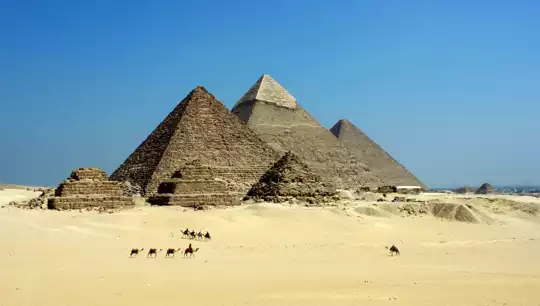
.jpg) Hi, I’m Johan (Netherlands 🇳🇱), the creator of TakeYourBackpack. Over the past 3 decades, I’ve backpacked through 90+ countries across six continents, gaining extensive experience with independent travel, long-term trips, and overland routes.
Hi, I’m Johan (Netherlands 🇳🇱), the creator of TakeYourBackpack. Over the past 3 decades, I’ve backpacked through 90+ countries across six continents, gaining extensive experience with independent travel, long-term trips, and overland routes.