v2.webp)
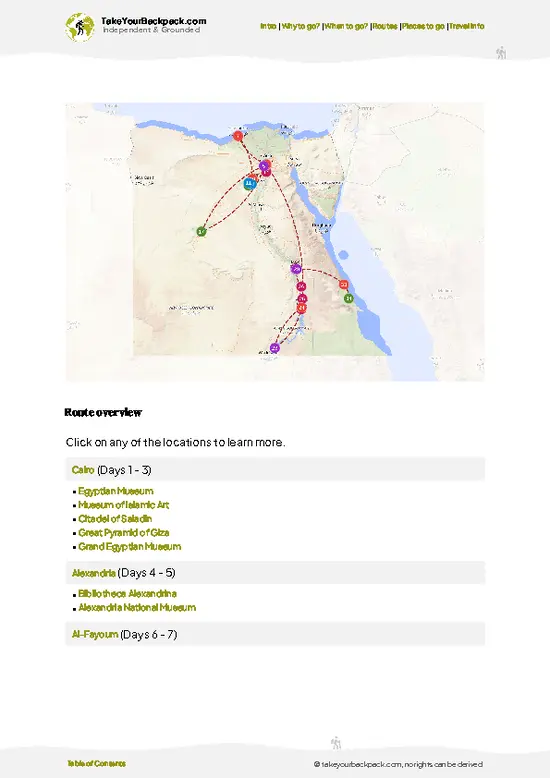
The Outdoor Sculpture Garden
Skip the air-conditioned galleries for a moment and step outside. The museum’s open-air sculpture park is a crash course in Nubian history, carved in granite and sandstone. You’ll find colossal pharaonic heads, battered lions, and the kind of ancient stelae that look like they’ve been sunbathing for centuries. This isn’t a sterile display—these relics were rescued from the rising waters of Lake Nasser, and you can feel the urgency in their placement. It’s a rare chance to see ancient monuments without the glass cases and velvet ropes. You can almost hear the Nile in the background.
The Full-Scale Replica of a Nubian House
Instagram will show you the museum’s sleek architecture, but it won’t tell you about the reconstructed Nubian house inside. This isn’t a token … read more 👉
Skip the air-conditioned galleries for a moment and step outside. The museum’s open-air sculpture park is a crash course in Nubian history, carved in granite and sandstone. You’ll find colossal pharaonic heads, battered lions, and the kind of ancient stelae that look like they’ve been sunbathing for centuries. This isn’t a sterile display—these relics were rescued from the rising waters of Lake Nasser, and you can feel the urgency in their placement. It’s a rare chance to see ancient monuments without the glass cases and velvet ropes. You can almost hear the Nile in the background.
The Full-Scale Replica of a Nubian House
Instagram will show you the museum’s sleek architecture, but it won’t tell you about the reconstructed Nubian house inside. This isn’t a token … read more 👉
The Outdoor Sculpture Garden
Skip the air-conditioned galleries for a moment and step outside. The museum’s open-air sculpture park is a crash course in Nubian history, carved in granite and sandstone. You’ll find colossal pharaonic heads, battered lions, and the kind of ancient stelae that look like they’ve been sunbathing for centuries. This isn’t a sterile display—these relics were rescued from the rising waters of Lake Nasser, and you can feel the urgency in their placement. It’s a rare chance to see ancient monuments without the glass cases and velvet ropes. You can almost hear the Nile in the background.
The Full-Scale Replica of a Nubian House
Instagram will show you the museum’s sleek architecture, but it won’t tell you about the reconstructed Nubian house inside. This isn’t a token display—it’s a walk-in, full-sensory experience. The mudbrick walls, the painted ceilings, the woven mats: it’s all here, and it’s all touchable. You’ll get a sense of how Nubians lived before the High Dam changed everything. It’s not just about nostalgia; it’s about survival, adaptation, and the stubborn beauty of everyday life.
The Rescue Archaeology Story
Here’s the real headline: the Nubian Museum is a monument to things that almost vanished. The displays about the UNESCO rescue mission—when dozens of temples and artifacts were physically moved to escape the flood—are gripping. You’ll see photos, maps, and even chunks of temples that were sawed apart and reassembled like ancient Lego. It’s a story of loss, yes, but also of international cooperation and the sheer audacity of saving a civilization with cranes and barges. No filter can capture that scale.
The Ancient Jewelry and Tools Collection
Forget the gold masks and pharaoh bling you’ll see elsewhere in Egypt. The Nubian Museum’s jewelry and tools are about ingenuity, not opulence. Bone combs, shell necklaces, copper knives—these are the artifacts of real people, not just royalty. The craftsmanship is raw and inventive, and you’ll walk away with a new respect for the artistry of survival. It’s a quiet kind of wow.
The Rock Art Gallery
If you want to see the oldest stories in Egypt, head for the rock art. The museum’s collection of prehistoric carvings—some over 6,000 years old—shows giraffes, hunters, and boats scratched into stone. These aren’t just doodles; they’re the original travel journals, proof that Nubia was a crossroads long before the pharaohs showed up. It’s humbling, and it’s a reminder that history didn’t start with pyramids.
The Temporary Exhibition Hall
This is where the museum gets unpredictable. The rotating exhibits are often the most lively, sometimes featuring contemporary Nubian artists, sometimes rare archaeological finds that aren’t part of the permanent collection. If you’re lucky, you’ll catch a show that connects ancient Nubia to the present day—music, photography, or even live storytelling. It’s the antidote to museum fatigue.
Skip the air-conditioned galleries for a moment and step outside. The museum’s open-air sculpture park is a crash course in Nubian history, carved in granite and sandstone. You’ll find colossal pharaonic heads, battered lions, and the kind of ancient stelae that look like they’ve been sunbathing for centuries. This isn’t a sterile display—these relics were rescued from the rising waters of Lake Nasser, and you can feel the urgency in their placement. It’s a rare chance to see ancient monuments without the glass cases and velvet ropes. You can almost hear the Nile in the background.
The Full-Scale Replica of a Nubian House
Instagram will show you the museum’s sleek architecture, but it won’t tell you about the reconstructed Nubian house inside. This isn’t a token display—it’s a walk-in, full-sensory experience. The mudbrick walls, the painted ceilings, the woven mats: it’s all here, and it’s all touchable. You’ll get a sense of how Nubians lived before the High Dam changed everything. It’s not just about nostalgia; it’s about survival, adaptation, and the stubborn beauty of everyday life.
The Rescue Archaeology Story
Here’s the real headline: the Nubian Museum is a monument to things that almost vanished. The displays about the UNESCO rescue mission—when dozens of temples and artifacts were physically moved to escape the flood—are gripping. You’ll see photos, maps, and even chunks of temples that were sawed apart and reassembled like ancient Lego. It’s a story of loss, yes, but also of international cooperation and the sheer audacity of saving a civilization with cranes and barges. No filter can capture that scale.
The Ancient Jewelry and Tools Collection
Forget the gold masks and pharaoh bling you’ll see elsewhere in Egypt. The Nubian Museum’s jewelry and tools are about ingenuity, not opulence. Bone combs, shell necklaces, copper knives—these are the artifacts of real people, not just royalty. The craftsmanship is raw and inventive, and you’ll walk away with a new respect for the artistry of survival. It’s a quiet kind of wow.
The Rock Art Gallery
If you want to see the oldest stories in Egypt, head for the rock art. The museum’s collection of prehistoric carvings—some over 6,000 years old—shows giraffes, hunters, and boats scratched into stone. These aren’t just doodles; they’re the original travel journals, proof that Nubia was a crossroads long before the pharaohs showed up. It’s humbling, and it’s a reminder that history didn’t start with pyramids.
The Temporary Exhibition Hall
This is where the museum gets unpredictable. The rotating exhibits are often the most lively, sometimes featuring contemporary Nubian artists, sometimes rare archaeological finds that aren’t part of the permanent collection. If you’re lucky, you’ll catch a show that connects ancient Nubia to the present day—music, photography, or even live storytelling. It’s the antidote to museum fatigue.
Spotted a mistake or missing something? Contact us.

Magical Aswan Escape Temples ,Culture and Sunset Sailing

Aswan private Nubian Museum & Nubian Village tour, friendly Egypt

Aswan Full day

Kalabsha Temple and Nubian Museum Tour

Kalabsha Temple and Nubian Museum Tour

Kalabsha Temple and the Nubian Museum Day Tour from Aswan

Private Tour: The Nubian Museum

Best Aswan Day Trip- Visit Kalabsha Temple & the Nubian Museum with Guide

Kalabsha Temple and Nubian Museum Day Tour from Aswan


 Best Backpacking
.jpg) Hi, I’m Johan (Netherlands 🇳🇱), the creator of TakeYourBackpack. Over the past 3 decades, I’ve backpacked through 90+ countries across six continents, gaining extensive experience with independent travel, long-term trips, and overland routes.
Hi, I’m Johan (Netherlands 🇳🇱), the creator of TakeYourBackpack. Over the past 3 decades, I’ve backpacked through 90+ countries across six continents, gaining extensive experience with independent travel, long-term trips, and overland routes.