v2.webp)


The Hypostyle Hall
Forget the postcard-perfect emptiness you see online. The Hypostyle Hall is usually packed with tour groups, but it’s still a jaw-dropper. Forty columns, each carved with hieroglyphs and scenes of ancient rituals, rise like a petrified forest. The scale is intimidating, the detail obsessive. If you want to feel the weight of 2,000 years of worship, stand here at sunrise, before the buses arrive. The light cuts through the dust and the carvings seem to move. This is not a quiet place, but it is a powerful one.
The Sanctuary of Horus
This is the heart of the temple, and it’s not just another dark room. The sanctuary is where the statue of Horus once stood, and the energy is different—claustrophobic, yes, but also electric. The granite shrine inside is original, not a reconstruction. … read more 👉
Forget the postcard-perfect emptiness you see online. The Hypostyle Hall is usually packed with tour groups, but it’s still a jaw-dropper. Forty columns, each carved with hieroglyphs and scenes of ancient rituals, rise like a petrified forest. The scale is intimidating, the detail obsessive. If you want to feel the weight of 2,000 years of worship, stand here at sunrise, before the buses arrive. The light cuts through the dust and the carvings seem to move. This is not a quiet place, but it is a powerful one.
The Sanctuary of Horus
This is the heart of the temple, and it’s not just another dark room. The sanctuary is where the statue of Horus once stood, and the energy is different—claustrophobic, yes, but also electric. The granite shrine inside is original, not a reconstruction. … read more 👉
The Hypostyle Hall
Forget the postcard-perfect emptiness you see online. The Hypostyle Hall is usually packed with tour groups, but it’s still a jaw-dropper. Forty columns, each carved with hieroglyphs and scenes of ancient rituals, rise like a petrified forest. The scale is intimidating, the detail obsessive. If you want to feel the weight of 2,000 years of worship, stand here at sunrise, before the buses arrive. The light cuts through the dust and the carvings seem to move. This is not a quiet place, but it is a powerful one.
The Sanctuary of Horus
This is the heart of the temple, and it’s not just another dark room. The sanctuary is where the statue of Horus once stood, and the energy is different—claustrophobic, yes, but also electric. The granite shrine inside is original, not a reconstruction. You’re standing where only priests and pharaohs were allowed. The air is thick, the silence heavy. If you want to feel the line between tourist and pilgrim blur, this is the spot.
The Reliefs of the Battle of Horus and Seth
Skip the generic wall art and hunt for the epic battle scenes between Horus and Seth. These aren’t just pretty pictures—they’re ancient comic strips, full of violence, drama, and symbolism. You’ll see Horus spearing Seth, crocodiles writhing, and priests performing rituals. The action is kinetic, the storytelling raw. If you want to see ancient propaganda at its most entertaining, this is your ticket.
The Mammisi (Birth House)
Most people breeze past the Birth House, but it’s one of the quirkiest corners of Edfu. This is where the divine birth of Horus was celebrated, and the reliefs are packed with mythological Easter eggs. Look for the goddess Hathor nursing Horus, and scenes of music and dance. The vibe is lighter, almost playful—a rare break from the temple’s usual solemnity. If you’re tired of endless columns, this is your palate cleanser.
The Nilometer
This is not a glamorous Instagram spot, but it’s a nerd’s delight. The Nilometer is a deep, stone-lined well used to measure the Nile’s flood levels. It’s a reminder that this temple wasn’t just about gods and rituals—it was a working institution, obsessed with water, agriculture, and survival. If you want a glimpse into the practical genius of ancient Egypt, peer down this shaft and imagine priests anxiously watching the water rise.
The Rooftop View (if accessible)
If the guards let you up (and sometimes they do, for a tip), the rooftop is a revelation. You get a hawk’s-eye view of the temple layout, the Nile, and the sprawl of modern Edfu. It’s dusty, windy, and utterly unfiltered. This is the anti-Instagram angle: no crowds, no filters, just the bones of history laid bare. If you want to feel like an explorer, not a tourist, this is where you go.
Forget the postcard-perfect emptiness you see online. The Hypostyle Hall is usually packed with tour groups, but it’s still a jaw-dropper. Forty columns, each carved with hieroglyphs and scenes of ancient rituals, rise like a petrified forest. The scale is intimidating, the detail obsessive. If you want to feel the weight of 2,000 years of worship, stand here at sunrise, before the buses arrive. The light cuts through the dust and the carvings seem to move. This is not a quiet place, but it is a powerful one.
The Sanctuary of Horus
This is the heart of the temple, and it’s not just another dark room. The sanctuary is where the statue of Horus once stood, and the energy is different—claustrophobic, yes, but also electric. The granite shrine inside is original, not a reconstruction. You’re standing where only priests and pharaohs were allowed. The air is thick, the silence heavy. If you want to feel the line between tourist and pilgrim blur, this is the spot.
The Reliefs of the Battle of Horus and Seth
Skip the generic wall art and hunt for the epic battle scenes between Horus and Seth. These aren’t just pretty pictures—they’re ancient comic strips, full of violence, drama, and symbolism. You’ll see Horus spearing Seth, crocodiles writhing, and priests performing rituals. The action is kinetic, the storytelling raw. If you want to see ancient propaganda at its most entertaining, this is your ticket.
The Mammisi (Birth House)
Most people breeze past the Birth House, but it’s one of the quirkiest corners of Edfu. This is where the divine birth of Horus was celebrated, and the reliefs are packed with mythological Easter eggs. Look for the goddess Hathor nursing Horus, and scenes of music and dance. The vibe is lighter, almost playful—a rare break from the temple’s usual solemnity. If you’re tired of endless columns, this is your palate cleanser.
The Nilometer
This is not a glamorous Instagram spot, but it’s a nerd’s delight. The Nilometer is a deep, stone-lined well used to measure the Nile’s flood levels. It’s a reminder that this temple wasn’t just about gods and rituals—it was a working institution, obsessed with water, agriculture, and survival. If you want a glimpse into the practical genius of ancient Egypt, peer down this shaft and imagine priests anxiously watching the water rise.
The Rooftop View (if accessible)
If the guards let you up (and sometimes they do, for a tip), the rooftop is a revelation. You get a hawk’s-eye view of the temple layout, the Nile, and the sprawl of modern Edfu. It’s dusty, windy, and utterly unfiltered. This is the anti-Instagram angle: no crowds, no filters, just the bones of history laid bare. If you want to feel like an explorer, not a tourist, this is where you go.
Spotted a mistake or missing something? Contact us.

Guided Trip To the West Bank In Luxor

Custom day tour the East Bank in Luxor

7-Days Tour Cairo and Nile Cruise with Domestic Flights

2 Hours Felucca Ride on the Nile River from Aswan

Private Luxor Day Tour visit Dendara and Abydos temples

Private Day Tour visit Edfu Kom Ombo temples from Luxor

Private Short Felucca Boat Trips In Luxor

Edfu & Kom Ombo Temples Tour from Luxor
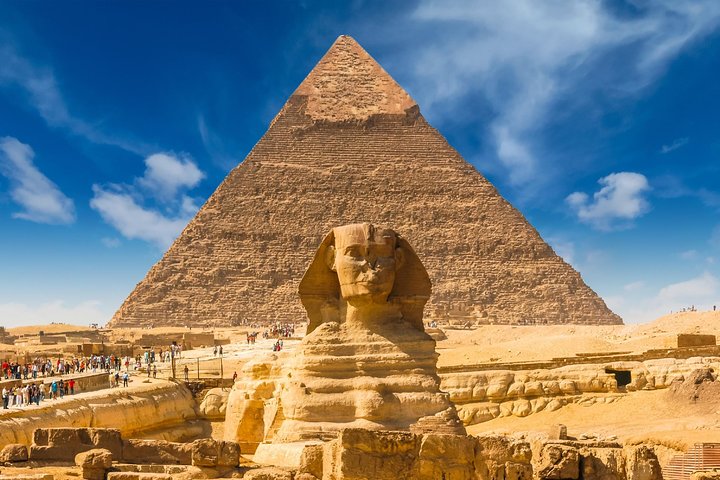
Private Day Trip to Cairo from Luxor by Train


 Best Backpacking
.jpg) Hi, I’m Johan (Netherlands 🇳🇱), the creator of TakeYourBackpack. Over the past 3 decades, I’ve backpacked through 90+ countries across six continents, gaining extensive experience with independent travel, long-term trips, and overland routes.
Hi, I’m Johan (Netherlands 🇳🇱), the creator of TakeYourBackpack. Over the past 3 decades, I’ve backpacked through 90+ countries across six continents, gaining extensive experience with independent travel, long-term trips, and overland routes.