×

El Salvador🇸🇻 | national parksEl Imposible National Parkdense forest, steep ravines, rare wildlife | things to do and best time to go

Explore San Miguel volcanoExplore Montecristo National Park

Backpacking in El Imposible
🏆 Top picknational park ranked #1
By Johan Kruseman 🇳🇱 | Updated September 23, 2026

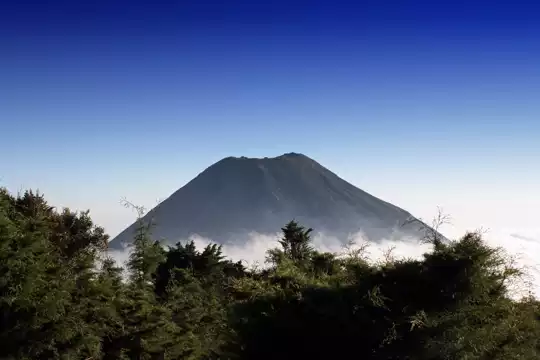
Your boots slide on warm dust as the trail tips downward, cicadas drilling the air, the smell of wet leaves rising from a shaded ravine that feels two degrees cooler than the rest of western El Salvador. This is El Imposible National Park, in the coastal mountain range between Sonsonate and Ahuachapán, and it’s where backpackers go when they want real trails instead of a quick roadside viewpoint. The hiking is serious but not technical: long descents to rivers, hot climbs back out, big forest views instead of volcano craters. Wildlife is more about rustles and bird calls than guaranteed sightings, and the forest can feel dense and closed-in. Access is slightly awkward without your own wheels, and entrance fees are modest but higher than some expect. Camping and basic lodges exist but are limited. Compared with Cerro Verde or Los Volcanes, El Imposible is wilder, quieter, and less Instagram-friendly—but more rewarding if you actually like walking.

Discover everything you want to know in the 📖 El Salvador Travel Guide.


Loading the map 🌍
CLICK TO FILTER
cities
towns
landmarks
national parks
hikes
beaches
attractions
festivals
regions
SHOW COUNTRY’S BESTSHOW ALL

✨ Why go?
Ranked #1 national park in El Salvador
What sets this place apart

El Imposible National Park draws backpackers for several compelling reasons. First, independent exploration is a major draw. The park’s trails are well-marked, allowing you to wander at your own pace without the constraints of a tour group. This freedom lets you soak in the sights and sounds of the diverse ecosystems, from lush forests to rushing rivers.

Budget-conscious travelers appreciate the camping and hostel options nearby. You can pitch a tent under the stars or find a cozy bed in a local hostel, keeping your costs low while still enjoying the park’s beauty. This flexibility means you can allocate more of your budget to experiences that matter, like local food or guided hikes.

The trail variety is another highlight. Whether you’re seeking a leisurely stroll or a challenging ascent, … read more 👉
El Imposible National Park draws backpackers for several compelling reasons. First, independent exploration is a major draw. The park’s trails are well-marked, allowing you to wander at your own pace without the constraints of a tour group. This freedom lets you soak in the sights and sounds of the diverse ecosystems, from lush forests to rushing rivers.

Budget-conscious travelers appreciate the camping and hostel options nearby. You can pitch a tent under the stars or find a cozy bed in a local hostel, keeping your costs low while still enjoying the park’s beauty. This flexibility means you can allocate more of your budget to experiences that matter, like local food or guided hikes.

The trail variety is another highlight. Whether you’re seeking a leisurely stroll or a challenging ascent, there’s something for everyone. The park caters to both novice and seasoned hikers, making it accessible for all skill levels.

For those who prefer to go solo, El Imposible is ideal for self-guided travelers. The trails are designed for independent adventurers, allowing you to connect with nature on your own terms. Just remember to carry enough water and snacks; the park’s remote areas can be unforgiving if you’re unprepared.

💡 HighlightsPlaces and moments you shouldn't skip

  • Main Mirador (viewpoint) — A compact climb that pays off: sweeping panoramas into the park’s deep valleys and ridgelines. On a clear morning you can see layers of forest and, if you time it right, a neat cloud-inversion rolling through the canyon.
  • Steep gorge and cliffs — The park’s signature: dramatic, almost fortress-like ravines carved by rivers. The vertical rock faces and narrow chutes make for dramatic photos and a real sense of wild, untamed terrain.
  • Primary/old-growth forest pockets — Patches of mature forest with big trees, orchids and dense understory that feel cooler and quieter than the surrounding lowlands. These are the areas that hold most of the park’s special plants and insects.
  • Rivers, waterfalls and natural pools — Small cascades and clear pools tucked into the valleys—the
… read more 👉
  • Main Mirador (viewpoint) — A compact climb that pays off: sweeping panoramas into the park’s deep valleys and ridgelines. On a clear morning you can see layers of forest and, if you time it right, a neat cloud-inversion rolling through the canyon.
  • Steep gorge and cliffs — The park’s signature: dramatic, almost fortress-like ravines carved by rivers. The vertical rock faces and narrow chutes make for dramatic photos and a real sense of wild, untamed terrain.
  • Primary/old-growth forest pockets — Patches of mature forest with big trees, orchids and dense understory that feel cooler and quieter than the surrounding lowlands. These are the areas that hold most of the park’s special plants and insects.
  • Rivers, waterfalls and natural pools — Small cascades and clear pools tucked into the valleys—the kind of spots locals use to cool off. Not huge touristy falls, but beautiful and refreshing after a sweaty hike.
  • Birdwatching and forest wildlife — Expect a lively mix of forest birds (hummingbirds, tanagers and raptors among them) plus small mammals and amphibians. Early morning along the trails is best for spotting and listening.
  • Ridge and loop hiking trails — A network of trails that range from easy walks to tougher ridge climbs; they thread viewpoints, river crossings and forest sections. Trails can be steep and muddy after rain, so plan for decent shoes and a couple of hours.
  • Sunset and coastal vistas — From higher overlooks you can catch the sun dropping toward the Pacific plain; the light on the ridges is spectacular and makes for great silhouette shots if the day cooperates.
Spotted a mistake or missing something? Contact us.
🌤️ When to go?When to go for the best experience

  • Weather: The dry season from November to April is your best bet. Rainfall drops sharply, making trails less slippery and river crossings safer. The wet season, May to October, brings heavy rains that can turn paths into mud pits and sometimes cause temporary closures.
  • Temperature: Daytime highs hover around 28-32°C (82-90°F) year-round, but mornings and evenings cool down to 18-22°C (64-72°F). The dry season feels more comfortable for hiking, while the wet season’s humidity can sap your energy fast.
  • Daylight Hours: Roughly 11 to 12 hours of daylight throughout the year. The dry season offers clearer skies, so you get more reliable light for early starts and late finishes without worrying about sudden storms.
  • Crowds: Peak visitor numbers coincide with the dry season, especially around
… read more 👉
  • Weather: The dry season from November to April is your best bet. Rainfall drops sharply, making trails less slippery and river crossings safer. The wet season, May to October, brings heavy rains that can turn paths into mud pits and sometimes cause temporary closures.
  • Temperature: Daytime highs hover around 28-32°C (82-90°F) year-round, but mornings and evenings cool down to 18-22°C (64-72°F). The dry season feels more comfortable for hiking, while the wet season’s humidity can sap your energy fast.
  • Daylight Hours: Roughly 11 to 12 hours of daylight throughout the year. The dry season offers clearer skies, so you get more reliable light for early starts and late finishes without worrying about sudden storms.
  • Crowds: Peak visitor numbers coincide with the dry season, especially around holidays like Christmas and Easter. If you want solitude, aim for the shoulder months of November or April, when the park is quieter but still accessible.
  • Seasonal Activities: Birdwatching peaks in the dry season when migratory species arrive. The wet season is better for waterfall visits, but be cautious of slippery rocks and flash floods.
  • Price Fluctuations: Accommodation and guided tours tend to be pricier during the dry season’s peak months. Booking ahead can save you from last-minute markups. The wet season often offers discounts but comes with the trade-off of unpredictable weather.
Pro-tip: Plan your trip for the early dry season—November to early December—when the park is accessible, prices are reasonable, and the crowds haven’t yet arrived.


source: climatestotravel.comJANJanuary: excellent for travelingFEBFebruary: excellent for travelingMARMarch: excellent for travelingAPRApril: highly recommended for travelingMAYMay: fair for travelingJUNJune: fair for travelingJULJuly: fair for travelingAUGAugust: fair for travelingSEPSeptember: fair for travelingOCTOctober: fair for travelingNOVNovember: highly recommended for travelingDECDecember: highly recommended for traveling

✈️ The backpacker research shortcutEl Salvador Travel Guide

An offline-friendly backpacking guide with optimized travel routes, ranked highlights, transport advice, and the best areas to stay.
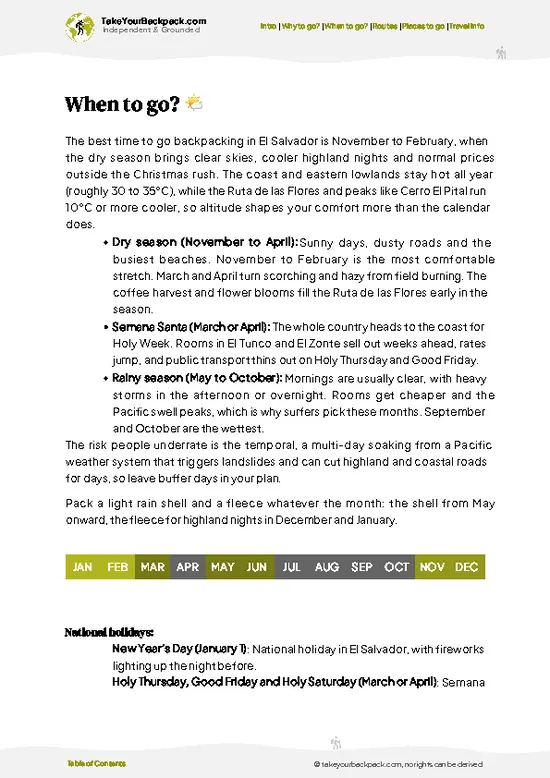
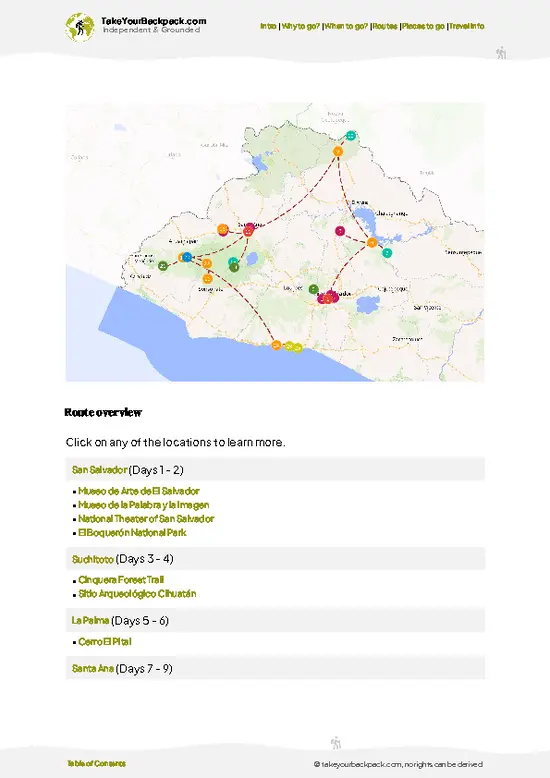
example page 0 from our offline Travel Guide for El Salvador
example page 1 from our offline Travel Guide for El Salvador
example page 2 from our offline Travel Guide for El Salvador
example page 3 from our offline Travel Guide for El Salvador
example page 4 from our offline Travel Guide for El Salvador
example page 5 from our offline Travel Guide for El Salvador
example page 6 from our offline Travel Guide for El Salvador
example page 7 from our offline Travel Guide for El Salvador
The digital guide (294 pages) contains:
✅ 77 highlights, ranked by travel appeal
✅ Optimized 5, 10 & 15-day travel routes
✅ Cities, national parks, landmarks, beaches
✅ How to get around
✅ Offline-friendly for travel without Wi-Fi
👉 Click to see all 30+ guide features

📅 Plan smarter in minutes, not weeks
✅ Month by month travel advice
✅ Festivals & national holidays
✅ Budget expectations

🗺️ Go to the right places, skip the overrated ones
✅ Honest pros & cons of destinations
✅ Top hikes, parks & viewpoints
✅ Lesser-known places most travelers miss
✅ Clear “worth it vs skip it” guidance

🛏️ Travel smoothly without rookie mistakes
✅ Best areas to stay
✅ Transport systems explained simply
✅ Common scams & safety advice
✅ SIM cards, money & practical tips

🌍 Understand the country, not just visit it
✅ Culture & traditions
✅ 52 Essential phrases & customs
✅ Festivals worth planning around
✅ Traveler-friendly historical context
✅ Insights that make places more meaningful

📱 Built for real travel conditions
✅ Fully downloadable PDF
✅ Works completely offline
✅ Optimized for phone use
✅ Useful in remote areas & buses
✅ Everything in one place
Save weeks of stressful planning
Get instant access to your full guide. 30‑day money-back guarantee.
+ Add another guide for just

By proceeding you agree to our terms.
Sent to your inbox immediately after payment • 100% Secure Checkout
Best Backpacking Travel Advisor 2025 tourism awardBest Backpacking
Travel Advisor
2025
What others say about Take Your Backpack Guides:
⭐⭐⭐⭐⭐
Fantastic, amazing amount of information!
⭐⭐⭐⭐⭐
My goodness this is amazing, it's what I've been looking for hats off too you!
⭐⭐⭐⭐⭐
I think this is absolutely BRILLIANT
⭐⭐⭐⭐
Very complete and informative. It's still missing places, but I gotta to commend you
⭐⭐⭐⭐⭐
This is truly amazing, thank you, can't wait to explore it with my kids!
⭐⭐⭐⭐⭐
Awesome resource, thank you!
⭐⭐⭐⭐⭐
This is amazing! Can't wait to explore the ones I haven't seen
⭐⭐⭐⭐
I love this! Well done, great idea.
⭐⭐⭐⭐⭐
Thanks for taking the time to make this gem!
⭐⭐⭐⭐⭐
This might be the best website I've ever seen.
⭐⭐⭐⭐⭐
Congratulations, and thank you so much for your work; it's incredibly valuable.
⭐⭐⭐⭐
In all seriousness I think you did a great job pointing out the important spots
⭐⭐⭐⭐⭐
10/10 very good
⭐⭐⭐⭐⭐
As someone who's only just starting to visit regularly this is awesome, thank you.
⭐⭐⭐⭐
Thank you very much! I'm going to visit my dad, it's going to be very useful!
⭐⭐⭐⭐⭐
This is really cool! We'll be travelling for the first time and this definitely come in handy.
⭐⭐⭐⭐⭐
You are now our minister of culture, congratulations 👨‍💼
⭐⭐⭐⭐⭐
Just wanted to tell you that this is a pearl! Going to follow your recommendations.
⭐⭐⭐⭐⭐
This is so cool. I'll definitely be using the resource for my travels soon.
⭐⭐⭐⭐⭐
This is very impressive! Good work.
⭐⭐⭐⭐⭐
This is an amazing and informative site. Very well done!

🛏️ Where to stay?Best areas and accommodation options

El Imposible National Park is a treasure for backpackers, but finding the right place to stay can make or break your experience. Inside the park, options are limited. There’s a basic campsite at the park entrance, which is a solid choice if you want to immerse yourself in nature. Bring your own gear and be prepared for a rustic experience—think campfire stories under the stars.

For more comfort, consider nearby towns like Ahuachapan or San Salvador. Ahuachapan is about a 30-minute drive from the park and offers a few budget-friendly hostels and guesthouses. Look for places like Hotel La Casa … read more 👉
El Imposible National Park is a treasure for backpackers, but finding the right place to stay can make or break your experience. Inside the park, options are limited. There’s a basic campsite at the park entrance, which is a solid choice if you want to immerse yourself in nature. Bring your own gear and be prepared for a rustic experience—think campfire stories under the stars.

For more comfort, consider nearby towns like Ahuachapan or San Salvador. Ahuachapan is about a 30-minute drive from the park and offers a few budget-friendly hostels and guesthouses. Look for places like Hotel La Casa de Mamapan, which provides a cozy atmosphere and local charm.

San Salvador, roughly two hours away, has a wider range of accommodations, from hostels to budget hotels. It’s a good base if you want to explore the city before or after your park adventure.

Keep in mind that transportation can be tricky. Public buses are cheap but can be slow. Renting a car gives you flexibility, especially for early morning hikes.

Plan your stay wisely to maximize your energy and budget for the breathtaking trails and wildlife that await you in El Imposible.

👛 Costs (as of 23 September 2026)Money, prices, and spending tips

Visiting El Imposible National Park in El Salvador is an adventure worth planning for, but it’s essential to be aware of the costs involved to avoid surprises.

Entry fees to the park typically range from $3 to $5 USD per person. This fee grants you access to the trails and the stunning landscapes. If you’re planning to hike with a guide, which is highly recommended for safety and to enhance your experience, expect to pay an additional $20 to $40 USD for a half-day tour. Guides can provide insights into the flora and fauna that you might miss on your own.

Transportation costs can vary. If you’re coming from nearby towns like Ahuachapan or San Salvador, a bus ride will set you back about $1 to $3 USD. However, if you prefer a private shuttle or taxi, budget around $30 to $50 USD depending … read more 👉
Visiting El Imposible National Park in El Salvador is an adventure worth planning for, but it’s essential to be aware of the costs involved to avoid surprises.

Entry fees to the park typically range from $3 to $5 USD per person. This fee grants you access to the trails and the stunning landscapes. If you’re planning to hike with a guide, which is highly recommended for safety and to enhance your experience, expect to pay an additional $20 to $40 USD for a half-day tour. Guides can provide insights into the flora and fauna that you might miss on your own.

Transportation costs can vary. If you’re coming from nearby towns like Ahuachapan or San Salvador, a bus ride will set you back about $1 to $3 USD. However, if you prefer a private shuttle or taxi, budget around $30 to $50 USD depending on your starting point.

Food options near the park are limited, so consider packing snacks or a lunch. If you do eat out, expect to pay around $5 to $10 USD for a meal at a local eatery.

Lastly, if you plan to stay overnight, accommodations range from basic hostels at about $10 USD per night to more comfortable lodges that can cost $50 USD or more.

Being aware of these costs will help you allocate your budget wisely, ensuring you have enough for the experiences that truly matter.


source: elsalvador.travel
⚠️ Prices can change and everyone travels differently, so take this as a rough guide. Hope it helps you plan your adventure!

🥾 TrailsHiking El Imposible national park: highlights and difficulty

El Imposible National Park is a hidden gem for hikers, offering a mix of lush landscapes, rugged terrain, and a chance to spot some unique wildlife. You’ll find everything from steep ridges to gentle slopes, all wrapped in vibrant greenery. The park is home to diverse flora and fauna, so keep your eyes peeled for colorful birds and maybe even a howler monkey or two.

One of the standout trails is El Imposible Trail, which is a must-do for any serious hiker. Here’s what you need to know:
  • Length: 8 km
  • Estimated Duration: 4-5 hours
  • Difficulty Level: Moderate
  • Key Features: Stunning views of the surrounding
… read more 👉
El Imposible National Park is a hidden gem for hikers, offering a mix of lush landscapes, rugged terrain, and a chance to spot some unique wildlife. You’ll find everything from steep ridges to gentle slopes, all wrapped in vibrant greenery. The park is home to diverse flora and fauna, so keep your eyes peeled for colorful birds and maybe even a howler monkey or two.

One of the standout trails is El Imposible Trail, which is a must-do for any serious hiker. Here’s what you need to know:
  • Length: 8 km
  • Estimated Duration: 4-5 hours
  • Difficulty Level: Moderate
  • Key Features: Stunning views of the surrounding mountains, diverse ecosystems, and a chance to see waterfalls.
  • Terrain: Varied, with both steep sections and more gradual paths, often rocky and uneven.

Getting to the park is pretty straightforward. You can catch a bus from major cities like San Salvador to the nearby town of Ahuachapan, and from there, it’s a short taxi ride to the park entrance. It’s not usually overrun with tourists, so you can enjoy the peace of nature without feeling like you’re in a crowd. Just remember there’s a small entrance fee, which helps keep the park maintained. Overall, it’s a fantastic spot for budget travelers looking for adventure without breaking the bank.
⚠️ Hiking info can sometimes be outdated or inaccurate. Before you hit the trail, check the latest conditions with locals. If you do spot anything that's off, I'd love to hear from you, so I can update it for fellow travelers.

🛡️ SafetyStaying Safe: What Travelers Should Know

El Imposible National Park offers a rewarding experience, but it’s wise to prepare for its realities. The weather can shift quickly, especially during the rainy season from May to October. Expect sudden downpours that can make trails slippery. Dress in layers and carry a lightweight rain jacket.

The terrain is rugged, with steep ascents and descents. Good footwear is essential; sturdy hiking boots with good grip will save you from slips. Navigation can be tricky in dense areas, so a reliable map or GPS device is a must.

Wildlife encounters are part of the charm, but respect their space. If you spot a snake or a large animal, back away slowly. Most wildlife is more afraid of you than you are of them.

Finally, don’t underestimate the importance of pacing yourself. The trails can be demanding, … read more 👉
El Imposible National Park offers a rewarding experience, but it’s wise to prepare for its realities. The weather can shift quickly, especially during the rainy season from May to October. Expect sudden downpours that can make trails slippery. Dress in layers and carry a lightweight rain jacket.

The terrain is rugged, with steep ascents and descents. Good footwear is essential; sturdy hiking boots with good grip will save you from slips. Navigation can be tricky in dense areas, so a reliable map or GPS device is a must.

Wildlife encounters are part of the charm, but respect their space. If you spot a snake or a large animal, back away slowly. Most wildlife is more afraid of you than you are of them.

Finally, don’t underestimate the importance of pacing yourself. The trails can be demanding, so take breaks and hydrate often. This approach not only preserves your energy but also enhances your enjoyment of the park’s natural beauty.

FAQCommon questions from travelers

2 days are sufficient to explore El Imposible National Park thoroughly. This allows time for hiking its main trails and enjoying the diverse wildlife and scenic views. Most visitors spend one full day hiking and another for travel and relaxation.
Yes, you can visit El Imposible National Park without a car. Public transportation options include buses from nearby towns like Ahuachapán, followed by a short taxi ride to the park entrance. Organized tours from San Salvador also provide transport directly to the park.
Yes, there is an entrance fee to El Imposible National Park. The fee is approximately $5 USD per person, payable at the park entrance. No special permits are required for day visits, but guided tours may have additional costs.
⚠️ Things can change over time, so always validate details locally before you go.

Other Salvadoran national parks near El Imposible

Explore more nearby:


💡 Not sure where to go next?
Create a personalized itinerary for El Salvador including El Imposible and the places that fit your trip.

Generate my itinerary

👉 Discover all national parks

Or checkout all El Salvador has to offer (think cities, towns, villages, national parks, hikes, beaches, festivals)
Country photo of El Salvador

We 💚 feedbackFinal thoughts on exploring El Imposible

El Imposible National Park has a raw, untamed vibe that feels like stepping into a living postcard. The best surprise? The sheer variety of trails—each one reveals a new perspective on the lush landscape. But here’s the catch: the humidity can be relentless, so pack extra water and take it slow. Don’t rush; let the park’s rhythm guide you. This place is about savoring the moment, not racing through it. Trust me, those quiet pauses are where the real magic happens.

✍️ Help improve this page!
The information on this page is based on in-depth research, insights shared by experienced travelers, and feedback from the local travel community in El Salvador. While every effort is made to keep the information accurate and current, conditions can change — so if you spot anything incorrect or outdated, please get in touch.


🙋‍♂️ Give feedback

👋 Meet the founderWho’s Behind Take Your Backpack?

Johan, backpacker and founder of TakeYourBackpackHi, I’m Johan (Netherlands 🇳🇱), the creator of TakeYourBackpack. Over the past 3 decades, I’ve backpacked through 90+ countries across six continents, gaining extensive experience with independent travel, long-term trips, and overland routes.

This site is built on a combination of firsthand travel experience and carefully curated insights from other backpackers. Many guides are based on places I’ve personally visited, while others bring together tips, observations, and practical advice shared by trusted travelers I’ve met along the way.

The goal is to provide realistic, experience-driven guidance — not generic itineraries — so you can explore destinations with better context, clearer expectations, and more confidence.