v2.webp)
- Parque Central (Plaza Central) — The social heartbeat: benches, the bandstand/kiosk, vendors at dusk and the place locals gather for gossip, fútbol scores, and the occasional festival. Great for people-watching and getting a feel for daily life.
- Main Parish Church (Parroquia de Jiquilisco) — Town’s principal church where you can see local religious devotion, seasonal processions, and simple colonial-era architecture—worth a photo and a minute to listen to the bell rhythms that mark the day.
- Mercado Municipal — A compact, noisy market selling produce, spices, and cheap household goods. The best place to try pupusas, buy fresh tropical fruit, and watch the town move at full speed.
- Alcaldía Municipal (Town Hall) — More than an administrative building: it’s where local life is organized,
- Parque Central (Plaza Central) — The social heartbeat: benches, the bandstand/kiosk, vendors at dusk and the place locals gather for gossip, fútbol scores, and the occasional festival. Great for people-watching and getting a feel for daily life.
- Main Parish Church (Parroquia de Jiquilisco) — Town’s principal church where you can see local religious devotion, seasonal processions, and simple colonial-era architecture—worth a photo and a minute to listen to the bell rhythms that mark the day.
- Mercado Municipal — A compact, noisy market selling produce, spices, and cheap household goods. The best place to try pupusas, buy fresh tropical fruit, and watch the town move at full speed.
- Alcaldía Municipal (Town Hall) — More than an administrative building: it’s where local life is organized, civic murals sometimes appear, and you can pick up local maps or ask about events and markets—handy for practical travel info.
- Casa de la Cultura / Biblioteca Municipal — Small community cultural center where local workshops, school performances, and rotating displays happen; a good spot to catch community art and meet teachers or artisans.
- Estadio Municipal / Polideportivo — Come on a match day: local teams, loud supporters, and street food stalls create a fun, authentic slice of Salvadoran sport culture. Even non-fans enjoy the energy.
- Cementerio Municipal — Salvadoran cemeteries are full of local history and colorful grave decorations; visiting here gives insight into family ties, memorial customs, and the way the town honors the past (especially around Día de los Difuntos).
- Weekly Feria / Tianguis — If your visit lines up with market day, this temporary fair spills into the streets with clothing stalls, livestock traders, mobile food stands and bargain hunting—an excellent way to experience the town’s wider rural catchment.
- Local Pupuserías and Comedores — Not a single address but a cluster of family-run eateries around the market and plaza where you can taste genuinely local pupusas, soups, and coffee for very little; talkative cooks are often the best unofficial guides.
- Artisan Workshops and Street Stalls — Scattered near the market and plazas: small carpentry, weaving, and leather stalls where you can watch craft being made, haggle for a simple souvenir, and support local makers directly.
Spotted a mistake or missing something? Contact us.

Shared Arrival Transfer | El Salvador International Airport to San Salvador
✓ Free cancellation

Arrival Transfer El Salvador Int. Airport to San Salvador Hotels
✓ Free cancellation

Private Arrival Transfer - El Salvador International Airport to San Salvador
✓ Free cancellation

Transportation to HOTEL REAL INTERCONTINENTAL SAN SALVADOR
✓ Free cancellation

San Salvador Layover City Sightseeing Tour
✓ Free cancellation

TRANSFER for GROUPS or FAMILIES from Airport
✓ Free cancellation

AIRBNB SAN SALVADOR - The AIRPORT to San Salvador
✓ Free cancellation
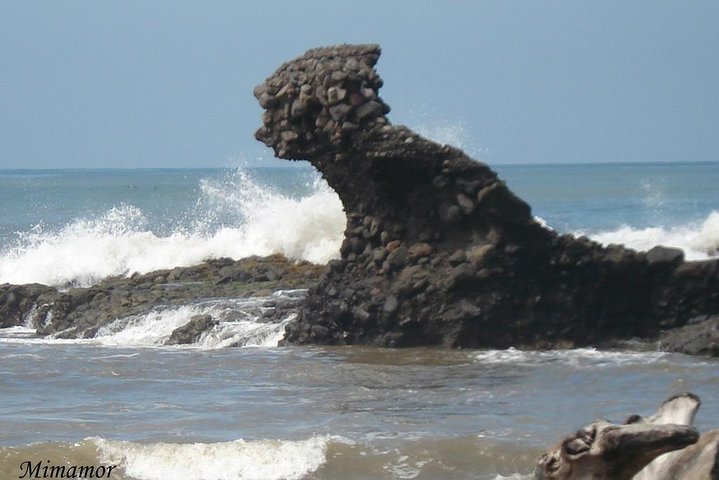
AIRPORT - PLAYA SUNZAL, EL ZONTE, EL TUNCO, ATAMI AND PALMARCITO
✓ Free cancellation

El Salvador Airport to Decameron Salinitas or vice versa
✓ Free cancellation

Luxury Airport Transfer to San Salvador City
✓ Free cancellation

 Best Backpacking
.jpg) Hi, I’m Johan (Netherlands 🇳🇱), the creator of TakeYourBackpack. Over the past decade, I’ve backpacked through 80+ countries across six continents, gaining extensive experience with independent travel, long-term trips, and overland routes.
Hi, I’m Johan (Netherlands 🇳🇱), the creator of TakeYourBackpack. Over the past decade, I’ve backpacked through 80+ countries across six continents, gaining extensive experience with independent travel, long-term trips, and overland routes.