×

Equatorial Guinea🇬🇶 | regionsIsla de Coriscowhite sand bays, tidal flats, mangrove forests | things to do and best time to go

Explore Isla de BiokoExplore Annobón

Backpacking in Isla de Corisco
👌 Worth visitingregion ranked #3
By Johan Kruseman 🇳🇱 | Updated September 3, 2026

Here’s the classic Isla de Corisco dilemma: do you splurge on a private pirogue to chase the sunrise over empty beaches, or do you pinch pennies and wait for the once-a-day cargo boat, risking a night on the mainland if the weather turns? This is the kind of trade-off that defines travel here. Isla de Corisco floats just off Equatorial Guinea’s Atlantic coast, closer to Gabon than the capital, and it’s a place that makes you work for your rewards. The island is a wild card—raw, sun-bleached, and blissfully free of crowds. You get endless sandbars, mangrove forests, and the kind of silence that makes you forget what year it is. But don’t expect a backpacker free-for-all: there’s little infrastructure, transport is unpredictable, and you’ll pay more for basics than you would in mainland towns like Bata or even Bioko. Still, if you want authenticity—real, unpolished, no-wifi, no-resort authenticity—Corisco delivers in spades.

Discover everything you want to know in the 📖 Equatorial Guinea Travel Guide.
Loading the map 🌍
CLICK TO FILTER
cities
towns
villages
landmarks
national parks
hikes
beaches
attractions
festivals
regions
SHOW COUNTRY’S BESTSHOW ALL

✨ Why go?
Ranked #3 region in Equatorial Guinea
The unique appeal for travelers

Isla de Corisco is a backpacker’s playground in Equatorial Guinea, and here’s why savvy travelers flock to this spot. First off, the variety of landscapes is jaw-dropping. You can wander through lush rainforests, chill on pristine beaches, and explore rocky coastlines—all without the hassle of constant relocation.

Transport is surprisingly flexible here. Local boats and shared taxis make it easy to hop between experiences, so you can spend less time stressing about logistics and more time soaking in the sights.

What’s really special is the chance to mix nature and culture seamlessly. You can hike to hidden waterfalls in the morning, then dive into local markets in the afternoon. This kind of slow travel lets you connect with the island’s vibe, savoring every moment instead of racing from … read more 👉
Isla de Corisco is a backpacker’s playground in Equatorial Guinea, and here’s why savvy travelers flock to this spot. First off, the variety of landscapes is jaw-dropping. You can wander through lush rainforests, chill on pristine beaches, and explore rocky coastlines—all without the hassle of constant relocation.

Transport is surprisingly flexible here. Local boats and shared taxis make it easy to hop between experiences, so you can spend less time stressing about logistics and more time soaking in the sights.

What’s really special is the chance to mix nature and culture seamlessly. You can hike to hidden waterfalls in the morning, then dive into local markets in the afternoon. This kind of slow travel lets you connect with the island’s vibe, savoring every moment instead of racing from one tourist trap to another.

The beauty of Isla de Corisco is that it offers high-value experiences without the usual touristy chaos. You’ll leave feeling like you’ve truly uncovered a slice of paradise, not just checked off another destination.
Want to include Isla de Corisco in your Equatorial Guinea route?
Create a personalized Equatorial Guinea itinerary that includes Isla de Corisco and the places that fit your trip — based on your travel style, budget, and available time. Get your route in seconds.

Generate my trip

💡 HighlightsThe experiences that define the visit

  1. Corisco village waterfront and market — The real heart of the island: a tight cluster of wooden houses, boats pulled up on the sand and a compact market where fishermen bring in the day’s catch. It’s the best place to watch local life, barter for fresh fish, and hop in a pirogue for short trips around the bay.
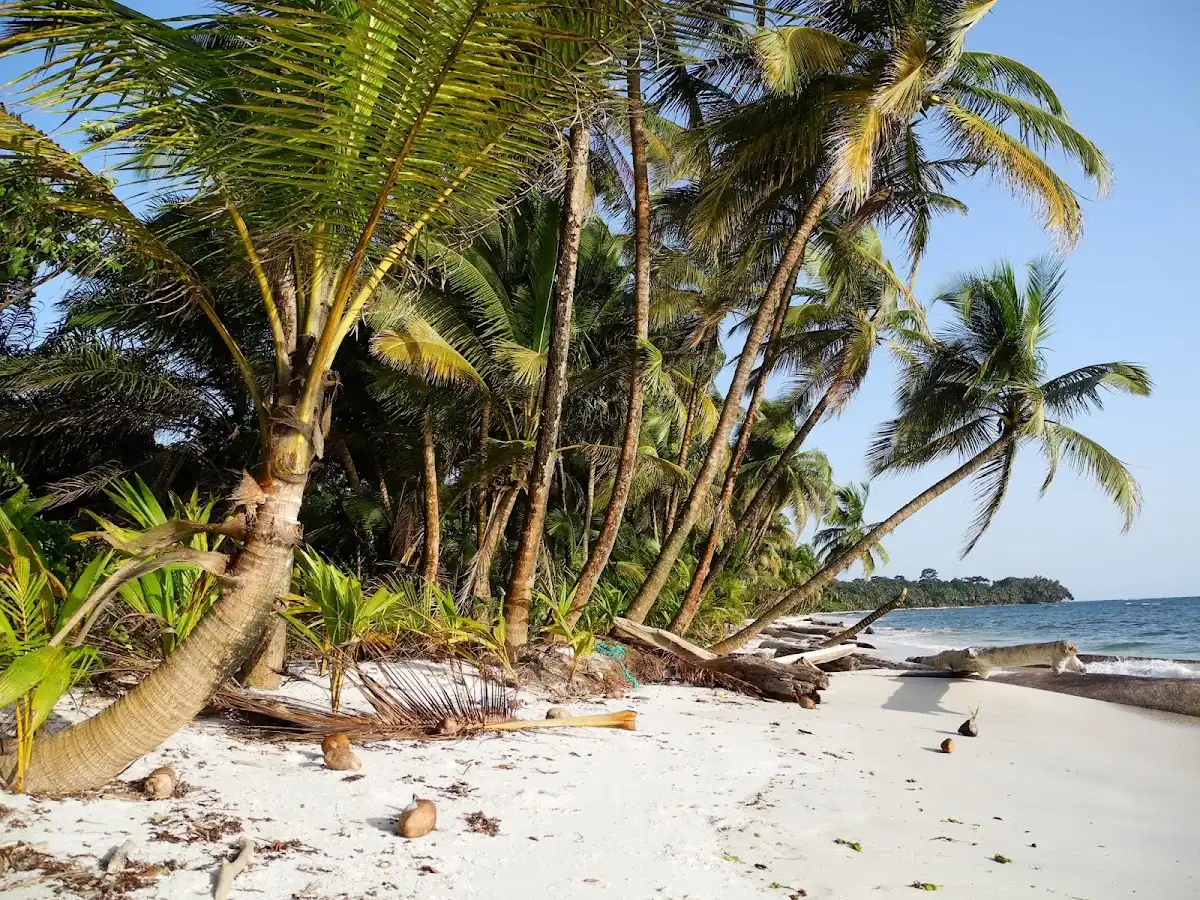
  2. Main sandy beach by the village — Wide, quiet sand that feels improbably empty most days; great for walking, swimming on high tide and chatting with fisher families drying nets. Not a staged resort beach — just honest shoreline and good sunsets.
  3. Mangrove channels and intertidal flats — A maze of roots and tidal creeks that you can paddle through in a small canoe. Birdlife, fiddler crabs, and mudflat foraging are highlights; the landscape changes dramatically with the tide, so bring
read more 👉
  1. Corisco village waterfront and market — The real heart of the island: a tight cluster of wooden houses, boats pulled up on the sand and a compact market where fishermen bring in the day’s catch. It’s the best place to watch local life, barter for fresh fish, and hop in a pirogue for short trips around the bay.
  2. Main sandy beach by the village — Wide, quiet sand that feels improbably empty most days; great for walking, swimming on high tide and chatting with fisher families drying nets. Not a staged resort beach — just honest shoreline and good sunsets.
  3. Mangrove channels and intertidal flats — A maze of roots and tidal creeks that you can paddle through in a small canoe. Birdlife, fiddler crabs, and mudflat foraging are highlights; the landscape changes dramatically with the tide, so bring a local who knows the channels.
  4. Ride out with traditional fishermen — Join a local crew on an evening or early-morning trip to haul nets or set lines. It’s hands-on, smells of salt and smoke, and you’ll learn techniques and recipes you won’t find in guidebooks.
  5. Island interior forest walk — A short walk off the beaches drops you into low, green scrub and secondary forest where small trails lead to quiet pools and birding spots. You’ll see kingfishers, herons and a surprising number of coastal plants that shape daily life here.
  6. Short boat trips to nearby islets and sandbanks — From Corisco you can hop to tiny offshore rocks and sandbars that are perfect for a private picnic, shell collecting or simple snorkeling. These micro-islands feel like a private archipelago for the day.
  7. Sunset knoll viewpoint (hidden gem) — A tiny rocky rise a short walk from the village where locals gather to watch the estuary and the Gabonese shoreline melt into color. It’s an unmarked spot — show up late and you’ll find the best seats.
  8. Village smokehouses and palm-oil workshops (hidden gem) — Walk past the beaches and you’ll find small smokehouses where fish is cured and hands-on palm-oil processing. It’s gritty, sensory and the place to taste traditional island preserves straight from the source.
  9. Evening music and community gatherings — On certain nights the village comes alive with drums, guitars and call-and-response singing; these informal performances are where stories, dance and social life happen. If you’re invited to stay, bring modest gifts and an open ear.
  10. Coastal shell middens and ancestral shoreline spots (hidden gem) — Scattered heaps of shells and occupation traces along the shore mark generations of coastal living. They’re not a formal site but visiting them with a local elder makes the island’s long history tangible in a way a plaque never could.
Spotted a mistake or missing something? Contact us.
Things to do near Isla de Corisco

Ratings based on Tripadvisor reviews. When you book through this link, you support our work at no extra cost to you.

⌛️ 5 daysHow to make the most of Isla de Corisco

Day 1: Corisco Island
You’ll kick off your adventure in Corisco Island, where the pace is set by the local transport system. The island is small, so you can easily explore on foot or rent a bike. This is your chance to soak in the laid-back vibe, chat with locals, and sample fresh seafood at beachside shacks. The key here is timing; mornings are best for a quiet stroll along the shore, while afternoons can get busy with local fishermen returning with their catch.

Day 2: Transfer to Bata
After a day of island life, it’s time to hop on a boat to Bata. This journey is your first taste of the region’s transport quirks. Expect delays, but don’t sweat it. Use the time to chat with fellow travelers or locals. Once in Bata, dive into the bustling market scene. The energy is palpable, and you’ll … read more 👉
Day 1: Corisco Island
You’ll kick off your adventure in Corisco Island, where the pace is set by the local transport system. The island is small, so you can easily explore on foot or rent a bike. This is your chance to soak in the laid-back vibe, chat with locals, and sample fresh seafood at beachside shacks. The key here is timing; mornings are best for a quiet stroll along the shore, while afternoons can get busy with local fishermen returning with their catch.

Day 2: Transfer to Bata
After a day of island life, it’s time to hop on a boat to Bata. This journey is your first taste of the region’s transport quirks. Expect delays, but don’t sweat it. Use the time to chat with fellow travelers or locals. Once in Bata, dive into the bustling market scene. The energy is palpable, and you’ll find everything from spices to handmade crafts.

Day 3: Bata to Malabo
Next, you’ll take a bus to Malabo. This leg can be a bit bumpy, but it’s part of the experience. The bus ride offers a glimpse into the countryside, with lush landscapes rolling by. Arriving in Malabo, explore the colonial architecture and vibrant nightlife. Grab a drink at a local bar and soak in the atmosphere.

Day 4: Off-Path Reward - Moka
Take a detour to Moka, a small town that feels worlds away from the hustle. The journey is worth it for the stunning views and the chance to hike in the surrounding hills. You’ll find fewer tourists here, allowing for genuine interactions with locals.

Day 5: Malabo
Wrap up your trip in Malabo. Spend your last day visiting the local museums and enjoying the coastal views. This is where you’ll want to splurge a bit—dine at a top-notch restaurant to savor the local cuisine.

The must-do day? Day 4 in Moka. It’s a slice of authenticity that’ll stick with you long after you leave.
Turn your Isla de Corisco visit into an Equatorial Guinea adventure
Build a complete Equatorial Guinea route with Isla de Corisco, hidden gems, must-see destinations, and realistic travel times included.

Generate my trip

🌤️ When to go?Seasonal considerations and timing


  • Topic: Weather – Isla de Corisco sits near the equator, so expect a hot, humid climate year-round. The dry season from June to September is your best bet for less sweat and fewer rain interruptions. The wet season, October to May, can turn trails into mudslides and skies into relentless gray.

  • Topic: Temperature – Temperatures hover between 24°C and 31°C (75°F to 88°F) year-round. The dry season feels a bit more bearable with lower humidity, making those high 20s Celsius (mid-80s Fahrenheit) days easier to handle when you’re hauling a pack.

  • Topic: Daylight Hours – Being on the equator means daylight stays steady, roughly 12 hours a day. No drastic shifts, so you can plan your hikes and beach time without worrying about early sunsets or late sunrises.

  • Topic: Crowds – This place isn’t
read more 👉

  • Topic: Weather – Isla de Corisco sits near the equator, so expect a hot, humid climate year-round. The dry season from June to September is your best bet for less sweat and fewer rain interruptions. The wet season, October to May, can turn trails into mudslides and skies into relentless gray.

  • Topic: Temperature – Temperatures hover between 24°C and 31°C (75°F to 88°F) year-round. The dry season feels a bit more bearable with lower humidity, making those high 20s Celsius (mid-80s Fahrenheit) days easier to handle when you’re hauling a pack.

  • Topic: Daylight Hours – Being on the equator means daylight stays steady, roughly 12 hours a day. No drastic shifts, so you can plan your hikes and beach time without worrying about early sunsets or late sunrises.

  • Topic: Crowds – This place isn’t exactly a tourist hotspot, but the dry season draws the few who want reliable weather. Expect a quiet vibe most of the year, with a slight uptick in visitors June through September.

  • Topic: Seasonal Activities – Dry months are prime for trekking, fishing, and exploring local villages without the hassle of rain. Wet season can flood paths but also brings lush greenery and fewer people if you’re up for a challenge.

  • Topic: Price Fluctuations – Prices for lodging and guides tend to dip during the wet season when demand drops. If you’re flexible and ready to embrace humidity, you can snag better deals but at the cost of comfort and accessibility.


Pro-tip: Hit Isla de Corisco right at the start of the dry season in June—less crowd, manageable heat, and prices haven’t spiked yet. It’s the sweet spot for feeling like you’ve got the island almost to yourself.


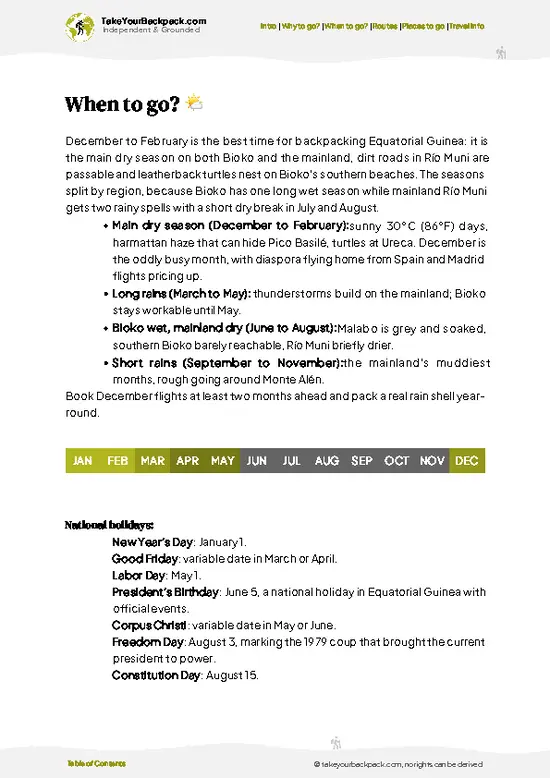
source: climatestotravel.comJANJanuary: fair for travelingFEBFebruary: fair for travelingMARMarch: fair for travelingAPRApril: fair for travelingMAYMay: fair for travelingJUNJune: excellent for travelingJULJuly: highly recommended for travelingAUGAugust: highly recommended for travelingSEPSeptember: highly recommended for travelingOCTOctober: fair for travelingNOVNovember: fair for travelingDECDecember: fair for traveling
equatorial-guinea-region-isla-de-corisco v1
© Google |

✈️ The backpacker research shortcutEquatorial Guinea Travel Guide

An offline-friendly backpacking guide with optimized travel routes, ranked highlights, transport advice, and the best areas to stay.
example page 0 from our offline Travel Guide for Equatorial Guinea
example page 1 from our offline Travel Guide for Equatorial Guinea
example page 2 from our offline Travel Guide for Equatorial Guinea
example page 3 from our offline Travel Guide for Equatorial Guinea
example page 4 from our offline Travel Guide for Equatorial Guinea
example page 5 from our offline Travel Guide for Equatorial Guinea
example page 6 from our offline Travel Guide for Equatorial Guinea
example page 7 from our offline Travel Guide for Equatorial Guinea
The digital guide (202 pages) contains:
48 highlights, ranked by travel appeal
Optimized 2, 3 & 5-day travel routes
Cities, national parks, landmarks, beaches
How to get around
Offline-friendly for travel without Wi-Fi
👉 Click to see all 30+ guide features

📅 Plan smarter in minutes, not weeks
Month by month travel advice
Festivals & national holidays
Budget expectations

🗺️ Go to the right places, skip the overrated ones
Honest pros & cons of destinations
Top hikes, parks & viewpoints
Lesser-known places most travelers miss
Clear “worth it vs skip it” guidance

🛏️ Travel smoothly without rookie mistakes
Best areas to stay
Transport systems explained simply
Common scams & safety advice
SIM cards, money & practical tips

🌍 Understand the country, not just visit it
Culture & traditions
52 Essential phrases & customs
Festivals worth planning around
Traveler-friendly historical context
Insights that make places more meaningful

📱 Built for real travel conditions
Fully downloadable PDF
Works completely offline
Optimized for phone use
Useful in remote areas & buses
Everything in one place
Save weeks of stressful planning
Get instant access to your full guide. 30‑day money-back guarantee.
+ Add another guide for just US$7.80

By proceeding you agree to our terms.
Sent to your inbox immediately after payment • 100% Secure Checkout
Best Backpacking Travel Advisor 2025 tourism awardBest Backpacking
Travel Advisor
2025
What others say about Take Your Backpack Guides:
⭐⭐⭐⭐⭐
Fantastic, amazing amount of information!
⭐⭐⭐⭐⭐
My goodness this is amazing, it's what I've been looking for hats off too you!
⭐⭐⭐⭐⭐
I think this is absolutely BRILLIANT
⭐⭐⭐⭐
Very complete and informative. It's still missing places, but I gotta to commend you
⭐⭐⭐⭐⭐
This is truly amazing, thank you, can't wait to explore it with my kids!
⭐⭐⭐⭐⭐
Awesome resource, thank you!
⭐⭐⭐⭐⭐
This is amazing! Can't wait to explore the ones I haven't seen
⭐⭐⭐⭐
I love this! Well done, great idea.
⭐⭐⭐⭐⭐
Thanks for taking the time to make this gem!
⭐⭐⭐⭐⭐
This might be the best website I've ever seen.
⭐⭐⭐⭐⭐
Congratulations, and thank you so much for your work; it's incredibly valuable.
⭐⭐⭐⭐
In all seriousness I think you did a great job pointing out the important spots
⭐⭐⭐⭐⭐
10/10 very good
⭐⭐⭐⭐⭐
As someone who's only just starting to visit regularly this is awesome, thank you.
⭐⭐⭐⭐
Thank you very much! I'm going to visit my dad, it's going to be very useful!
⭐⭐⭐⭐⭐
This is really cool! We'll be travelling for the first time and this definitely come in handy.
⭐⭐⭐⭐⭐
You are now our minister of culture, congratulations 👨‍💼
⭐⭐⭐⭐⭐
Just wanted to tell you that this is a pearl! Going to follow your recommendations.
⭐⭐⭐⭐⭐
This is so cool. I'll definitely be using the resource for my travels soon.
⭐⭐⭐⭐⭐
This is very impressive! Good work.
⭐⭐⭐⭐⭐
This is an amazing and informative site. Very well done!

🛏️ Where to stay?Choosing the right base

Isla de Corisco, a slice of paradise in Equatorial Guinea, offers a few spots that are perfect for backpackers seeking safety, social vibes, and budget-friendly options.

Start with Corisco Island itself. It’s laid-back and welcoming, with locals who are eager to share their culture. The beaches here are stunning, and you’ll find plenty of opportunities to connect with fellow travelers. Grab a cold drink and swap stories with other backpackers; the atmosphere is relaxed, making it easy to forge friendships.

Next, consider Malabo, the capital. While it’s a bit more urban, it’s a hub for backpackers. … read more 👉
Isla de Corisco, a slice of paradise in Equatorial Guinea, offers a few spots that are perfect for backpackers seeking safety, social vibes, and budget-friendly options.

Start with Corisco Island itself. It’s laid-back and welcoming, with locals who are eager to share their culture. The beaches here are stunning, and you’ll find plenty of opportunities to connect with fellow travelers. Grab a cold drink and swap stories with other backpackers; the atmosphere is relaxed, making it easy to forge friendships.

Next, consider Malabo, the capital. While it’s a bit more urban, it’s a hub for backpackers. The waterfront area is lively, with markets and eateries where you can sample local cuisine without breaking the bank. Plus, it’s a great base for day trips to nearby attractions. Just be mindful of your surroundings, especially at night.

Lastly, check out Bata. It’s less touristy, which means you’ll experience a more authentic side of Equatorial Guinea. The local markets are bustling, and you can find affordable accommodations. The vibe is friendly, and you’ll likely meet locals who are keen to share their stories.

Choose wisely between these spots, balancing your desire for comfort with the thrill of adventure. Each offers a unique slice of life on Isla de Corisco.

🚌 Getting aroundHow to get from A to B

Isla de Corisco is a place where time feels fluid, a dance between the rhythm of the tides and the whims of the locals. Schedules? Forget about them. Here, the flow is dictated by the sun and the sea, with transport options that feel more like a friendly suggestion than a rigid timetable. You’ll find yourself hopping on a boat or sharing a ride with a few locals, all while soaking in the vibrant atmosphere. It’s a chaotic intuition that invites you to embrace spontaneity, making every journey an adventure in itself.


  • Motorboat: The primary way to get around the island, these boats zip between Corisco and the mainland. Expect to pay around $5-$10, with departures often dictated by demand rather than a strict schedule. They’re quick—about 30 minutes to the mainland—but comfort can vary, so
read more 👉
Isla de Corisco is a place where time feels fluid, a dance between the rhythm of the tides and the whims of the locals. Schedules? Forget about them. Here, the flow is dictated by the sun and the sea, with transport options that feel more like a friendly suggestion than a rigid timetable. You’ll find yourself hopping on a boat or sharing a ride with a few locals, all while soaking in the vibrant atmosphere. It’s a chaotic intuition that invites you to embrace spontaneity, making every journey an adventure in itself.


  • Motorboat: The primary way to get around the island, these boats zip between Corisco and the mainland. Expect to pay around $5-$10, with departures often dictated by demand rather than a strict schedule. They’re quick—about 30 minutes to the mainland—but comfort can vary, so brace yourself for a splash or two.


  • Bicycle Rentals: For the more adventurous, renting a bike is a fantastic way to explore the island at your own pace. Prices hover around $3-$5 per day. You’ll get a solid workout while discovering hidden beaches and local spots. Just be prepared for some bumpy paths; it’s all part of the charm.


  • Shared Taxis: These are a great option for getting around the island and connecting to nearby towns. Fares are usually around $2-$4 per ride. They can be cramped, but you’ll meet locals and fellow travelers, making it a social experience. Just keep an eye on the clock; they leave when full, which can be a blessing or a curse.


  • Walking: If you’re up for it, walking is the best way to soak in the island’s vibe. It’s free, and you’ll stumble upon local markets and friendly faces. Just remember, the heat can be intense, so plan your strolls for early morning or late afternoon.


Here’s your tactical tip: always ask locals about the best times to catch a boat or taxi. They know the unspoken rhythms of the island better than any schedule. Plus, you’ll likely score insider tips on where to find the best local eats or the quietest beaches. Embrace the chaos, and you’ll find your way around Isla de Corisco like a pro.

🍲 FoodLocal Cuisine & Drinks

In Isla de Corisco, food is a vibrant tapestry of flavors that tells the story of its coastal culture. Dive into pepper soup, a spicy broth that warms you from the inside out, often featuring fresh fish caught that very morning. Don’t miss fufu, a starchy staple made from cassava or plantains, perfect for soaking up the rich sauces of local dishes.

For drinks, seek out malamba, a local palm wine that’s slightly sweet and effervescent. It’s best enjoyed in the company of locals, who’ll share tales as you sip. Street vendors are your best bet for authentic experiences; grab a plate of grilled fish or skewered meat from a bustling market. The aroma of sizzling spices fills the air, mingling with laughter and chatter.

Dining here is a communal affair. Expect to share dishes, so don’t be shy … read more 👉
In Isla de Corisco, food is a vibrant tapestry of flavors that tells the story of its coastal culture. Dive into pepper soup, a spicy broth that warms you from the inside out, often featuring fresh fish caught that very morning. Don’t miss fufu, a starchy staple made from cassava or plantains, perfect for soaking up the rich sauces of local dishes.

For drinks, seek out malamba, a local palm wine that’s slightly sweet and effervescent. It’s best enjoyed in the company of locals, who’ll share tales as you sip. Street vendors are your best bet for authentic experiences; grab a plate of grilled fish or skewered meat from a bustling market. The aroma of sizzling spices fills the air, mingling with laughter and chatter.

Dining here is a communal affair. Expect to share dishes, so don’t be shy about passing the fufu. It’s customary to eat with your hands—just remember to use your right hand only. This isn’t just a meal; it’s a celebration of connection. Embrace the chaos of the markets and the warmth of the people, and you’ll leave with more than just a full belly—you’ll carry home a piece of their heart.

FAQFrequently asked questions about Isla de Corisco

3 to 4 days are sufficient to explore Isla de Corisco thoroughly. This allows time to visit the main villages, enjoy the beaches, and explore the surrounding nature. The island is small, roughly 14 square kilometers, so travel time between points is short.
You get around Isla de Corisco primarily on foot or by bicycle, as there are no public transport services or car rentals available. Walking between villages takes about 30 to 60 minutes depending on your pace. Local fishermen may offer boat rides for exploring coastal areas.
Isla de Corisco is known for its pristine beaches, rich biodiversity, and traditional Fang culture. It is a quiet, off-the-beaten-path destination with excellent opportunities for snorkeling and birdwatching. The island also has historical significance as a former colonial trading post.
⚠️ Things can change over time, so always validate details locally before you go.

Other Equatoguinean regions near Isla de Corisco

Explore more nearby:

  • Isla de Bioko—Malabo markets, black sand beaches, rainforest trails| 290 km away
  • Annobón—volcanic lake, remote fishing villages, endemic birdlife| 526 km away

💡 Not sure where to go next?
Create a personalized itinerary for Equatorial Guinea including Isla de Corisco and the places that fit your trip.

Generate my itinerary

👉 Discover all regions

Or checkout all Equatorial Guinea has to offer (think cities, towns, villages, national parks, hikes, beaches, festivals)
Country photo of Equatorial Guinea

We 💚 feedbackKey takeaways before you go

Isla de Corisco is a slice of paradise that feels untouched. The vibe? Laid-back, with locals who genuinely welcome you. Don’t miss the sunset at Playa de la Arena; it’s a moment that’ll stick with you. But here’s the scoop: the roads can be tricky, so pack your patience. Bring cash; ATMs are scarce. Embrace the slow pace, and you’ll find the real treasure here is the connection with the island and its people. Trust me, it’s worth every moment.

✍️ Help improve this page!
The information on this page is based on in-depth research, insights shared by experienced travelers, and feedback from the local travel community in Equatorial Guinea. While every effort is made to keep the information accurate and current, conditions can change — so if you spot anything incorrect or outdated, please get in touch.


🙋‍♂️ Give feedback

👋 Meet the founderWho’s Behind Take Your Backpack?

Johan, backpacker and founder of TakeYourBackpackHi, I’m Johan (Netherlands 🇳🇱), the creator of TakeYourBackpack. Over the past decade, I’ve backpacked through 80+ countries across six continents, gaining extensive experience with independent travel, long-term trips, and overland routes.

This site is built on a combination of firsthand travel experience and carefully curated insights from other backpackers. Many guides are based on places I’ve personally visited, while others bring together tips, observations, and practical advice shared by trusted travelers I’ve met along the way.

The goal is to provide realistic, experience-driven guidance — not generic itineraries — so you can explore destinations with better context, clearer expectations, and more confidence.

Get full country guide •
Instant download • 48 highlights • Full Offline guide