×

Equatorial Guinea🇬🇶 | attractionsMalabo National Theatrestage productions, dance performances, modern architecture | things to do and best time to go

Explore Museo Nacional de Arte y Tradiciones de Guinea EcuatorialExplore Estadio de Malabo

Backpacking in Malabo National Theatre
👌 Worth visitingattraction ranked #4
By Johan Kruseman 🇳🇱 | Updated September 30, 2026

A drumbeat rattles your chest before you even see the stage. Sweat beads on your brow—not from the Equatorial Guinea heat, but from the packed bodies and the pulse of anticipation. The air smells of cologne, popcorn, and something sharp—maybe nerves. Someone laughs, too loud, and the lights snap down. Suddenly, you’re not a tourist; you’re part of the crowd, swept up in the living, breathing heart of Malabo.

Malabo National Theatre sits on the north coast of Bioko Island, right in the capital city’s tangled, energetic core. Here’s the truth: this isn’t some polished, Instagram-perfect landmark. The building itself is a bold, modernist statement, but it’s the inside that matters. You’ll pay more than you’d expect for a ticket, and yes, the best shows sell out fast. But if you’re chasing the real Equatorial Guinea—raw, creative, unpredictable—this is where it erupts. Forget the empty grandeur of colonial plazas or the touristy beaches; the theatre is where locals actually go to feel something. It’s crowded, chaotic, and absolutely worth it.

Discover everything you want to know in the 📖 Equatorial Guinea Travel Guide.


Loading the map 🌍
CLICK TO FILTER
cities
towns
villages
landmarks
national parks
hikes
beaches
attractions
festivals
regions
SHOW COUNTRY’S BESTSHOW ALL

✨ Why go?
Ranked #4 attraction in Equatorial Guinea
What makes this attraction worth visiting

Malabo National Theatre isn’t your typical backpacker pit stop, and that’s exactly why it demands your attention. Sure, it’s not a sprawling monument or a bustling market, but this place is the beating heart of Equatorial Guinea’s cultural identity. The building itself, with its Soviet-era architecture, looks like it was plucked straight from a Cold War spy novel—unexpected and oddly captivating in a city that’s otherwise a patchwork of colonial and modern influences.

What really hooks travelers is the theatre’s role as a living archive of the country’s artistic soul. It’s where traditional Fang performances crash headlong into contemporary drama, offering a raw, unfiltered glimpse into the nation’s complex history and evolving identity. This isn’t a polished tourist show; it’s gritty, real, … read more 👉
Malabo National Theatre isn’t your typical backpacker pit stop, and that’s exactly why it demands your attention. Sure, it’s not a sprawling monument or a bustling market, but this place is the beating heart of Equatorial Guinea’s cultural identity. The building itself, with its Soviet-era architecture, looks like it was plucked straight from a Cold War spy novel—unexpected and oddly captivating in a city that’s otherwise a patchwork of colonial and modern influences.

What really hooks travelers is the theatre’s role as a living archive of the country’s artistic soul. It’s where traditional Fang performances crash headlong into contemporary drama, offering a raw, unfiltered glimpse into the nation’s complex history and evolving identity. This isn’t a polished tourist show; it’s gritty, real, and often unpredictable.

Yes, the crowds are sparse, and the ticket prices are a steal compared to more famous venues, but the payoff is huge. For backpackers threading through Equatorial Guinea, stopping here is a milestone—a moment to absorb the country’s pulse beyond the usual landmarks. It’s a place where culture isn’t just displayed; it’s lived, breathed, and fiercely defended. That’s the kind of authenticity worth carving out time for.

💡 HighlightsEssential experiences to have while visiting Malabo National Theatre

The Grand Facade and Architectural Drama
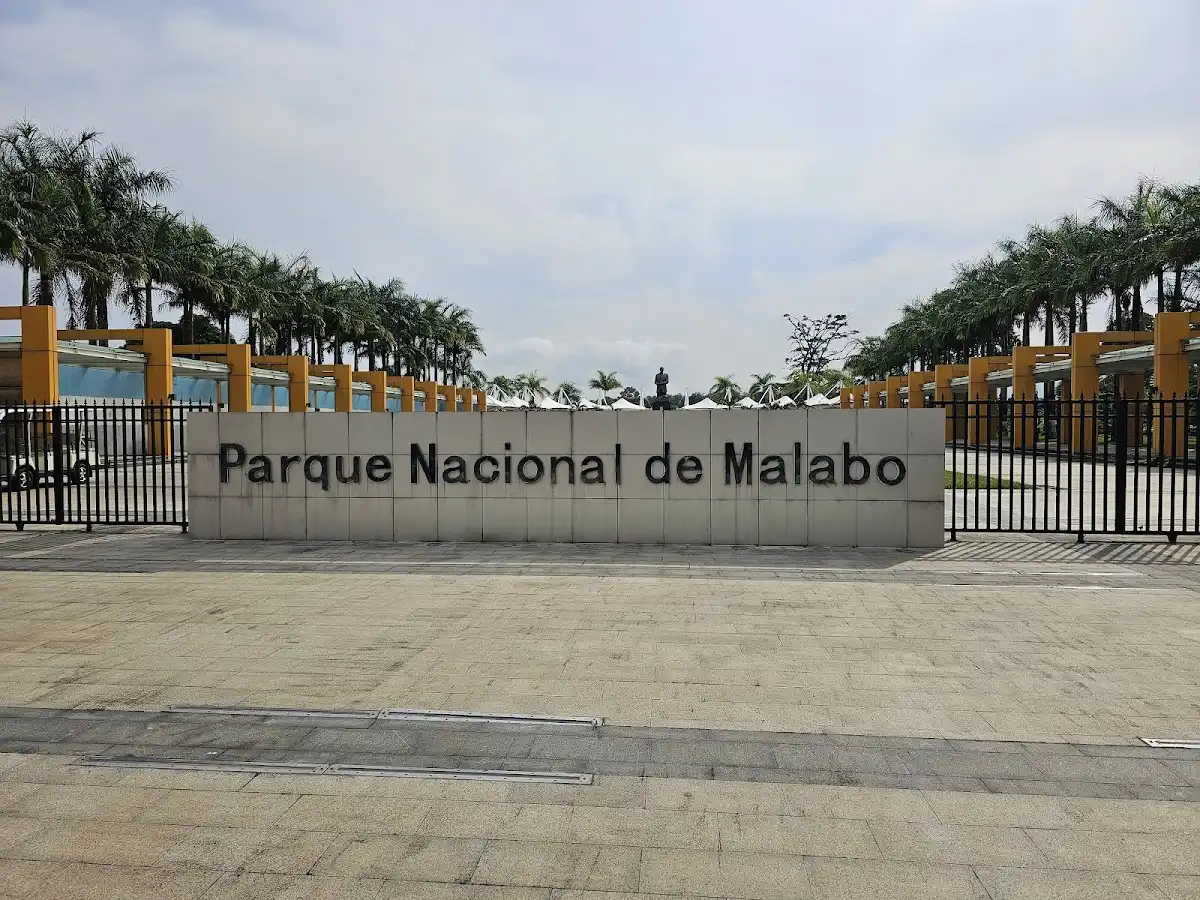
Let’s get real: most people come for the photos, and yes, the Malabo National Theatre’s exterior is a showstopper. It’s not just another “modern marvel”—it’s a bold, almost surreal slice of Beijing dropped on the Equatorial Guinean coast. The white, swooping lines and glass panels look like a spaceship landed in the tropics. But here’s the truth: the real magic is standing beneath those overhangs, feeling the Atlantic humidity mix with the cool shade, and realizing you’re at the crossroads of African ambition and Chinese engineering. It’s a conversation starter, not just a backdrop.


Live Performances: The Local Pulse
Forget the glossy posters promising “world-class” acts. The real entertainment is catching a local music or dance performance. When the … read more 👉
The Grand Facade and Architectural Drama
Let’s get real: most people come for the photos, and yes, the Malabo National Theatre’s exterior is a showstopper. It’s not just another “modern marvel”—it’s a bold, almost surreal slice of Beijing dropped on the Equatorial Guinean coast. The white, swooping lines and glass panels look like a spaceship landed in the tropics. But here’s the truth: the real magic is standing beneath those overhangs, feeling the Atlantic humidity mix with the cool shade, and realizing you’re at the crossroads of African ambition and Chinese engineering. It’s a conversation starter, not just a backdrop.


Live Performances: The Local Pulse
Forget the glossy posters promising “world-class” acts. The real entertainment is catching a local music or dance performance. When the theatre is alive, you’ll hear the thump of Fang drums, see Bata dancers in motion, and feel the crowd’s energy—half celebration, half defiance. This isn’t a tourist sideshow; it’s a rare window into Equatorial Guinea’s cultural pride, often performed for locals, not just visitors. If you’re lucky enough to catch a show, you’ll walk away with more than a souvenir photo—you’ll have a story.


The Lobby: People-Watching and Power Moves
Here’s the unfiltered scoop: the lobby is where the country’s movers and shakers mingle. It’s less about velvet ropes and more about who’s talking to whom. You’ll see diplomats, artists, and the occasional oil executive, all orbiting the same marble floors. If you want to understand the real social fabric of Malabo, skip the overpriced drinks and just watch the interactions. It’s a masterclass in local politics and aspiration, all under one roof.


Open-Air Events and Festivals
The theatre isn’t just about what happens inside. The plaza outside transforms for national holidays, film festivals, and impromptu concerts. This is where the city drops its guard—kids running, food stalls popping up, and music echoing off the concrete. It’s chaotic, loud, and absolutely worth your time. You’ll see the city’s youth showing off dance moves, elders debating politics, and everyone sharing grilled fish or plantains. This is Malabo’s living room, not a curated Instagram moment.


The Contrast: Modernity vs. Everyday Life
Here’s what no influencer tells you: the theatre’s gleaming exterior is surrounded by the real Malabo—dusty roads, street vendors, and the daily grind. That contrast is the point. It’s a reminder that Equatorial Guinea is a country in flux, and the theatre is both a symbol of ambition and a stage for real, imperfect life. If you’re looking for authenticity, it’s in the tension between the polished and the raw. Stand outside at sunset, watch the city breathe, and you’ll understand why this place matters.
Spotted a mistake or missing something? Contact us.
🌤️ When to go?When to go for the best experience

  • Weather: Malabo’s climate is relentlessly tropical, with heavy rains dominating from April through October. If you’re not a fan of constant downpours and mud, aim for the drier months of November to March when showers ease up but humidity remains high.
  • Temperature: Expect a narrow range year-round—typically 24°C to 30°C (75°F to 86°F). It’s warm but not scorching, which means you’re dealing with sticky heat rather than blistering sun. Nights cool slightly but rarely dip below 20°C (68°F).
  • Daylight Hours: Near the equator, daylight is steady—about 12 hours daily year-round. Sunrise around 6:30 AM and sunset near 6:30 PM, so no need to juggle your schedule for light.
  • Crowds: The National Theatre doesn’t draw massive tourist hordes, but local events and government functions can pack the
… read more 👉
  • Weather: Malabo’s climate is relentlessly tropical, with heavy rains dominating from April through October. If you’re not a fan of constant downpours and mud, aim for the drier months of November to March when showers ease up but humidity remains high.
  • Temperature: Expect a narrow range year-round—typically 24°C to 30°C (75°F to 86°F). It’s warm but not scorching, which means you’re dealing with sticky heat rather than blistering sun. Nights cool slightly but rarely dip below 20°C (68°F).
  • Daylight Hours: Near the equator, daylight is steady—about 12 hours daily year-round. Sunrise around 6:30 AM and sunset near 6:30 PM, so no need to juggle your schedule for light.
  • Crowds: The National Theatre doesn’t draw massive tourist hordes, but local events and government functions can pack the place, especially during national holidays like Independence Day in October. Visiting outside these spikes means more breathing room.
  • Seasonal Activities: Cultural performances and festivals peak in the dry season, making November to March the best window to catch authentic shows without the rain dampening your plans.
  • Price Fluctuations: Ticket prices and accommodation near the theatre stay relatively stable year-round, but expect slight hikes during major events and holidays. Booking in advance during these times is smart.
Pro-tip: Visit between November and March for a balance of manageable weather, cultural richness, and fewer crowds—this is when Malabo National Theatre truly comes alive without the hassle of rain or packed venues.


source: climatestotravel.comJANJanuary: excellent for travelingFEBFebruary: excellent for travelingMARMarch: excellent for travelingAPRApril: fair for travelingMAYMay: fair for travelingJUNJune: fair for travelingJULJuly: fair for travelingAUGAugust: fair for travelingSEPSeptember: fair for travelingOCTOctober: good for travelingNOVNovember: excellent for travelingDECDecember: excellent for traveling
equatorial-guinea-attraction-malabo-national-theatre
© Google |

✈️ The backpacker research shortcutEquatorial Guinea Travel Guide

An offline-friendly backpacking guide with optimized travel routes, ranked highlights, transport advice, and the best areas to stay.
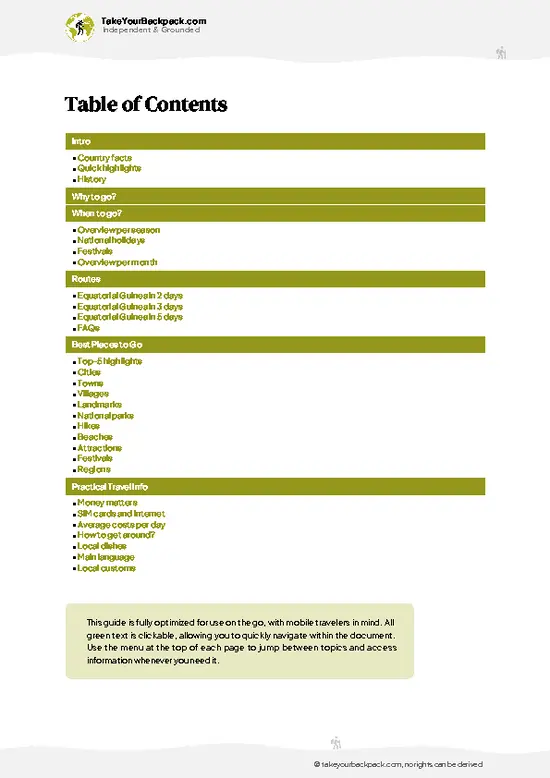
example page 0 from our offline Travel Guide for Equatorial Guinea
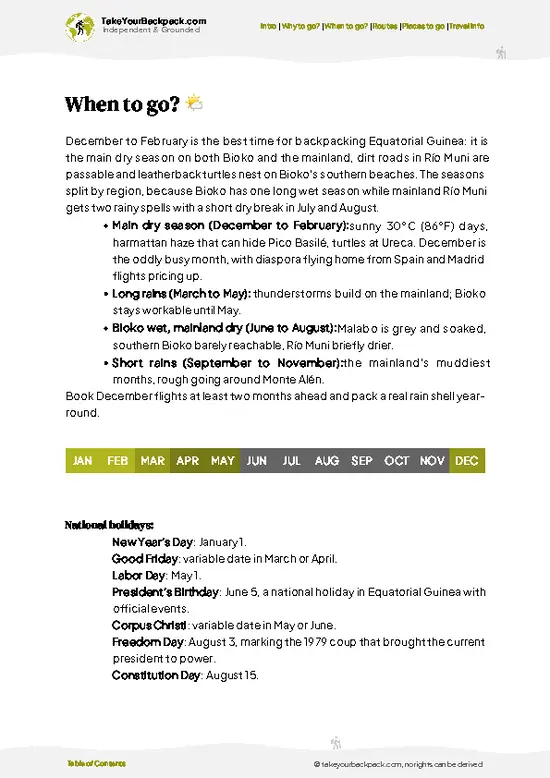
example page 1 from our offline Travel Guide for Equatorial Guinea
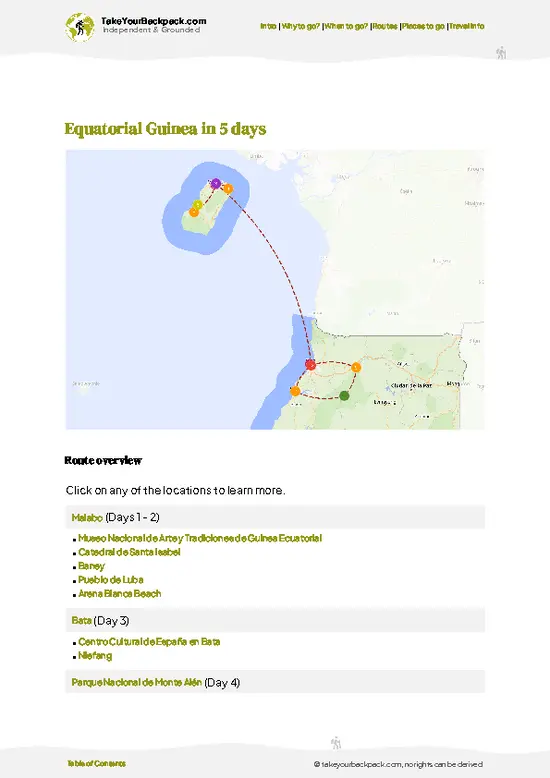
example page 2 from our offline Travel Guide for Equatorial Guinea
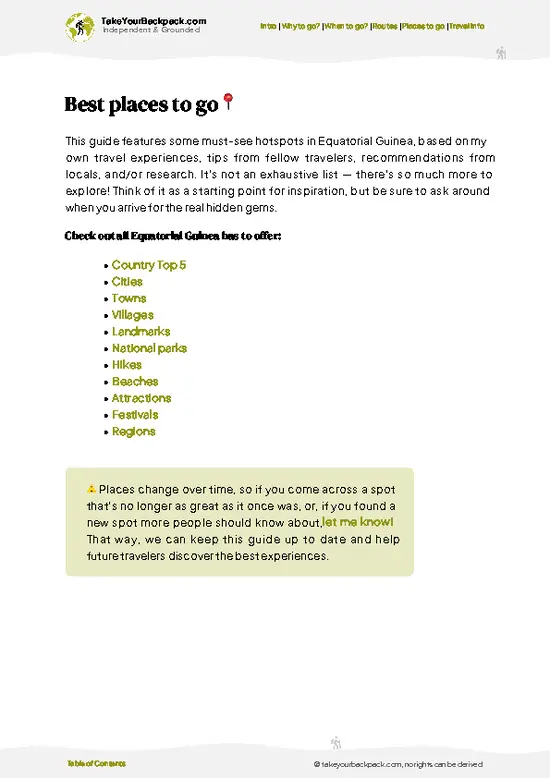
example page 3 from our offline Travel Guide for Equatorial Guinea
example page 4 from our offline Travel Guide for Equatorial Guinea
example page 5 from our offline Travel Guide for Equatorial Guinea
example page 6 from our offline Travel Guide for Equatorial Guinea
example page 7 from our offline Travel Guide for Equatorial Guinea
The digital guide (199 pages) contains:
✅ 48 highlights, ranked by travel appeal
✅ Optimized 2, 3 & 5-day travel routes
✅ Cities, national parks, landmarks, beaches
✅ How to get around
✅ Offline-friendly for travel without Wi-Fi
👉 Click to see all 30+ guide features

📅 Plan smarter in minutes, not weeks
✅ Month by month travel advice
✅ Festivals & national holidays
✅ Budget expectations

🗺️ Go to the right places, skip the overrated ones
✅ Honest pros & cons of destinations
✅ Top hikes, parks & viewpoints
✅ Lesser-known places most travelers miss
✅ Clear “worth it vs skip it” guidance

🛏️ Travel smoothly without rookie mistakes
✅ Best areas to stay
✅ Transport systems explained simply
✅ Common scams & safety advice
✅ SIM cards, money & practical tips

🌍 Understand the country, not just visit it
✅ Culture & traditions
✅ 52 Essential phrases & customs
✅ Festivals worth planning around
✅ Traveler-friendly historical context
✅ Insights that make places more meaningful

📱 Built for real travel conditions
✅ Fully downloadable PDF
✅ Works completely offline
✅ Optimized for phone use
✅ Useful in remote areas & buses
✅ Everything in one place
Save weeks of stressful planning
Get instant access to your full guide. 30‑day money-back guarantee.
+ Add another guide for just

By proceeding you agree to our terms.
Sent to your inbox immediately after payment • 100% Secure Checkout
Best Backpacking Travel Advisor 2025 tourism awardBest Backpacking
Travel Advisor
2025
What others say about Take Your Backpack Guides:
⭐⭐⭐⭐⭐
Fantastic, amazing amount of information!
⭐⭐⭐⭐⭐
My goodness this is amazing, it's what I've been looking for hats off too you!
⭐⭐⭐⭐⭐
I think this is absolutely BRILLIANT
⭐⭐⭐⭐
Very complete and informative. It's still missing places, but I gotta to commend you
⭐⭐⭐⭐⭐
This is truly amazing, thank you, can't wait to explore it with my kids!
⭐⭐⭐⭐⭐
Awesome resource, thank you!
⭐⭐⭐⭐⭐
This is amazing! Can't wait to explore the ones I haven't seen
⭐⭐⭐⭐
I love this! Well done, great idea.
⭐⭐⭐⭐⭐
Thanks for taking the time to make this gem!
⭐⭐⭐⭐⭐
This might be the best website I've ever seen.
⭐⭐⭐⭐⭐
Congratulations, and thank you so much for your work; it's incredibly valuable.
⭐⭐⭐⭐
In all seriousness I think you did a great job pointing out the important spots
⭐⭐⭐⭐⭐
10/10 very good
⭐⭐⭐⭐⭐
As someone who's only just starting to visit regularly this is awesome, thank you.
⭐⭐⭐⭐
Thank you very much! I'm going to visit my dad, it's going to be very useful!
⭐⭐⭐⭐⭐
This is really cool! We'll be travelling for the first time and this definitely come in handy.
⭐⭐⭐⭐⭐
You are now our minister of culture, congratulations 👨‍💼
⭐⭐⭐⭐⭐
Just wanted to tell you that this is a pearl! Going to follow your recommendations.
⭐⭐⭐⭐⭐
This is so cool. I'll definitely be using the resource for my travels soon.
⭐⭐⭐⭐⭐
This is very impressive! Good work.
⭐⭐⭐⭐⭐
This is an amazing and informative site. Very well done!

🛏️ Where to stay?Choosing the right base

Malabo’s National Theatre is the kind of place that looks like a postcard but lives in a city where backpackers need to keep their wits about them. The immediate area around the theatre isn’t exactly a backpacker’s playground—crowded streets, a mix of government buildings, and a vibe that leans more official than chill. If you’re after safety and a bit of social buzz, you’ll want to look just a little beyond the theatre’s shadow.

The neighborhood of Santa Isabel, the old town core of Malabo, is where you’ll find the real pulse for budget travelers. It’s walkable, packed with street vendors, small … read more 👉
Malabo’s National Theatre is the kind of place that looks like a postcard but lives in a city where backpackers need to keep their wits about them. The immediate area around the theatre isn’t exactly a backpacker’s playground—crowded streets, a mix of government buildings, and a vibe that leans more official than chill. If you’re after safety and a bit of social buzz, you’ll want to look just a little beyond the theatre’s shadow.

The neighborhood of Santa Isabel, the old town core of Malabo, is where you’ll find the real pulse for budget travelers. It’s walkable, packed with street vendors, small cafés, and local hangouts where you can meet other travelers without the touristy gloss. It’s not polished, but it’s authentic—and that’s where the magic happens. The streets here are lively but manageable, and you’ll get a genuine feel for the city’s rhythm without wandering into sketchy zones.

Another solid choice is the area around the Malabo Central Market. It’s a bit rough around the edges, but it’s buzzing with life and offers affordable eats and local crafts. It’s a social hub for solo travelers who want to dive into the local scene rather than hide behind tourist walls. Just keep your valuables close and your eyes open—this is real city life, not a curated experience.

In short, skip the sterile hotel districts near the theatre. Instead, aim for Santa Isabel or the market area. You’ll find safety in numbers, budget-friendly options, and the kind of social atmosphere that turns a quick visit into a memorable story.

👛 Costs (as of 30 September 2026)Typical daily expenses

General admission tickets for the Malabo International Music Festival range from €20 to €50, with VIP options exceeding €100.

source: takeyourbackpack.com
⚠️ Prices can change and everyone travels differently, so take this as a rough guide. Hope it helps you plan your adventure!

FAQFrequently asked questions about Malabo National Theatre

30 to 45 minutes is sufficient to visit Malabo National Theatre, enough time to admire its architecture and take photos. Guided tours are rare, so self-exploration is typical. Plan accordingly if attending a performance, which can extend your visit.
Yes, Malabo National Theatre is worth the entrance fee, typically around 2,000 XAF (about 4 USD). The fee grants access to the building's impressive colonial architecture and cultural exhibitions. It offers a unique glimpse into Equatorial Guinea's artistic heritage.
To get to Malabo National Theatre, take a taxi from the city center; it is located near the Malabo Cathedral. The theatre is about 1 kilometer from the main market area, making it easily reachable on foot or by a short taxi ride.
⚠️ Things can change over time, so always validate details locally before you go.

Other Equatoguinean attractions near Malabo National Theatre

Explore more nearby:


💡 Not sure where to go next?
Create a personalized itinerary for Equatorial Guinea including Malabo National Theatre and the places that fit your trip.

Generate my itinerary

👉 Discover all attractions

Or checkout all Equatorial Guinea has to offer (think cities, towns, villages, national parks, hikes, beaches, festivals)
Country photo of Equatorial Guinea

We 💚 feedbackKey takeaways before you go

The Malabo National Theatre isn’t some polished tourist magnet—expect a bit of chaos, a crowd that’s more local hangout than curated audience, and a building that wears its age with pride. But here’s the kicker: when the music kicks in or a play unfolds, you’re not just watching art—you’re stepping into the pulse of Equatorial Guinea’s culture, raw and unfiltered. It’s not about comfort or convenience; it’s about catching a genuine moment few outsiders get to see. If you’re ready for that, it’s worth every unpredictable second.

✍️ Help improve this page!
The information on this page is based on in-depth research, insights shared by experienced travelers, and feedback from the local travel community in Equatorial Guinea. While every effort is made to keep the information accurate and current, conditions can change — so if you spot anything incorrect or outdated, please get in touch.


🙋‍♂️ Give feedback

👋 Meet the founderWho’s Behind Take Your Backpack?

Johan, backpacker and founder of TakeYourBackpackHi, I’m Johan (Netherlands 🇳🇱), the creator of TakeYourBackpack. Over the past 3 decades, I’ve backpacked through 90+ countries across six continents, gaining extensive experience with independent travel, long-term trips, and overland routes.

This site is built on a combination of firsthand travel experience and carefully curated insights from other backpackers. Many guides are based on places I’ve personally visited, while others bring together tips, observations, and practical advice shared by trusted travelers I’ve met along the way.

The goal is to provide realistic, experience-driven guidance — not generic itineraries — so you can explore destinations with better context, clearer expectations, and more confidence.