×

Equatorial Guinea🇬🇶 | townsLubavolcanic hills, colonial relics, black sand beaches | things to do and best time to go

Explore MongomoExplore Evinayong

Backpacking in Luba
🏆 Top picktown ranked #1
By Johan Kruseman 🇳🇱 | Updated October 15, 2026

Everyone talks about Luba’s proximity to Bioko’s legendary beaches, but the real reason to come isn’t just to snap a photo of black volcanic sand. What matters more is the slow, lived-in rhythm of a town that feels like the last outpost before the jungle swallows the road. Luba sits on the southwest coast of Bioko Island, Equatorial Guinea—far enough from Malabo’s bustle that the air tastes different, heavy with salt and woodsmoke, but close enough for a half-day’s drive if the roads are dry.

For backpackers, Luba is less a destination than a launchpad. The town itself is compact, with a few colonial relics and a market that’s more practical than picturesque. You come here to stage for the wild, misty hikes into the Luba Crater Scientific Reserve, or to catch a battered taxi to the beaches at Arena Blanca. Don’t expect hostels or a buzzing backpacker scene—accommodation is basic, evenings are quiet, and you’ll likely be the only foreigner at the bar. Costs are higher than you’d expect for the infrastructure, and transport is sporadic, but safety is rarely an issue. Compared to Malabo, Luba is sleepier, more honest, and far more about the journey than the town itself.

Discover everything you want to know in the 📖 Equatorial Guinea Travel Guide.


Loading the map 🌍
CLICK TO FILTER
cities
towns
villages
landmarks
national parks
hikes
beaches
attractions
regions
SHOW COUNTRY’S BESTSHOW ALL

✨ Why go?
Ranked #1 town in Equatorial Guinea
Reasons people choose to visit here

Backpackers flock to Luba for its strategic position as a gateway to hikes and beaches that define Equatorial Guinea’s natural allure. The town’s walkable streets make it easy to explore, with small-scale hostels and guesthouses offering a cozy, communal vibe. You’ll find friendly locals eager to share stories over a plate of local cuisine, where the scent of grilled fish mingles with the salty sea air.

Travelers often stay a few days, soaking in the laid-back atmosphere that welcomes slow travelers and solo adventurers alike. The social scene is relaxed, perfect for those looking to connect without the chaos of nightlife. Whether you’re gearing up for a trek to Monte Alén National Park or unwinding on the nearby beaches, Luba serves as a practical base. It’s not just a stopover; it’s a … read more 👉
Backpackers flock to Luba for its strategic position as a gateway to hikes and beaches that define Equatorial Guinea’s natural allure. The town’s walkable streets make it easy to explore, with small-scale hostels and guesthouses offering a cozy, communal vibe. You’ll find friendly locals eager to share stories over a plate of local cuisine, where the scent of grilled fish mingles with the salty sea air.

Travelers often stay a few days, soaking in the laid-back atmosphere that welcomes slow travelers and solo adventurers alike. The social scene is relaxed, perfect for those looking to connect without the chaos of nightlife. Whether you’re gearing up for a trek to Monte Alén National Park or unwinding on the nearby beaches, Luba serves as a practical base. It’s not just a stopover; it’s a chance to embrace the rhythm of local life while gearing up for your next adventure.

💡 HighlightsThe experiences that define the visit

  • Puerto de Luba: The working waterfront where local fishing boats land and small passenger ferries call — the town’s transport hub and the best place to watch daily life, see the catch coming in, and catch a sunset over the Gulf of Guinea.
  • Luba Fish & Produce Market: A compact, lively market near the port where fishermen and farmers sell fresh fish, plantains, cassava and spices; great for tasting street food, photographing market rhythms, and getting a feel for local trade.
  • Luba Crater Scientific Reserve: A protected patch of rainforest and volcanic crater lakes reachable from town that offers short hikes, birdwatching and encounters with Bioko’s unique flora; useful for a half-day nature escape without long transfers.
A few real, visitable highlights outside town but perfect for day trips … read more 👉
  • Puerto de Luba: The working waterfront where local fishing boats land and small passenger ferries call — the town’s transport hub and the best place to watch daily life, see the catch coming in, and catch a sunset over the Gulf of Guinea.
  • Luba Fish & Produce Market: A compact, lively market near the port where fishermen and farmers sell fresh fish, plantains, cassava and spices; great for tasting street food, photographing market rhythms, and getting a feel for local trade.
  • Luba Crater Scientific Reserve: A protected patch of rainforest and volcanic crater lakes reachable from town that offers short hikes, birdwatching and encounters with Bioko’s unique flora; useful for a half-day nature escape without long transfers.
A few real, visitable highlights outside town but perfect for day trips from Luba include the turtle-nesting beaches around Ureca, the volcanic highlands and trails of Pico Basilé, and the colonial architecture and museums of Malabo.
Spotted a mistake or missing something? Contact us.
🏘️ NeighborhoodsKey areas and districts to know

Luba is a vibrant hub that offers a unique blend of culture and nature, perfect for backpackers looking to immerse themselves in Equatorial Guinea’s charm.

Centro Histórico: This is the heart of Luba, where colonial architecture meets local life. The vibe is lively, with street vendors selling fresh fruit and local dishes. It’s walkable, making it easy to explore on foot. Prices here are moderate, and you’ll find a mix of budget hostels and mid-range hotels. Nightlife is low-key, with a few bars offering local music. Ideal for short stays to soak in the culture.

Playa de Luba: If you’re craving sun and sand, this area is your go-to. The beach is stunning, with warm, inviting waters. It’s a bit quieter, perfect for relaxation after a day of exploring. Accommodation ranges from budget to upscale, … read more 👉
Luba is a vibrant hub that offers a unique blend of culture and nature, perfect for backpackers looking to immerse themselves in Equatorial Guinea’s charm.

Centro Histórico: This is the heart of Luba, where colonial architecture meets local life. The vibe is lively, with street vendors selling fresh fruit and local dishes. It’s walkable, making it easy to explore on foot. Prices here are moderate, and you’ll find a mix of budget hostels and mid-range hotels. Nightlife is low-key, with a few bars offering local music. Ideal for short stays to soak in the culture.

Playa de Luba: If you’re craving sun and sand, this area is your go-to. The beach is stunning, with warm, inviting waters. It’s a bit quieter, perfect for relaxation after a day of exploring. Accommodation ranges from budget to upscale, but expect to pay a bit more here. Transport options are limited, so plan to walk or rent a bike. Great for longer stays if you want to unwind.

El Mercado: This bustling market area is a sensory overload, filled with the scent of spices and the sounds of bargaining. It’s a fantastic spot for budget eats and local crafts. The walkability is high, but be prepared for crowds. Nightlife is minimal, focusing more on daytime energy. Perfect for short visits to grab souvenirs and experience local life.

⌛️ 1 daySeeing the highlights in 24 hours

Luba, a quaint coastal town in Equatorial Guinea, offers a unique blend of vibrant local culture and stunning natural beauty. The air is thick with the scent of salt and earth, and the rhythm of life here is slow yet purposeful. You’ll find friendly faces and a sense of community that makes every interaction feel genuine.

Start your morning with a stroll along the waterfront. The sun rises over the Atlantic, casting a golden hue on the waves. Grab a fresh coconut from a local vendor; the sweet, cool water is a perfect way to kick off your day. Afterward, head to the bustling market in the heart of town. Here, you can immerse yourself in the local hustle, where vendors sell everything from colorful textiles to fresh produce. Engage with the locals; their stories are as rich as the goods they … read more 👉
Luba, a quaint coastal town in Equatorial Guinea, offers a unique blend of vibrant local culture and stunning natural beauty. The air is thick with the scent of salt and earth, and the rhythm of life here is slow yet purposeful. You’ll find friendly faces and a sense of community that makes every interaction feel genuine.

Start your morning with a stroll along the waterfront. The sun rises over the Atlantic, casting a golden hue on the waves. Grab a fresh coconut from a local vendor; the sweet, cool water is a perfect way to kick off your day. Afterward, head to the bustling market in the heart of town. Here, you can immerse yourself in the local hustle, where vendors sell everything from colorful textiles to fresh produce. Engage with the locals; their stories are as rich as the goods they sell.

In the afternoon, make your way to the nearby Playa de Luba. This beach is often overlooked by tourists, but it’s a slice of paradise. The soft sand and gentle waves invite you to relax or take a dip. If you’re feeling adventurous, rent a kayak to explore the coastline. The views of the lush hills behind you are breathtaking.

As evening approaches, return to town and visit a small eatery known for its grilled fish. The aroma of spices fills the air as you savor the catch of the day, served with a side of plantains. After dinner, stroll through the lively streets, where you might catch a glimpse of a local dance or music performance. The night wraps around you like a warm embrace, leaving you with a sense of connection to this charming town.

🌤️ When to go?When to go for the best experience

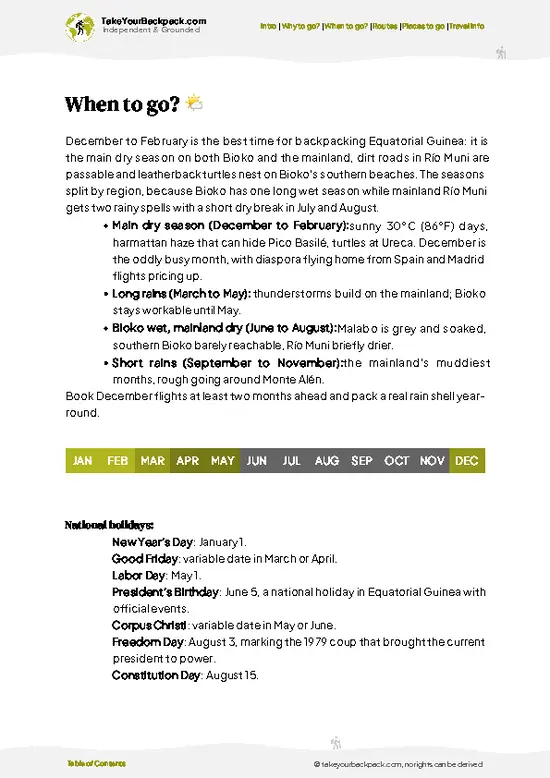
  • Weather: The dry season, from June to September, is your best bet. Expect less humidity and fewer downpours, which means trails stay firm and the air feels fresher. The rainy season (October to May) can turn paths into slippery mudslides, making trekking a slog rather than a joy.
  • Temperature: Daytime highs hover around 28-32°C (82-90°F) year-round, but during the dry season, nights cool down to a more comfortable 20-22°C (68-72°F). The rainy season keeps nights sticky and warm, which can sap your energy.
  • Daylight Hours: Near the equator, daylight is steady—about 12 hours year-round. This consistency means you can plan hikes and explorations without worrying about early sunsets cutting your day short.
  • Crowds: Luba is off the beaten path, so crowds are minimal almost any time. However,
… read more 👉
  • Weather: The dry season, from June to September, is your best bet. Expect less humidity and fewer downpours, which means trails stay firm and the air feels fresher. The rainy season (October to May) can turn paths into slippery mudslides, making trekking a slog rather than a joy.
  • Temperature: Daytime highs hover around 28-32°C (82-90°F) year-round, but during the dry season, nights cool down to a more comfortable 20-22°C (68-72°F). The rainy season keeps nights sticky and warm, which can sap your energy.
  • Daylight Hours: Near the equator, daylight is steady—about 12 hours year-round. This consistency means you can plan hikes and explorations without worrying about early sunsets cutting your day short.
  • Crowds: Luba is off the beaten path, so crowds are minimal almost any time. However, the dry season sees a slight uptick in eco-tourists and local visitors, which means more lively markets and open services.
  • Seasonal Activities: The dry months bring better conditions for wildlife spotting and coastal excursions. The rainy season is quieter but offers lush, vibrant landscapes if you don’t mind the wet.
  • Price Fluctuations: Prices for lodging and guides tend to rise during the dry season due to increased demand. Booking ahead can lock in better rates and ensure availability.
Pro-tip: Aim for early dry season (June-July) to catch the fresh green after rains without the full tourist buzz—perfect for soaking in the raw, earthy vibe of Luba.


source: climatestotravel.comJANJanuary: fair for travelingFEBFebruary: fair for travelingMARMarch: fair for travelingAPRApril: fair for travelingMAYMay: fair for travelingJUNJune: excellent for travelingJULJuly: excellent for travelingAUGAugust: highly recommended for travelingSEPSeptember: highly recommended for travelingOCTOctober: fair for travelingNOVNovember: fair for travelingDECDecember: fair for traveling
equatorial-guinea-city-luba v1
© Google |

✈️ The backpacker research shortcutEquatorial Guinea Travel Guide

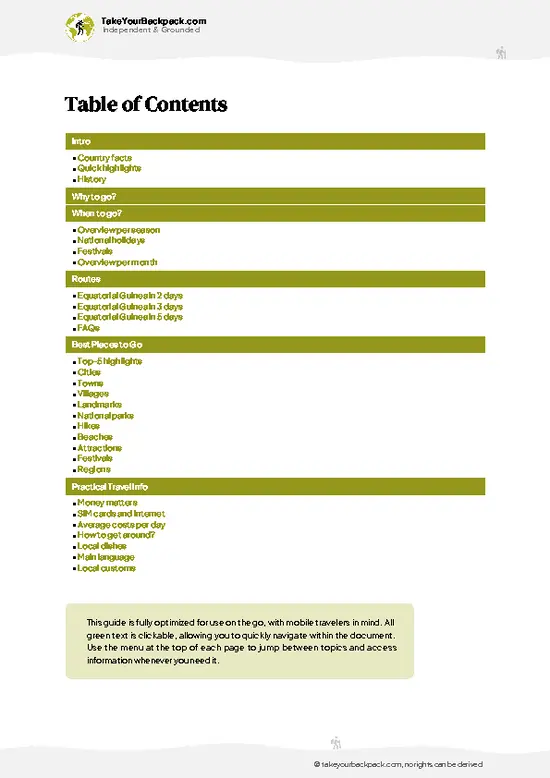
An offline-friendly backpacking guide with optimized travel routes, ranked highlights, transport advice, and the best areas to stay.
example page 0 from our offline Travel Guide for Equatorial Guinea
example page 1 from our offline Travel Guide for Equatorial Guinea
example page 2 from our offline Travel Guide for Equatorial Guinea
example page 3 from our offline Travel Guide for Equatorial Guinea
example page 4 from our offline Travel Guide for Equatorial Guinea
example page 5 from our offline Travel Guide for Equatorial Guinea
example page 6 from our offline Travel Guide for Equatorial Guinea
example page 7 from our offline Travel Guide for Equatorial Guinea
The digital guide (199 pages) contains:
✅ 36 highlights, ranked by travel appeal
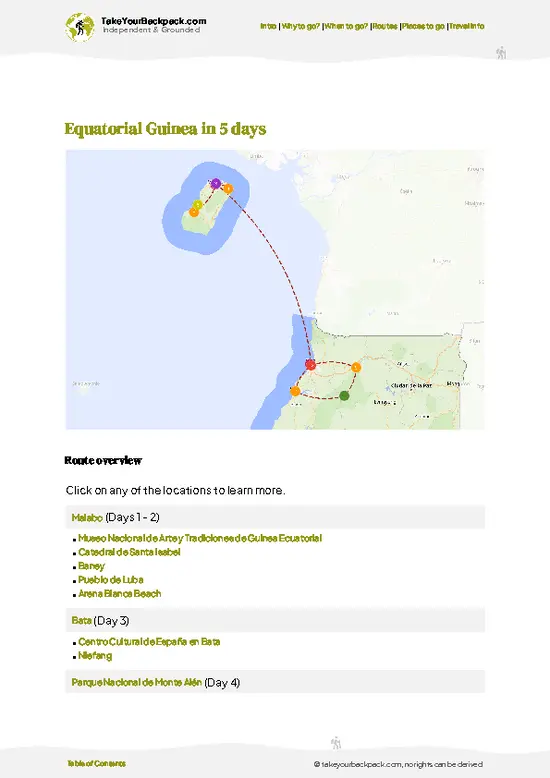
✅ Optimized 2, 3 & 5-day travel routes
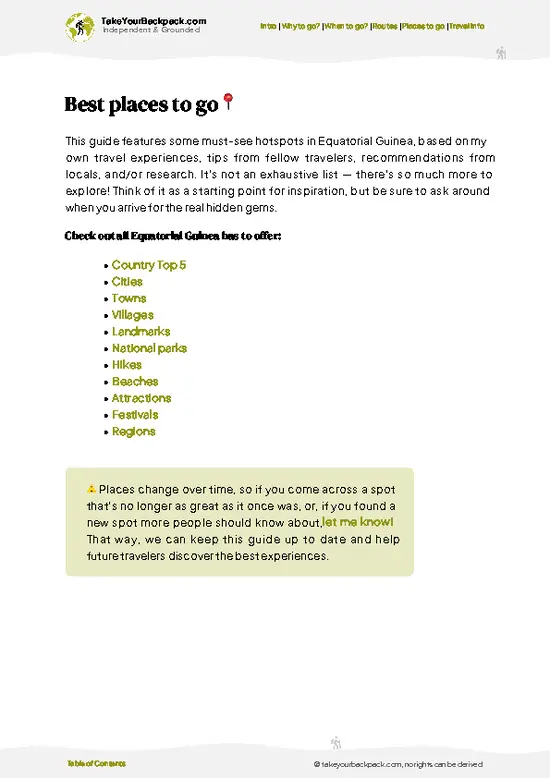
✅ Cities, national parks, landmarks, beaches
✅ How to get around
✅ Offline-friendly for travel without Wi-Fi
👉 Click to see all 30+ guide features

📅 Plan smarter in minutes, not weeks
✅ Month by month travel advice
✅ Festivals & national holidays
✅ Budget expectations

🗺️ Go to the right places, skip the overrated ones
✅ Honest pros & cons of destinations
✅ Top hikes, parks & viewpoints
✅ Lesser-known places most travelers miss
✅ Clear “worth it vs skip it” guidance

🛏️ Travel smoothly without rookie mistakes
✅ Best areas to stay
✅ Transport systems explained simply
✅ Common scams & safety advice
✅ SIM cards, money & practical tips

🌍 Understand the country, not just visit it
✅ Culture & traditions
✅ 52 Essential phrases & customs
✅ Festivals worth planning around
✅ Traveler-friendly historical context
✅ Insights that make places more meaningful

📱 Built for real travel conditions
✅ Fully downloadable PDF
✅ Works completely offline
✅ Optimized for phone use
✅ Useful in remote areas & buses
✅ Everything in one place
Stop searching, start planning
Get instant access to your full guide. 30‑day money-back guarantee.
+ Add another guide for just

By proceeding you agree to our terms.
Sent to your inbox immediately after payment • 100% Secure Checkout
Best Backpacking Travel Advisor 2025 tourism awardBest Backpacking
Travel Advisor
2025
What others say about Take Your Backpack Guides:
⭐⭐⭐⭐⭐
Fantastic, amazing amount of information!
⭐⭐⭐⭐⭐
My goodness this is amazing, it's what I've been looking for hats off too you!
⭐⭐⭐⭐⭐
I think this is absolutely BRILLIANT
⭐⭐⭐⭐
Very complete and informative. It's still missing places, but I gotta to commend you
⭐⭐⭐⭐⭐
This is truly amazing, thank you, can't wait to explore it with my kids!
⭐⭐⭐⭐⭐
Awesome resource, thank you!
⭐⭐⭐⭐⭐
This is amazing! Can't wait to explore the ones I haven't seen
⭐⭐⭐⭐
I love this! Well done, great idea.
⭐⭐⭐⭐⭐
Thanks for taking the time to make this gem!
⭐⭐⭐⭐⭐
This might be the best website I've ever seen.
⭐⭐⭐⭐⭐
Congratulations, and thank you so much for your work; it's incredibly valuable.
⭐⭐⭐⭐
In all seriousness I think you did a great job pointing out the important spots
⭐⭐⭐⭐⭐
10/10 very good
⭐⭐⭐⭐⭐
As someone who's only just starting to visit regularly this is awesome, thank you.
⭐⭐⭐⭐
Thank you very much! I'm going to visit my dad, it's going to be very useful!
⭐⭐⭐⭐⭐
This is really cool! We'll be travelling for the first time and this definitely come in handy.
⭐⭐⭐⭐⭐
You are now our minister of culture, congratulations 👨‍💼
⭐⭐⭐⭐⭐
Just wanted to tell you that this is a pearl! Going to follow your recommendations.
⭐⭐⭐⭐⭐
This is so cool. I'll definitely be using the resource for my travels soon.
⭐⭐⭐⭐⭐
This is very impressive! Good work.
⭐⭐⭐⭐⭐
This is an amazing and informative site. Very well done!

🛏️ Where to stay?Choosing the right base

In Luba, the best spot for backpackers is the central district near the waterfront. This area pulses with life as the sun dips low, casting a warm orange glow on the harbor where fishermen haul in their catch. Staying here means you’re steps away from local markets and street food stalls that fill the air with the sharp tang of grilled fish and the earthy scent of fresh plantains. It’s a neighborhood where safety feels tangible—locals know each other, and the community vibe keeps things grounded and welcoming.

Compared to the quieter residential zones farther inland, this waterfront district … read more 👉
In Luba, the best spot for backpackers is the central district near the waterfront. This area pulses with life as the sun dips low, casting a warm orange glow on the harbor where fishermen haul in their catch. Staying here means you’re steps away from local markets and street food stalls that fill the air with the sharp tang of grilled fish and the earthy scent of fresh plantains. It’s a neighborhood where safety feels tangible—locals know each other, and the community vibe keeps things grounded and welcoming.

Compared to the quieter residential zones farther inland, this waterfront district hums with social energy. You’ll find small guesthouses and a handful of hostels catering to budget travelers, offering a chance to swap stories over shared meals or a cold drink. The streets are lively but not overwhelming, striking a balance between connection and calm.

If you wander too far into the outskirts, the vibe shifts—less foot traffic, fewer fellow travelers, and a sense of isolation that can feel more like a risk than a retreat. So, stick close to the waterfront’s buzz. It’s where the town’s pulse is strongest, and where you’ll find the practical comforts and social spark that make solo travel in Luba not just doable, but genuinely rewarding.

🚌 Getting aroundMoving around without the hassle

Luba moves at its own rhythm, a blend of laid-back island time and bursts of local hustle. It’s not a place where you’ll find strict timetables or polished transit hubs. Instead, the town’s pulse is set by the sun, the tide, and the chatter of vendors setting up shop. The air carries the scent of salt and wood smoke, and the streets—mostly narrow and uneven—invite you to slow down and take it all in. Here, transit isn’t about precision; it’s about reading the moment, catching the right ride when it rolls by, and savoring the journey as much as the destination.
  • Walking: The heart of Luba is compact enough to explore on foot. Streets are cobbled or dirt, so sturdy shoes are a must. Walking lets you soak in the smells of fresh fish at the market, the hum of children playing, and the sudden bursts
… read more 👉
Luba moves at its own rhythm, a blend of laid-back island time and bursts of local hustle. It’s not a place where you’ll find strict timetables or polished transit hubs. Instead, the town’s pulse is set by the sun, the tide, and the chatter of vendors setting up shop. The air carries the scent of salt and wood smoke, and the streets—mostly narrow and uneven—invite you to slow down and take it all in. Here, transit isn’t about precision; it’s about reading the moment, catching the right ride when it rolls by, and savoring the journey as much as the destination.
  • Walking: The heart of Luba is compact enough to explore on foot. Streets are cobbled or dirt, so sturdy shoes are a must. Walking lets you soak in the smells of fresh fish at the market, the hum of children playing, and the sudden bursts of tropical blooms. It’s free, flexible, and the best way to catch the town’s authentic vibe.
  • Shared Taxis (Colectivos): These are the lifeblood of local transit—small vans or cars that fill up and leave when full. They don’t run on a strict schedule; instead, they wait until enough passengers gather. Expect to pay a few cents to a dollar depending on distance. It’s a bit of a waiting game, but the ride is direct and a great way to meet locals. They run from early morning until early evening, roughly 6 AM to 6 PM.
  • Motorcycle Taxis (Motos): When time is tight or the road narrows, motos are your go-to. They dart through traffic and unpaved paths with ease. Fares are negotiable but generally cheap—think a couple of dollars for short hops. Helmets aren’t always standard, so be ready for a raw, wind-in-your-face experience. They operate from dawn until dusk, perfect for quick errands or late returns.
  • Boat Transfers: For reaching nearby coastal spots or islands, small motorboats are essential. These don’t run on a fixed timetable but depart when enough passengers or cargo are ready. Prices vary but expect to pay more than land transport. The ride offers salty air and panoramic views, a scenic break from the town’s earthy tones. Best to arrange these through local contacts or the dock early in the day.
  • Bicycle Rentals: If you want to cover more ground on your own schedule, renting a bike is a smart move. The terrain is mostly flat but can get sandy or rocky near the outskirts. Rentals cost a few dollars a day and give you freedom without the noise or fumes. Early mornings and late afternoons are the best times to pedal, avoiding midday heat and catching the golden light on the town’s colorful walls.

👛 Costs (as of 15 October 2026)Travel costs and budget guide for Luba

Backpacking in Luba, Equatorial Guinea, means stepping into a place where the pace is slow, the air is thick with tropical humidity, and the cost of living reflects its remote, less-touristed nature. Here’s what you can expect to spend day-to-day.
  • Dorm Accommodation: Options are limited and basic. Expect to pay around €10-€15 per night for a shared room in a guesthouse or small hostel. These places often have simple amenities—think mosquito nets, a fan, and sometimes unreliable electricity. The scarcity of budget lodging means booking ahead is wise.
  • Meals: Eating local is the way to go. Street food and small local eateries serve up hearty meals for about €2-€4 each. Staples include fresh fish, plantains, and rice, often cooked with palm oil. Western-style restaurants are rare and pricier,
… read more 👉
Backpacking in Luba, Equatorial Guinea, means stepping into a place where the pace is slow, the air is thick with tropical humidity, and the cost of living reflects its remote, less-touristed nature. Here’s what you can expect to spend day-to-day.
  • Dorm Accommodation: Options are limited and basic. Expect to pay around €10-€15 per night for a shared room in a guesthouse or small hostel. These places often have simple amenities—think mosquito nets, a fan, and sometimes unreliable electricity. The scarcity of budget lodging means booking ahead is wise.
  • Meals: Eating local is the way to go. Street food and small local eateries serve up hearty meals for about €2-€4 each. Staples include fresh fish, plantains, and rice, often cooked with palm oil. Western-style restaurants are rare and pricier, so sticking to local fare keeps costs down and flavors authentic.
  • Local Transport: Transport options are sparse and informal. Shared taxis or minibuses run between towns and cost roughly €1-€2 per trip within the area. For short distances, walking is common, but be prepared for uneven roads and tropical heat. Renting a motorbike is possible but not widespread and can cost around €10 per day.
  • Basic Activities/Entry Fees: Most natural attractions, like beaches or forest trails, have little to no entry fee. If you hire a local guide for wildlife spotting or cultural tours, expect to pay around €10-€20 for a half-day. Organized tours are rare, so negotiating directly with locals is the norm.
  • Miscellaneous Expenses: Internet access is patchy and often requires buying data SIM cards, costing about €5-€10 for a modest data package. Bottled water is essential and costs around €0.50 per liter. Small tips or purchases of local crafts might add a few euros here and there.

All told, a realistic daily budget for an independent backpacker in Luba falls between €20 and €40. This range covers the essentials without skimping on safety or comfort, letting you soak in the raw, humid atmosphere of this off-the-beaten-path town without surprises.


source: guineaecuatorialpress.com
⚠️ Prices can change and everyone travels differently, so take this as a rough guide. Hope it helps you plan your adventure!

🚌 Day tripsExploring the surroundings

Luba is a fantastic base for exploring the rich landscapes and cultures of Equatorial Guinea. With its central location, you can easily embark on day trips that reveal the country’s hidden treasures.

Trip to Monte Alén National Park
This park is a lush paradise, where the air is thick with the scent of damp earth and vibrant foliage. A 1.5-hour drive from Luba, the journey is half the fun, with winding roads that offer glimpses of local life. Once there, you can hike through dense rainforests, spotting unique wildlife like the elusive drill monkey. Expect to spend around $10 for park entry and transportation. The best time to visit is during the dry season, from December to February, when trails are more accessible. A common mistake? Underestimating the park’s size; plan for a full day to … read more 👉
Luba is a fantastic base for exploring the rich landscapes and cultures of Equatorial Guinea. With its central location, you can easily embark on day trips that reveal the country’s hidden treasures.

Trip to Monte Alén National Park
This park is a lush paradise, where the air is thick with the scent of damp earth and vibrant foliage. A 1.5-hour drive from Luba, the journey is half the fun, with winding roads that offer glimpses of local life. Once there, you can hike through dense rainforests, spotting unique wildlife like the elusive drill monkey. Expect to spend around $10 for park entry and transportation. The best time to visit is during the dry season, from December to February, when trails are more accessible. A common mistake? Underestimating the park’s size; plan for a full day to truly soak it in.


Day Trip to Bioko Island
A ferry ride from the mainland, Bioko Island is a vibrant mix of culture and nature. The trip takes about two hours, and you’ll want to budget around $30 for the round trip. Once on the island, explore the bustling markets in Malabo, where the aroma of grilled fish fills the air. Don’t miss the chance to hike to the summit of Pico Basile for breathtaking views. The best months to visit are June to September, when the weather is cooler. First-timers often overlook the ferry schedule; check it in advance to avoid long waits.


Visit to the Beaches of Sipopo
Just a short 30-minute drive from Luba, Sipopo offers stunning beaches where the sound of waves crashing against the shore is a soothing backdrop. The cost is minimal—around $5 for transportation. Spend your day swimming, sunbathing, or enjoying fresh seafood from local vendors. The dry season is ideal for beach outings, but avoid weekends when it gets crowded with locals. A common rookie mistake is forgetting sunscreen; the sun here can be relentless.


Exploring the Town of Luba
Sometimes, the best adventure is right at your doorstep. Spend a day wandering the streets of Luba, where the vibrant colors of local crafts and the sounds of laughter fill the air. You can easily spend a few hours here, soaking in the culture and sampling street food for just a few dollars. The best time to visit is early morning or late afternoon when the light is soft and the town is alive. Many travelers rush through; take your time to connect with locals and discover the town’s charm.

🛡️ SafetyStaying Safe: What Travelers Should Know

Luba is generally safe, but staying aware enhances your experience. The market area can get bustling, so keep your belongings close. When navigating the streets, especially at night, stick to well-lit paths and avoid wandering alone.

Solo travelers should embrace the local vibe but remain cautious. Engage with friendly locals, but trust your instincts if a conversation feels off.

Scams are rare, but some vendors might inflate prices for tourists. A friendly smile and a bit of negotiation can go a long way. Everyday annoyances include the occasional stray dog or a vendor who won’t take no for an answer; a firm but polite refusal usually does the trick.

Overall, a calm demeanor and a bit of street smarts will unlock the charm of this coastal town.

FAQTraveler FAQ

Luba is worth visiting for its natural beauty and cultural experience, not just a stopover. It offers access to nearby beaches and the Monte Alen National Park, making it appealing for nature lovers and hikers.
You need about 2 to 3 days in Luba to explore the town, enjoy the local beaches, and take a day trip to Monte Alen National Park. This allows enough time to experience the main attractions without rushing.
Yes, Luba can be visited as a day trip from Malabo, which is about 70 kilometers away. However, the travel time by road can take around 2 to 3 hours each way, so an early start is necessary.
⚠️ Things can change over time, so always validate details locally before you go.

Other Equatoguinean towns near Luba

Explore more nearby:

  • Moka—crater lakes, cool climate, highland farming| 18 km away
  • Rebola—mountain slopes, Bioko Island villages, traditional homesteads| 43 km away
  • Baney—road junction, local commerce, Bioko highlands| 48 km away

💡 Not sure where to go next?
Create a personalized itinerary for Equatorial Guinea including Luba and the places that fit your trip.

Generate my itinerary

👉 Discover all towns

Or checkout all Equatorial Guinea has to offer (think cities, towns, villages, national parks, hikes, beaches, festivals)
Country photo of Equatorial Guinea

We 💚 feedbackIs it worth it?

Luba has a laid-back vibe that feels like a warm embrace. The scent of fresh fish grilling on the beach mingles with the salty air, creating a sensory feast. The best surprise? The locals’ genuine smiles and willingness to share stories over a cold drink. Just a heads-up: the roads can be rough, so don’t rush. Embrace the journey; it’s part of the charm. You’ll leave with a piece of their spirit in your heart.

✍️ Help improve this page!
The information on this page is based on in-depth research, insights shared by experienced travelers, and feedback from the local travel community in Equatorial Guinea. While every effort is made to keep the information accurate and current, conditions can change — so if you spot anything incorrect or outdated, please get in touch.


🙋‍♂️ Give feedback

👋 Meet the founderWho’s Behind Take Your Backpack?

Johan, backpacker and founder of TakeYourBackpackHi, I’m Johan (Netherlands 🇳🇱), the creator of TakeYourBackpack. Over the past 3 decades, I’ve backpacked through 90+ countries across six continents, gaining extensive experience with independent travel, long-term trips, and overland routes.

This site is built on a combination of firsthand travel experience and carefully curated insights from other backpackers. Many guides are based on places I’ve personally visited, while others bring together tips, observations, and practical advice shared by trusted travelers I’ve met along the way.

The goal is to provide realistic, experience-driven guidance — not generic itineraries — so you can explore destinations with better context, clearer expectations, and more confidence.