×

Eritrea🇪🇷 | landmarksAdulisAksumite port ruins, basilica foundations, Gulf of Zula plain, potsherd-strewn mounds | things to do and best time to go

Explore Debre Bizen MonasteryExplore Asmara Cathedral

Backpacking in Adulis
🌟 Highlightunique site ranked #2
By Johan Kruseman 🇳🇱 | Updated October 22, 2026

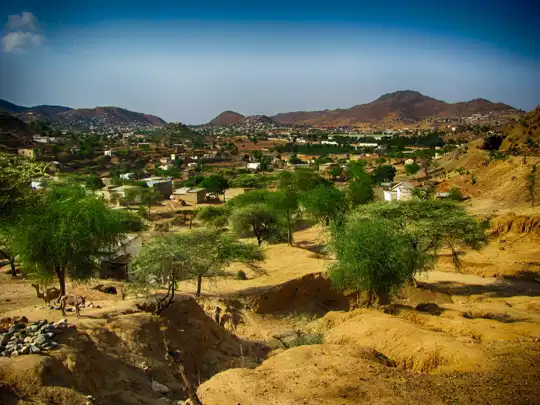
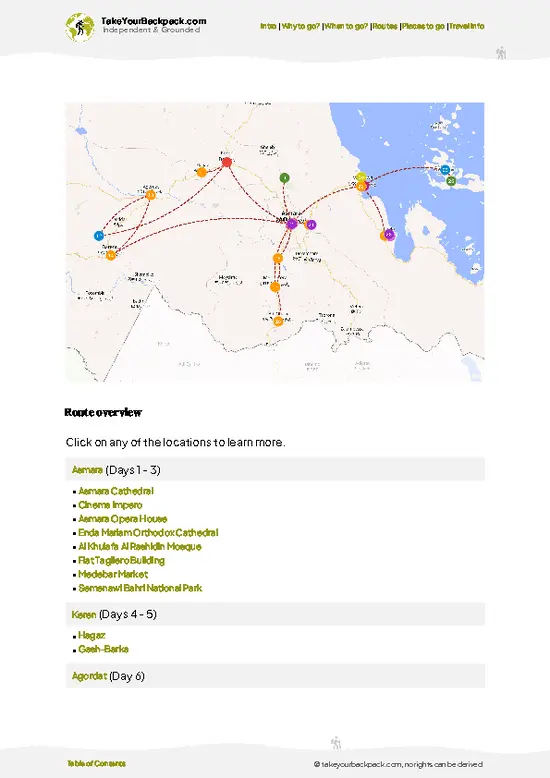
Adulis has no ticket booth, no souvenir stalls and very little standing masonry, and most visitors arrive expecting more. It lies on the Red Sea coast in the south of Eritrea, south of Massawa, on a flat plain beside the Gulf of Zula. This was the main port of the Aksumite kingdom, and the history is far larger than what you can see. The low mounds, scattered potsherds and the excavated footprint of a large early church repay anyone who enjoys reading a landscape, but they will bore anyone who needs a facade to photograph. Photography here is about light, thorn scrub and distance. Crowds do not exist, and you will likely have the site to yourself and a guide. Spend an hour on the church foundations and the mounds, then move on. Before going, know that foreigners need a travel permit from the Ministry of Tourism in Asmara to leave the capital region, so arrange it first.

Discover everything you want to know in the 📖 Eritrea Travel Guide.


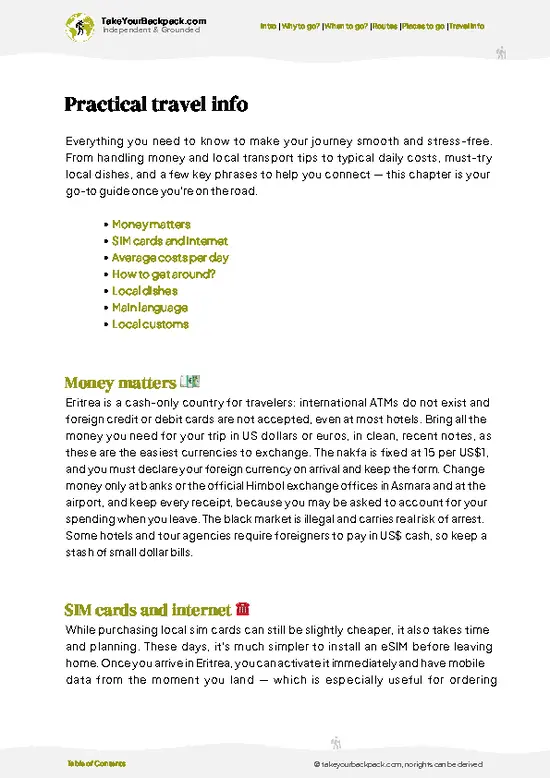
example page 0 from our offline Travel Guide for Eritrea
example page 1 from our offline Travel Guide for Eritrea
example page 2 from our offline Travel Guide for Eritrea
example page 3 from our offline Travel Guide for Eritrea
example page 4 from our offline Travel Guide for Eritrea
example page 5 from our offline Travel Guide for Eritrea
example page 6 from our offline Travel Guide for Eritrea
example page 7 from our offline Travel Guide for Eritrea
Loading the map 🌍
CLICK TO FILTER
cities
towns
villages
landmarks
national parks
hikes
beaches
attractions
festivals
regions
SHOW COUNTRY’S BESTSHOW ALL

✨ Why go?
Ranked #2 unique site in Eritrea
The unique appeal for travelers

Adulis is the place where Eritrea’s oldest trade story makes physical sense. Between roughly the first and seventh centuries AD, ivory, tortoiseshell and rhinoceros horn left this shore for Egypt, Arabia and India, and the Periplus of the Erythraean Sea already described the port in the first century. Standing on the plain, you can see why: a sheltered gulf, a flat approach, and the highlands of Aksum a long climb inland.

The effort is modest if you are already doing the coastal run. Adulis fits neatly between Massawa and the Danakil-facing south, so it becomes a morning detour rather than a separate expedition. Few archaeological sites in East Africa can be reached this easily and still feel unvisited.

The third reason is the story attached to the place. The Monumentum Adulitanum, a Greek … read more 👉
Adulis is the place where Eritrea’s oldest trade story makes physical sense. Between roughly the first and seventh centuries AD, ivory, tortoiseshell and rhinoceros horn left this shore for Egypt, Arabia and India, and the Periplus of the Erythraean Sea already described the port in the first century. Standing on the plain, you can see why: a sheltered gulf, a flat approach, and the highlands of Aksum a long climb inland.

The effort is modest if you are already doing the coastal run. Adulis fits neatly between Massawa and the Danakil-facing south, so it becomes a morning detour rather than a separate expedition. Few archaeological sites in East Africa can be reached this easily and still feel unvisited.

The third reason is the story attached to the place. The Monumentum Adulitanum, a Greek inscription copied here by the sixth-century monk Cosmas Indicopleustes, turns a patch of dust into a stop with real literary weight. Read about it beforehand and the site gets considerably richer.

💡 HighlightsMust-see experiences and standout moments

  1. The church ruins: The excavated foundations of a large basilica-style church, dated to around the sixth century, are the clearest built feature at Adulis. You can trace the plan of the nave and side aisles on the ground, and it shows how Christianity arrived on this coast alongside the Aksumite trade routes.
  2. The Monumentum Adulitanum story: Cosmas Indicopleustes recorded a Greek inscription from a throne and stele here, praising the conquests of a ruler usually identified as Ptolemy III. The stones have long gone, but the site is where the text was copied, and that gives the mounds literary weight.
  3. The town mounds: Low earthen rises across the plain cover the streets and buildings of the old port. Italian excavators in the early twentieth century and later teams uncovered walls and rooms. Walk
… read more 👉
  1. The church ruins: The excavated foundations of a large basilica-style church, dated to around the sixth century, are the clearest built feature at Adulis. You can trace the plan of the nave and side aisles on the ground, and it shows how Christianity arrived on this coast alongside the Aksumite trade routes.
  2. The Monumentum Adulitanum story: Cosmas Indicopleustes recorded a Greek inscription from a throne and stele here, praising the conquests of a ruler usually identified as Ptolemy III. The stones have long gone, but the site is where the text was copied, and that gives the mounds literary weight.
  3. The town mounds: Low earthen rises across the plain cover the streets and buildings of the old port. Italian excavators in the early twentieth century and later teams uncovered walls and rooms. Walk slowly and you will see the outlines of the rooms and the scatter of pottery fragments in between.
  4. Potsherds and surface finds: Fragments of amphorae and other trade pottery lie on the ground, evidence of contact with the Mediterranean and beyond. Looking is fine. Leave everything where it lies, since the site is protected and nothing here is a souvenir.
  5. The Gulf of Zula shoreline: The coast beside Adulis is flat, hot and wide, and the water is shallow and sheltered. It explains the choice of location. A short stop here connects the ruins to the sea trade that built them.
  6. Zula village and the surrounding plain: The nearby settlement shows how people live on this coast today, among thorn trees, goats and low houses. It gives the ruins context, and it is the natural place to arrange tea if your guide knows people.
Start with the church ruins, because their clear floor plan gives you a reference point for reading the rest of the mounds.
Spotted a mistake or missing something? Contact us.

Things to do near Adulis

Ratings based on Tripadvisor reviews. When you book through this link, you support our work at no extra cost to you.

🌤️ When to go?Seasonal considerations and timing

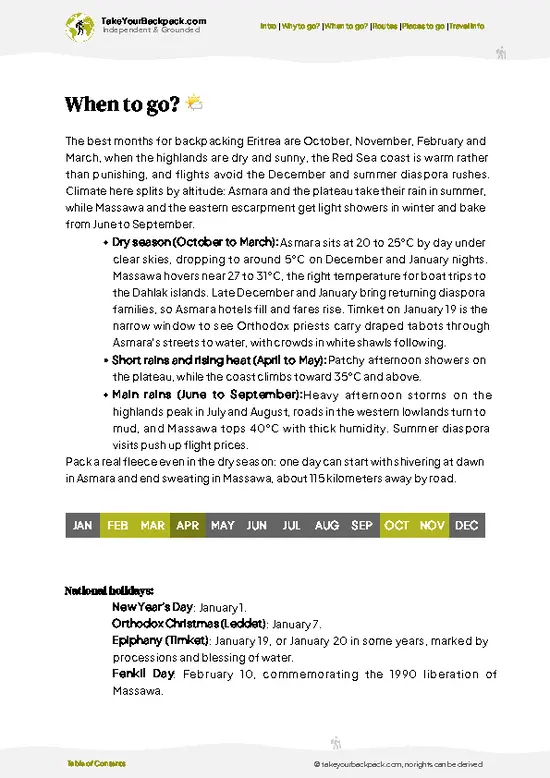
  • Winter (December to February): Adulis is easiest to handle now, with daytime highs of 27 to 32°C (81 to 90°F) and nights around 20 to 23°C (68 to 73°F) on the Red Sea coastal plain. Rain is rare, so the ruins near Zula are dry underfoot and the dirt tracks are firm.
  • Spring (March to May): Heat builds quickly, reaching 33 to 38°C (91 to 100°F) by May. Dust and humidity rise, and exploring the exposed site after midmorning becomes a grind.
  • Summer (June to September): Expect 38 to 44°C (100 to 111°F) with heavy humidity. Brief rains can flood wadis and wash out tracks. I would skip this season entirely.
  • Autumn (October to November): Temperatures ease back to 30 to 35°C (86 to 95°F). Daylight stays near 11 to 12 hours across the year, so start early either way.
Crowds are not a factor at Adulis, since … read more 👉
  • Winter (December to February): Adulis is easiest to handle now, with daytime highs of 27 to 32°C (81 to 90°F) and nights around 20 to 23°C (68 to 73°F) on the Red Sea coastal plain. Rain is rare, so the ruins near Zula are dry underfoot and the dirt tracks are firm.
  • Spring (March to May): Heat builds quickly, reaching 33 to 38°C (91 to 100°F) by May. Dust and humidity rise, and exploring the exposed site after midmorning becomes a grind.
  • Summer (June to September): Expect 38 to 44°C (100 to 111°F) with heavy humidity. Brief rains can flood wadis and wash out tracks. I would skip this season entirely.
  • Autumn (October to November): Temperatures ease back to 30 to 35°C (86 to 95°F). Daylight stays near 11 to 12 hours across the year, so start early either way.
Crowds are not a factor at Adulis, since few travelers visit. Winter is when guides and vehicles from Massawa are easiest to arrange, so book a few days ahead.


source: climatestotravel.comJANJanuary: excellent for travelingFEBFebruary: excellent for travelingMARMarch: highly recommended for travelingAPRApril: good for travelingMAYMay: fair for travelingJUNJune: below average for travelingJULJuly: below average for travelingAUGAugust: below average for travelingSEPSeptember: fair for travelingOCTOctober: good for travelingNOVNovember: excellent for travelingDECDecember: excellent for traveling
when-to-go

✈️ The backpacker research shortcutEritrea Travel Guide

An offline-friendly backpacking guide with optimized travel routes, ranked highlights, transport advice, and the best areas to stay.
example page 0 from our offline Travel Guide for Eritrea
example page 1 from our offline Travel Guide for Eritrea
example page 2 from our offline Travel Guide for Eritrea
example page 3 from our offline Travel Guide for Eritrea
example page 4 from our offline Travel Guide for Eritrea
example page 5 from our offline Travel Guide for Eritrea
example page 6 from our offline Travel Guide for Eritrea
example page 7 from our offline Travel Guide for Eritrea
The digital guide (245 pages) contains:
✅ 56 highlights, ranked by travel appeal
✅ Optimized 5, 10 & 15-day travel routes
✅ Cities, national parks, landmarks, beaches
✅ How to get around
✅ Offline-friendly for travel without Wi-Fi
👉 Click to see all 30+ guide features

📅 Plan smarter in minutes, not weeks
✅ Month by month travel advice
✅ Festivals & national holidays
✅ Budget expectations

🗺️ Go to the right places, skip the overrated ones
✅ Honest pros & cons of destinations
✅ Top hikes, parks & viewpoints
✅ Lesser-known places most travelers miss
✅ Clear “worth it vs skip it” guidance

🛏️ Travel smoothly without rookie mistakes
✅ Best areas to stay
✅ Transport systems explained simply
✅ Common scams & safety advice
✅ SIM cards, money & practical tips

🌍 Understand the country, not just visit it
✅ Culture & traditions
✅ 52 Essential phrases & customs
✅ Festivals worth planning around
✅ Traveler-friendly historical context
✅ Insights that make places more meaningful

📱 Built for real travel conditions
✅ Fully downloadable PDF
✅ Works completely offline
✅ Optimized for phone use
✅ Useful in remote areas & buses
✅ Everything in one place
Stop searching, start planning
Get instant access to your full guide. 30‑day money-back guarantee.
+ Add another guide for just

By proceeding you agree to our terms.
Sent to your inbox immediately after payment • 100% Secure Checkout
Best Backpacking Travel Advisor 2025 tourism awardBest Backpacking
Travel Advisor
2025
What others say about Take Your Backpack Guides:
⭐⭐⭐⭐⭐
Fantastic, amazing amount of information!
⭐⭐⭐⭐⭐
My goodness this is amazing, it's what I've been looking for hats off too you!
⭐⭐⭐⭐⭐
I think this is absolutely BRILLIANT
⭐⭐⭐⭐
Very complete and informative. It's still missing places, but I gotta to commend you
⭐⭐⭐⭐⭐
This is truly amazing, thank you, can't wait to explore it with my kids!
⭐⭐⭐⭐⭐
Awesome resource, thank you!
⭐⭐⭐⭐⭐
This is amazing! Can't wait to explore the ones I haven't seen
⭐⭐⭐⭐
I love this! Well done, great idea.
⭐⭐⭐⭐⭐
Thanks for taking the time to make this gem!
⭐⭐⭐⭐⭐
This might be the best website I've ever seen.
⭐⭐⭐⭐⭐
Congratulations, and thank you so much for your work; it's incredibly valuable.
⭐⭐⭐⭐
In all seriousness I think you did a great job pointing out the important spots
⭐⭐⭐⭐⭐
10/10 very good
⭐⭐⭐⭐⭐
As someone who's only just starting to visit regularly this is awesome, thank you.
⭐⭐⭐⭐
Thank you very much! I'm going to visit my dad, it's going to be very useful!
⭐⭐⭐⭐⭐
This is really cool! We'll be travelling for the first time and this definitely come in handy.
⭐⭐⭐⭐⭐
You are now our minister of culture, congratulations 👨‍💼
⭐⭐⭐⭐⭐
Just wanted to tell you that this is a pearl! Going to follow your recommendations.
⭐⭐⭐⭐⭐
This is so cool. I'll definitely be using the resource for my travels soon.
⭐⭐⭐⭐⭐
This is very impressive! Good work.
⭐⭐⭐⭐⭐
This is an amazing and informative site. Very well done!

🛏️ Where to stay?Choosing the right base

Stay in Massawa, the Red Sea port about 40 to 60 kilometers north of Adulis, because it is the only realistic base with budget beds, food and transport. Adulis itself has no tourist lodging, and the nearby coastal villages around Zula offer nothing for visitors.
Within Massawa, the island of Massawa (Batsi) is the best choice for backpackers. Its Ottoman and Egyptian-era coral stone buildings, waterfront cafes and short walking distances make it the safest and most sociable area. You can eat fresh fish, meet other travelers and sort out a driver for the ruins without needing a vehicle yourself. … read more 👉
Stay in Massawa, the Red Sea port about 40 to 60 kilometers north of Adulis, because it is the only realistic base with budget beds, food and transport. Adulis itself has no tourist lodging, and the nearby coastal villages around Zula offer nothing for visitors.
Within Massawa, the island of Massawa (Batsi) is the best choice for backpackers. Its Ottoman and Egyptian-era coral stone buildings, waterfront cafes and short walking distances make it the safest and most sociable area. You can eat fresh fish, meet other travelers and sort out a driver for the ruins without needing a vehicle yourself. Expect simple rooms, fans or air conditioning and a quiet nightlife, as Eritrea is a calm country with a low-key evening scene.
Taulud, on the causeway side, and the mainland district of Edaga Berai are cheaper and quieter, and work if island rooms are full. Both are reachable on foot or by a short taxi ride.
Asmara is a different option for the highlands, but it sits roughly 115 kilometers away by winding road, so it is too far for a morning start to Adulis. Travel permits are required for trips outside towns, and your Massawa accommodation can often help with arrangements.

👛 Costs (as of 22 October 2026)Money, prices, and spending tips

Adulis costs a backpacker roughly US$56 to 77 a day, with most of that going to a hired vehicle and guide from Massawa rather than to the site itself. Prices vary and cash is the norm, so carry dollars or euros to change.
CategoryBudget RangeLocal Reality
Accommodation (low season)US$15 to 25Basic rooms in Massawa; fans or air conditioning cost more.
Accommodation (high season)US$20 to 35Winter is busier, so book ahead for the island district.
Site entryUS$0 to 5The ruins are unstaffed and unlit, with no facilities.
Hired vehicle and driverUS$25 to 40A private car for the half-day round trip; sharing cuts the cost.
Travel permitUS$0 to 5Needed to leave Massawa; fees and rules can change, so confirm locally.
Food and waterUS$6 to 12Fish, injera and pasta in Massawa; bring your own water to the ruins.
… read more 👉
Adulis costs a backpacker roughly US$56 to 77 a day, with most of that going to a hired vehicle and guide from Massawa rather than to the site itself. Prices vary and cash is the norm, so carry dollars or euros to change.
CategoryBudget RangeLocal Reality
Accommodation (low season)US$15 to 25Basic rooms in Massawa; fans or air conditioning cost more.
Accommodation (high season)US$20 to 35Winter is busier, so book ahead for the island district.
Site entryUS$0 to 5The ruins are unstaffed and unlit, with no facilities.
Hired vehicle and driverUS$25 to 40A private car for the half-day round trip; sharing cuts the cost.
Travel permitUS$0 to 5Needed to leave Massawa; fees and rules can change, so confirm locally.
Food and waterUS$6 to 12Fish, injera and pasta in Massawa; bring your own water to the ruins.
Total Daily BudgetUS$56 to 77Based on high-season accommodation and a private vehicle.
⚠️ Prices can change and everyone travels differently, so take this as a rough guide. Hope it helps you plan your adventure!

FAQFrequently asked questions about Adulis

Adulis is an ancient port city on the Red Sea coast of Eritrea, once the main outlet of the Aksumite kingdom. Its scattered ruins sit on a plain near the village of Zula, roughly 40 to 60 kilometers south of Massawa. Excavations have revealed a church, buildings and traces of trade with Egypt, Rome and India, though little stands tall.
Plan about half a day at Adulis, roughly 2 to 3 hours on site. Add the drive from Massawa, which takes about 1 to 1.5 hours each way on rough tracks. Most travelers visit in one morning and return to Massawa by early afternoon, before the heat peaks.
To reach Adulis, base yourself in Massawa and hire a private vehicle with a driver for about US$25 to 40 round trip. The route heads south along the coast toward Zula and the final stretch is unpaved. Public transport does not serve the site, and you generally need a travel permit arranged in Massawa or Asmara.
⚠️ Things can change over time, so always validate details locally before you go.

Other Eritrean landmarks near Adulis

Explore more nearby:

  • Qohaito—mountain plateau, rock-cut tombs, pre-Aksumite structures| 51 km away
  • Debre Bizen Monastery—mountain monastery, steep ascents, panoramic views| 62 km away
  • Asmara Cathedral—Italian-era architecture, bell tower, city center landmark| 78 km away

💡 Not sure where to go next?
Create a personalized itinerary for Eritrea including Adulis and the places that fit your trip.

Generate my itinerary

👉 Discover all landmarks

Or checkout all Eritrea has to offer (think cities, towns, villages, national parks, hikes, beaches, festivals)
Country photo of Eritrea

We 💚 feedbackFinal thoughts on visiting Adulis

Adulis disappoints people who arrive at midday expecting a monument, because the heat is heavy and the ruins are subtle. I would go early, read about the Monumentum Adulitanum and the Aksumite port beforehand, and bring plenty of water and a hat. Treat it as a history stop, not a photo stop.

✍️ Help improve this page!
The information on this page is based on in-depth research, insights shared by experienced travelers, and feedback from the local travel community in Eritrea. While every effort is made to keep the information accurate and current, conditions can change — so if you spot anything incorrect or outdated, please get in touch.


🙋‍♂️ Give feedback

👋 Meet the founderWho’s Behind Take Your Backpack?

Johan, backpacker and founder of TakeYourBackpackHi, I’m Johan (Netherlands 🇳🇱), the creator of TakeYourBackpack. Over the past 3 decades, I’ve backpacked through 90+ countries across six continents, gaining extensive experience with independent travel, long-term trips, and overland routes.

This site is built on a combination of firsthand travel experience and carefully curated insights from other backpackers. Many guides are based on places I’ve personally visited, while others bring together tips, observations, and practical advice shared by trusted travelers I’ve met along the way.

The goal is to provide realistic, experience-driven guidance — not generic itineraries — so you can explore destinations with better context, clearer expectations, and more confidence.