v2.webp)
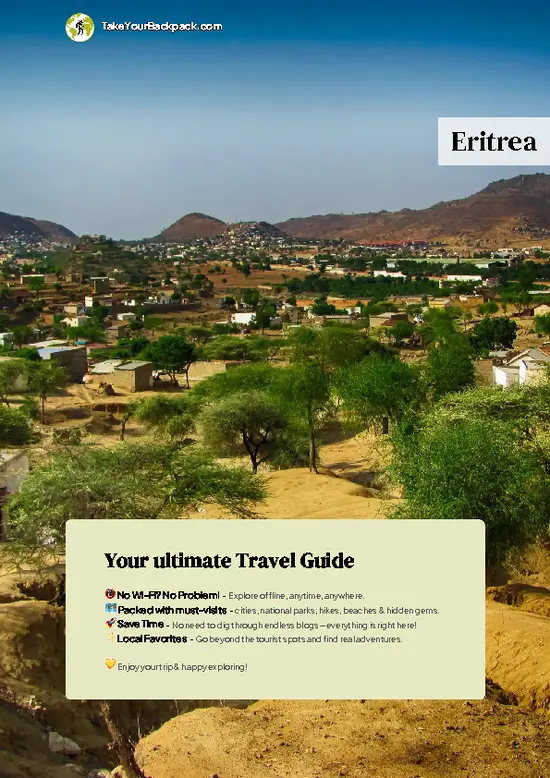
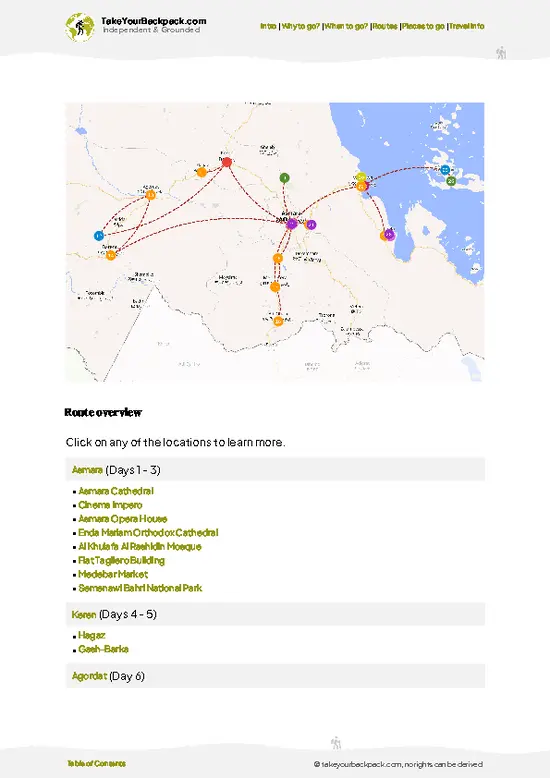
- Debarwa hilltop ruins: the old fortified settlement of the Bahr Negash rulers, with fragments of walls and foundations on the rise above town. Go in the morning, when the light is soft and the climb is cool. Free, usually 1 to 2 hours.
- Kidane Mehret church: an Orthodox Tewahdo church in a quiet compound where priests and worshippers gather. Dress modestly and remove shoes where asked. Early morning suits services. A small donation is customary, around US$1 to 2, and a visit takes 30 to 45 minutes.
- Old stone lanes of Debarwa: walk the older neighborhoods where houses of local stone line narrow paths. Late afternoon is pleasant, with people returning from the fields. Free, about 1 hour.
- Viewpoints over the valley: the edges of the hill give wide views over terraced farmland and the road toward
- Debarwa hilltop ruins: the old fortified settlement of the Bahr Negash rulers, with fragments of walls and foundations on the rise above town. Go in the morning, when the light is soft and the climb is cool. Free, usually 1 to 2 hours.
- Kidane Mehret church: an Orthodox Tewahdo church in a quiet compound where priests and worshippers gather. Dress modestly and remove shoes where asked. Early morning suits services. A small donation is customary, around US$1 to 2, and a visit takes 30 to 45 minutes.
- Old stone lanes of Debarwa: walk the older neighborhoods where houses of local stone line narrow paths. Late afternoon is pleasant, with people returning from the fields. Free, about 1 hour.
- Viewpoints over the valley: the edges of the hill give wide views over terraced farmland and the road toward Keren. Late afternoon is best for a long look. Free, 20 to 30 minutes.
- Debarwa market area: the small market handles daily needs, with vegetables, grain, injera and tea. Mornings are busiest. Spending is minimal, roughly US$1 to 3 for a snack, and 30 minutes is plenty.
Spotted a mistake or missing something? Contact us.


 Best Backpacking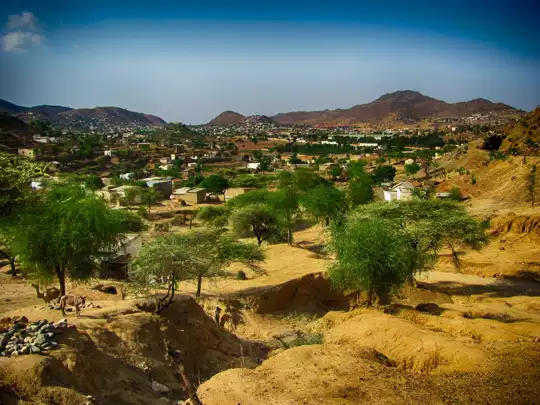
.jpg) Hi, I’m Johan (Netherlands 🇳🇱), the creator of TakeYourBackpack. Over the past 3 decades, I’ve backpacked through 90+ countries across six continents, gaining extensive experience with independent travel, long-term trips, and overland routes.
Hi, I’m Johan (Netherlands 🇳🇱), the creator of TakeYourBackpack. Over the past 3 decades, I’ve backpacked through 90+ countries across six continents, gaining extensive experience with independent travel, long-term trips, and overland routes.