
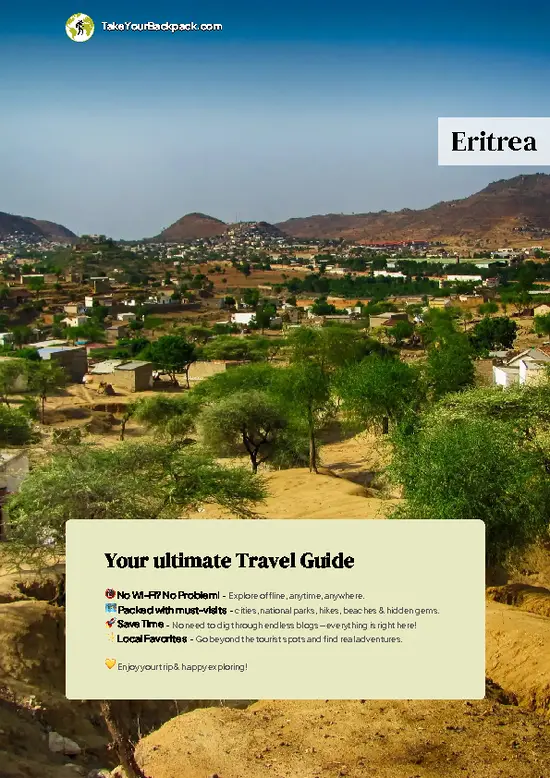

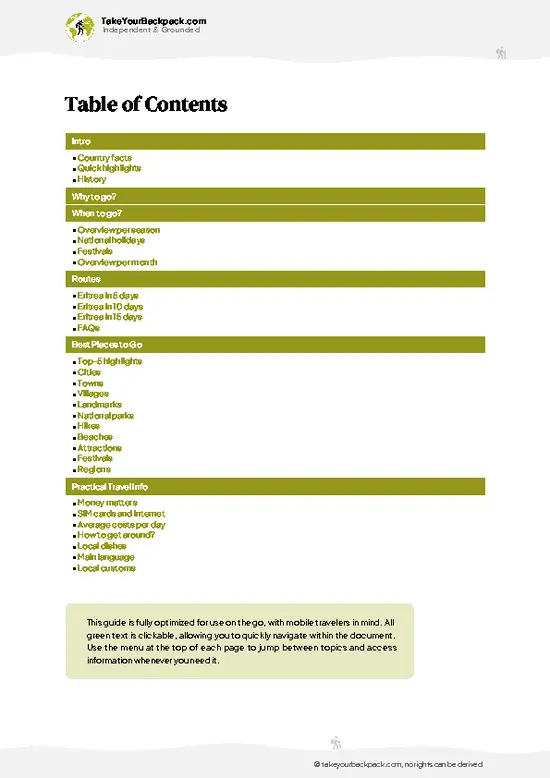

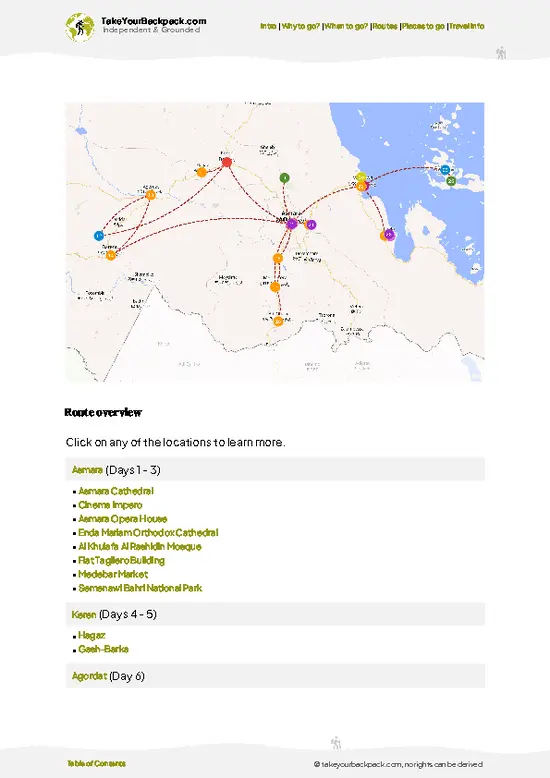
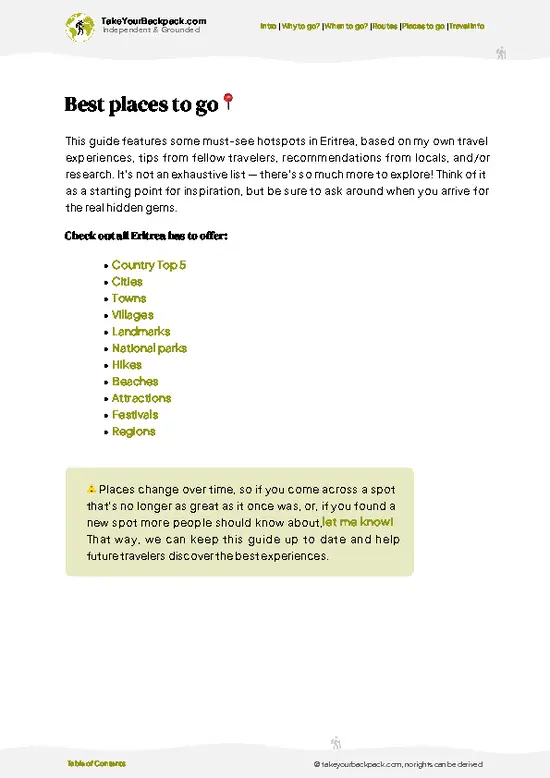
The Sunken Sanctuary: Descending into ’Nda Mariam’s Crypt-Like Interior
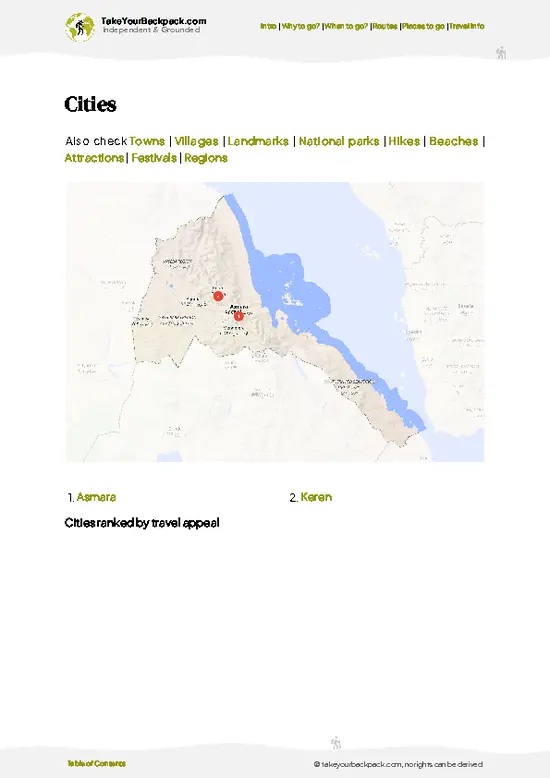
Forget the postcard shots of the exterior. The real punch comes when you step inside and realize you’re descending—not up, but down—into a cool, semi-subterranean chamber. The church’s main hall sits below street level, a quirk born from both tradition and necessity. The effect is immediate: the city’s noise fades, the temperature drops, and you’re wrapped in a hush that feels ancient. It’s not just atmospheric; it’s a direct line to the early Christian roots of Eritrea, where worship often meant hiding in plain sight. If you want a church that feels like a secret, this is it.
The Granite Facade: A Monument to Eritrean Grit
From the outside, ’Nda Mariam doesn’t try to seduce you with gold or mosaics. Instead, it’s all about … read more 👉
The Sunken Sanctuary: Descending into ’Nda Mariam’s Crypt-Like Interior
Forget the postcard shots of the exterior. The real punch comes when you step inside and realize you’re descending—not up, but down—into a cool, semi-subterranean chamber. The church’s main hall sits below street level, a quirk born from both tradition and necessity. The effect is immediate: the city’s noise fades, the temperature drops, and you’re wrapped in a hush that feels ancient. It’s not just atmospheric; it’s a direct line to the early Christian roots of Eritrea, where worship often meant hiding in plain sight. If you want a church that feels like a secret, this is it.
The Granite Facade: A Monument to Eritrean Grit
From the outside, ’Nda Mariam doesn’t try to seduce you with gold or mosaics. Instead, it’s all about raw, unpolished granite—quarried locally and stacked with the kind of stubborn pride that defines Asmara itself. The church’s blocky, fortress-like look is a statement: this is a place built to last, not to impress tourists. It’s a living reminder that Eritrean faith and identity are carved from the same stone as the building itself.
The Bell Tower: Asmara’s Unofficial Timekeeper
You’ll hear it before you see it. The bell tower at ’Nda Mariam isn’t just for show—it’s the city’s heartbeat. The bells ring out for weddings, funerals, and every major Orthodox feast, echoing across downtown Asmara. Locals actually use the bells to mark time, and if you’re lucky enough to be there during a service, the sound is less ‘background noise’ and more ‘sonic landmark.’ It’s a reminder that this church isn’t a museum; it’s woven into the daily rhythm of the city.
The Sunday Morning Spectacle: Faith on Full Display
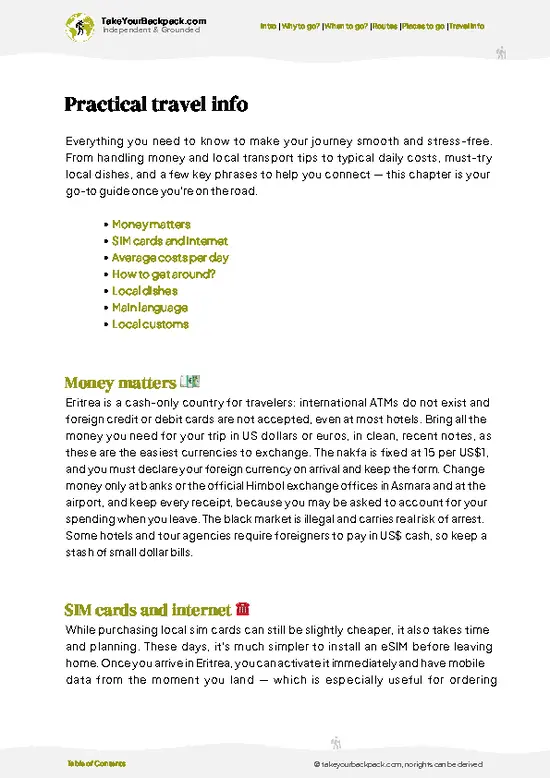
Skip the empty weekday visits. Show up on a Sunday morning and you’ll see the church at full throttle. The courtyard fills with worshippers in crisp white shawls, incense clouds drift through the air, and the chanting spills out onto the street. It’s not staged for tourists—this is the real deal, a living ritual that’s been running for centuries. You’ll feel like you’re witnessing something both deeply local and universally human.
The Iconostasis: Art That’s Meant to Be Used, Not Admired
Don’t expect a sterile art gallery. The iconostasis—a wall of icons separating the nave from the sanctuary—is battered, kissed, and touched by generations. The icons aren’t just pretty pictures; they’re objects of devotion, worn smooth by hands and lips. The patina isn’t neglect—it’s proof of use. If you want to see faith in action, watch how locals interact with these images. It’s tactile, emotional, and utterly unfiltered.
Spotted a mistake or missing something? Contact us.


 Best Backpacking
 Hi, I’m Johan (Netherlands 🇳🇱), the creator of TakeYourBackpack. Over the past 3 decades, I’ve backpacked through 90+ countries across six continents, gaining extensive experience with independent travel, long-term trips, and overland routes.