How many attractions to plan: I would advise
five to seven attractions on a trip of 8 to 12 days. Roads are slow, permits fix the route in advance, and the heat on the coast shortens usable hours. More than that means long hours in vehicles for a quick look at each place. Fewer than five wastes the effort of obtaining visa and permits.
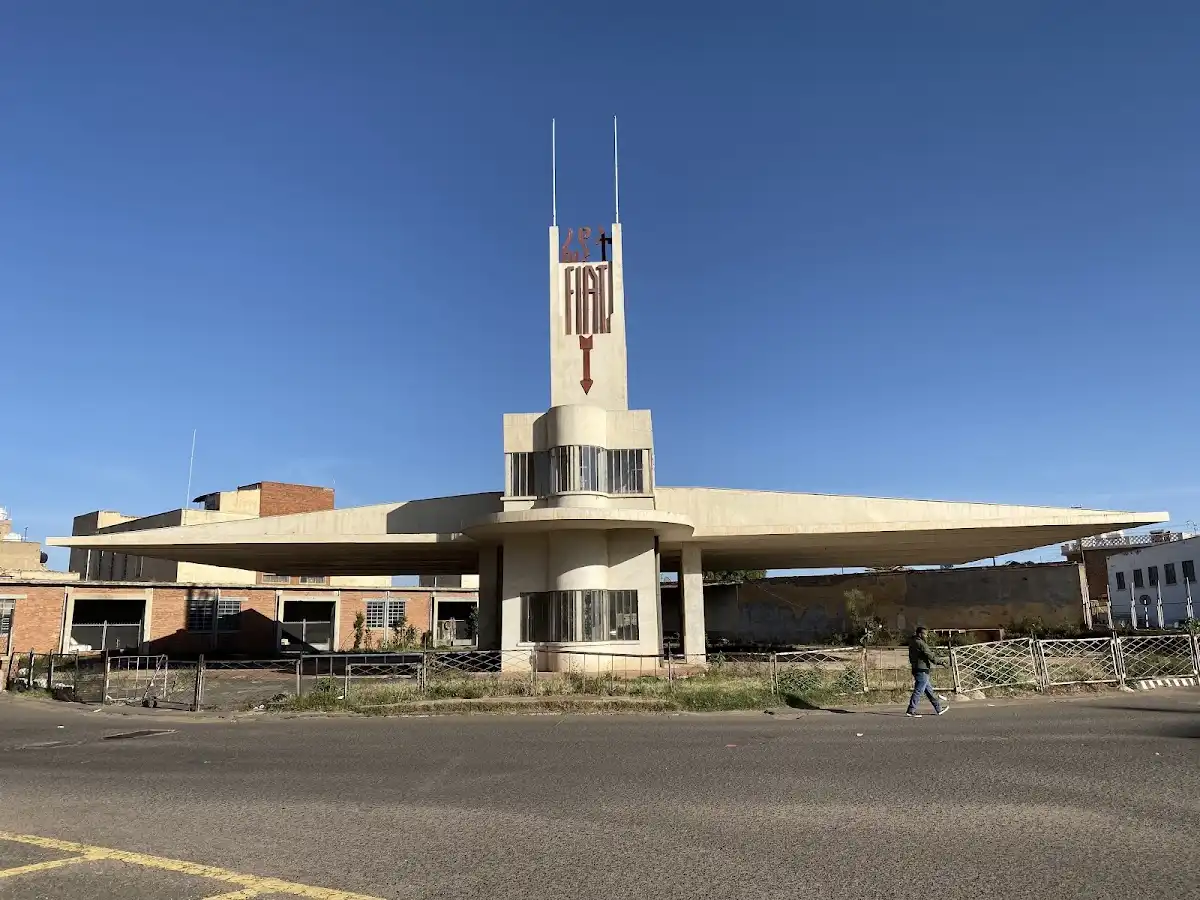
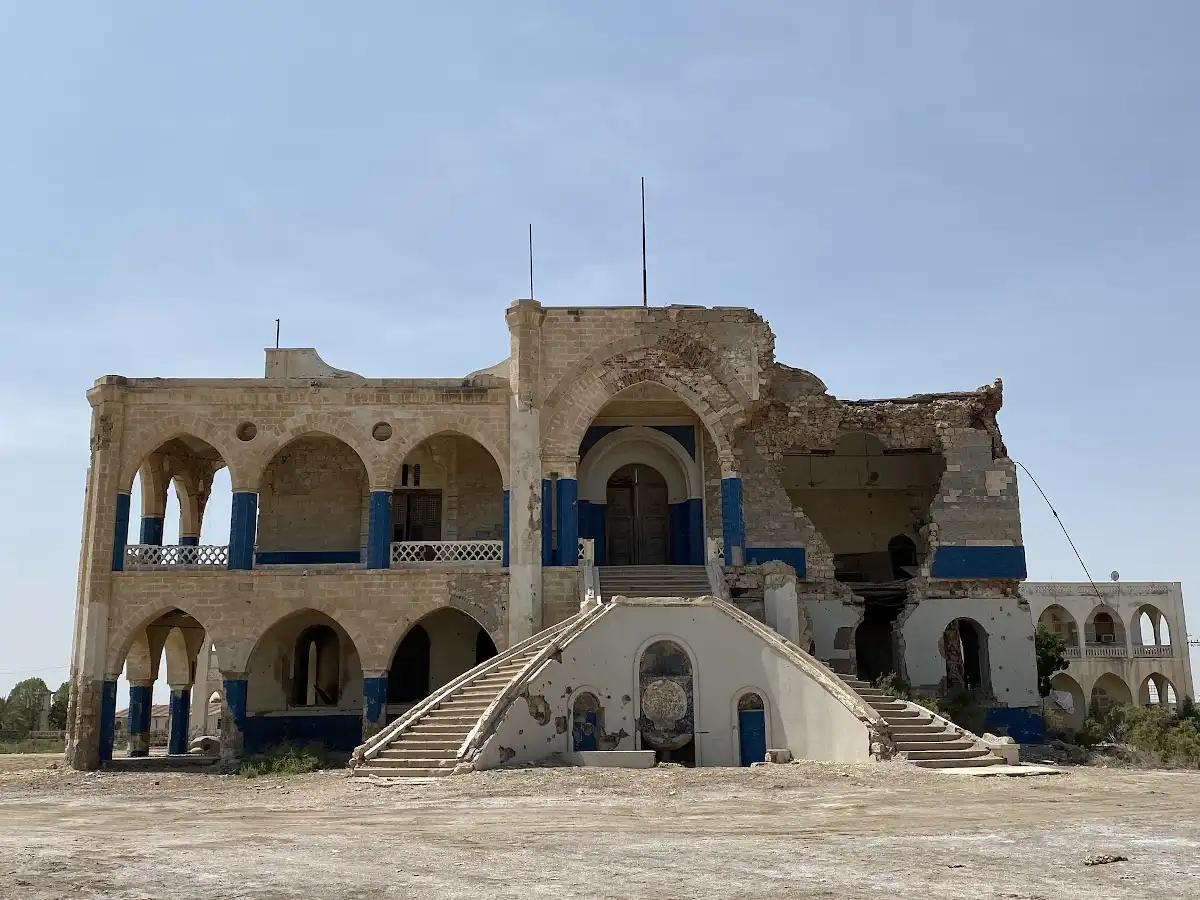
Prioritizing by travel style: Travelers interested in architecture and street life should lean on
urban and colonial sites, which are cheap, walkable and need no permit for the capital itself. Those who prefer scenery and archaeology should put weight on the
highland sites, accepting full days in a vehicle. Divers and beach-minded travelers should treat the
Red Sea islands as the main expense and time block, and plan them in the cooler months. Mixed trips work …
read more 👉 How many attractions to plan: I would advise
five to seven attractions on a trip of 8 to 12 days. Roads are slow, permits fix the route in advance, and the heat on the coast shortens usable hours. More than that means long hours in vehicles for a quick look at each place. Fewer than five wastes the effort of obtaining visa and permits.
Prioritizing by travel style: Travelers interested in architecture and street life should lean on
urban and colonial sites, which are cheap, walkable and need no permit for the capital itself. Those who prefer scenery and archaeology should put weight on the
highland sites, accepting full days in a vehicle. Divers and beach-minded travelers should treat the
Red Sea islands as the main expense and time block, and plan them in the cooler months. Mixed trips work best with one anchor from each group, and one flexible extra.
What it costs: Expect
US$50 to 100 a day for a comfortable independent trip, mostly because of transport and guides. A mid-range Asmara hotel runs about US$30 to 70 a night, meals in local restaurants US$3 to 10, and a coffee or tea under US$1. Most city sights cost little or nothing, while museum and site entries are typically a few US dollars. A
hired car with driver usually costs US$80 to 150 a day depending on distance and fuel, and is worth splitting. Shared minibuses and buses on main roads cost US$1 to 5 per leg but are slower and less flexible. A local guide for a highland site is usually US$20 to 50 for the day. Island boat trips from Massawa are the biggest single item, often US$150 to 400 per boat for a day or overnight, which is far cheaper per person with a group.
Money and paperwork: Bring
all your cash in clean US dollars or euros, since foreign cards and ATMs are unreliable. Keep receipts of any exchange. The official rate is about 15 nakfa to US$1, and you should confirm what your accommodation offers before changing a large amount. Carry several copies of your
travel permit and passport, as checkpoints on main roads are frequent.
Safety and cultural considerations: Violent crime against visitors is low in towns, and walking in Asmara at night is generally comfortable. The real risks are
restricted zones. Do not leave permitted routes, and keep away from the Ethiopian and Djibouti borders, where landmines and military areas exist.
Do not photograph soldiers, government buildings, airports, ports or checkpoints, and ask before photographing people. Dress modestly, especially at
Orthodox churches and mosques, and remove shoes where asked. Respect fasting periods, as many Orthodox Christians avoid meat and dairy on many days, and Ramadan changes opening hours on the coast and in the west. On the Red Sea, drink more water than you think you need, and bring sun protection.




 Best Backpacking
 Hi, I’m Johan (Netherlands 🇳🇱), the creator of TakeYourBackpack. Over the past 3 decades, I’ve backpacked through 90+ countries across six continents, gaining extensive experience with independent travel, long-term trips, and overland routes.