×

Estonia🇪🇪 | best townsThe 10 Top towns in Estonia

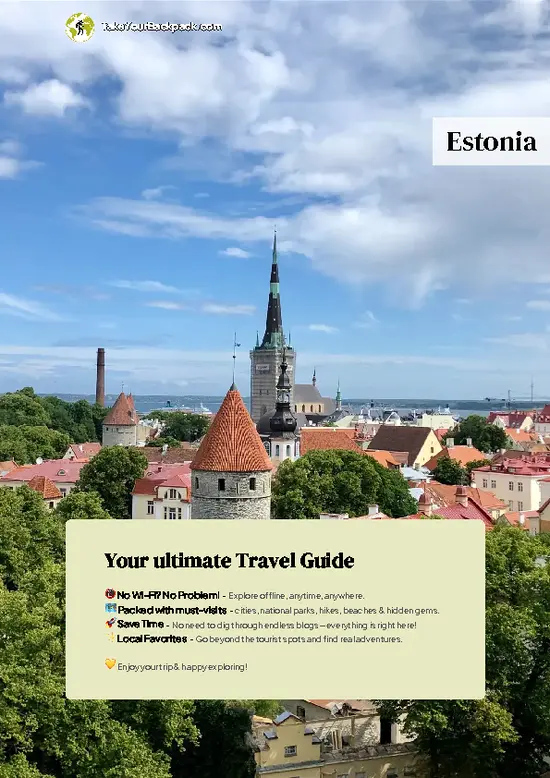
Towns in Estonia are small, walkable and mostly medieval or wooden-built, because the country has only 1.3 million people and few real cities. The differences are regional. Tallinn and the north coast bring the crowds and higher prices, Tartu and the south offer a student-driven, cheaper atmosphere, and the islands and west coast are quieter but depend on ferries and buses. For backpacking and independent travel, that spread decides your budget and pace.

By Johan Kruseman 🇳🇱 | Updated October 18, 2026
Explore the best villages in Estonia

Why go?Why Travelers Love These Spots

Estonia suits towns because everything is compact. The country is roughly 350 km across, so a historic center, a bus station and a market usually sit within a ten-minute walk of each other. Centuries of German, Danish, Swedish and Russian rule left a layered built heritage, from Hanseatic stone walls to Baltic-German manors and Soviet-era blocks, so even small places show different periods side by side. Low population density means quiet streets outside July and August, and the country is highly digital: card payments work almost everywhere, even in tiny shops, and free public Wi-Fi is common.

Before choosing Estonia for its towns, know that nightlife and sights thin out fast beyond the main centers. Many smaller towns have one cafe street and a handful of sights, so they work best as short … read more 👉
Estonia suits towns because everything is compact. The country is roughly 350 km across, so a historic center, a bus station and a market usually sit within a ten-minute walk of each other. Centuries of German, Danish, Swedish and Russian rule left a layered built heritage, from Hanseatic stone walls to Baltic-German manors and Soviet-era blocks, so even small places show different periods side by side. Low population density means quiet streets outside July and August, and the country is highly digital: card payments work almost everywhere, even in tiny shops, and free public Wi-Fi is common.

Before choosing Estonia for its towns, know that nightlife and sights thin out fast beyond the main centers. Many smaller towns have one cafe street and a handful of sights, so they work best as short stops. Public transport is good between hubs, but weak to rural coasts and islands, where timetables drop sharply outside summer.
Evaluating the Top Choices
The list of best towns in Estonia is created based on charm, local culture, atmosphere, hidden gems, and visitor appeal. If you feel a town is missing in this list, please let us know.

When to go?Seasonal Guide to Visiting

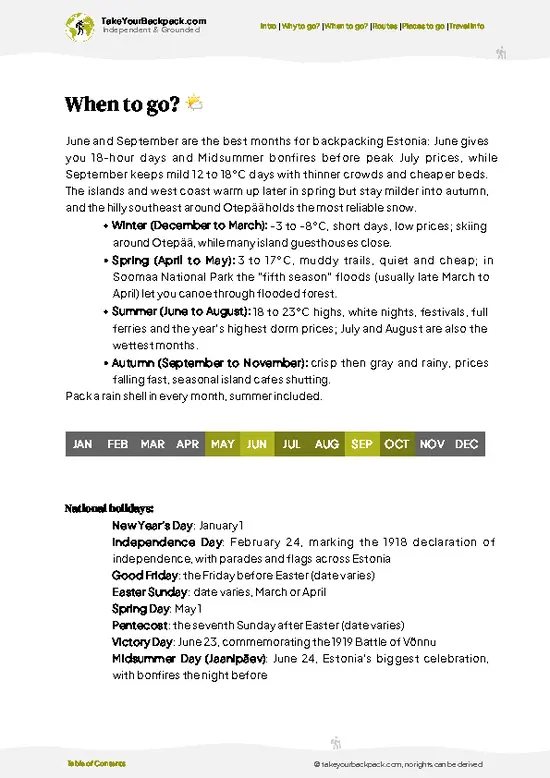
Best months: June to August is the best period for towns in Estonia, because daytime highs run 18 to 23°C, daylight lasts up to 19 hours and seasonal ferries, terraces and open-air venues are all running. The trade-off is higher prices: accommodation in Tallinn and on the western coast and islands can cost 30 to 60 percent more than in the off-season, and midsummer around June 23 is busy and then abruptly quiet as locals leave the cities.
Shoulder seasons: May and September are the sweet spot for value, with highs of 12 to 17°C, fewer groups and most attractions still open. Rain is moderate year-round, with the wettest months being July to October at about 60 to 80 mm monthly.
Winter: November to March brings highs of -5 to 3°C, darkness by mid-afternoon and reduced opening hours, especially … read more 👉
Best months: June to August is the best period for towns in Estonia, because daytime highs run 18 to 23°C, daylight lasts up to 19 hours and seasonal ferries, terraces and open-air venues are all running. The trade-off is higher prices: accommodation in Tallinn and on the western coast and islands can cost 30 to 60 percent more than in the off-season, and midsummer around June 23 is busy and then abruptly quiet as locals leave the cities.
Shoulder seasons: May and September are the sweet spot for value, with highs of 12 to 17°C, fewer groups and most attractions still open. Rain is moderate year-round, with the wettest months being July to October at about 60 to 80 mm monthly.
Winter: November to March brings highs of -5 to 3°C, darkness by mid-afternoon and reduced opening hours, especially on islands and coasts where many guesthouses close. Christmas markets and snow can make the northern and southern towns atmospheric, and prices are lowest.

town hoppingPlanning Your Route Efficiently

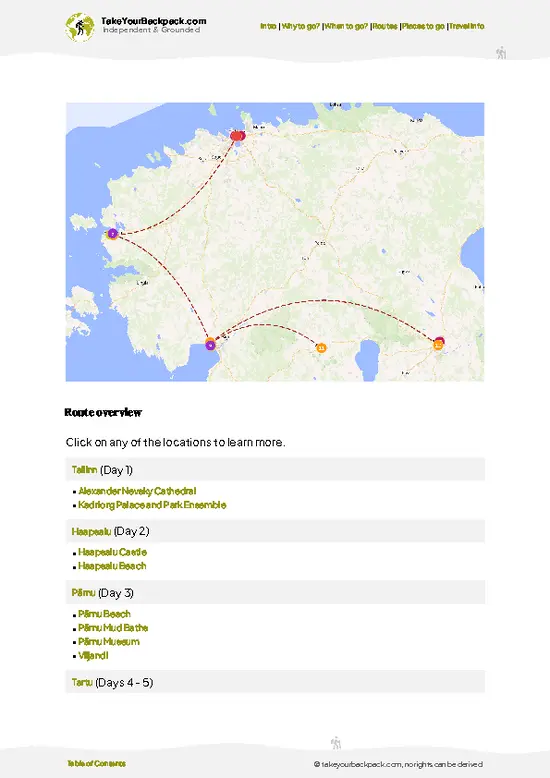
Trip length: A trip linking several Estonian towns needs 5 to 10 days, because distances are short but bus connections are timed around hubs. The country groups into three clusters: the north coast around Tallinn, the southeast around Tartu and the uplands, and the west coast and islands reached via Pärnu or the ferry ports. A sensible direction is north to south, then west, ending where the ferries and Riga-bound buses leave.
Time and transfers: Allow half a day to two days per stop, with the larger centers deserving more. Tallinn to Tartu takes about 2 to 2.5 hours by bus or train, Tartu to Pärnu about 3 hours, and Pärnu to Tallinn 1.5 to 2 hours. Mainland to island ferries add 30 to 90 minutes.
Planning mistakes: Travelers often squeeze in too many stops and spend the trip on buses. Choose … read more 👉
Trip length: A trip linking several Estonian towns needs 5 to 10 days, because distances are short but bus connections are timed around hubs. The country groups into three clusters: the north coast around Tallinn, the southeast around Tartu and the uplands, and the west coast and islands reached via Pärnu or the ferry ports. A sensible direction is north to south, then west, ending where the ferries and Riga-bound buses leave.
Time and transfers: Allow half a day to two days per stop, with the larger centers deserving more. Tallinn to Tartu takes about 2 to 2.5 hours by bus or train, Tartu to Pärnu about 3 hours, and Pärnu to Tallinn 1.5 to 2 hours. Mainland to island ferries add 30 to 90 minutes.
Planning mistakes: Travelers often squeeze in too many stops and spend the trip on buses. Choose one base per region and make short side trips. Another mistake is assuming island and rural buses run daily year-round; check timetables or plan for a rental car there.

The ListHighly Recommended towns of Estonia

1 Pärnu

sandy beach, summer events, spa hotels

Swim in the shallow bay, join open-air festivals, and relax in classic resorts that draw visitors from across the region.

2 Haapsalu

seaside promenade, wooden villas, mud baths

Stroll along the calm waterfront, admire ornate summer homes, and try traditional spa treatments rooted in local history.

3 Viljandi

lake views, castle ruins, folk music

Wander through grassy ramparts, catch open-air concerts, and watch the sunset over the lake from quiet park benches.

4 Narva

border fortress, Russian influence, riverside parks

Stand at the edge of the EU, explore two castles facing each other, and notice the blend of languages and cultures.

5 Rakvere

hilltop fortress, urban sculptures, spa culture

Climb to the medieval castle, discover quirky public art, and unwind in modern wellness centers after a day of exploring.

6 Võru

lakeside promenade, Seto heritage, wooden houses

Stroll along Tamula Lake, sample Seto cuisine, and admire the town’s distinctive timber architecture on peaceful side streets.

7 Elva

pine forests, lakeside trails, railway station

Follow forest paths to sandy lakes, use the historic station as a jumping-off point, and find solitude just outside Tartu.

8 Jõhvi

concert hall, mining heritage, crossroads town

Attend a performance in a modern venue, learn about oil shale extraction, and use Jõhvi as a practical base for eastern Estonia.

9 Kärdla

island capital, crater lake, quiet harbors

Relax in a small-town center, visit the meteorite crater, and watch fishing boats return to sheltered docks on Hiiumaa.

10 Paldiski

sea cliffs, Soviet relics, lighthouse

Stand atop limestone cliffs, trace Cold War history at abandoned sites, and spot ships from the Baltic’s edge.

11 Valga

border crossing, twin towns, railway hub

Cross seamlessly between Estonia and Latvia, observe daily life in a divided city, and watch trains roll through this southern gateway.

12 Paide

central tower, medieval festival, limestone springs

Climb the iconic White Tower, join locals for annual celebrations, and explore the region’s natural springs and rural landscapes.

13 Põlva

valley lake, hiking routes, rural churches

Hike through rolling hills, pause at lakeside chapels, and use Põlva as a base for exploring southeastern Estonia’s nature trails.

14 Sillamäe

Stalinist avenues, industrial past, Gulf of Finland

Walk broad boulevards lined with grand facades, glimpse the town’s uranium legacy, and reach the stony northern shore.

estonia-city-sillamae
© Google |

15 Kiviõli

ash hills, adventure park, mining town

Climb artificial mountains, try ziplining or skiing, and see how industry has shaped the landscape and local identity.

16 Rapla

twin-towered church, riverside parks, small-town markets

Visit the imposing church, browse weekly markets, and enjoy a picnic by the river in this low-key regional center.

Think you know Estonia?

Prove you’re a true local — uncover 6 lesser-known towns in Estonia that locals tend to keep to themselves.
Loading the map 🌍

Expert viewPro Tips for Exploring the Best

How many towns: I advise three to five towns on one trip. Estonian towns are compact, so each takes only half a day to two days, but beyond five the repeated old-town, church and cafe format blurs and transfers eat your time. For a first visit, one large medieval center, one university town and one coastal or island place gives a real contrast.
Prioritizing by style: Budget and culture-focused travelers should favor the southern university town and the larger old towns, where museums, cheap lunches and hostels cluster. Beach and nature seekers should put coastal spa towns and islands first, but only between June and August, as many places close outside the season. Nightlife seekers should stay in the capital.
What it costs: Expect US$50 to 80 a day (about €45 to 75) on a backpacker budget: dorm … read more 👉
How many towns: I advise three to five towns on one trip. Estonian towns are compact, so each takes only half a day to two days, but beyond five the repeated old-town, church and cafe format blurs and transfers eat your time. For a first visit, one large medieval center, one university town and one coastal or island place gives a real contrast.
Prioritizing by style: Budget and culture-focused travelers should favor the southern university town and the larger old towns, where museums, cheap lunches and hostels cluster. Beach and nature seekers should put coastal spa towns and islands first, but only between June and August, as many places close outside the season. Nightlife seekers should stay in the capital.
What it costs: Expect US$50 to 80 a day (about €45 to 75) on a backpacker budget: dorm beds run €15 to 30, mains in a local cafe €8 to 14, and a supermarket meal under €6. Museum and tower entry is typically €5 to 15, guided old-town walks are often free on a tip basis or €15 to 25, and intercity buses cost about €5 to 15. Summer coastal and island rooms can jump sharply, so book ahead.
Safety and etiquette: Estonia is very safe, with petty theft mostly limited to crowded old-town tourist areas and bars at night. Estonians value personal space and quiet, so avoid loud behavior on public transport and in guesthouses, and expect reserved but helpful service. Tipping of around 5 to 10 percent is appreciated but not required. In winter, icy pavements are the main hazard, so pack shoes with grip. Carry ID and a card, as nearly everything accepts contactless payment, and in saunas follow local etiquette about towels and silence.

✈️ The backpacker research shortcutEstonia Travel Guide

An offline-friendly backpacking guide with optimized travel routes, ranked highlights, transport advice, and the best areas to stay.
example page 0 from our offline Travel Guide for Estonia
example page 1 from our offline Travel Guide for Estonia
example page 2 from our offline Travel Guide for Estonia
example page 3 from our offline Travel Guide for Estonia
example page 4 from our offline Travel Guide for Estonia
example page 5 from our offline Travel Guide for Estonia
example page 6 from our offline Travel Guide for Estonia
example page 7 from our offline Travel Guide for Estonia
The digital guide (267 pages) contains:
✅ 70 highlights, ranked by travel appeal
✅ Optimized 2, 3 & 5-day travel routes
✅ Cities, national parks, landmarks, beaches
✅ How to get around
✅ Offline-friendly for travel without Wi-Fi
👉 Click to see all 30+ guide features

📅 Plan smarter in minutes, not weeks
✅ Month by month travel advice
✅ Festivals & national holidays
✅ Budget expectations

🗺️ Go to the right places, skip the overrated ones
✅ Honest pros & cons of destinations
✅ Top hikes, parks & viewpoints
✅ Lesser-known places most travelers miss
✅ Clear “worth it vs skip it” guidance

🛏️ Travel smoothly without rookie mistakes
✅ Best areas to stay
✅ Transport systems explained simply
✅ Common scams & safety advice
✅ SIM cards, money & practical tips

🌍 Understand the country, not just visit it
✅ Culture & traditions
✅ 52 Essential phrases & customs
✅ Festivals worth planning around
✅ Traveler-friendly historical context
✅ Insights that make places more meaningful

📱 Built for real travel conditions
✅ Fully downloadable PDF
✅ Works completely offline
✅ Optimized for phone use
✅ Useful in remote areas & buses
✅ Everything in one place
Stop searching, start planning
Get instant access to your full guide. 30‑day money-back guarantee.
+ Add another guide for just

By proceeding you agree to our terms.
Sent to your inbox immediately after payment • 100% Secure Checkout
Best Backpacking Travel Advisor 2025 tourism awardBest Backpacking
Travel Advisor
2025
What others say about Take Your Backpack Guides:
⭐⭐⭐⭐⭐
Fantastic, amazing amount of information!
⭐⭐⭐⭐⭐
My goodness this is amazing, it's what I've been looking for hats off too you!
⭐⭐⭐⭐⭐
I think this is absolutely BRILLIANT
⭐⭐⭐⭐
Very complete and informative. It's still missing places, but I gotta to commend you
⭐⭐⭐⭐⭐
This is truly amazing, thank you, can't wait to explore it with my kids!
⭐⭐⭐⭐⭐
Awesome resource, thank you!
⭐⭐⭐⭐⭐
This is amazing! Can't wait to explore the ones I haven't seen
⭐⭐⭐⭐
I love this! Well done, great idea.
⭐⭐⭐⭐⭐
Thanks for taking the time to make this gem!
⭐⭐⭐⭐⭐
This might be the best website I've ever seen.
⭐⭐⭐⭐⭐
Congratulations, and thank you so much for your work; it's incredibly valuable.
⭐⭐⭐⭐
In all seriousness I think you did a great job pointing out the important spots
⭐⭐⭐⭐⭐
10/10 very good
⭐⭐⭐⭐⭐
As someone who's only just starting to visit regularly this is awesome, thank you.
⭐⭐⭐⭐
Thank you very much! I'm going to visit my dad, it's going to be very useful!
⭐⭐⭐⭐⭐
This is really cool! We'll be travelling for the first time and this definitely come in handy.
⭐⭐⭐⭐⭐
You are now our minister of culture, congratulations 👨‍💼
⭐⭐⭐⭐⭐
Just wanted to tell you that this is a pearl! Going to follow your recommendations.
⭐⭐⭐⭐⭐
This is so cool. I'll definitely be using the resource for my travels soon.
⭐⭐⭐⭐⭐
This is very impressive! Good work.
⭐⭐⭐⭐⭐
This is an amazing and informative site. Very well done!

🛏️ Where to stay?Accommodation Highlights

Estonia has plenty of hostels and guesthouses, with dorm beds typically around €15 to €30 a night, and most of them cluster in Tallinn. Tallinn’s Old Town puts you within walking distance of the main sights but gets loud on weekend nights with bar crowds and stag parties, while Kalamaja and the area around Telliskivi are quieter and cheaper, with a creative-district cafe scene about 10 to 15 minutes on foot from the walls. In Tartu, the compact center near the university keeps you close to student nightlife, and wooden-house districts like Karlova and Supilinn trade a short walk for calmer, safe streets, whereas Pärnu fills up fast and gets pricier in its short summer beach season.

If you enjoy … read more 👉
Estonia has plenty of hostels and guesthouses, with dorm beds typically around €15 to €30 a night, and most of them cluster in Tallinn. Tallinn’s Old Town puts you within walking distance of the main sights but gets loud on weekend nights with bar crowds and stag parties, while Kalamaja and the area around Telliskivi are quieter and cheaper, with a creative-district cafe scene about 10 to 15 minutes on foot from the walls. In Tartu, the compact center near the university keeps you close to student nightlife, and wooden-house districts like Karlova and Supilinn trade a short walk for calmer, safe streets, whereas Pärnu fills up fast and gets pricier in its short summer beach season.

If you enjoy meeting fellow travelers, consider choosing hostels with high ratings for atmosphere. On the other hand, if you prefer having your own space, a hotel might be a better option.

EstoniaSee More of Estonia

👋 Meet the founderWho’s Behind Take Your Backpack?

Johan, backpacker and founder of TakeYourBackpackHi, I’m Johan (Netherlands 🇳🇱), the creator of TakeYourBackpack. Over the past 3 decades, I’ve backpacked through 90+ countries across six continents, gaining extensive experience with independent travel, long-term trips, and overland routes.

This site is built on a combination of firsthand travel experience and carefully curated insights from other backpackers. Many guides are based on places I’ve personally visited, while others bring together tips, observations, and practical advice shared by trusted travelers I’ve met along the way.

The goal is to provide realistic, experience-driven guidance — not generic itineraries — so you can explore destinations with better context, clearer expectations, and more confidence.