
Kolu Inn: Real Food, No Filter
Skip the Instagrammable lattes and get your hands on a bowl of thick barley porridge or a slab of black bread at Kolu Inn. This isn’t a themed restaurant—it’s a 19th-century tavern, rebuilt log by log, where the menu is unapologetically old-school Estonian. You’ll eat what farmers and fishermen ate, surrounded by creaky floors and the low hum of local chatter. It’s the rare museum café where the food is as much a time machine as the exhibits.
Farmsteads You Can Actually Enter
Forget velvet ropes. Here, you’re not just peering through glass at dusty artifacts. You can walk into thatched-roof farmhouses, poke around the smoke-blackened kitchens, and feel the chill in the unheated bedrooms. Each farmstead is from a different region of Estonia, so you get a crash … read more 👉
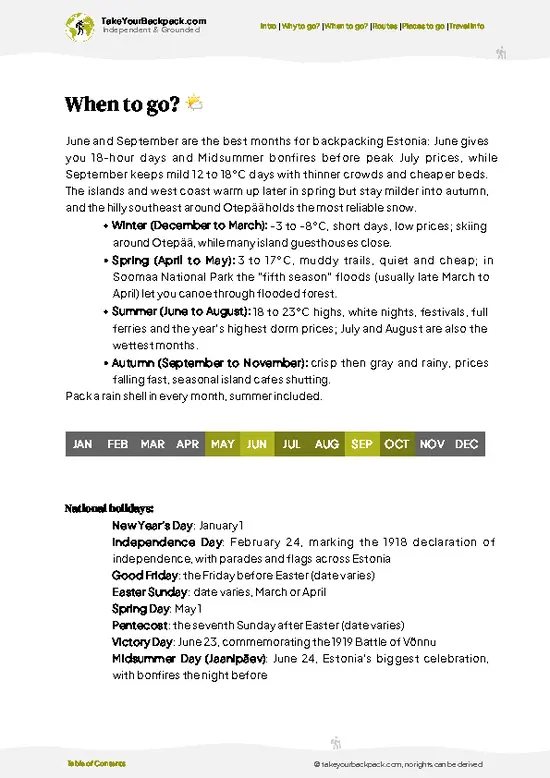
Kolu Inn: Real Food, No Filter
Skip the Instagrammable lattes and get your hands on a bowl of thick barley porridge or a slab of black bread at Kolu Inn. This isn’t a themed restaurant—it’s a 19th-century tavern, rebuilt log by log, where the menu is unapologetically old-school Estonian. You’ll eat what farmers and fishermen ate, surrounded by creaky floors and the low hum of local chatter. It’s the rare museum café where the food is as much a time machine as the exhibits.
Farmsteads You Can Actually Enter
Forget velvet ropes. Here, you’re not just peering through glass at dusty artifacts. You can walk into thatched-roof farmhouses, poke around the smoke-blackened kitchens, and feel the chill in the unheated bedrooms. Each farmstead is from a different region of Estonia, so you get a crash course in how wildly rural life could vary—coastal fishermen’s shacks, island windmills, and manor outbuildings all in one rambling, pine-scented park.
Working Windmills and Watermills
This isn’t a backdrop for selfies; the windmills and watermills actually work. On special days, you’ll see flour ground the old way—no motors, just wind and muscle. The smell of fresh-milled rye flour is a sensory punch, and if you’re lucky, you’ll catch a miller who’s happy to explain the mechanics (and the blisters). It’s hands-on history, not a staged photo op.
Seasonal Folk Festivals and Living History
If you time it right, the museum explodes with life: midsummer bonfires, haymaking contests, and costumed locals who aren’t just posing—they’re genuinely weaving, baking, or blacksmithing like their grandparents did. These aren’t sanitized reenactments. Expect real sweat, real smoke, and the occasional off-script joke in Estonian. The energy is contagious, and you’ll leave with dirt under your fingernails if you join in.
Village Schoolhouse: Sit in the Desk, Get Schooled
You can actually sit at a wooden desk in the old schoolhouse and try your hand at writing with a dip pen. The teacher’s desk is intimidatingly high, and the rules are strict—no talking, hands behind your back. It’s a jolt of reality about how tough childhood could be, and it’s a far cry from the cutesy “heritage” corners you’ll find elsewhere.
Forest Trails and Wild Space
The museum sprawls across 80 hectares of forest and meadow. You can lose the crowds entirely if you wander off the main path. Wildflowers, birdsong, and the crunch of pine needles underfoot—this is the side of Estonia that never makes it onto postcards. It’s a living, breathing landscape, not a curated Instagram grid.
Spotted a mistake or missing something? Contact us.

 Best Backpacking
 Hi, I’m Johan (Netherlands 🇳🇱), the creator of TakeYourBackpack. Over the past 3 decades, I’ve backpacked through 90+ countries across six continents, gaining extensive experience with independent travel, long-term trips, and overland routes.