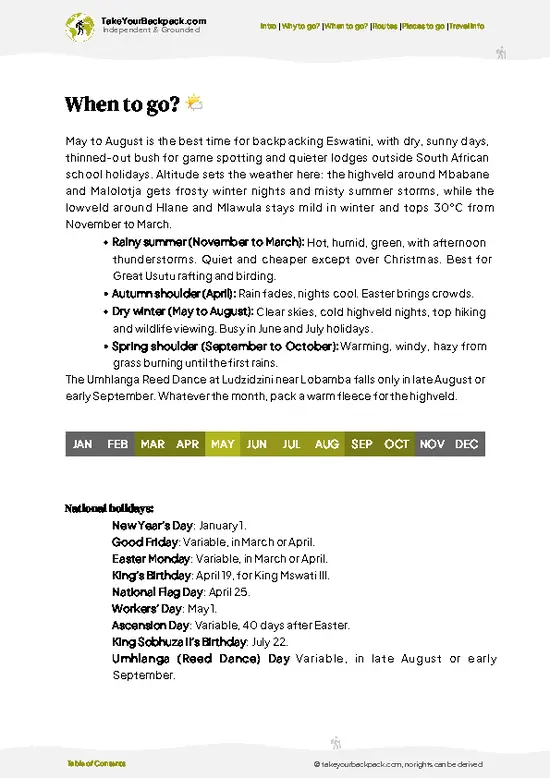
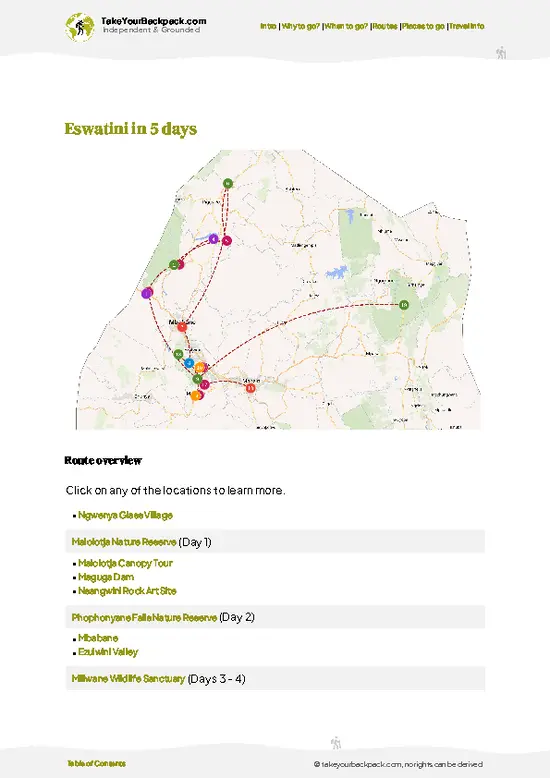
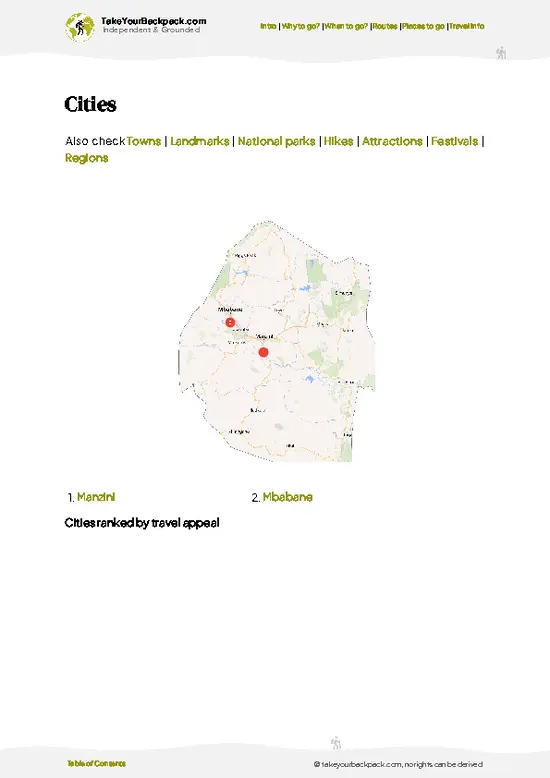
1. The Amphitheatre: Surreal Stage Meets African Carnival
Forget the Instagram shots of quirky mosaics—House on Fire’s real pulse is its open-air amphitheatre, a fever dream of Gaudí-meets-Africa architecture. This isn’t your average festival lawn. The stage is a riot of sculpted faces, twisting columns, and fire motifs, all hand-built by the Clarke family. When the Bushfire Festival hits, this place transforms into a kinetic, sweaty, all-ages dance floor where Swazi schoolkids and international headliners share the same wild energy. Even off-season, you’ll catch everything from poetry slams to jazz nights, and the acoustics are shockingly good for a venue that looks like a Salvador Dalí fever dream. The crowd? Expect a mashup of local artists, backpackers, and the occasional South African … read more 👉
1. The Amphitheatre: Surreal Stage Meets African Carnival
Forget the Instagram shots of quirky mosaics—House on Fire’s real pulse is its open-air amphitheatre, a fever dream of Gaudí-meets-Africa architecture. This isn’t your average festival lawn. The stage is a riot of sculpted faces, twisting columns, and fire motifs, all hand-built by the Clarke family. When the Bushfire Festival hits, this place transforms into a kinetic, sweaty, all-ages dance floor where Swazi schoolkids and international headliners share the same wild energy. Even off-season, you’ll catch everything from poetry slams to jazz nights, and the acoustics are shockingly good for a venue that looks like a Salvador Dalí fever dream. The crowd? Expect a mashup of local artists, backpackers, and the occasional South African celebrity hiding behind sunglasses.
2. The Sculpture Garden: Art Attack in the Bushveld
Most art gardens are polite. This one is a full-on sensory ambush. You’ll find towering, surreal sculptures—think giant hands, mythic beasts, and faces peering from the undergrowth—each piece welded, carved, or mosaicked with a kind of joyful defiance. The art is weird, political, and sometimes just plain funny. It’s not curated for Instagram; it’s curated for conversation. You’ll overhear debates about Swazi history, African identity, and the meaning of that giant, grinning lizard. If you’re lucky, you’ll bump into one of the artists, who’ll happily tell you what they were *really* thinking (spoiler: it’s rarely what you expect).
3. The Fire Room: Psychedelic Bar with a Story
This isn’t a generic festival bar. The Fire Room is a labyrinth of mosaics, murals, and oddball furniture, with a bar that looks like it was designed by a wizard on a sugar high. Order a Sibebe lager or a local gin and tonic, then let your eyes wander—every inch is covered in art, slogans, and cryptic symbols. The bartenders are part-artist, part-therapist, and if you hang around long enough, you’ll hear stories about the wildest nights in Swazi music history. It’s the kind of place where you’ll lose track of time and maybe your shoes.
4. The Bushfire Festival: Africa’s Most Joyful Chaos
Let’s be blunt: if you’re coming for the Bushfire Festival, brace yourself for crowds, queues, and prices that spike for the weekend. But here’s the truth—there’s nothing else like it on the continent. The lineup is a genre-bending, border-smashing mix of Afrobeat, reggae, indie rock, and poetry. The crowd is a living, breathing argument for why travel matters: Swazi families, Mozambican dancers, German backpackers, and South African road-trippers all losing themselves in the music. The festival’s social mission is real, not just marketing fluff—profits support local charities and HIV/AIDS initiatives. If you want the Instagram version, you’ll get it. But the real magic is in the 3 a.m. drum circles, the spontaneous dance-offs, and the sense that, for one weekend, the world actually works.
Forget the Instagram shots of quirky mosaics—House on Fire’s real pulse is its open-air amphitheatre, a fever dream of Gaudí-meets-Africa architecture. This isn’t your average festival lawn. The stage is a riot of sculpted faces, twisting columns, and fire motifs, all hand-built by the Clarke family. When the Bushfire Festival hits, this place transforms into a kinetic, sweaty, all-ages dance floor where Swazi schoolkids and international headliners share the same wild energy. Even off-season, you’ll catch everything from poetry slams to jazz nights, and the acoustics are shockingly good for a venue that looks like a Salvador Dalí fever dream. The crowd? Expect a mashup of local artists, backpackers, and the occasional South African celebrity hiding behind sunglasses.
2. The Sculpture Garden: Art Attack in the Bushveld
Most art gardens are polite. This one is a full-on sensory ambush. You’ll find towering, surreal sculptures—think giant hands, mythic beasts, and faces peering from the undergrowth—each piece welded, carved, or mosaicked with a kind of joyful defiance. The art is weird, political, and sometimes just plain funny. It’s not curated for Instagram; it’s curated for conversation. You’ll overhear debates about Swazi history, African identity, and the meaning of that giant, grinning lizard. If you’re lucky, you’ll bump into one of the artists, who’ll happily tell you what they were *really* thinking (spoiler: it’s rarely what you expect).
3. The Fire Room: Psychedelic Bar with a Story
This isn’t a generic festival bar. The Fire Room is a labyrinth of mosaics, murals, and oddball furniture, with a bar that looks like it was designed by a wizard on a sugar high. Order a Sibebe lager or a local gin and tonic, then let your eyes wander—every inch is covered in art, slogans, and cryptic symbols. The bartenders are part-artist, part-therapist, and if you hang around long enough, you’ll hear stories about the wildest nights in Swazi music history. It’s the kind of place where you’ll lose track of time and maybe your shoes.
4. The Bushfire Festival: Africa’s Most Joyful Chaos
Let’s be blunt: if you’re coming for the Bushfire Festival, brace yourself for crowds, queues, and prices that spike for the weekend. But here’s the truth—there’s nothing else like it on the continent. The lineup is a genre-bending, border-smashing mix of Afrobeat, reggae, indie rock, and poetry. The crowd is a living, breathing argument for why travel matters: Swazi families, Mozambican dancers, German backpackers, and South African road-trippers all losing themselves in the music. The festival’s social mission is real, not just marketing fluff—profits support local charities and HIV/AIDS initiatives. If you want the Instagram version, you’ll get it. But the real magic is in the 3 a.m. drum circles, the spontaneous dance-offs, and the sense that, for one weekend, the world actually works.
Spotted a mistake or missing something? Contact us.
v2.webp)

Best Backpacking
Hi, I’m Johan (Netherlands 🇳🇱), the creator of TakeYourBackpack. Over the past decade, I’ve backpacked through 80+ countries across six continents, gaining extensive experience with independent travel, long-term trips, and overland routes.