



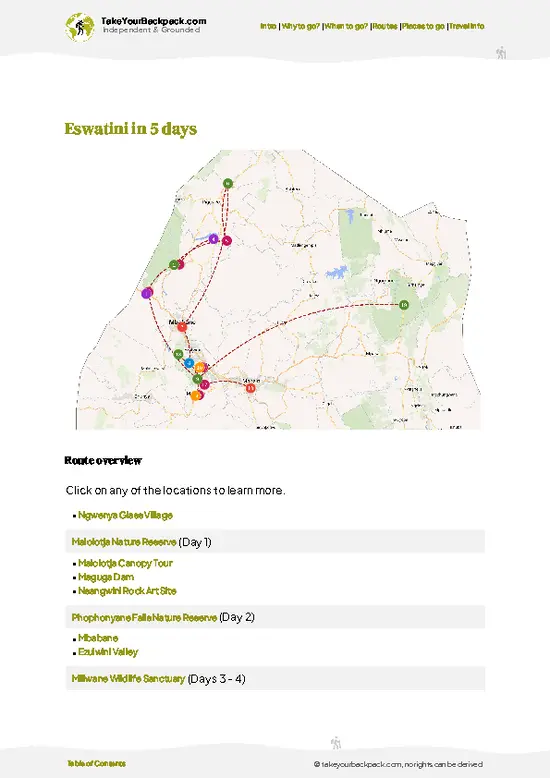

Swazi Royal Regalia Room
Forget the sanitized, glass-case approach you’ll find in most national museums. Here, you’re face-to-face with the actual ceremonial gear of Swazi royalty—think leopard-skin kilts, feathered headdresses, and shields that have seen real action. This isn’t just a costume closet; it’s a crash course in the living, breathing power of tradition. The regalia isn’t just for show—these are the same styles you’ll see at the annual Incwala or Umhlanga ceremonies, and the museum’s collection is refreshingly unvarnished. No velvet ropes. No fake drama. Just the real stuff, worn by real people, still in use today.
Traditional Swazi Homestead (Outdoor Exhibit)
Instagram will show you a thousand “authentic” huts, but the museum’s homestead is the real deal—built by local artisans, … read more 👉
Forget the sanitized, glass-case approach you’ll find in most national museums. Here, you’re face-to-face with the actual ceremonial gear of Swazi royalty—think leopard-skin kilts, feathered headdresses, and shields that have seen real action. This isn’t just a costume closet; it’s a crash course in the living, breathing power of tradition. The regalia isn’t just for show—these are the same styles you’ll see at the annual Incwala or Umhlanga ceremonies, and the museum’s collection is refreshingly unvarnished. No velvet ropes. No fake drama. Just the real stuff, worn by real people, still in use today.
Traditional Swazi Homestead (Outdoor Exhibit)
Instagram will show you a thousand “authentic” huts, but the museum’s homestead is the real deal—built by local artisans, … read more 👉
Swazi Royal Regalia Room
Forget the sanitized, glass-case approach you’ll find in most national museums. Here, you’re face-to-face with the actual ceremonial gear of Swazi royalty—think leopard-skin kilts, feathered headdresses, and shields that have seen real action. This isn’t just a costume closet; it’s a crash course in the living, breathing power of tradition. The regalia isn’t just for show—these are the same styles you’ll see at the annual Incwala or Umhlanga ceremonies, and the museum’s collection is refreshingly unvarnished. No velvet ropes. No fake drama. Just the real stuff, worn by real people, still in use today.
Traditional Swazi Homestead (Outdoor Exhibit)
Instagram will show you a thousand “authentic” huts, but the museum’s homestead is the real deal—built by local artisans, not for tourists, but to preserve the actual techniques and materials. Step inside and you’ll smell the grass, feel the cool mud underfoot, and realize that “traditional” here means functional, not decorative. The layout isn’t random: every hut, cattle kraal, and cooking area is positioned according to Swazi custom, and the guides (if you catch one on a good day) will break down the logic behind it all. This is the closest you’ll get to time travel without a DeLorean.
Natural History Hall
If you’re expecting a dusty afterthought, think again. The taxidermy here is unapologetically old-school, but it’s also a window into Eswatini’s wild side—leopards, antelope, and birds you’ll never spot from a safari truck. The displays are a little rough around the edges, but that’s part of the charm. You get a sense of the country’s biodiversity before the fences and highways arrived. It’s not polished, but it’s honest—and you’ll leave with a mental checklist for your next hike.
Swazi Cultural Artifacts Gallery
This isn’t a souvenir shop. The beadwork, pottery, and woodcarvings here are the real currency of Swazi identity. Look closely and you’ll see the fingerprints of the artists—imperfections, repairs, and all. The museum doesn’t try to pretty it up for outsiders, and that’s exactly why it’s worth your time. If you want to understand what makes Eswatini tick, start here. The stories behind the objects are as important as the objects themselves, and if you’re lucky, you’ll catch a staff member who’s willing to go off-script and share the backstory.
Swazi Independence Exhibit
Most museums gloss over the messy parts of history. Not here. The Independence Exhibit pulls no punches—photos, documents, and artifacts from the struggle for self-rule, including the good, the bad, and the ugly. You’ll see propaganda posters, handwritten letters, and the actual pen used to sign the independence agreement. It’s raw, it’s real, and it’s a reminder that Eswatini’s story is still being written. If you want a break from the fairy-tale version of Africa, this is where you’ll find it.
Forget the sanitized, glass-case approach you’ll find in most national museums. Here, you’re face-to-face with the actual ceremonial gear of Swazi royalty—think leopard-skin kilts, feathered headdresses, and shields that have seen real action. This isn’t just a costume closet; it’s a crash course in the living, breathing power of tradition. The regalia isn’t just for show—these are the same styles you’ll see at the annual Incwala or Umhlanga ceremonies, and the museum’s collection is refreshingly unvarnished. No velvet ropes. No fake drama. Just the real stuff, worn by real people, still in use today.
Traditional Swazi Homestead (Outdoor Exhibit)
Instagram will show you a thousand “authentic” huts, but the museum’s homestead is the real deal—built by local artisans, not for tourists, but to preserve the actual techniques and materials. Step inside and you’ll smell the grass, feel the cool mud underfoot, and realize that “traditional” here means functional, not decorative. The layout isn’t random: every hut, cattle kraal, and cooking area is positioned according to Swazi custom, and the guides (if you catch one on a good day) will break down the logic behind it all. This is the closest you’ll get to time travel without a DeLorean.
Natural History Hall
If you’re expecting a dusty afterthought, think again. The taxidermy here is unapologetically old-school, but it’s also a window into Eswatini’s wild side—leopards, antelope, and birds you’ll never spot from a safari truck. The displays are a little rough around the edges, but that’s part of the charm. You get a sense of the country’s biodiversity before the fences and highways arrived. It’s not polished, but it’s honest—and you’ll leave with a mental checklist for your next hike.
Swazi Cultural Artifacts Gallery
This isn’t a souvenir shop. The beadwork, pottery, and woodcarvings here are the real currency of Swazi identity. Look closely and you’ll see the fingerprints of the artists—imperfections, repairs, and all. The museum doesn’t try to pretty it up for outsiders, and that’s exactly why it’s worth your time. If you want to understand what makes Eswatini tick, start here. The stories behind the objects are as important as the objects themselves, and if you’re lucky, you’ll catch a staff member who’s willing to go off-script and share the backstory.
Swazi Independence Exhibit
Most museums gloss over the messy parts of history. Not here. The Independence Exhibit pulls no punches—photos, documents, and artifacts from the struggle for self-rule, including the good, the bad, and the ugly. You’ll see propaganda posters, handwritten letters, and the actual pen used to sign the independence agreement. It’s raw, it’s real, and it’s a reminder that Eswatini’s story is still being written. If you want a break from the fairy-tale version of Africa, this is where you’ll find it.
Spotted a mistake or missing something? Contact us.
v2.webp)

Best Backpacking
Hi, I’m Johan (Netherlands 🇳🇱), the creator of TakeYourBackpack. Over the past decade, I’ve backpacked through 80+ countries across six continents, gaining extensive experience with independent travel, long-term trips, and overland routes.