


The Mausoleum of King Sobhuza II
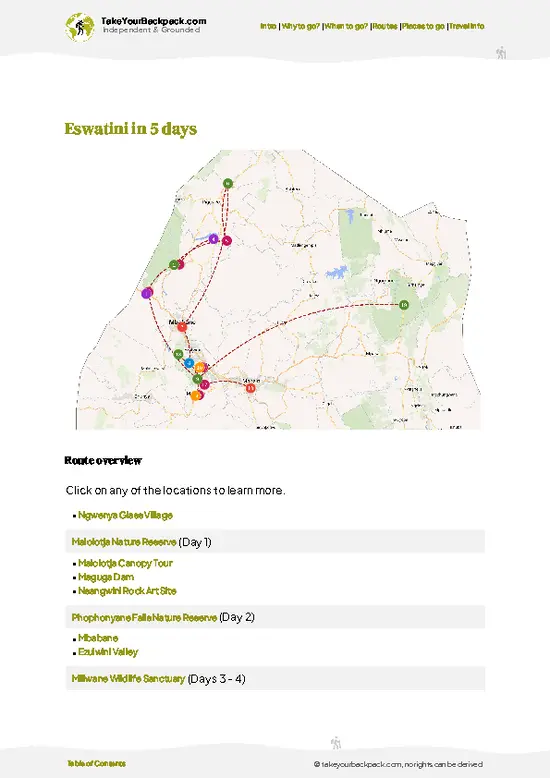
Let’s cut through the Instagram haze: this is not some ancient, crumbling crypt. The mausoleum is a modern, almost austere structure, but it’s the emotional gravity that hits you. King Sobhuza II ruled for over 80 years—longer than any other monarch in recorded history. Locals treat this site with a reverence that’s palpable. You’ll see families in their Sunday best, elders bowing their heads, and a steady stream of schoolchildren learning about the man who shaped modern Eswatini. Don’t expect flashy displays; expect a sense of living history that’s rare in a world obsessed with spectacle.
The Royal Regalia Display
This is where the park quietly flexes its cultural muscle. The regalia—crowns, staffs, and ceremonial shields—aren’t just museum pieces. They’re … read more 👉
Let’s cut through the Instagram haze: this is not some ancient, crumbling crypt. The mausoleum is a modern, almost austere structure, but it’s the emotional gravity that hits you. King Sobhuza II ruled for over 80 years—longer than any other monarch in recorded history. Locals treat this site with a reverence that’s palpable. You’ll see families in their Sunday best, elders bowing their heads, and a steady stream of schoolchildren learning about the man who shaped modern Eswatini. Don’t expect flashy displays; expect a sense of living history that’s rare in a world obsessed with spectacle.
The Royal Regalia Display
This is where the park quietly flexes its cultural muscle. The regalia—crowns, staffs, and ceremonial shields—aren’t just museum pieces. They’re … read more 👉
The Mausoleum of King Sobhuza II
Let’s cut through the Instagram haze: this is not some ancient, crumbling crypt. The mausoleum is a modern, almost austere structure, but it’s the emotional gravity that hits you. King Sobhuza II ruled for over 80 years—longer than any other monarch in recorded history. Locals treat this site with a reverence that’s palpable. You’ll see families in their Sunday best, elders bowing their heads, and a steady stream of schoolchildren learning about the man who shaped modern Eswatini. Don’t expect flashy displays; expect a sense of living history that’s rare in a world obsessed with spectacle.
The Royal Regalia Display
This is where the park quietly flexes its cultural muscle. The regalia—crowns, staffs, and ceremonial shields—aren’t just museum pieces. They’re symbols of a monarchy that still matters. The craftsmanship is intricate, but what’s more impressive is the context: these aren’t relics of a dead dynasty. They’re still in use at national events. If you’re lucky enough to visit during a royal ceremony, you’ll see these objects in action, not just behind glass.
Traditional Swazi Architecture
Forget the tourist-brochure version of “authentic huts.” The structures here are the real deal: beehive-shaped grass houses built using the same techniques that have survived centuries. They’re not just for show—some are used for actual gatherings and rituals. Step inside and you’ll notice the cool, earthy scent and the way sound is muffled, a reminder that traditional design often outsmarts modern comfort.
The Storytelling Murals
Most visitors breeze past these, but that’s a rookie mistake. The murals lining the park’s walkways are a crash course in Swazi history—battles, coronations, and moments of national pride, all rendered in bold, sometimes raw, brushstrokes. They don’t sugarcoat the past. If you want to understand the country’s psyche, spend time decoding these visual stories. You’ll leave with more than just a selfie.
The Ceremonial Grounds
This is the park’s heartbeat. On ordinary days, it’s a wide, open space—nothing fancy. But during national celebrations, it transforms. Drumming, singing, and swirling colors take over as Swazis gather to honor their king’s legacy. Even if you miss the big events, you can feel the anticipation in the air. Stand here and imagine the crowds; it’s easy to see why this spot matters more than any Instagram filter ever could.
The On-Site Guides
Skip the generic audio tour. The real magic comes from the local guides—often descendants of people who served the king. They don’t just recite facts; they share personal stories, family memories, and the kind of off-script anecdotes you’ll never find in a brochure. If you want to understand why King Sobhuza II is more than just a name, listen to these guides. They’re the park’s secret weapon.
Let’s cut through the Instagram haze: this is not some ancient, crumbling crypt. The mausoleum is a modern, almost austere structure, but it’s the emotional gravity that hits you. King Sobhuza II ruled for over 80 years—longer than any other monarch in recorded history. Locals treat this site with a reverence that’s palpable. You’ll see families in their Sunday best, elders bowing their heads, and a steady stream of schoolchildren learning about the man who shaped modern Eswatini. Don’t expect flashy displays; expect a sense of living history that’s rare in a world obsessed with spectacle.
The Royal Regalia Display
This is where the park quietly flexes its cultural muscle. The regalia—crowns, staffs, and ceremonial shields—aren’t just museum pieces. They’re symbols of a monarchy that still matters. The craftsmanship is intricate, but what’s more impressive is the context: these aren’t relics of a dead dynasty. They’re still in use at national events. If you’re lucky enough to visit during a royal ceremony, you’ll see these objects in action, not just behind glass.
Traditional Swazi Architecture
Forget the tourist-brochure version of “authentic huts.” The structures here are the real deal: beehive-shaped grass houses built using the same techniques that have survived centuries. They’re not just for show—some are used for actual gatherings and rituals. Step inside and you’ll notice the cool, earthy scent and the way sound is muffled, a reminder that traditional design often outsmarts modern comfort.
The Storytelling Murals
Most visitors breeze past these, but that’s a rookie mistake. The murals lining the park’s walkways are a crash course in Swazi history—battles, coronations, and moments of national pride, all rendered in bold, sometimes raw, brushstrokes. They don’t sugarcoat the past. If you want to understand the country’s psyche, spend time decoding these visual stories. You’ll leave with more than just a selfie.
The Ceremonial Grounds
This is the park’s heartbeat. On ordinary days, it’s a wide, open space—nothing fancy. But during national celebrations, it transforms. Drumming, singing, and swirling colors take over as Swazis gather to honor their king’s legacy. Even if you miss the big events, you can feel the anticipation in the air. Stand here and imagine the crowds; it’s easy to see why this spot matters more than any Instagram filter ever could.
The On-Site Guides
Skip the generic audio tour. The real magic comes from the local guides—often descendants of people who served the king. They don’t just recite facts; they share personal stories, family memories, and the kind of off-script anecdotes you’ll never find in a brochure. If you want to understand why King Sobhuza II is more than just a name, listen to these guides. They’re the park’s secret weapon.
Spotted a mistake or missing something? Contact us.
v2.webp)

Best Backpacking
Hi, I’m Johan (Netherlands 🇳🇱), the creator of TakeYourBackpack. Over the past decade, I’ve backpacked through 80+ countries across six continents, gaining extensive experience with independent travel, long-term trips, and overland routes.