v2.webp)
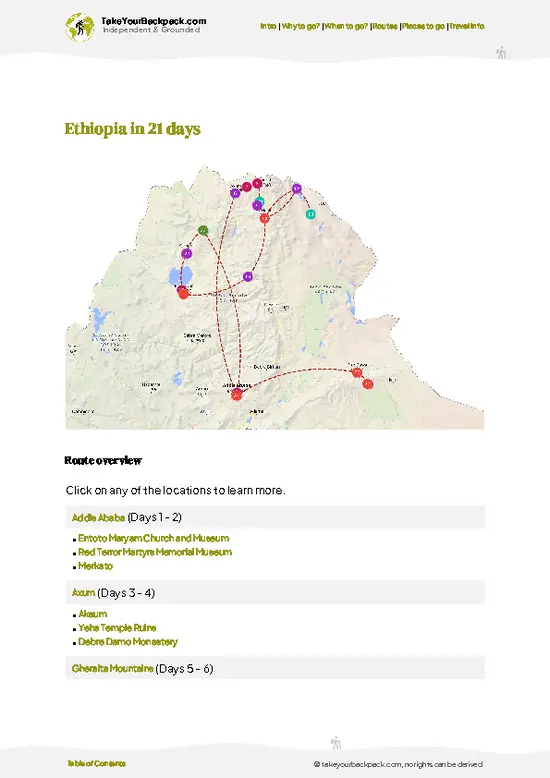
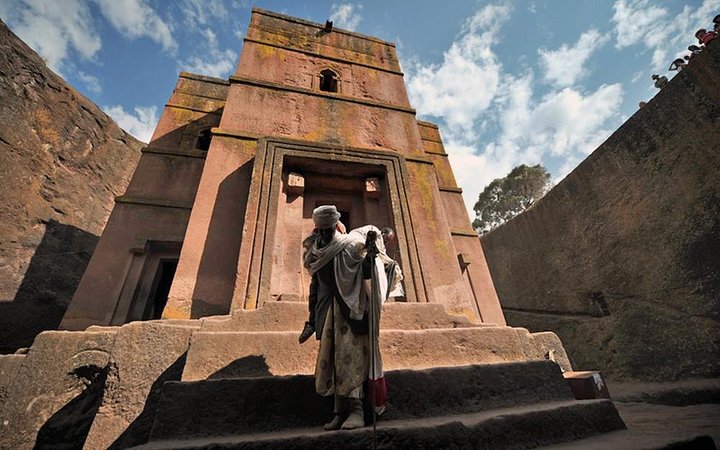
- Bete Giyorgis (Church of St. George): the cross-shaped church cut down into a pit, the image on every Lalibela postcard. On Gena, priests and pilgrims fill its trench, and the roof edge becomes a viewing balcony at first light. The complex ticket costs about US$50.
- Christmas Eve vigil: from dusk, worshippers in white shammas circle the churches with candles, chanting and praying through the night. Coffee sellers work the corners. You can sit quietly on a ledge and listen for hours.
- Bete Medhane Alem: said to be the largest monolithic church in the world, ringed by thick stone pillars. During the festival it holds some of the longest services, with the sistrum and prayer sticks keeping the beat.
- The Genna game: a field game resembling hockey, played with a curved stick and a ball, which locals
- Bete Giyorgis (Church of St. George): the cross-shaped church cut down into a pit, the image on every Lalibela postcard. On Gena, priests and pilgrims fill its trench, and the roof edge becomes a viewing balcony at first light. The complex ticket costs about US$50.
- Christmas Eve vigil: from dusk, worshippers in white shammas circle the churches with candles, chanting and praying through the night. Coffee sellers work the corners. You can sit quietly on a ledge and listen for hours.
- Bete Medhane Alem: said to be the largest monolithic church in the world, ringed by thick stone pillars. During the festival it holds some of the longest services, with the sistrum and prayer sticks keeping the beat.
- The Genna game: a field game resembling hockey, played with a curved stick and a ball, which locals link to Christmas. Teams of young men from the surrounding villages play on open ground, with spectators crowding the sidelines.
- Bete Maryam: the northern cluster’s oldest and most intimate church, painted inside and carved with Star of David motifs. Pilgrims come here to touch the walls and kiss the doorframes, so you see devotion at close range.
Spotted a mistake or missing something? Contact us.

Tour 11 monolithic rock churches & museum in Lalibela & cave church with mummies

Visiting churches of lalibela

Lalibela churches , church museum & Yemrehan kirstose ( cave church)

Day Trip to Rock Hewn Churches of Lalibela

2 Days 1 night tour to Lalibela Rock-hewn churches

Private Guided Tour in Lalibela Ethiopia
Lalibela Rock Churches Guided Tour
Walking tours

Full Day Tour To The 11 Rock Hewn Churches Of Lalibela

 Best Backpacking
.jpg) Hi, I’m Johan (Netherlands 🇳🇱), the creator of TakeYourBackpack. Over the past 3 decades, I’ve backpacked through 90+ countries across six continents, gaining extensive experience with independent travel, long-term trips, and overland routes.
Hi, I’m Johan (Netherlands 🇳🇱), the creator of TakeYourBackpack. Over the past 3 decades, I’ve backpacked through 90+ countries across six continents, gaining extensive experience with independent travel, long-term trips, and overland routes.