v2.webp)
The Mausoleum of Emperor Haile Selassie and Empress Menen Asfaw
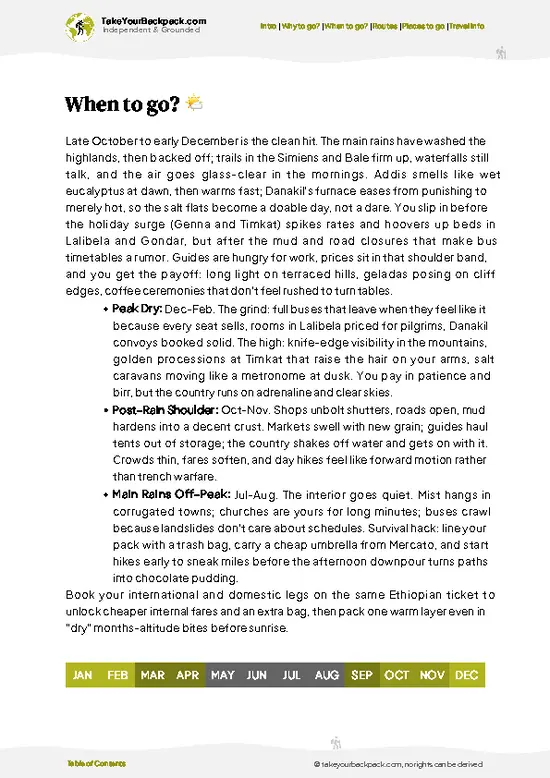
Let’s cut through the Instagram haze: most people come for the cathedral’s silhouette, but the real gravity is underground. The crypt holds the marble tombs of Haile Selassie and his wife, Menen Asfaw. This isn’t just a photo-op; it’s a rare, unfiltered encounter with Ethiopian history’s most mythic figures. The air is heavy, the silence is thick, and the reverence is real—whether you’re a Rastafarian pilgrim or just a curious traveler. The mosaics and the scent of incense make it feel more like a living shrine than a museum. This is my personal favorite. You feel the weight of a nation’s story in your bones.
The Cathedral Interior: Stained Glass and Iconography
Skip the wide shots and get close. The stained glass here isn’t just … read more 👉
Let’s cut through the Instagram haze: most people come for the cathedral’s silhouette, but the real gravity is underground. The crypt holds the marble tombs of Haile Selassie and his wife, Menen Asfaw. This isn’t just a photo-op; it’s a rare, unfiltered encounter with Ethiopian history’s most mythic figures. The air is heavy, the silence is thick, and the reverence is real—whether you’re a Rastafarian pilgrim or just a curious traveler. The mosaics and the scent of incense make it feel more like a living shrine than a museum. This is my personal favorite. You feel the weight of a nation’s story in your bones.
The Cathedral Interior: Stained Glass and Iconography
Skip the wide shots and get close. The stained glass here isn’t just … read more 👉
The Mausoleum of Emperor Haile Selassie and Empress Menen Asfaw
Let’s cut through the Instagram haze: most people come for the cathedral’s silhouette, but the real gravity is underground. The crypt holds the marble tombs of Haile Selassie and his wife, Menen Asfaw. This isn’t just a photo-op; it’s a rare, unfiltered encounter with Ethiopian history’s most mythic figures. The air is heavy, the silence is thick, and the reverence is real—whether you’re a Rastafarian pilgrim or just a curious traveler. The mosaics and the scent of incense make it feel more like a living shrine than a museum. This is my personal favorite. You feel the weight of a nation’s story in your bones.
The Cathedral Interior: Stained Glass and Iconography
Skip the wide shots and get close. The stained glass here isn’t just decorative—it’s a riot of color and narrative, telling Ethiopia’s story in a way no guidebook can. Forget the European comparisons; these windows are bold, sometimes almost psychedelic, and the icons are painted with a rawness that’s more street art than Renaissance. You’ll see saints with Ethiopian features, biblical scenes with local landscapes, and a style that’s unmistakably homegrown. It’s a visual punch that sticks with you.
The Patriarchs’ Tombs
Most visitors breeze past the side chapels, but the tombs of the Ethiopian Orthodox patriarchs are a lesson in humility and grandeur. These aren’t just religious leaders—they’re national figures, and the tombs are marked with a blend of Orthodox tradition and Ethiopian pride. The setting is intimate, the carvings are intricate, and you get a sense of the deep continuity of faith that runs through the country.
The Memorials to Victims of the Derg Regime
This isn’t the sanitized, tourist-friendly version of history. The cathedral grounds include memorials to those killed during the Red Terror—a brutal chapter in Ethiopia’s past. The memorials are stark, the names are real, and the pain is still fresh for many locals. It’s a sobering reminder that this place isn’t just about ancient glory; it’s a living witness to struggle and survival.
The Cathedral Grounds and Gardens
Yes, you’ll see wedding parties and selfie sticks, but don’t let that fool you. The gardens are a microcosm of Addis Ababa itself: roses, cypresses, and the constant hum of city life just beyond the gates. Sit for a minute and watch the mix of clergy, families, and travelers. It’s a people-watcher’s dream, and the contrast between sacred space and urban chaos is pure Ethiopia—messy, beautiful, and utterly real.
Let’s cut through the Instagram haze: most people come for the cathedral’s silhouette, but the real gravity is underground. The crypt holds the marble tombs of Haile Selassie and his wife, Menen Asfaw. This isn’t just a photo-op; it’s a rare, unfiltered encounter with Ethiopian history’s most mythic figures. The air is heavy, the silence is thick, and the reverence is real—whether you’re a Rastafarian pilgrim or just a curious traveler. The mosaics and the scent of incense make it feel more like a living shrine than a museum. This is my personal favorite. You feel the weight of a nation’s story in your bones.
The Cathedral Interior: Stained Glass and Iconography
Skip the wide shots and get close. The stained glass here isn’t just decorative—it’s a riot of color and narrative, telling Ethiopia’s story in a way no guidebook can. Forget the European comparisons; these windows are bold, sometimes almost psychedelic, and the icons are painted with a rawness that’s more street art than Renaissance. You’ll see saints with Ethiopian features, biblical scenes with local landscapes, and a style that’s unmistakably homegrown. It’s a visual punch that sticks with you.
The Patriarchs’ Tombs
Most visitors breeze past the side chapels, but the tombs of the Ethiopian Orthodox patriarchs are a lesson in humility and grandeur. These aren’t just religious leaders—they’re national figures, and the tombs are marked with a blend of Orthodox tradition and Ethiopian pride. The setting is intimate, the carvings are intricate, and you get a sense of the deep continuity of faith that runs through the country.
The Memorials to Victims of the Derg Regime
This isn’t the sanitized, tourist-friendly version of history. The cathedral grounds include memorials to those killed during the Red Terror—a brutal chapter in Ethiopia’s past. The memorials are stark, the names are real, and the pain is still fresh for many locals. It’s a sobering reminder that this place isn’t just about ancient glory; it’s a living witness to struggle and survival.
The Cathedral Grounds and Gardens
Yes, you’ll see wedding parties and selfie sticks, but don’t let that fool you. The gardens are a microcosm of Addis Ababa itself: roses, cypresses, and the constant hum of city life just beyond the gates. Sit for a minute and watch the mix of clergy, families, and travelers. It’s a people-watcher’s dream, and the contrast between sacred space and urban chaos is pure Ethiopia—messy, beautiful, and utterly real.
Spotted a mistake or missing something? Contact us.

Addis Ababa Authentic Private City Tour
✓ Free cancellation

Full-Day Private City Tour of Addis Ababa
✓ Free cancellation

Best of Addis Ababa- (full day)
✓ Free cancellation

Danakil Depression, Lalibela, Omo Valley and Simien Mountains
✓ Free cancellation

Experience a Cultural and Historical Journey through Addis Ababa
✓ Free cancellation

Addis Ababa City Tour

Addis Ababa City - Half Day Tour
✓ Free cancellation

Northern Ethiopia Historic Route
✓ Free cancellation

Authentic Addis: Culture, History & Hidden Gems
✓ Free cancellation

Best of Addis Ababa City Tour
✓ Free cancellation






 Best Backpacking
.jpg) Hi, I’m Johan (Netherlands 🇳🇱), the creator of TakeYourBackpack. Over the past decade, I’ve backpacked through 80+ countries across six continents, gaining extensive experience with independent travel, long-term trips, and overland routes.
Hi, I’m Johan (Netherlands 🇳🇱), the creator of TakeYourBackpack. Over the past decade, I’ve backpacked through 80+ countries across six continents, gaining extensive experience with independent travel, long-term trips, and overland routes.