×

Faroe Islands🇫🇴 | best national parksEssential 3 national parks to Explore in Faroe Islands

In the Faroe Islands, national parks are defined by their rugged landscapes, diverse wildlife, and unique ecosystems. Each park offers distinct experiences shaped by regional characteristics and seasonal changes. For backpackers, the choice of park influences the pace of exploration, from the dramatic cliffs of Vágar to the serene valleys of Eysturoy. Selecting the right park affects your vibe, budget, safety, and cultural immersion, making it essential for independent travel.

By Johan Kruseman 🇳🇱 | Updated March 2, 2025
Explore the best hikes in Faroe Islands

Why go?Understanding Their Importance

The national parks of the Faroe Islands stand out for their rugged landscapes and biodiversity, shaped by dramatic cliffs and sweeping valleys. Unlike many other countries, these parks offer a raw, unfiltered connection to nature, where the crashing waves and howling winds create a symphony of the wild. The infrastructure is basic but functional, emphasizing immersion over convenience; expect winding roads and limited public transport, which can be a trade-off for the depth of exploration.

The climatic conditions are unpredictable, adding an element of challenge that rewards those who embrace it. Travelers must weigh the accessibility of certain areas against the quality of experience; some of the most breathtaking views require effort and time. This unique blend of isolation and beauty makes … read more 👉
The national parks of the Faroe Islands stand out for their rugged landscapes and biodiversity, shaped by dramatic cliffs and sweeping valleys. Unlike many other countries, these parks offer a raw, unfiltered connection to nature, where the crashing waves and howling winds create a symphony of the wild. The infrastructure is basic but functional, emphasizing immersion over convenience; expect winding roads and limited public transport, which can be a trade-off for the depth of exploration.

The climatic conditions are unpredictable, adding an element of challenge that rewards those who embrace it. Travelers must weigh the accessibility of certain areas against the quality of experience; some of the most breathtaking views require effort and time. This unique blend of isolation and beauty makes the Faroe Islands a compelling choice for adventurers willing to earn their rewards.
Behind the Scenes of Selection
The list of best national parks in Faroe Islands is created based on landscapes, wildlife, adventure opportunities, facilities, and overall experience. If you feel a national park is missing in this list, please let us know.

When to go?Best Time to Visit Faroe Islands for national parks

Seasonality shapes the experience in the Faroe Islands’ national parks. Spring and summer bring milder temperatures, ranging from cool to pleasantly warm, making trails more accessible. Wildlife is active during these months, with seabirds nesting and sheep roaming freely. However, this is also peak tourist season, leading to crowded trails and higher accommodation costs.

Autumn offers a quieter experience. The vibrant foliage contrasts against the rugged landscapes, but rainfall increases, making trails slippery. Wildlife visibility remains good, especially for birdwatching, though some trails may close due to weather.

Winter presents challenges with cold temperatures and snow, limiting access to many areas. Yet, the stark beauty of the landscape under a blanket of snow can be rewarding … read more 👉
Seasonality shapes the experience in the Faroe Islands’ national parks. Spring and summer bring milder temperatures, ranging from cool to pleasantly warm, making trails more accessible. Wildlife is active during these months, with seabirds nesting and sheep roaming freely. However, this is also peak tourist season, leading to crowded trails and higher accommodation costs.

Autumn offers a quieter experience. The vibrant foliage contrasts against the rugged landscapes, but rainfall increases, making trails slippery. Wildlife visibility remains good, especially for birdwatching, though some trails may close due to weather.

Winter presents challenges with cold temperatures and snow, limiting access to many areas. Yet, the stark beauty of the landscape under a blanket of snow can be rewarding for those prepared for the elements.

Understanding these seasonal dynamics is crucial for planning an effective trip.

national park hoppingPlanning Your Route Efficiently

Combining national parks in the Faroe Islands requires strategic planning. Start by clustering parks regionally. The islands are compact, so moving from one to another can be quick, but each park has its own character. Prioritize the southern parks like Suðuroy and the northern ones like Viðoy for a balanced experience.

Typical time spent at each park should be around three to five hours, allowing for hikes and exploration. This pacing helps avoid the common mistake of rushing through without truly experiencing the landscapes.

Trade-offs are essential to consider. Speed means less depth; lingering in one park offers richer rewards, like a breathtaking sunset over a fjord. Budget constraints may limit accommodation options, so plan for flexibility. Ultimately, the journey is about savoring … read more 👉
Combining national parks in the Faroe Islands requires strategic planning. Start by clustering parks regionally. The islands are compact, so moving from one to another can be quick, but each park has its own character. Prioritize the southern parks like Suðuroy and the northern ones like Viðoy for a balanced experience.

Typical time spent at each park should be around three to five hours, allowing for hikes and exploration. This pacing helps avoid the common mistake of rushing through without truly experiencing the landscapes.

Trade-offs are essential to consider. Speed means less depth; lingering in one park offers richer rewards, like a breathtaking sunset over a fjord. Budget constraints may limit accommodation options, so plan for flexibility. Ultimately, the journey is about savoring the unique beauty of each park, not just ticking boxes.

The ListHighly Recommended national parks of Faroe Islands

1 Viðarlundin í Sørvágur

wooded trails, riverbank, local birdlife

Stroll shaded paths beneath mature trees, listen for native birds, and pause by gentle streams in this rare pocket of Faroese woodland.

2 Eysturoy

sheer cliffs, sea stacks, mountain passes

Hike along dramatic ridgelines, watch seabirds circle remote rock formations, and experience the wind-shaped terrain that defines Eysturoy’s wild interior.

faroe-islands-national-park-eysturoy
© Google | New Roads

3 Streymoy

fjord views, turf-roof villages, ancient ruins

Wander between quiet hamlets, trace the coastline for panoramic fjord vistas, and encounter remnants of early settlements set against rugged landscapes.

Loading the map 🌍

Expert viewInsights from Locals and Experts

Terrain The Faroe Islands are a rugged symphony of cliffs, valleys, and coastal landscapes. Each national park offers a unique slice of this dramatic terrain. Expect steep ascents and descents, often on narrow paths that demand your full attention. The trails can be slick with rain or fog, so sturdy footwear is non-negotiable. The payoff? Panoramic views that stretch across the Atlantic, where the horizon blurs into the sky.

Park Infrastructure While the parks are well-marked, facilities can be sparse. You’ll find basic amenities, but don’t expect luxury. Bring your own food and water; the remoteness adds to the charm but requires preparation. Some parks have designated camping areas, but wild camping is also an option if you’re respectful of the land. This means you can wake up to the sound … read more 👉
Terrain The Faroe Islands are a rugged symphony of cliffs, valleys, and coastal landscapes. Each national park offers a unique slice of this dramatic terrain. Expect steep ascents and descents, often on narrow paths that demand your full attention. The trails can be slick with rain or fog, so sturdy footwear is non-negotiable. The payoff? Panoramic views that stretch across the Atlantic, where the horizon blurs into the sky.

Park Infrastructure While the parks are well-marked, facilities can be sparse. You’ll find basic amenities, but don’t expect luxury. Bring your own food and water; the remoteness adds to the charm but requires preparation. Some parks have designated camping areas, but wild camping is also an option if you’re respectful of the land. This means you can wake up to the sound of waves crashing against cliffs, but it also means you need to be self-sufficient.

Wildlife Activity The islands are a haven for birdwatchers. Puffins, guillemots, and other seabirds are abundant, especially during the breeding season. Keep your distance and respect their nesting areas. You might also spot seals lounging on rocks or even whales in the surrounding waters. The wildlife adds a layer of vibrancy to your hikes, but be prepared for the unpredictability of nature.

Time and Trade-offs Ideally, aim to visit two to three parks to get a well-rounded experience. Each park can take anywhere from a few hours to a full day, depending on your pace and interests. Balancing time between parks is crucial; some are more accessible than others, which can affect your overall itinerary. If you rush, you’ll miss the subtle beauty of the landscapes and the chance to connect with the local culture.

Safety & Cultural Considerations The weather can change rapidly, so always check forecasts before heading out. Respect local customs, especially in rural areas where traditions run deep. The Faroe Islanders are welcoming but appreciate when visitors show consideration for their environment and way of life. Embrace the grit of the trails, and you’ll find that the effort leads to moments that linger long after your trip ends.

✈️ The backpacker research shortcutFaroe Islands Travel Guide

An offline-friendly backpacking guide with optimized travel routes, ranked highlights, transport advice, and the best areas to stay.
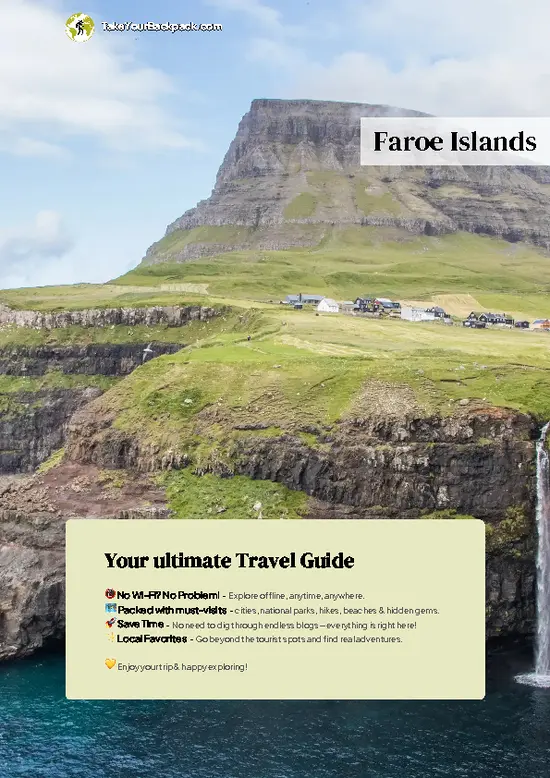
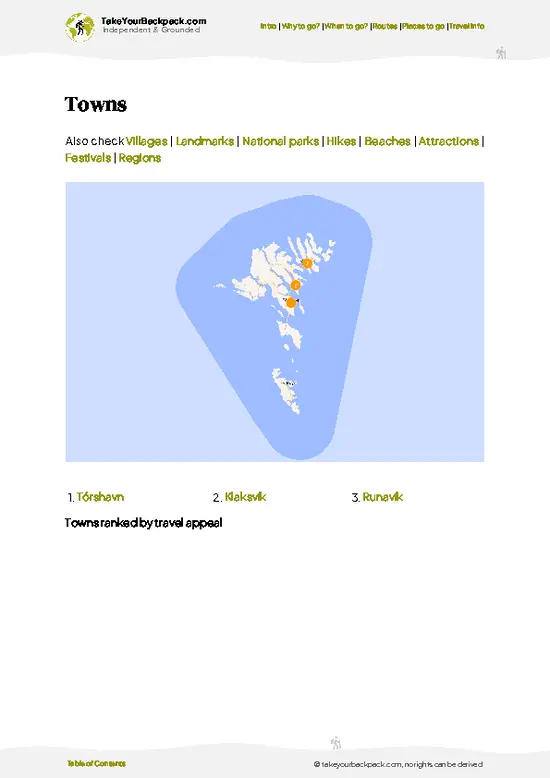
example page 0 from our offline Travel Guide for Faroe Islands
example page 1 from our offline Travel Guide for Faroe Islands
example page 2 from our offline Travel Guide for Faroe Islands
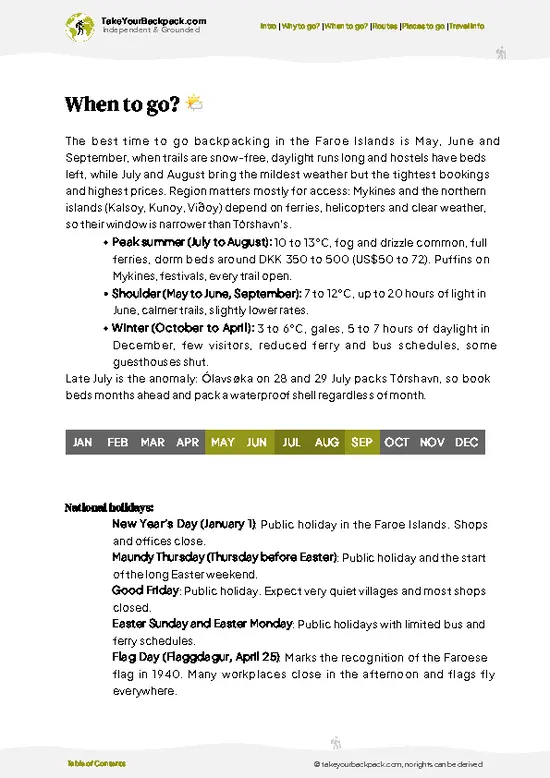
example page 3 from our offline Travel Guide for Faroe Islands
example page 4 from our offline Travel Guide for Faroe Islands
example page 5 from our offline Travel Guide for Faroe Islands
example page 6 from our offline Travel Guide for Faroe Islands
example page 7 from our offline Travel Guide for Faroe Islands
The digital guide (164 pages) contains:
40 highlights, ranked by travel appeal
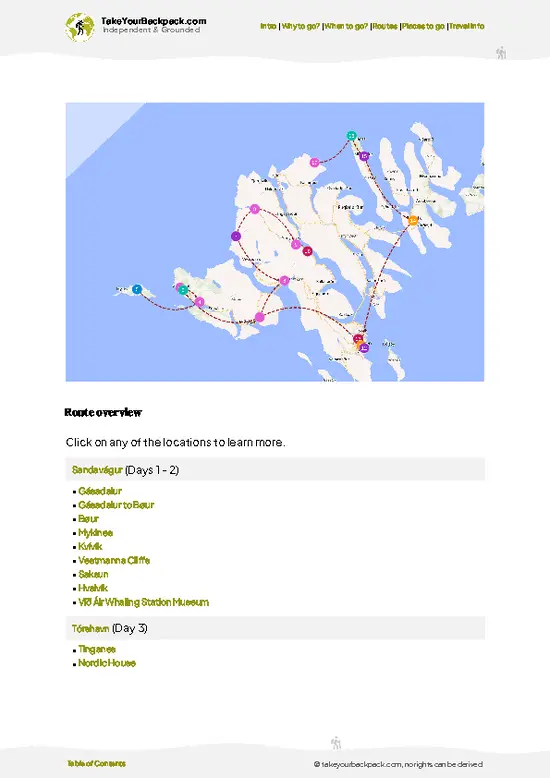
Optimized 2, 3 & 5-day travel routes
Cities, national parks, landmarks, beaches
How to get around
Offline-friendly for travel without Wi-Fi
👉 Click to see all 30+ guide features

📅 Plan smarter in minutes, not weeks
Month by month travel advice
Festivals & national holidays
Budget expectations

🗺️ Go to the right places, skip the overrated ones
Honest pros & cons of destinations
Top hikes, parks & viewpoints
Lesser-known places most travelers miss
Clear “worth it vs skip it” guidance

🛏️ Travel smoothly without rookie mistakes
Best areas to stay
Transport systems explained simply
Common scams & safety advice
SIM cards, money & practical tips

🌍 Understand the country, not just visit it
Culture & traditions
52 Essential phrases & customs
Festivals worth planning around
Traveler-friendly historical context
Insights that make places more meaningful

📱 Built for real travel conditions
Fully downloadable PDF
Works completely offline
Optimized for phone use
Useful in remote areas & buses
Everything in one place
Save weeks of stressful planning
Get instant access to your full guide. 30‑day money-back guarantee.
+ Add another guide for just A$12.35

By proceeding you agree to our terms.
Sent to your inbox immediately after payment • 100% Secure Checkout
Best Backpacking Travel Advisor 2025 tourism awardBest Backpacking
Travel Advisor
2025
What others say about Take Your Backpack Guides:
⭐⭐⭐⭐⭐
Fantastic, amazing amount of information!
⭐⭐⭐⭐⭐
My goodness this is amazing, it's what I've been looking for hats off too you!
⭐⭐⭐⭐⭐
I think this is absolutely BRILLIANT
⭐⭐⭐⭐
Very complete and informative. It's still missing places, but I gotta to commend you
⭐⭐⭐⭐⭐
This is truly amazing, thank you, can't wait to explore it with my kids!
⭐⭐⭐⭐⭐
Awesome resource, thank you!
⭐⭐⭐⭐⭐
This is amazing! Can't wait to explore the ones I haven't seen
⭐⭐⭐⭐
I love this! Well done, great idea.
⭐⭐⭐⭐⭐
Thanks for taking the time to make this gem!
⭐⭐⭐⭐⭐
This might be the best website I've ever seen.
⭐⭐⭐⭐⭐
Congratulations, and thank you so much for your work; it's incredibly valuable.
⭐⭐⭐⭐
In all seriousness I think you did a great job pointing out the important spots
⭐⭐⭐⭐⭐
10/10 very good
⭐⭐⭐⭐⭐
As someone who's only just starting to visit regularly this is awesome, thank you.
⭐⭐⭐⭐
Thank you very much! I'm going to visit my dad, it's going to be very useful!
⭐⭐⭐⭐⭐
This is really cool! We'll be travelling for the first time and this definitely come in handy.
⭐⭐⭐⭐⭐
You are now our minister of culture, congratulations 👨‍💼
⭐⭐⭐⭐⭐
Just wanted to tell you that this is a pearl! Going to follow your recommendations.
⭐⭐⭐⭐⭐
This is so cool. I'll definitely be using the resource for my travels soon.
⭐⭐⭐⭐⭐
This is very impressive! Good work.
⭐⭐⭐⭐⭐
This is an amazing and informative site. Very well done!

🛏️ Where to stay?Where to Stay: Faroe Islands Edition

Faroe Islands hostels are scarce, but budget accommodation exists in the form of guesthouses, bunkhouses and self-catering apartments concentrated in Tórshavn and on Vágar near the airport.
Tórshavn has the most options and is the best base for restaurants, ferries and day trips but is usually pricier and busier on weekends; Vágar (Sørvágur/Sandavágur) gives quickest airport access and direct routes to sights like Mulafossur while offering quieter nights and very limited services; Klaksvík and west-coast villages have fewer beds, are calmer and closer to northern highlights but add travel time and transfer costs.
The islands are very safe and quiet, so book early, pick lodging close to the … read more 👉
Faroe Islands hostels are scarce, but budget accommodation exists in the form of guesthouses, bunkhouses and self-catering apartments concentrated in Tórshavn and on Vágar near the airport.
Tórshavn has the most options and is the best base for restaurants, ferries and day trips but is usually pricier and busier on weekends; Vágar (Sørvágur/Sandavágur) gives quickest airport access and direct routes to sights like Mulafossur while offering quieter nights and very limited services; Klaksvík and west-coast villages have fewer beds, are calmer and closer to northern highlights but add travel time and transfer costs.
The islands are very safe and quiet, so book early, pick lodging close to the attractions you plan to visit, and expect a trade-off between convenience and price because supply is limited and public transport is sparse.

If you enjoy meeting fellow travelers, consider choosing hostels with high ratings for atmosphere. On the other hand, if you prefer having your own space, a hotel might be a better option.

Faroe IslandsExplore Beyond This Category

👋 Meet the founderWho’s Behind Take Your Backpack?

Johan, backpacker and founder of TakeYourBackpackHi, I’m Johan (Netherlands 🇳🇱), the creator of TakeYourBackpack. Over the past decade, I’ve backpacked through 80+ countries across six continents, gaining extensive experience with independent travel, long-term trips, and overland routes.

This site is built on a combination of firsthand travel experience and carefully curated insights from other backpackers. Many guides are based on places I’ve personally visited, while others bring together tips, observations, and practical advice shared by trusted travelers I’ve met along the way.

The goal is to provide realistic, experience-driven guidance — not generic itineraries — so you can explore destinations with better context, clearer expectations, and more confidence.

Get full country guide •
Instant download • 40 highlights • Full Offline guide