
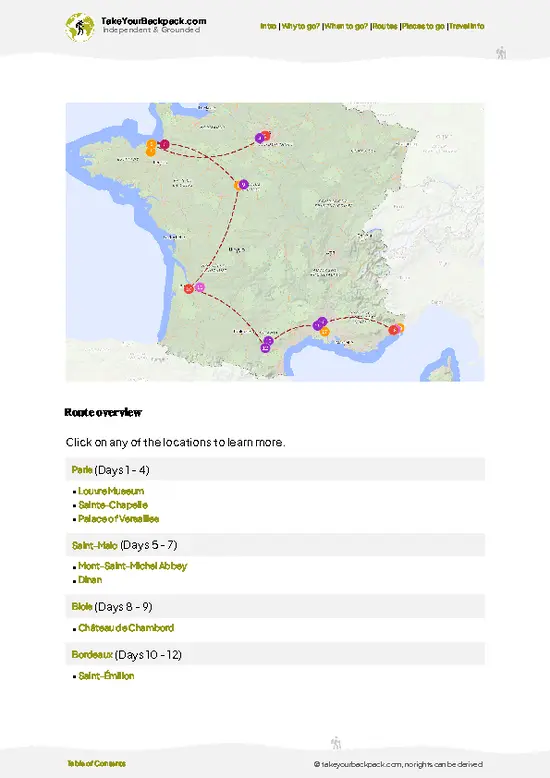
- Tour de Constance — The thick-walled 13th-century keep where Protestant prisoners (famous example: Marie Durand) were held; climb inside for a tangible slice of medieval and religious history and good views over the salt flats.
- Les remparts (the city walls) & chemin de ronde — Walk the fully preserved ramparts end to end: medieval walkway, crenellations and uninterrupted views across the Camargue and salt pans that explain why Aigues-Mortes was built here.
- Tour des Bourgeois — One of the defensive gate-towers leading into the old town; small but atmospheric, it helps you picture how the medieval port controlled access to land and sea.
- Place Saint-Louis — The lively heart of the town around the statue of Saint Louis — great for people-watching, cafés, and feeling the slow rhythm of the
- Tour de Constance — The thick-walled 13th-century keep where Protestant prisoners (famous example: Marie Durand) were held; climb inside for a tangible slice of medieval and religious history and good views over the salt flats.
- Les remparts (the city walls) & chemin de ronde — Walk the fully preserved ramparts end to end: medieval walkway, crenellations and uninterrupted views across the Camargue and salt pans that explain why Aigues-Mortes was built here.
- Tour des Bourgeois — One of the defensive gate-towers leading into the old town; small but atmospheric, it helps you picture how the medieval port controlled access to land and sea.
- Place Saint-Louis — The lively heart of the town around the statue of Saint Louis — great for people-watching, cafés, and feeling the slow rhythm of the walled city.
- Collégiale Notre-Dame-des-Sablons — The main medieval church with an impressive portal and interior that anchors the town’s spiritual and civic history; a calm counterpoint to the busy square outside.
- Old harbour & quays — Where boats leave for salt-pan and sea excursions; wandering the quays gives a sense of the town’s maritime past and present, with colorful boats and old salt warehouses.
- Les Halles (covered market) and weekly market — Real local life: Provençal produce, charcuterie, olives and small stalls. Perfect for grabbing picnic supplies and hearing the local dialect in action.
- Chapelle des Pénitents Blancs — A small, characterful chapel used for exhibitions and concerts; the ornate interior and intimate scale reveal a quieter layer of Aigues-Mortes’ religious art and confraternity history.
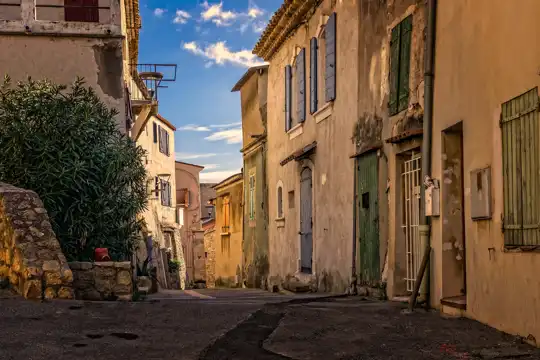
- Medieval streets and artisan shops (Grand’Rue and side lanes) — Narrow stone streets lined with old houses, salt and Camargue-themed shops, leatherwork and tiny galleries — the best way to soak up local color is to get pleasantly lost here.
- Porte de la Reine (Queen’s Gate) — One of the original fortified entrances with remnants of drawbridge and towers; a photogenic spot that also shows how the town linked to sea routes in the Middle Ages.
Spotted a mistake or missing something? Contact us.


 Best Backpacking
 Hi, I’m Johan (Netherlands 🇳🇱), the creator of TakeYourBackpack. Over the past 3 decades, I’ve backpacked through 90+ countries across six continents, gaining extensive experience with independent travel, long-term trips, and overland routes.