
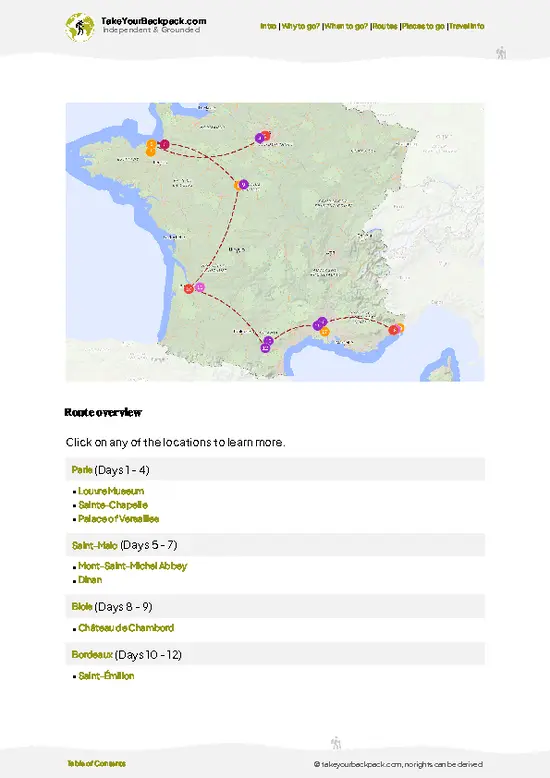
- Cathédrale Sainte-Cécile — A fortress-like brick Gothic cathedral with an astonishingly intact interior: a huge Last Judgment fresco, richly carved polychrome choir screen and an atmosphere that hits you harder in person than any photo can.
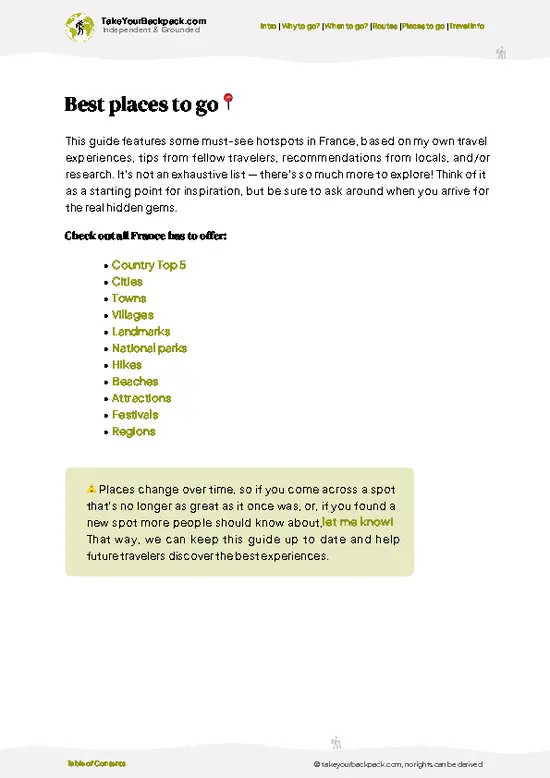
- Palais de la Berbie & Musée Toulouse-Lautrec — The medieval bishop’s palace that houses the world’s largest public collection of Toulouse-Lautrec; you get grand river views, castle stonework and genuine art-history payoff in one stop.
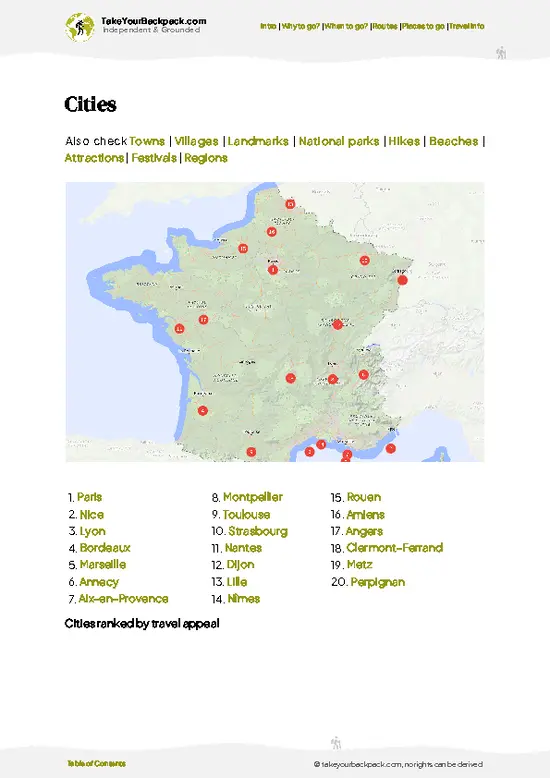
- Pont Vieux (Old Bridge) — A stone medieval crossing over the Tarn; stroll it for classic photo angles of the cathedral and riverside, and to feel the town’s medieval pulse where commerce and travel once funneled through.
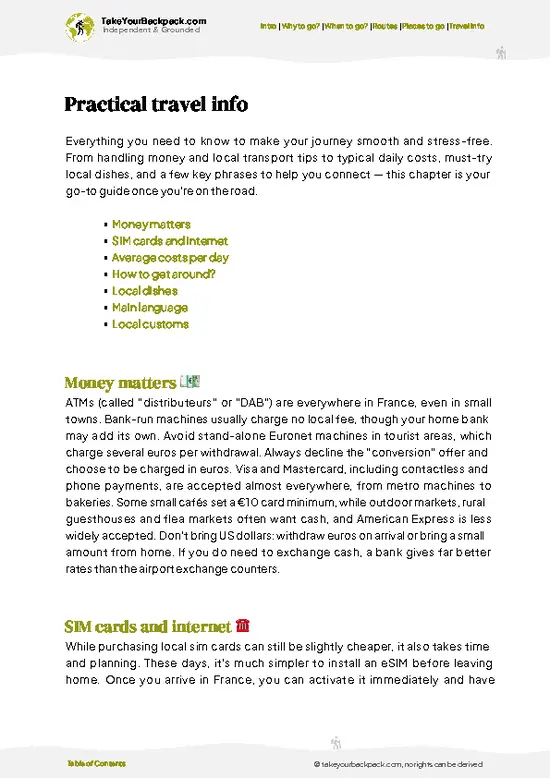
- Jardins de la Berbie — Terraced riverside gardens beside the Palais de la Berbie: quiet paths, shady
- Cathédrale Sainte-Cécile — A fortress-like brick Gothic cathedral with an astonishingly intact interior: a huge Last Judgment fresco, richly carved polychrome choir screen and an atmosphere that hits you harder in person than any photo can.
- Palais de la Berbie & Musée Toulouse-Lautrec — The medieval bishop’s palace that houses the world’s largest public collection of Toulouse-Lautrec; you get grand river views, castle stonework and genuine art-history payoff in one stop.
- Pont Vieux (Old Bridge) — A stone medieval crossing over the Tarn; stroll it for classic photo angles of the cathedral and riverside, and to feel the town’s medieval pulse where commerce and travel once funneled through.
- Jardins de la Berbie — Terraced riverside gardens beside the Palais de la Berbie: quiet paths, shady benches and excellent viewpoints of the cathedral and Tarn—perfect for a picnic or a slow afternoon.
- Collégiale Saint-Salvi and Cloister — A quieter, soulful counterpoint to Sainte-Cécile: an elegant bell tower, a serene cloister and often small exhibitions or organ recitals that reveal another layer of Albi’s religious history.
- Quais du Tarn (the riverbanks) — The town’s living room: shaded promenades, cafés and seasonal boat trips. Walk or rent a bench, watch local life, or take a short cruise to see Albi from the water.
- Place du Vigan — Albi’s main square and social hub: cafés, terraces, street life and regular markets. Great for people-watching and to get a feel for how locals live here.
- Musée Fenaille — Small but rich: prehistoric and medieval sculptures (including statues-menhir and funerary pieces) that give real depth to the area’s long history—no crowds, just great relics.
- Musée Lapérouse — Dedicated to the explorer Jean-François de Galaup, comte de Lapérouse, this museum mixes ship models, maps and maritime objects and ties Albi to global exploration in an engaging way.
- Les Halles (the covered market) — A bustling local market near the center where you can taste regional cheeses, charcuterie, fresh produce and pick up picnic supplies; visiting on market morning feels very Albigensian.
Spotted a mistake or missing something? Contact us.

Toulouse : Albi and Cordes/Ciel Day Trip with audio guides

Albi, Cordes and Gaillac Day Tour from Toulouse

Albi and Cordes sur Ciel Private Day Tour from Toulouse

Private Tour of Albi from Toulouse

From Cathars to Kings: Albi and Cordes-sur-Ciel Day Trip


 Best Backpacking
 Hi, I’m Johan (Netherlands 🇳🇱), the creator of TakeYourBackpack. Over the past 3 decades, I’ve backpacked through 90+ countries across six continents, gaining extensive experience with independent travel, long-term trips, and overland routes.