v2.webp)
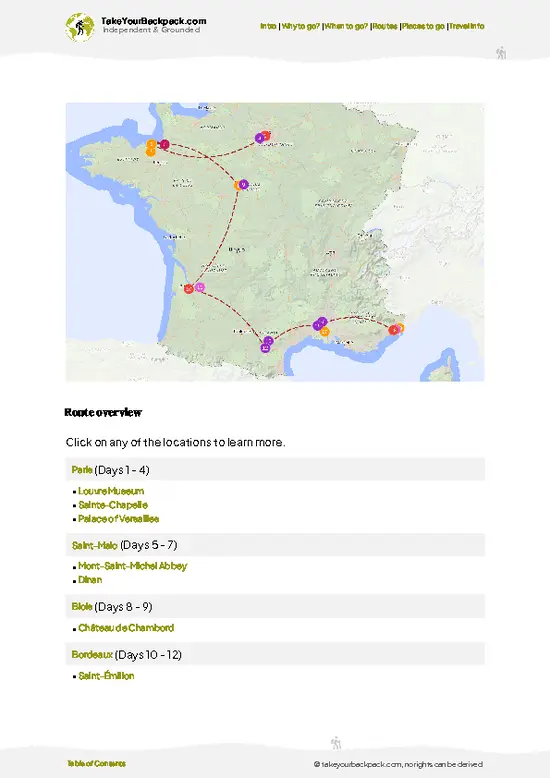
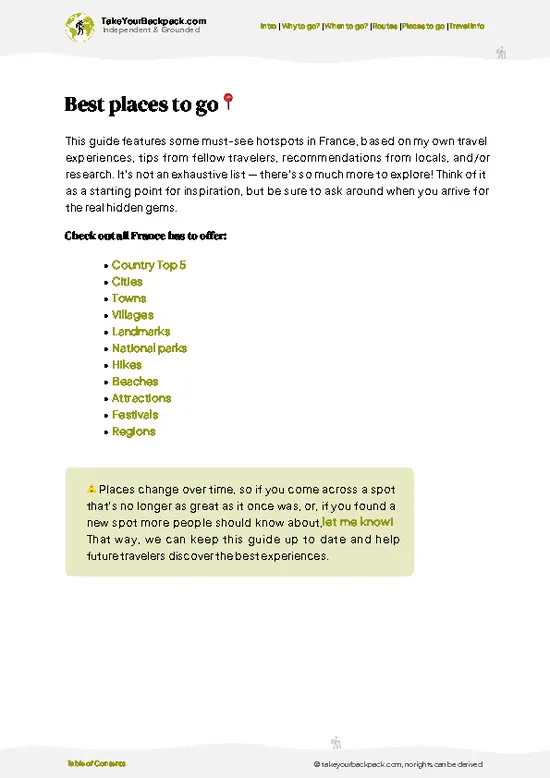
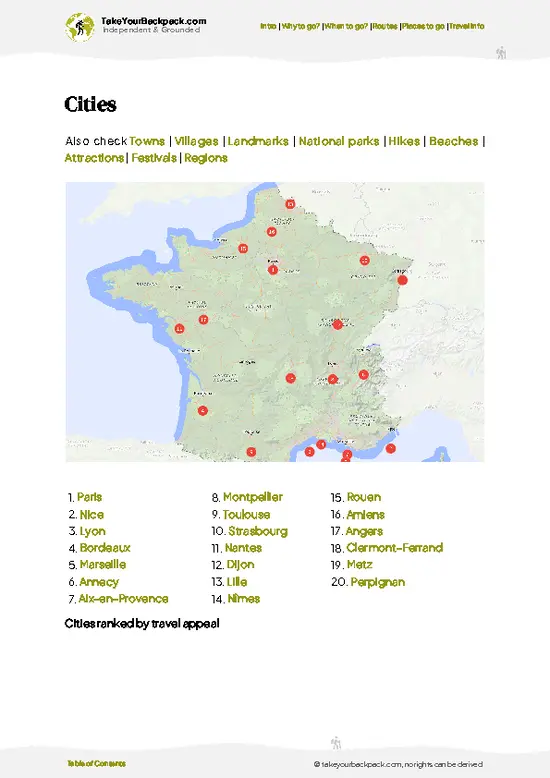
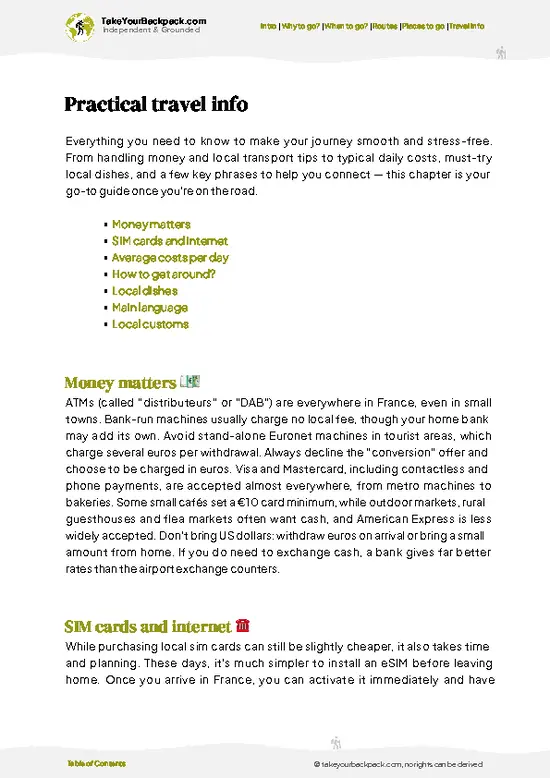
Maison Bonaparte
This is Napoleon’s childhood home, and it’s not just a museum—it’s a crash course in Corsican identity and French ambition. You’ll walk through rooms where the Bonaparte family plotted, squabbled, and shaped a future emperor. The displays are tactile: family portraits, period furniture, and even the kitchen where young Napoleon allegedly stole snacks. Go early in the morning to avoid the cruise-ship crowds. Entry is around €7. Budget 60-90 minutes if you want to absorb the details, but you can breeze through in 30 if you’re short on time. The trade-off: You sacrifice a chunk of your morning, but you get a direct line to Ajaccio’s most famous son—and a sense of how Corsica shaped him.
Ajaccio Market (Marché Central)
This is where Ajaccio’s soul is on full display—cheese wheels, … read more 👉
This is Napoleon’s childhood home, and it’s not just a museum—it’s a crash course in Corsican identity and French ambition. You’ll walk through rooms where the Bonaparte family plotted, squabbled, and shaped a future emperor. The displays are tactile: family portraits, period furniture, and even the kitchen where young Napoleon allegedly stole snacks. Go early in the morning to avoid the cruise-ship crowds. Entry is around €7. Budget 60-90 minutes if you want to absorb the details, but you can breeze through in 30 if you’re short on time. The trade-off: You sacrifice a chunk of your morning, but you get a direct line to Ajaccio’s most famous son—and a sense of how Corsica shaped him.
Ajaccio Market (Marché Central)
This is where Ajaccio’s soul is on full display—cheese wheels, … read more 👉
Maison Bonaparte
This is Napoleon’s childhood home, and it’s not just a museum—it’s a crash course in Corsican identity and French ambition. You’ll walk through rooms where the Bonaparte family plotted, squabbled, and shaped a future emperor. The displays are tactile: family portraits, period furniture, and even the kitchen where young Napoleon allegedly stole snacks. Go early in the morning to avoid the cruise-ship crowds. Entry is around €7. Budget 60-90 minutes if you want to absorb the details, but you can breeze through in 30 if you’re short on time. The trade-off: You sacrifice a chunk of your morning, but you get a direct line to Ajaccio’s most famous son—and a sense of how Corsica shaped him.
Ajaccio Market (Marché Central)
This is where Ajaccio’s soul is on full display—cheese wheels, honey, wild boar sausage, and locals arguing over the best olive oil. It’s not just about shopping; it’s about people-watching and tasting your way through Corsican culture. The market is open mornings (except Mondays), and the earlier you go, the more authentic the experience. Free to browse, but you’ll want €10-€20 for snacks or souvenirs. Give yourself 45-60 minutes. The trade-off: You’ll stand, you’ll jostle, but you’ll eat better than at any tourist café.
Citadelle d’Ajaccio
This 16th-century fortress has only recently opened to the public, and it’s a rare chance to explore Ajaccio’s military past up close. The ramparts offer panoramic views of the bay and the city’s tangled streets. Guided tours are available, but even a self-guided wander is rewarding. Entry is around €10. Allow 60-90 minutes. The trade-off: Some steep climbs and uneven ground, but you get history with a view—and far fewer crowds than the city center.
Musée Fesch
Napoleon’s uncle founded this museum, and it’s a sleeper hit for art lovers. The Italian Renaissance collection is the best in Corsica, with works by Botticelli, Titian, and more. The building itself is a cool, quiet refuge from the midday heat. Entry is about €8. Plan for 60-90 minutes if you want to see the highlights. The trade-off: You’ll spend time indoors, but you’ll see masterpieces without the elbowing you’d get in Florence or Paris.
Plage Saint-François
This city beach is a five-minute walk from the old town. It’s not the wildest or most secluded stretch of sand on Corsica, but it’s perfect for a quick swim or a lazy afternoon with a book. Free, unless you rent a lounger. Stay for 30 minutes or three hours—your call. The trade-off: You sacrifice the drama of remote beaches, but you gain instant access and a front-row seat to Ajaccio’s daily rhythm.
Place Foch & Ajaccio Old Town
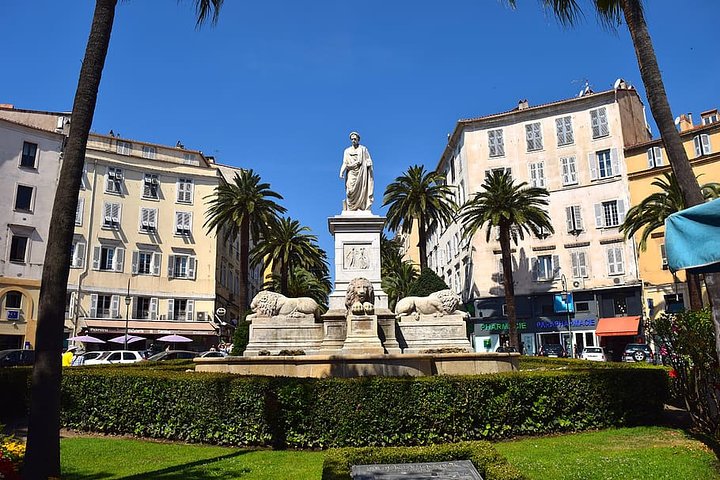
This is Ajaccio’s living room: palm trees, pastel facades, and a statue of Napoleon surveying the scene. The surrounding alleys are packed with bakeries, bars, and shops selling everything from knives to chestnut liqueur. Free to wander, but you’ll want some cash for coffee or gelato. Give yourself 45-90 minutes to soak it in. The trade-off: It’s busy, but it’s the best place to feel the city’s pulse and watch Corsican life unfold.
For day trips, the blood-red rocks of Les Calanques de Piana, the prehistoric site of Filitosa, and the wild Sanguinaires Islands are all within striking distance—each one a different flavor of Corsican adventure. Les Calanques de Piana is my personal favorite: the drive alone is worth the journey, and the scenery feels almost Martian.
This is Napoleon’s childhood home, and it’s not just a museum—it’s a crash course in Corsican identity and French ambition. You’ll walk through rooms where the Bonaparte family plotted, squabbled, and shaped a future emperor. The displays are tactile: family portraits, period furniture, and even the kitchen where young Napoleon allegedly stole snacks. Go early in the morning to avoid the cruise-ship crowds. Entry is around €7. Budget 60-90 minutes if you want to absorb the details, but you can breeze through in 30 if you’re short on time. The trade-off: You sacrifice a chunk of your morning, but you get a direct line to Ajaccio’s most famous son—and a sense of how Corsica shaped him.
Ajaccio Market (Marché Central)
This is where Ajaccio’s soul is on full display—cheese wheels, honey, wild boar sausage, and locals arguing over the best olive oil. It’s not just about shopping; it’s about people-watching and tasting your way through Corsican culture. The market is open mornings (except Mondays), and the earlier you go, the more authentic the experience. Free to browse, but you’ll want €10-€20 for snacks or souvenirs. Give yourself 45-60 minutes. The trade-off: You’ll stand, you’ll jostle, but you’ll eat better than at any tourist café.
Citadelle d’Ajaccio
This 16th-century fortress has only recently opened to the public, and it’s a rare chance to explore Ajaccio’s military past up close. The ramparts offer panoramic views of the bay and the city’s tangled streets. Guided tours are available, but even a self-guided wander is rewarding. Entry is around €10. Allow 60-90 minutes. The trade-off: Some steep climbs and uneven ground, but you get history with a view—and far fewer crowds than the city center.
Musée Fesch
Napoleon’s uncle founded this museum, and it’s a sleeper hit for art lovers. The Italian Renaissance collection is the best in Corsica, with works by Botticelli, Titian, and more. The building itself is a cool, quiet refuge from the midday heat. Entry is about €8. Plan for 60-90 minutes if you want to see the highlights. The trade-off: You’ll spend time indoors, but you’ll see masterpieces without the elbowing you’d get in Florence or Paris.
Plage Saint-François
This city beach is a five-minute walk from the old town. It’s not the wildest or most secluded stretch of sand on Corsica, but it’s perfect for a quick swim or a lazy afternoon with a book. Free, unless you rent a lounger. Stay for 30 minutes or three hours—your call. The trade-off: You sacrifice the drama of remote beaches, but you gain instant access and a front-row seat to Ajaccio’s daily rhythm.
Place Foch & Ajaccio Old Town
This is Ajaccio’s living room: palm trees, pastel facades, and a statue of Napoleon surveying the scene. The surrounding alleys are packed with bakeries, bars, and shops selling everything from knives to chestnut liqueur. Free to wander, but you’ll want some cash for coffee or gelato. Give yourself 45-90 minutes to soak it in. The trade-off: It’s busy, but it’s the best place to feel the city’s pulse and watch Corsican life unfold.
For day trips, the blood-red rocks of Les Calanques de Piana, the prehistoric site of Filitosa, and the wild Sanguinaires Islands are all within striking distance—each one a different flavor of Corsican adventure. Les Calanques de Piana is my personal favorite: the drive alone is worth the journey, and the scenery feels almost Martian.
Spotted a mistake or missing something? Contact us.

Corsica A Cupulatta Turtle Park Skip the Line Admission Ticket

The Napoleon Cave - complete package (Corsican meal)
Corsica Ajaccio Private Tour with Driver and Optional Guide with Hotel Transfer

Figari Airport & City Private Transfer

Private Shore Tour: Ajaccio Historical Walk & Napoleon Heritage


 Best Backpacking
.jpg) Hi, I’m Johan (Netherlands 🇳🇱), the creator of TakeYourBackpack. Over the past 3 decades, I’ve backpacked through 90+ countries across six continents, gaining extensive experience with independent travel, long-term trips, and overland routes.
Hi, I’m Johan (Netherlands 🇳🇱), the creator of TakeYourBackpack. Over the past 3 decades, I’ve backpacked through 90+ countries across six continents, gaining extensive experience with independent travel, long-term trips, and overland routes.