v2.webp)
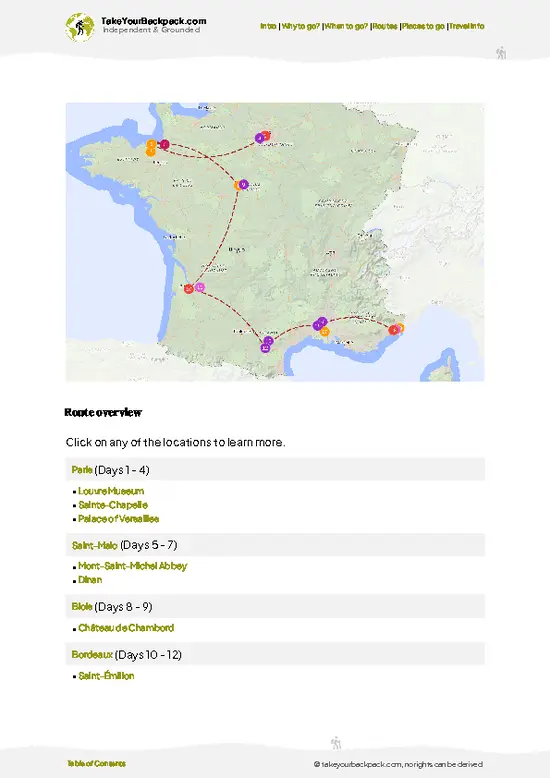
- Citadelle de Besançon — Vauban’s hilltop fortress that actually lives up to the hype: huge ramparts, sweeping views over the city loop, a handful of museums (natural history, resistance, planetarium) and a small zoo. Climb the walls for the best city photos and a real sense of how strategic Besançon has been for centuries.
- Musée du Temps (Palais Granvelle) — Housed in a grand Renaissance palace, this museum traces Besançon’s watchmaking legacy alongside decorative arts and local history. It’s small enough to explore properly but packed with beautiful clocks and clever displays.
- Cathédrale Saint-Jean — A striking mix of styles with one of the city’s must-see pieces: the ornate 19th-century astronomical clock inside. The interior and stained glass are worth a slow walk-through, and it sits
- Citadelle de Besançon — Vauban’s hilltop fortress that actually lives up to the hype: huge ramparts, sweeping views over the city loop, a handful of museums (natural history, resistance, planetarium) and a small zoo. Climb the walls for the best city photos and a real sense of how strategic Besançon has been for centuries.
- Musée du Temps (Palais Granvelle) — Housed in a grand Renaissance palace, this museum traces Besançon’s watchmaking legacy alongside decorative arts and local history. It’s small enough to explore properly but packed with beautiful clocks and clever displays.
- Cathédrale Saint-Jean — A striking mix of styles with one of the city’s must-see pieces: the ornate 19th-century astronomical clock inside. The interior and stained glass are worth a slow walk-through, and it sits right in the historic core.
- Porte Noire — A surprisingly intact Roman triumphal arch tucked between buildings near the cathedral. Seeing this 2nd-century relic up close is a neat reminder of Besançon’s long timeline—Rome left its mark here.
- Musée des Beaux-Arts et d’Archéologie — One of the region’s main art museums, with collections that range from antiquities to fine paintings. It’s housed in an atmospheric old building and rewards anyone who enjoys slow museum wandering.
- Maison natale de Victor Hugo — The house where Victor Hugo was born has been turned into a compact museum. It’s surprisingly intimate: period rooms, manuscripts and objects that give texture to the life of France’s most famous writer.
- La Boucle & riverside promenades — The dramatic horseshoe bend of the Doubs is the city’s defining landscape. Walk the quays, picnic on the banks or join a short seasonal boat trip to appreciate the old town hugging the river from the water.
- Quartier Battant — Besançon’s lively riverside neighborhood: narrow streets, independent shops, cafés and a real everyday vibe. It’s the best place to see local life change from market stalls in the morning to bars and music in the evening.
- Porte Rivotte and the ramparts — A quieter stretch of old defensive works with grassy esplanades, rampart walks and good spots to watch the city go by. It’s less touristy than the Citadel but full of character and history.
- La Rodia (music & cultural venue) — A compact, well-curated venue for concerts, local festivals and contemporary cultural events. Great if your visit coincides with a gig—easy way to tap into Besançon’s current scene.
Spotted a mistake or missing something? Contact us.

Besancon Private Walking Tour With A Professional Guide

Unusual track game on Christmas markets in Montbéliard

Tour guide in Besançon - Visit Besançon with your official guide

Private Sightseeing Flight above the Doubs

Besançon Audio guided walking tour 2h10 and 25 audio commentary


 Best Backpacking
.jpg) Hi, I’m Johan (Netherlands 🇳🇱), the creator of TakeYourBackpack. Over the past 3 decades, I’ve backpacked through 90+ countries across six continents, gaining extensive experience with independent travel, long-term trips, and overland routes.
Hi, I’m Johan (Netherlands 🇳🇱), the creator of TakeYourBackpack. Over the past 3 decades, I’ve backpacked through 90+ countries across six continents, gaining extensive experience with independent travel, long-term trips, and overland routes.