×

France🇫🇷 | citiesDijonBurgundian rooftops, mustard shops, ducal palace | things to do and best time to go

Explore LilleExplore Rouen

Backpacking in Dijon
👍 Recommendedcity ranked #11
By Johan Kruseman 🇳🇱 | Updated October 16, 2026

Most people only realize on the train out that Dijon is the perfect “base camp” city: small enough to cross on foot in 20 minutes, but plugged into fast trains that shoot you to Paris, Lyon, or Beaune in under two hours. It sits in eastern France, in Burgundy, on the Paris-Lyon rail spine. For backpackers, Dijon is calm, compact, and cheaper than Paris or Lyon, with a medieval core, the Ducal Palace, and the owl trail tying the sights together. Nightlife is student-heavy but not wild, hostels are limited so you need to book, and it’s very safe but a bit quiet socially. Think: quality food, slow evenings, easy day trips, fewer instant friendships.

Discover everything you want to know in the 📖 France Travel Guide.


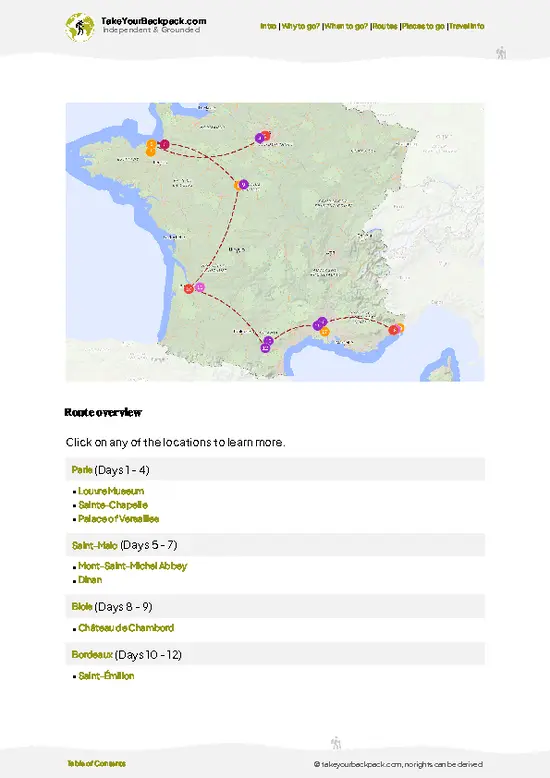
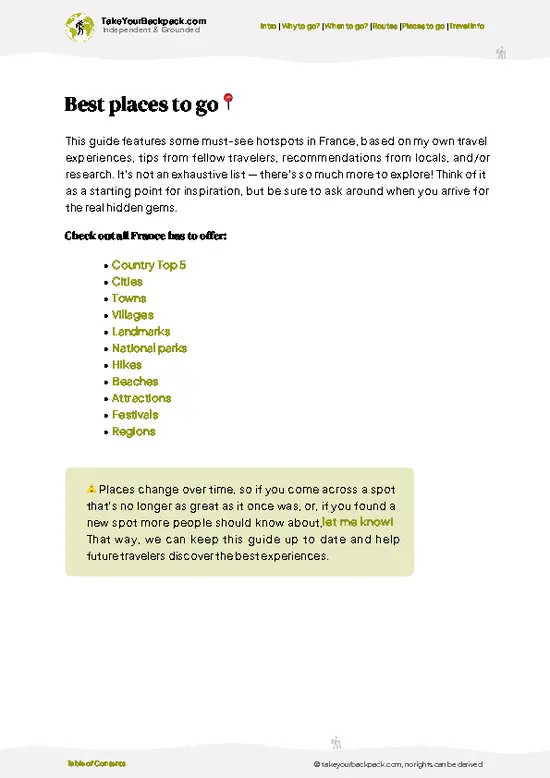
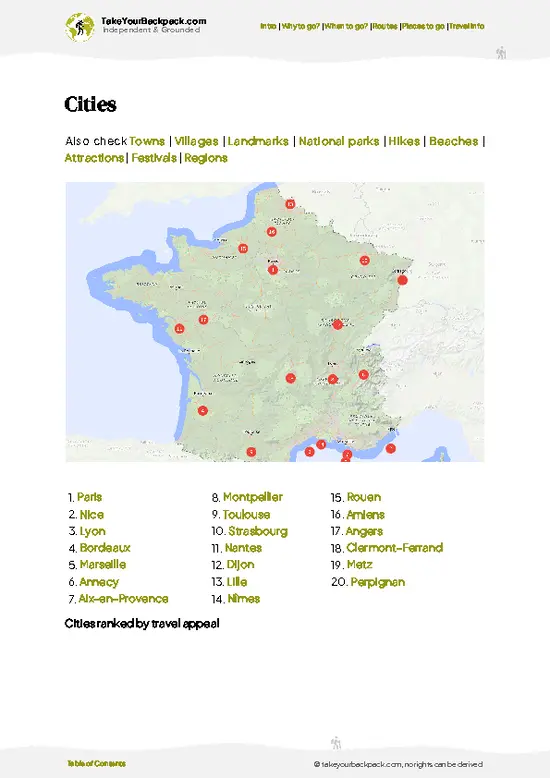
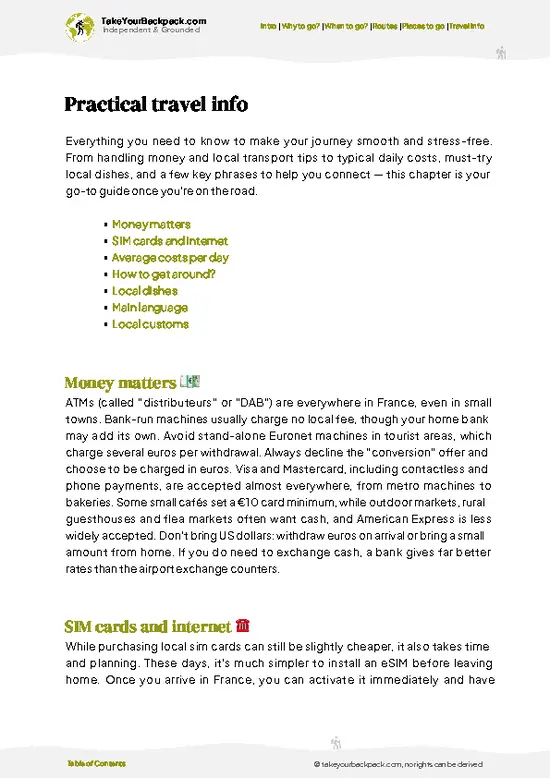
example page 0 from our offline Travel Guide for France
example page 1 from our offline Travel Guide for France
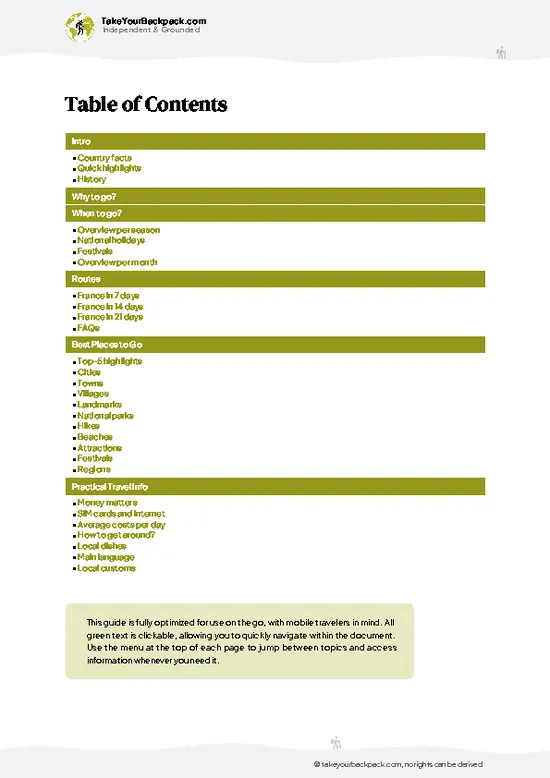
example page 2 from our offline Travel Guide for France
example page 3 from our offline Travel Guide for France
example page 4 from our offline Travel Guide for France
example page 5 from our offline Travel Guide for France
example page 6 from our offline Travel Guide for France
example page 7 from our offline Travel Guide for France
Loading the map 🌍
CLICK TO FILTER
cities
towns
villages
landmarks
national parks
hikes
beaches
attractions
festivals
regions
SHOW COUNTRY’S BESTSHOW ALL

✨ Why go?
Ranked #11 city in France
What makes this city worth visiting

Dijon is a strategic basecamp for backpackers weaving through France. It’s not just about the highlights; it’s about how they fit into your journey. The city’s walkability makes it easy to explore on foot, allowing you to soak in the rich history and charming architecture without burning through your time or energy.

Affordable hostels provide a cozy place to recharge, and the local food scene is a delicious adventure in itself—think hearty dishes that won’t break the bank. Plus, the nightlife offers a mix of laid-back bars and vibrant spots, perfect for unwinding after a day of exploration.

Dijon also serves as a gateway for day trips to nearby gems, making it a smart choice for those wanting to balance comfort and value. If you’re looking for a city that enhances your travel experience … read more 👉
Dijon is a strategic basecamp for backpackers weaving through France. It’s not just about the highlights; it’s about how they fit into your journey. The city’s walkability makes it easy to explore on foot, allowing you to soak in the rich history and charming architecture without burning through your time or energy.

Affordable hostels provide a cozy place to recharge, and the local food scene is a delicious adventure in itself—think hearty dishes that won’t break the bank. Plus, the nightlife offers a mix of laid-back bars and vibrant spots, perfect for unwinding after a day of exploration.

Dijon also serves as a gateway for day trips to nearby gems, making it a smart choice for those wanting to balance comfort and value. If you’re looking for a city that enhances your travel experience without overshadowing it, Dijon is worth more than just a fleeting visit.

💡 HighlightsMust-see experiences and standout moments

  • Palais des Ducs et des États de Bourgogne — The massive ducal palace anchors Dijon’s old town: admire the stone façades, the courtyard, and the way the building stitches medieval power into today’s city hall. Great for photos and people-watching from the square.
  • Musée des Beaux-Arts de Dijon — Housed inside the palace, this museum is one of France’s oldest public collections. A compact, high-quality sweep from medieval Burgundian art to fine portraits and carved tombs of the dukes—perfect if you want art without getting museum-fatigued.
  • Tour Philippe le Bon — Climb the tower for a proper rooftop view of Dijon and the surrounding vineyards. The stairway is narrow and old-school, but the panorama at the top is worth the huffing.
  • Église Notre-Dame and La Chouette — A beautiful Gothic church
… read more 👉
  • Palais des Ducs et des États de Bourgogne — The massive ducal palace anchors Dijon’s old town: admire the stone façades, the courtyard, and the way the building stitches medieval power into today’s city hall. Great for photos and people-watching from the square.
  • Musée des Beaux-Arts de Dijon — Housed inside the palace, this museum is one of France’s oldest public collections. A compact, high-quality sweep from medieval Burgundian art to fine portraits and carved tombs of the dukes—perfect if you want art without getting museum-fatigued.
  • Tour Philippe le Bon — Climb the tower for a proper rooftop view of Dijon and the surrounding vineyards. The stairway is narrow and old-school, but the panorama at the top is worth the huffing.
  • Église Notre-Dame and La Chouette — A beautiful Gothic church famous for its little owl carving on the façade. Locals and travelers rub the owl for luck; go inside for the architecture and to see the details you’ll miss from the street.
  • Parcours de la Chouette (the Owl Trail) — A self-guided walking route marked by small bronze owls and numbered plaques that threads through the city’s highlights. Cheap, friendly, and a fun way to orient yourself while hitting both main sights and tucked-away corners.
  • Les Halles (covered market) — The beating market heart of Dijon: stalls piled with cheeses, sausages, produce, and local specialties. Ideal for a cheap, delicious snack (or a picnic) and to overhear the local culinary opinions.
  • Musée Magnin — A quietly brilliant private collection in an elegant town house. If you like paintings and rooms that still feel lived-in, this is a calm, rewarding detour from the bigger museums.
  • Musée de la Vie Bourguignonne Perrin de Puycousin — A folk-life museum that brings everyday Burgundian history to life—period interiors, tools, clothing—so you don’t just see aristocratic history but how regular people actually lived here.
  • Jardin de l’Arquebuse & Muséum d’Histoire Naturelle — A pleasant botanical garden and matched natural-history museum: a good morning for strolling, birdwatching, or feeding a relaxed brain with local geology and wildlife displays.
  • Maison Millière (medieval timbered house) — One of Dijon’s most photogenic half-timbered houses with carved woodwork and overhanging floors. Small, charming, and a good reminder the city isn’t just stone palaces—there are cozy medieval lanes too.
A few easy day trips from Dijon: Beaune (especially the Hospices de Beaune), the wine villages and cellars along the Route des Grands Crus (Clos de Vougeot, Nuits-Saint-Georges), and the Cîteaux Abbey for a quieter, historic visit.
Spotted a mistake or missing something? Contact us.

Things to do in Dijon

Ratings based on Tripadvisor reviews. When you book through this link, you support our work at no extra cost to you.

🏘️ NeighborhoodsUnderstanding the local layout

Dijon offers a delightful mix of history, culture, and culinary delights, making it a prime spot for backpackers. Here’s how to navigate its neighborhoods:

Centre Ville: The heart of Dijon, this area buzzes with energy. You’ll find historic architecture, bustling markets, and plenty of cafés. It’s walkable, making it easy to explore on foot. Costs can vary, but budget options are available. Perfect for short stays, as you can soak up the city’s essence quickly.

Les Halles: Known for its vibrant market, this neighborhood is a food lover’s paradise. The vibe is lively, especially on market days. Accommodation here can be pricier, but the experience is worth it. It’s a great spot for longer stays if you want to dive into local gastronomy.

Faubourg Saint-Jacques: A quieter area, ideal for … read more 👉
Dijon offers a delightful mix of history, culture, and culinary delights, making it a prime spot for backpackers. Here’s how to navigate its neighborhoods:

Centre Ville: The heart of Dijon, this area buzzes with energy. You’ll find historic architecture, bustling markets, and plenty of cafés. It’s walkable, making it easy to explore on foot. Costs can vary, but budget options are available. Perfect for short stays, as you can soak up the city’s essence quickly.

Les Halles: Known for its vibrant market, this neighborhood is a food lover’s paradise. The vibe is lively, especially on market days. Accommodation here can be pricier, but the experience is worth it. It’s a great spot for longer stays if you want to dive into local gastronomy.

Faubourg Saint-Jacques: A quieter area, ideal for those seeking a more laid-back experience. It’s still close enough to the action, with easy transport links. Costs are generally lower here, making it suitable for budget travelers. Great for longer stays if you prefer a peaceful retreat.

Montmuzard: This residential neighborhood offers a glimpse into local life. It’s less touristy, with affordable lodging options. Walkability is decent, but you might need public transport for the city center. Perfect for longer stays if you want to immerse yourself in the local culture.

⌛️ 1 dayA smart one-day plan

Dijon, the capital of Burgundy, is a city where history and gastronomy collide. Its medieval streets are lined with half-timbered houses, and the aroma of mustard wafts through the air, inviting you to explore. You can easily spend a day here, soaking in its rich culture and culinary delights.

Start your morning at the bustling Les Halles market. Grab a flaky croissant and a cup of coffee from a local vendor. The market is alive with vendors selling everything from fresh produce to artisanal cheeses. After fueling up, wander over to the Palais des Ducs, where you can admire the stunning architecture and learn about the city’s history. Don’t miss the view from the top of the Tour Philippe le Bon; the panoramic sights of Dijon are worth the climb.

In the afternoon, stroll through the charming … read more 👉
Dijon, the capital of Burgundy, is a city where history and gastronomy collide. Its medieval streets are lined with half-timbered houses, and the aroma of mustard wafts through the air, inviting you to explore. You can easily spend a day here, soaking in its rich culture and culinary delights.

Start your morning at the bustling Les Halles market. Grab a flaky croissant and a cup of coffee from a local vendor. The market is alive with vendors selling everything from fresh produce to artisanal cheeses. After fueling up, wander over to the Palais des Ducs, where you can admire the stunning architecture and learn about the city’s history. Don’t miss the view from the top of the Tour Philippe le Bon; the panoramic sights of Dijon are worth the climb.

In the afternoon, stroll through the charming streets of the Old Town, particularly the Rue des Forges. Pop into the Musée des Beaux-Arts to appreciate its impressive collection, including works by Van Dyck and Monet. For something off the beaten path, head to the tranquil Parc de la Colombière. It’s a perfect spot to relax and enjoy a moment of peace away from the tourist crowds.

As evening approaches, make your way to the Rue de la Liberté, where you’ll find a variety of bistros. Treat yourself to a traditional coq au vin or a plate of escargots. Pair it with a glass of local Burgundy wine for a true taste of the region. End your day with a leisurely walk along the canal, reflecting on the flavors and sights you’ve savored. In Dijon, every moment is a delightful experience waiting to unfold.

🌤️ When to go?When to go for the best experience

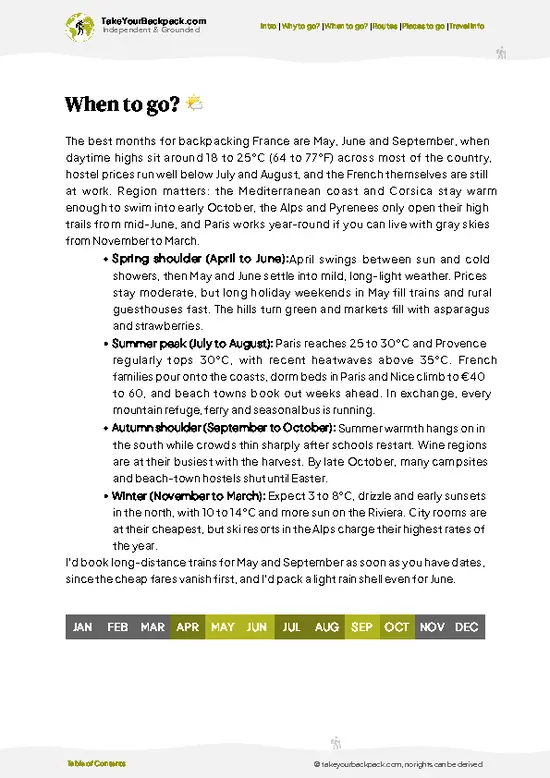
  • Weather: Spring (April to June) and early autumn (September to October) offer mild, pleasant weather—ideal for wandering Dijon’s streets without the summer heat or winter chill. Expect 12-22°C (54-72°F) during these months.
  • Temperature: Summers can spike to 28-32°C (82-90°F), which might sap your energy on long walks. Winters dip to 0-5°C (32-41°F), often damp and gray, less inviting for outdoor exploration.
  • Daylight Hours: Long days from late May to August give you up to 16 hours of light, perfect for squeezing in museums, markets, and vineyards. Winter days shrink to about 8 hours, limiting your sightseeing window.
  • Crowds: Peak tourist season hits July and August, bringing busier streets and higher prices. Shoulder seasons balance fewer tourists with decent weather, letting you enjoy
… read more 👉
  • Weather: Spring (April to June) and early autumn (September to October) offer mild, pleasant weather—ideal for wandering Dijon’s streets without the summer heat or winter chill. Expect 12-22°C (54-72°F) during these months.
  • Temperature: Summers can spike to 28-32°C (82-90°F), which might sap your energy on long walks. Winters dip to 0-5°C (32-41°F), often damp and gray, less inviting for outdoor exploration.
  • Daylight Hours: Long days from late May to August give you up to 16 hours of light, perfect for squeezing in museums, markets, and vineyards. Winter days shrink to about 8 hours, limiting your sightseeing window.
  • Crowds: Peak tourist season hits July and August, bringing busier streets and higher prices. Shoulder seasons balance fewer tourists with decent weather, letting you enjoy Dijon’s charm without elbowing through crowds.
  • Seasonal Activities: Harvest season in September and October is a highlight, with wine festivals and fresh market produce. Spring’s flower blooms and outdoor café culture also add local flavor.
  • Price Fluctuations: Accommodation and flights peak in summer; booking in shoulder seasons can save you 20-30% without sacrificing experience quality.
Pro-tip: Aim for late spring or early fall to maximize comfort, value, and authentic local vibes—Dijon rewards the traveler who times it right.


source: climatestotravel.comJANJanuary: fair for travelingFEBFebruary: fair for travelingMARMarch: good for travelingAPRApril: excellent for travelingMAYMay: excellent for travelingJUNJune: excellent for travelingJULJuly: good for travelingAUGAugust: good for travelingSEPSeptember: excellent for travelingOCTOctober: excellent for travelingNOVNovember: good for travelingDECDecember: fair for traveling
when-to-go

✈️ The backpacker research shortcutFrance Travel Guide

An offline-friendly backpacking guide with optimized travel routes, ranked highlights, transport advice, and the best areas to stay.
example page 0 from our offline Travel Guide for France
example page 1 from our offline Travel Guide for France
example page 2 from our offline Travel Guide for France
example page 3 from our offline Travel Guide for France
example page 4 from our offline Travel Guide for France
example page 5 from our offline Travel Guide for France
example page 6 from our offline Travel Guide for France
example page 7 from our offline Travel Guide for France
The digital guide (501 pages) contains:
✅ 135 highlights, ranked by travel appeal
✅ Optimized 7, 14 & 21-day travel routes
✅ Cities, national parks, landmarks, beaches
✅ How to get around
✅ Offline-friendly for travel without Wi-Fi
👉 Click to see all 30+ guide features

📅 Plan smarter in minutes, not weeks
✅ Month by month travel advice
✅ Festivals & national holidays
✅ Budget expectations

🗺️ Go to the right places, skip the overrated ones
✅ Honest pros & cons of destinations
✅ Top hikes, parks & viewpoints
✅ Lesser-known places most travelers miss
✅ Clear “worth it vs skip it” guidance

🛏️ Travel smoothly without rookie mistakes
✅ Best areas to stay
✅ Transport systems explained simply
✅ Common scams & safety advice
✅ SIM cards, money & practical tips

🌍 Understand the country, not just visit it
✅ Culture & traditions
✅ 52 Essential phrases & customs
✅ Festivals worth planning around
✅ Traveler-friendly historical context
✅ Insights that make places more meaningful

📱 Built for real travel conditions
✅ Fully downloadable PDF
✅ Works completely offline
✅ Optimized for phone use
✅ Useful in remote areas & buses
✅ Everything in one place
Stop searching, start planning
Get instant access to your full guide. 30‑day money-back guarantee.
+ Add another guide for just

By proceeding you agree to our terms.
Sent to your inbox immediately after payment • 100% Secure Checkout
Best Backpacking Travel Advisor 2025 tourism awardBest Backpacking
Travel Advisor
2025
What others say about Take Your Backpack Guides:
⭐⭐⭐⭐⭐
Fantastic, amazing amount of information!
⭐⭐⭐⭐⭐
My goodness this is amazing, it's what I've been looking for hats off too you!
⭐⭐⭐⭐⭐
I think this is absolutely BRILLIANT
⭐⭐⭐⭐
Very complete and informative. It's still missing places, but I gotta to commend you
⭐⭐⭐⭐⭐
This is truly amazing, thank you, can't wait to explore it with my kids!
⭐⭐⭐⭐⭐
Awesome resource, thank you!
⭐⭐⭐⭐⭐
This is amazing! Can't wait to explore the ones I haven't seen
⭐⭐⭐⭐
I love this! Well done, great idea.
⭐⭐⭐⭐⭐
Thanks for taking the time to make this gem!
⭐⭐⭐⭐⭐
This might be the best website I've ever seen.
⭐⭐⭐⭐⭐
Congratulations, and thank you so much for your work; it's incredibly valuable.
⭐⭐⭐⭐
In all seriousness I think you did a great job pointing out the important spots
⭐⭐⭐⭐⭐
10/10 very good
⭐⭐⭐⭐⭐
As someone who's only just starting to visit regularly this is awesome, thank you.
⭐⭐⭐⭐
Thank you very much! I'm going to visit my dad, it's going to be very useful!
⭐⭐⭐⭐⭐
This is really cool! We'll be travelling for the first time and this definitely come in handy.
⭐⭐⭐⭐⭐
You are now our minister of culture, congratulations 👨‍💼
⭐⭐⭐⭐⭐
Just wanted to tell you that this is a pearl! Going to follow your recommendations.
⭐⭐⭐⭐⭐
This is so cool. I'll definitely be using the resource for my travels soon.
⭐⭐⭐⭐⭐
This is very impressive! Good work.
⭐⭐⭐⭐⭐
This is an amazing and informative site. Very well done!

🛏️ Where to stay?Choosing the right base

Dijon’s best backpacker turf clusters around the city center, especially near the historic core and the university district. This zone nails the balance between safety, social buzz, and budget-friendly options. You’re close enough to wander cobblestone streets lined with mustard shops and lively cafés, yet it’s not so touristy that prices spike or the vibe feels staged. Hostels and budget stays tend to concentrate here, making it easy to meet fellow travelers without sacrificing comfort or security.

Compared to the quieter, more residential neighborhoods farther out, the city center’s energy … read more 👉
Dijon’s best backpacker turf clusters around the city center, especially near the historic core and the university district. This zone nails the balance between safety, social buzz, and budget-friendly options. You’re close enough to wander cobblestone streets lined with mustard shops and lively cafés, yet it’s not so touristy that prices spike or the vibe feels staged. Hostels and budget stays tend to concentrate here, making it easy to meet fellow travelers without sacrificing comfort or security.

Compared to the quieter, more residential neighborhoods farther out, the city center’s energy is a clear win for solo backpackers craving interaction and convenience. You’re within walking distance of major sights, markets, and public transport, which saves time and money. The trade-off? It’s busier and a bit noisier, but that’s the price for being in the thick of things. For a backpacker, this is where you get the most bang for your buck—and the best chance to plug into Dijon’s authentic pulse.

🚌 Getting aroundHow to get from A to B

Dijon moves with a quiet precision that feels almost deliberate, like a well-rehearsed ballet rather than a chaotic street market. The city’s pulse isn’t frantic; it’s measured, with a rhythm set by the tram’s punctual clatter and the steady flow of locals weaving through narrow streets. Here, time is a currency carefully spent, and your choices in transit reflect a balance between efficiency and savoring the city’s character. You won’t find the rush of a megacity, but you will find a system that rewards those who understand its subtle trade-offs between time, money, and comfort.
  • Walking: Dijon’s compact center is a walker’s playground. No cost, zero emissions, and the best way to soak in the medieval architecture and local life. Expect to cover most key sights within 20-30 minutes on foot,
… read more 👉
Dijon moves with a quiet precision that feels almost deliberate, like a well-rehearsed ballet rather than a chaotic street market. The city’s pulse isn’t frantic; it’s measured, with a rhythm set by the tram’s punctual clatter and the steady flow of locals weaving through narrow streets. Here, time is a currency carefully spent, and your choices in transit reflect a balance between efficiency and savoring the city’s character. You won’t find the rush of a megacity, but you will find a system that rewards those who understand its subtle trade-offs between time, money, and comfort.
  • Walking: Dijon’s compact center is a walker’s playground. No cost, zero emissions, and the best way to soak in the medieval architecture and local life. Expect to cover most key sights within 20-30 minutes on foot, but be ready for cobblestones and occasional hills.
  • Tram: The backbone of Dijon’s public transit, running from early morning (around 5:30 AM) to midnight. A single ticket costs about €1.90, offering a fast, reliable ride that slices through the city in minutes. Trams are clean and comfortable, perfect for saving time without breaking the bank.
  • Bus: Extensive routes cover areas beyond the tram lines, with similar pricing to the tram. Buses run roughly from 6 AM to 10 PM, but frequency drops in the evening. They’re slower and less comfortable than trams but essential for reaching Dijon’s outskirts or less touristy neighborhoods.
  • Bicycle Rentals: Dijon’s bike-share system offers a sweet spot between speed and immersion. For around €1.50 per half-hour, you can zip through the city faster than walking but still feel connected to the streets. Bikes require a bit of energy and caution on busier roads but offer a flexible, eco-friendly option.
  • Taxi: The priciest option, with fares starting around €5 and climbing quickly. Taxis offer door-to-door comfort and speed but at a cost that rarely justifies their use for budget travelers unless you’re hauling heavy gear or traveling late at night.

👛 Costs (as of 16 October 2026)Travel costs and budget guide for Dijon

Backpacking in Dijon, France, offers a clear trade-off between comfort, time, and money, and knowing the daily costs helps you play that trade-off like a pro.
  • Dorm Accommodation (High Season): Expect to pay around €25 to €35 per night in hostels during peak tourist months (spring to early fall). These dorms are basic but clean, often with shared bathrooms and a social vibe.
  • Dorm Accommodation (Off-Season): In the quieter months, prices drop to about €15 to €25. You might find fewer crowds and a quieter atmosphere, which can be a nice trade-off if you want to save and avoid the buzz.
  • Meals: Budget about €10 to €15 per day if you stick to bakeries, street food, and casual cafés. Dijon’s mustard and local pastries are wallet-friendly treats. Splurging on a sit-down meal will push this higher,
… read more 👉
Backpacking in Dijon, France, offers a clear trade-off between comfort, time, and money, and knowing the daily costs helps you play that trade-off like a pro.
  • Dorm Accommodation (High Season): Expect to pay around €25 to €35 per night in hostels during peak tourist months (spring to early fall). These dorms are basic but clean, often with shared bathrooms and a social vibe.
  • Dorm Accommodation (Off-Season): In the quieter months, prices drop to about €15 to €25. You might find fewer crowds and a quieter atmosphere, which can be a nice trade-off if you want to save and avoid the buzz.
  • Meals: Budget about €10 to €15 per day if you stick to bakeries, street food, and casual cafés. Dijon’s mustard and local pastries are wallet-friendly treats. Splurging on a sit-down meal will push this higher, but for backpackers, simple meals keep costs down.
  • Local Transport: Single bus or tram tickets cost roughly €1.50 to €2. If you’re hopping around the city a few times a day, this adds up but remains affordable.
  • City Transport Pass: A day pass for unlimited travel on Dijon’s public transport runs about €4.50. This is a smart buy if you plan multiple trips, saving both time and money over single tickets.
  • Basic Activities/Entry Fees: Museums and historic sites typically charge €5 to €10. Some landmarks offer free entry on certain days, so timing your visits can stretch your budget further.
  • Miscellaneous Expenses: Budget around €5 to €10 for essentials like bottled water, snacks, or a coffee. Small, frequent purchases add up, so keeping an eye on these helps maintain control over your daily spend.

Total daily costs for backpacking in Dijon generally fall between €40 and €65, depending on your season and how much you lean into comfort or convenience. This range balances basic needs with a bit of local flavor, giving you a solid framework to decide where to save and where to invest in your experience.


source: france.fr
⚠️ Prices can change and everyone travels differently, so take this as a rough guide. Hope it helps you plan your adventure!

🚌 Day tripsShort trips worth adding

Dijon is a fantastic launchpad for day trips that blend culture, history, and stunning landscapes. Here are some top picks that pack a punch without draining your wallet.

Beaune
Just a 30-minute train ride from Dijon, Beaune is the heart of Burgundy wine country. Stroll through the cobbled streets, and don’t miss the Hôtel-Dieu, a former hospital with a stunning tiled roof. Wine tasting is a must, but keep an eye out for local bistros serving hearty coq au vin. A budget of around €20-30 should cover your train fare and a meal. Spring and fall are ideal for fewer crowds and pleasant weather. First-timers often forget to book wine tastings in advance, so plan ahead!


Chalon-sur-Saône
About an hour away by train, Chalon-sur-Saône offers a charming riverside vibe and a peek into the life … read more 👉
Dijon is a fantastic launchpad for day trips that blend culture, history, and stunning landscapes. Here are some top picks that pack a punch without draining your wallet.

Beaune
Just a 30-minute train ride from Dijon, Beaune is the heart of Burgundy wine country. Stroll through the cobbled streets, and don’t miss the Hôtel-Dieu, a former hospital with a stunning tiled roof. Wine tasting is a must, but keep an eye out for local bistros serving hearty coq au vin. A budget of around €20-30 should cover your train fare and a meal. Spring and fall are ideal for fewer crowds and pleasant weather. First-timers often forget to book wine tastings in advance, so plan ahead!


Chalon-sur-Saône
About an hour away by train, Chalon-sur-Saône offers a charming riverside vibe and a peek into the life of photography pioneer Nicéphore Niépce. Explore the local markets and grab a baguette for a picnic by the river. Expect to spend around €15-25 for the round trip and lunch. Late spring is particularly lovely, with blooming flowers along the banks. A common mistake is to overlook the local art scene; check out the small galleries for unique finds.


Fontenay Abbey
A 45-minute bus ride takes you to the serene Fontenay Abbey, a UNESCO World Heritage site. The tranquil gardens and well-preserved architecture offer a peaceful escape. Admission is about €10, making it a budget-friendly option. Visit in late spring or early fall to enjoy the gardens in full bloom. Many backpackers miss the guided tours, which provide rich context about the abbey’s history, so don’t skip those!


Semur-en-Auxois
Just over an hour by train, this medieval town is a postcard come to life. Walk the ramparts and explore the narrow streets lined with half-timbered houses. A round trip will cost around €20, and the best time to visit is during the summer when the town hosts local festivals. First-timers often underestimate the time needed to wander; give yourself a few hours to soak it all in.


Nuits-Saint-Georges
Only 30 minutes away, this small town is a wine lover’s paradise. Sample local vintages and enjoy the laid-back atmosphere. A budget of €15-25 will cover your train fare and a tasting. The fall harvest season is particularly vibrant, with local events celebrating the grape. Many backpackers rush through; take your time to chat with the winemakers for insider tips.

🍲 FoodEating & Drinking in Dijon

Dijon is a culinary playground for backpackers eager to dive into local flavors. Start with the must-try dish: Boeuf Bourguignon. This slow-cooked beef stew, rich with red wine, is a warm embrace on a chilly day. Pair it with a side of escargots for a true taste of Burgundy.

For a lighter bite, hit the markets. The Les Halles market buzzes with vendors selling fresh produce, cheeses, and local specialties. Grab a tarte flambée from a stall, a crispy flatbread topped with cream, onions, and bacon. It’s casual, quick, and oh-so-satisfying.

When it comes to drinks, Dijon mustard is a local legend, but don’t overlook the wines. Burgundy’s vineyards produce some of the world’s finest. Sip a glass of Pinot Noir at a cozy café, where locals gather to chat and unwind.

Etiquette is relaxed; sharing … read more 👉
Dijon is a culinary playground for backpackers eager to dive into local flavors. Start with the must-try dish: Boeuf Bourguignon. This slow-cooked beef stew, rich with red wine, is a warm embrace on a chilly day. Pair it with a side of escargots for a true taste of Burgundy.

For a lighter bite, hit the markets. The Les Halles market buzzes with vendors selling fresh produce, cheeses, and local specialties. Grab a tarte flambée from a stall, a crispy flatbread topped with cream, onions, and bacon. It’s casual, quick, and oh-so-satisfying.

When it comes to drinks, Dijon mustard is a local legend, but don’t overlook the wines. Burgundy’s vineyards produce some of the world’s finest. Sip a glass of Pinot Noir at a cozy café, where locals gather to chat and unwind.

Etiquette is relaxed; sharing a table is common. Just remember, a simple “Merci” goes a long way. Embrace the flavors and the friendly vibe, and you’ll feel right at home.

🛡️ SafetyStaying Safe: What Travelers Should Know

Dijon is generally safe, but like any city, it has its quirks. Stay aware in crowded areas like the market or near the train station, where pickpockets might lurk. If you’re solo, explore the charming streets during the day, but consider sticking to well-lit areas at night. The nightlife is lively, but a little caution goes a long way.

Scams are rare, but be wary of overly friendly strangers asking for money or offering unsolicited help. A common annoyance is the occasional street performer who might get a bit too close for comfort. Just keep your distance and enjoy the show from afar.

Overall, carry yourself confidently, stay alert, and you’ll navigate Dijon like a pro. Enjoy the journey!

FAQTraveler FAQ

2 to 3 days are sufficient to explore Dijon's main attractions, including the historic center, museums, and local markets. This allows time to visit the Palace of the Dukes, the Owl Trail, and sample local cuisine. Additional days are needed if planning day trips to nearby Burgundy vineyards.
Yes, Dijon is generally safe for solo backpackers. The city has low crime rates, especially in tourist areas, but standard precautions like avoiding poorly lit streets at night apply. Public transport and walking around the city center are convenient and secure.
Dijon is known for its mustard, rich history as the capital of the Dukes of Burgundy, and well-preserved medieval and Renaissance architecture. It is also famous for its gastronomy and proximity to Burgundy wine regions.
⚠️ Things can change over time, so always validate details locally before you go.

Other French cities near Dijon

Explore more nearby:

  • Besançon—Citadel ramparts, watchmaking roots, river loop| 74 km away
  • Lyon—Silk passageways, hilltop basilica, rivers confluence| 175 km away
  • Annecy—Alpine lake, pastel canals, mountain backdrop| 179 km away

💡 Not sure where to go next?
Create a personalized itinerary for France including Dijon and the places that fit your trip.

Generate my itinerary

👉 Discover all cities

Or checkout all France has to offer (think cities, towns, villages, national parks, hikes, beaches, festivals)
Country photo of France

We 💚 feedbackWhat to keep in mind

Dijon’s culinary scene is a revelation. The mustard shops alone are worth the trip, bursting with flavors that elevate any dish. But let’s be real: the city can feel a bit sleepy after dark. If you’re craving nightlife, you might find it lacking. Embrace the slower pace, savor the food, and you’ll leave with a deeper appreciation for this charming city. It’s a trade-off worth making.

✈️ When did I visit France?
Being close to The Netherlands, my home base, I visited France many times.

✍️ Help improve this page!
The information on this page is based on my own backpacking experience in France, supplemented with up-to-date research and feedback from other travelers. Travel details can change, so if you notice anything outdated or incomplete, feel free to let me know.


🙋‍♂️ Give feedback

👋 Meet the founderWho’s Behind Take Your Backpack?

Johan, backpacker and founder of TakeYourBackpackHi, I’m Johan (Netherlands 🇳🇱), the creator of TakeYourBackpack. Over the past 3 decades, I’ve backpacked through 90+ countries across six continents, gaining extensive experience with independent travel, long-term trips, and overland routes.

This site is built on a combination of firsthand travel experience and carefully curated insights from other backpackers. Many guides are based on places I’ve personally visited, while others bring together tips, observations, and practical advice shared by trusted travelers I’ve met along the way.

The goal is to provide realistic, experience-driven guidance — not generic itineraries — so you can explore destinations with better context, clearer expectations, and more confidence.