×

France🇫🇷 | citiesMarseilleOld Port, North African markets, limestone calanques | things to do and best time to go

Explore LyonExplore Nice

Backpacking in Marseille
🏆 Top pickcity ranked #5
By Johan Kruseman 🇳🇱 | Updated October 16, 2026

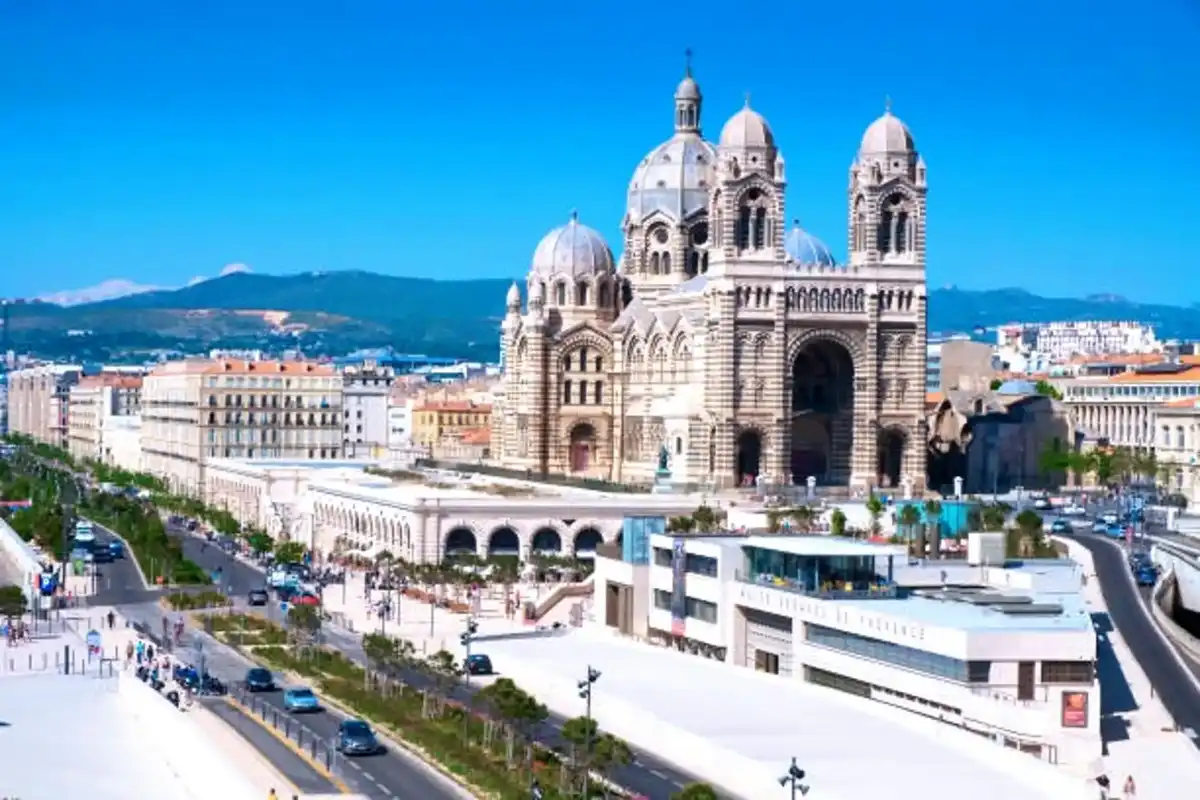
Your shoes scrape salt off the old port’s stones as a busker’s accordion tangles with the shout of fishmongers and the smell of pastis, diesel boats, and frying socca. This is Marseille, on France’s Mediterranean coast in the south, facing North Africa more than Paris in spirit. For backpackers, it’s raw, loud, and weirdly addictive. You get the chaos of Noailles’ markets, the climb to Notre-Dame de la Garde, the MuCEM’s sharp architecture, and boat hops to the Calanques that feel like you’ve glitched into a Greek island. It’s cheaper than Nice or Aix, but not “dirt cheap,” and some neighborhoods feel sketchy after dark; you stay aware, not paranoid. Trains and trams make it easy to move, hostels are social but fewer than in Spain, and the crowd skews more long-term travelers than weekend partiers, which I’ve always liked.

Discover everything you want to know in the 📖 France Travel Guide.


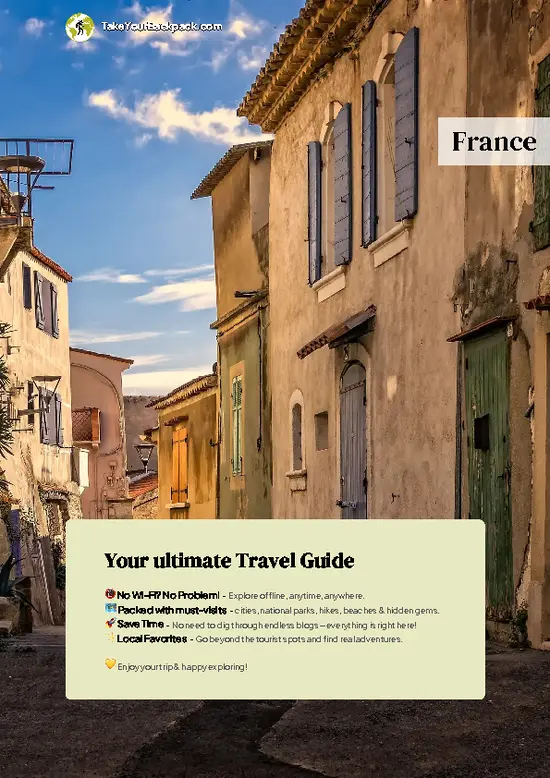
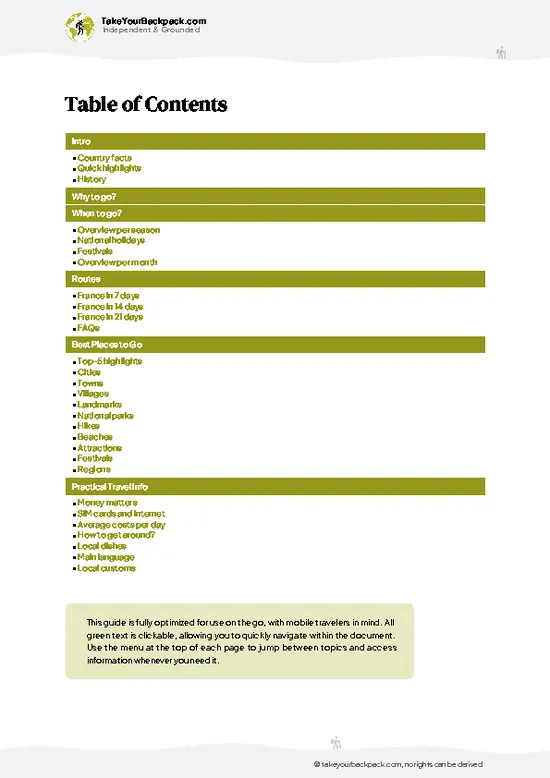
example page 0 from our offline Travel Guide for France
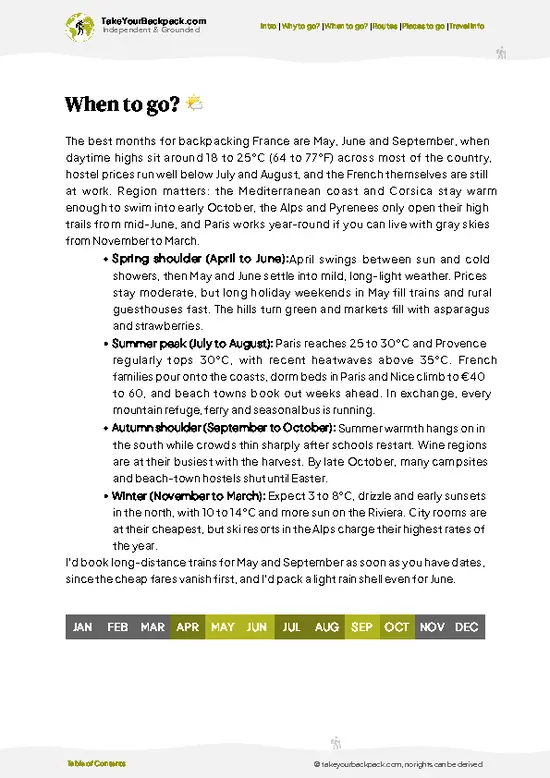
example page 1 from our offline Travel Guide for France
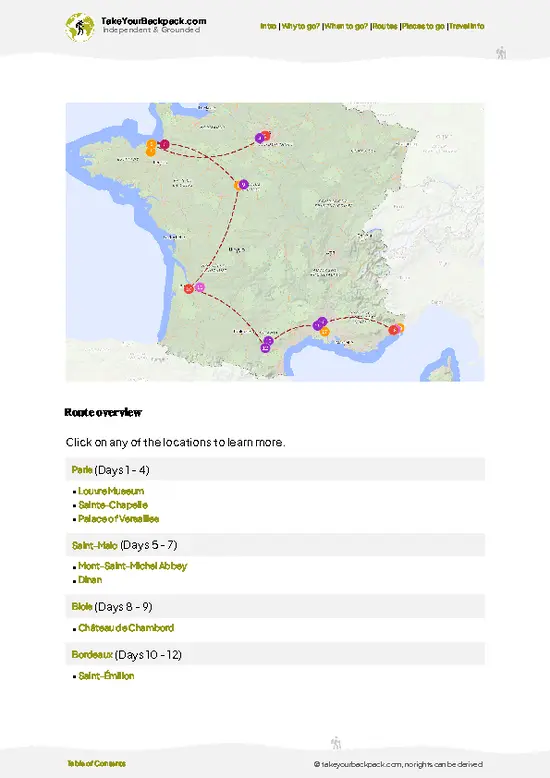
example page 2 from our offline Travel Guide for France
example page 3 from our offline Travel Guide for France
example page 4 from our offline Travel Guide for France
example page 5 from our offline Travel Guide for France
example page 6 from our offline Travel Guide for France
example page 7 from our offline Travel Guide for France
Loading the map 🌍
CLICK TO FILTER
cities
towns
villages
landmarks
national parks
hikes
beaches
attractions
festivals
regions
SHOW COUNTRY’S BESTSHOW ALL

✨ Why go?
Ranked #5 city in France
The unique appeal for travelers

Marseille is a backpacker’s playground that balances time, money, and comfort beautifully. First off, it’s a basecamp for day trips to stunning spots like the Calanques or nearby towns, making it easy to explore without the hassle of constant packing. The hostel scene here is vibrant and affordable, with options that cater to both social butterflies and those seeking a quieter retreat.

You’ll find the city walkable, allowing you to soak in the local culture without burning a hole in your wallet. The food scene is a highlight; from street-side cafés to bustling markets, you can indulge in authentic dishes without splurging.

When the sun sets, the nightlife kicks in, offering everything from laid-back bars to lively clubs, perfect for unwinding after a day of exploration. Plus, Marseille’s … read more 👉
Marseille is a backpacker’s playground that balances time, money, and comfort beautifully. First off, it’s a basecamp for day trips to stunning spots like the Calanques or nearby towns, making it easy to explore without the hassle of constant packing. The hostel scene here is vibrant and affordable, with options that cater to both social butterflies and those seeking a quieter retreat.

You’ll find the city walkable, allowing you to soak in the local culture without burning a hole in your wallet. The food scene is a highlight; from street-side cafés to bustling markets, you can indulge in authentic dishes without splurging.

When the sun sets, the nightlife kicks in, offering everything from laid-back bars to lively clubs, perfect for unwinding after a day of exploration. Plus, Marseille’s transport links are solid, making onward travel to other French cities or even neighboring countries a breeze.

In short, if you’re looking for a city that offers a rich mix of experiences without sacrificing your budget or comfort, Marseille is a smart choice.

💡 HighlightsDon't-miss highlights and experiences

  1. Vieux-Port (Old Port) — The beating heart of Marseille: fishermen selling the day’s catch, ferries leaving for the islands, and locals sipping pastis on the quays. Great for people-watching, boat trips, and starting walks into Le Panier or along the waterfront.
  2. Basilique Notre-Dame de la Garde — The city’s giant guardian on the hill. Inside is ornate votive art; outside are panoramic views of the whole city and sea that explain why Marseillais are so proud of their skyline.
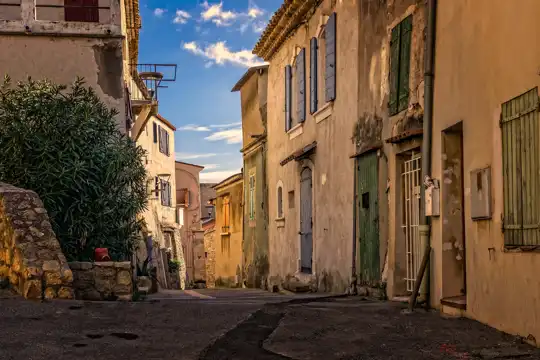
  3. Le Panier — Marseille’s oldest neighborhood: narrow alleys, faded murals, tiny workshops and cafés. It’s where the city’s layered history (Greek port, immigrant neighborhoods, artisan culture) feels most immediate.
  4. MuCEM (Museum of Civilisations of Europe and the Mediterranean) — The bold modern museum on the waterfront
… read more 👉
  1. Vieux-Port (Old Port) — The beating heart of Marseille: fishermen selling the day’s catch, ferries leaving for the islands, and locals sipping pastis on the quays. Great for people-watching, boat trips, and starting walks into Le Panier or along the waterfront.
  2. Basilique Notre-Dame de la Garde — The city’s giant guardian on the hill. Inside is ornate votive art; outside are panoramic views of the whole city and sea that explain why Marseillais are so proud of their skyline.
  3. Le Panier — Marseille’s oldest neighborhood: narrow alleys, faded murals, tiny workshops and cafés. It’s where the city’s layered history (Greek port, immigrant neighborhoods, artisan culture) feels most immediate.
  4. MuCEM (Museum of Civilisations of Europe and the Mediterranean) — The bold modern museum on the waterfront mixes sharp architecture, rotating exhibitions, and terraces with sea views. It’s a cultural hub that frames Marseille in a Mediterranean context, not just a French one.
  5. Fort Saint-Jean — Connected to the MuCEM by a striking footbridge, this restored fort offers historic ramparts, gardens, and viewpoints into the harbor. It’s an atmospheric place to feel the city’s maritime past up close.
  6. Château d’If — The famous island prison from Dumas’ The Count of Monte Cristo. A short boat ride from the Vieux-Port gets you into tight cells, windy ramparts and a real sense of maritime history—and great sea views back to the city.
  7. Calanque de Sugiton — A wild slice of the Calanques inside Marseille’s limits: steep white limestone, turquoise water and hiking routes that reward you with dramatic swimming spots. Accessible on foot from Luminy (bring water and good shoes).
  8. La Friche la Belle de Mai — A former tobacco factory turned creative playground: concerts, street art, rooftop terraces and popup markets. It’s where Marseille’s contemporary arts scene and everyday city life collide.
  9. Marché de Noailles — A chaotic, colorful food market that sums up Marseille’s multicultural soul. Spices, fresh produce, North African and Mediterranean stalls—perfect for cheap eats and local vibes.
  10. Cours Julien — The boho neighborhood for street art, independent shops, cafés and bars. It’s the city’s creative nightlife and daytime flea-market scene rolled into one—ideal for wandering without a plan.
A few easy day trips just outside Marseille worth considering: the seaside town and calanques around Cassis, the historic streets and Cézanne sites of Aix-en-Provence, and the wild wetlands and horses of the Camargue.
Spotted a mistake or missing something? Contact us.

Things to do in Marseille

Ratings based on Tripadvisor reviews. When you book through this link, you support our work at no extra cost to you.

🏘️ NeighborhoodsWhere things are and how it's laid out

Marseille is a city of contrasts, where the vibrant streets pulse with life and history. Each neighborhood offers a unique flavor, making it essential to choose wisely based on your priorities.

Le Panier: This is the historic heart of Marseille. Cobblestone streets, colorful murals, and artisan shops create a bohemian vibe. It’s walkable and close to major attractions, perfect for short stays. Prices can vary, but you’ll find budget-friendly hostels. Nightlife is low-key, with cozy bars rather than loud clubs.

Vieux Port: The bustling harbor area is a must-see. It’s touristy but offers stunning views and fresh seafood. Walkability is high, and you can easily hop on ferries to nearby islands. Accommodations range from budget to splurge. Nightlife is vibrant, with plenty of bars and restaurants, … read more 👉
Marseille is a city of contrasts, where the vibrant streets pulse with life and history. Each neighborhood offers a unique flavor, making it essential to choose wisely based on your priorities.

Le Panier: This is the historic heart of Marseille. Cobblestone streets, colorful murals, and artisan shops create a bohemian vibe. It’s walkable and close to major attractions, perfect for short stays. Prices can vary, but you’ll find budget-friendly hostels. Nightlife is low-key, with cozy bars rather than loud clubs.

Vieux Port: The bustling harbor area is a must-see. It’s touristy but offers stunning views and fresh seafood. Walkability is high, and you can easily hop on ferries to nearby islands. Accommodations range from budget to splurge. Nightlife is vibrant, with plenty of bars and restaurants, making it suitable for both short and longer visits.

Saint-Charles: This area is a transport hub, ideal for those planning to explore beyond the city. It’s less picturesque but offers affordable lodging. The vibe is more local, with fewer tourists. Walkability is decent, but you’ll likely rely on public transport. It’s better for longer stays if you want to save money.

Endoume: A quieter neighborhood with a relaxed atmosphere. It’s close to the beach, making it great for sun-seekers. Prices are moderate, and it’s walkable, but nightlife is subdued. Ideal for longer stays if you prefer a slower pace.

Choose wisely, and you’ll unlock the best of Marseille!

⌛️ 1 dayA smart one-day plan

Marseille, with its vibrant port and rich history, is a city that pulses with life. It’s a melting pot of cultures, where the scent of fresh bouillabaisse wafts through the air and the Mediterranean sun casts a warm glow on its colorful streets. Spend a day here, and you’ll find that every corner has a story to tell.

Start your morning in the Le Panier district, the oldest part of the city. Wander through its narrow, winding streets, where pastel-colored buildings lean into each other like old friends. Grab a coffee and a flaky croissant at a local boulangerie. The atmosphere is relaxed, and the locals are friendly. Don’t miss the Vieille Charité, a stunning 17th-century building that now houses museums and art galleries. It’s a perfect blend of history and culture, and it’s often overlooked … read more 👉
Marseille, with its vibrant port and rich history, is a city that pulses with life. It’s a melting pot of cultures, where the scent of fresh bouillabaisse wafts through the air and the Mediterranean sun casts a warm glow on its colorful streets. Spend a day here, and you’ll find that every corner has a story to tell.

Start your morning in the Le Panier district, the oldest part of the city. Wander through its narrow, winding streets, where pastel-colored buildings lean into each other like old friends. Grab a coffee and a flaky croissant at a local boulangerie. The atmosphere is relaxed, and the locals are friendly. Don’t miss the Vieille Charité, a stunning 17th-century building that now houses museums and art galleries. It’s a perfect blend of history and culture, and it’s often overlooked by tourists.

As the sun climbs higher, make your way to the Old Port (Vieux Port). Here, you can watch fishermen unload their catch while enjoying a leisurely lunch at one of the many waterfront restaurants. Try the local specialty, bouillabaisse, for a true taste of Marseille. Afterward, take a stroll along the harbor, soaking in the sights and sounds of the bustling city.

In the afternoon, head to the Calanques National Park. This isn’t the typical tourist route, but the stunning cliffs and turquoise waters are worth the trek. You can hike or take a boat tour to explore the hidden coves. The natural beauty here is breathtaking and offers a refreshing contrast to the urban landscape.

As evening approaches, return to the city and find a spot in the Cours Julien neighborhood, known for its street art and lively atmosphere. Grab dinner at a cozy bistro, where you can savor local wines and dishes. The energy here is infectious, and you might even catch some live music.

Marseille is a city that invites exploration. Each moment spent here is a chance to connect with its unique spirit. Embrace the rhythm of the day, and you’ll leave with memories that linger long after you’ve departed.

🌤️ When to go?Choosing the right time of year

  • Weather: Marseille enjoys a Mediterranean climate. Summers (June to August) are hot and dry, often hitting 30-35°C (86-95°F), which can be draining if you’re hiking or exploring on foot. Winters (December to February) are mild, around 8-12°C (46-54°F), but wetter. Spring and autumn offer a sweet spot—pleasant warmth without the scorch.
  • Daylight Hours: Long summer days stretch up to 15 hours, perfect for late strolls along the Vieux-Port. Winter days shrink to about 9 hours, limiting sightseeing time but offering cozy evenings in cafés.
  • Crowds: Peak tourist season is July and August, when the city swells with sun-seekers and festival-goers. Shoulder seasons (April-May, September-October) see fewer tourists, making it easier to enjoy local life without the crush.
  • Seasonal Activities: Summer
… read more 👉
  • Weather: Marseille enjoys a Mediterranean climate. Summers (June to August) are hot and dry, often hitting 30-35°C (86-95°F), which can be draining if you’re hiking or exploring on foot. Winters (December to February) are mild, around 8-12°C (46-54°F), but wetter. Spring and autumn offer a sweet spot—pleasant warmth without the scorch.
  • Daylight Hours: Long summer days stretch up to 15 hours, perfect for late strolls along the Vieux-Port. Winter days shrink to about 9 hours, limiting sightseeing time but offering cozy evenings in cafés.
  • Crowds: Peak tourist season is July and August, when the city swells with sun-seekers and festival-goers. Shoulder seasons (April-May, September-October) see fewer tourists, making it easier to enjoy local life without the crush.
  • Seasonal Activities: Summer hosts open-air concerts and beach events, while spring and autumn bring cultural festivals and markets that showcase Marseille’s diverse heritage. Winter is quieter but offers authentic local vibes and lower prices.
  • Price Fluctuations: Accommodation and flights spike in summer. Booking in shoulder seasons can save you 20-40%, letting you splurge on experiences instead of just a bed.
Pro-tip: Aim for late spring or early autumn—balancing mild weather, manageable crowds, and better prices—so you get Marseille’s soul without sweating the logistics.


source: climatestotravel.comJANJanuary: fair for travelingFEBFebruary: fair for travelingMARMarch: good for travelingAPRApril: highly recommended for travelingMAYMay: highly recommended for travelingJUNJune: good for travelingJULJuly: fair for travelingAUGAugust: fair for travelingSEPSeptember: highly recommended for travelingOCTOctober: highly recommended for travelingNOVNovember: good for travelingDECDecember: fair for traveling

✈️ The backpacker research shortcutFrance Travel Guide

An offline-friendly backpacking guide with optimized travel routes, ranked highlights, transport advice, and the best areas to stay.
example page 0 from our offline Travel Guide for France
example page 1 from our offline Travel Guide for France
example page 2 from our offline Travel Guide for France
example page 3 from our offline Travel Guide for France
example page 4 from our offline Travel Guide for France
example page 5 from our offline Travel Guide for France
example page 6 from our offline Travel Guide for France
example page 7 from our offline Travel Guide for France
The digital guide (501 pages) contains:
✅ 135 highlights, ranked by travel appeal
✅ Optimized 7, 14 & 21-day travel routes
✅ Cities, national parks, landmarks, beaches
✅ How to get around
✅ Offline-friendly for travel without Wi-Fi
👉 Click to see all 30+ guide features

📅 Plan smarter in minutes, not weeks
✅ Month by month travel advice
✅ Festivals & national holidays
✅ Budget expectations

🗺️ Go to the right places, skip the overrated ones
✅ Honest pros & cons of destinations
✅ Top hikes, parks & viewpoints
✅ Lesser-known places most travelers miss
✅ Clear “worth it vs skip it” guidance

🛏️ Travel smoothly without rookie mistakes
✅ Best areas to stay
✅ Transport systems explained simply
✅ Common scams & safety advice
✅ SIM cards, money & practical tips

🌍 Understand the country, not just visit it
✅ Culture & traditions
✅ 52 Essential phrases & customs
✅ Festivals worth planning around
✅ Traveler-friendly historical context
✅ Insights that make places more meaningful

📱 Built for real travel conditions
✅ Fully downloadable PDF
✅ Works completely offline
✅ Optimized for phone use
✅ Useful in remote areas & buses
✅ Everything in one place
Stop searching, start planning
Get instant access to your full guide. 30‑day money-back guarantee.
+ Add another guide for just

By proceeding you agree to our terms.
Sent to your inbox immediately after payment • 100% Secure Checkout
Best Backpacking Travel Advisor 2025 tourism awardBest Backpacking
Travel Advisor
2025
What others say about Take Your Backpack Guides:
⭐⭐⭐⭐⭐
Fantastic, amazing amount of information!
⭐⭐⭐⭐⭐
My goodness this is amazing, it's what I've been looking for hats off too you!
⭐⭐⭐⭐⭐
I think this is absolutely BRILLIANT
⭐⭐⭐⭐
Very complete and informative. It's still missing places, but I gotta to commend you
⭐⭐⭐⭐⭐
This is truly amazing, thank you, can't wait to explore it with my kids!
⭐⭐⭐⭐⭐
Awesome resource, thank you!
⭐⭐⭐⭐⭐
This is amazing! Can't wait to explore the ones I haven't seen
⭐⭐⭐⭐
I love this! Well done, great idea.
⭐⭐⭐⭐⭐
Thanks for taking the time to make this gem!
⭐⭐⭐⭐⭐
This might be the best website I've ever seen.
⭐⭐⭐⭐⭐
Congratulations, and thank you so much for your work; it's incredibly valuable.
⭐⭐⭐⭐
In all seriousness I think you did a great job pointing out the important spots
⭐⭐⭐⭐⭐
10/10 very good
⭐⭐⭐⭐⭐
As someone who's only just starting to visit regularly this is awesome, thank you.
⭐⭐⭐⭐
Thank you very much! I'm going to visit my dad, it's going to be very useful!
⭐⭐⭐⭐⭐
This is really cool! We'll be travelling for the first time and this definitely come in handy.
⭐⭐⭐⭐⭐
You are now our minister of culture, congratulations 👨‍💼
⭐⭐⭐⭐⭐
Just wanted to tell you that this is a pearl! Going to follow your recommendations.
⭐⭐⭐⭐⭐
This is so cool. I'll definitely be using the resource for my travels soon.
⭐⭐⭐⭐⭐
This is very impressive! Good work.
⭐⭐⭐⭐⭐
This is an amazing and informative site. Very well done!

🛏️ Where to stay?Best areas and accommodation options

Marseille’s backpacker sweet spot is the area around the Old Port (Vieux-Port). It’s the city’s beating heart—safe enough by day and lively by night, with a social vibe that pulls in solo travelers and budget backpackers like a magnet. This neighborhood offers a dense cluster of hostels, making it easy to meet other travelers without sacrificing convenience. You’re steps from ferries, markets, and a maze of narrow streets where local cafés spill onto sidewalks. The trade-off here is clear: you pay a bit more for proximity and atmosphere, but you save time and energy on transport, which is gold … read more 👉
Marseille’s backpacker sweet spot is the area around the Old Port (Vieux-Port). It’s the city’s beating heart—safe enough by day and lively by night, with a social vibe that pulls in solo travelers and budget backpackers like a magnet. This neighborhood offers a dense cluster of hostels, making it easy to meet other travelers without sacrificing convenience. You’re steps from ferries, markets, and a maze of narrow streets where local cafés spill onto sidewalks. The trade-off here is clear: you pay a bit more for proximity and atmosphere, but you save time and energy on transport, which is gold when you’re juggling a tight schedule.

If you want to stretch your euros further, the Cours Julien district is another contender. It’s a bit farther from the port but rewards you with a bohemian, artsy vibe and a strong backpacker presence. It’s quieter at night, which means better sleep, but you’ll spend more time on buses or bikes getting to the main sights. The trade-off here is comfort and cost versus time.

Avoid the northern neighborhoods like Noailles if you’re new to Marseille—they’re cheaper but can feel rough and less welcoming to solo travelers. The Old Port and Cours Julien strike the best balance: social, safe, and budget-friendly, with enough buzz to keep your trip interesting without draining your energy.

🚌 Getting aroundMoving around without the hassle

Marseille moves with a pulse that’s part Mediterranean rhythm, part French precision. It’s a city where the old port’s fishermen unload their catch by dawn, while the metro hums with commuters who know exactly when to jump on and off. The flow here isn’t chaos, but it’s not rigid either—it’s a dance between the clock and the street’s natural tempo. If you want to master Marseille’s transit, you need to understand the trade-offs between time, money, and comfort. Each choice nudges you closer to a different experience of the city, whether that’s squeezing into a packed tram or savoring a slow stroll past sunlit markets.
  • Walking: Marseille’s compact historic center is a treasure trove best explored on foot. It costs nothing, offers maximum flexibility, and lets you soak in the city’s textures—crumbling
… read more 👉
Marseille moves with a pulse that’s part Mediterranean rhythm, part French precision. It’s a city where the old port’s fishermen unload their catch by dawn, while the metro hums with commuters who know exactly when to jump on and off. The flow here isn’t chaos, but it’s not rigid either—it’s a dance between the clock and the street’s natural tempo. If you want to master Marseille’s transit, you need to understand the trade-offs between time, money, and comfort. Each choice nudges you closer to a different experience of the city, whether that’s squeezing into a packed tram or savoring a slow stroll past sunlit markets.
  • Walking: Marseille’s compact historic center is a treasure trove best explored on foot. It costs nothing, offers maximum flexibility, and lets you soak in the city’s textures—crumbling facades, salty air, and street chatter. But it’s slow, and the hills can be steep, so factor in extra time if you’re on a tight schedule.
  • Metro: The backbone of Marseille’s public transit, the metro runs from 5:00 AM to around midnight. Tickets cost about €1.70 per ride, or you can buy a day pass for around €5. It’s fast and reliable, slicing through the city’s busiest corridors in minutes. Comfort is basic—expect crowded cars during rush hour—but it’s unbeatable for saving time.
  • Bus: Buses cover areas the metro misses, including some scenic coastal routes. They run roughly from 5:30 AM to 9:30 PM, with similar ticket prices to the metro. Buses are slower and less punctual, especially in traffic, but they offer a chance to see neighborhoods you’d miss underground. Comfort varies; older buses can be cramped, but newer ones have air conditioning.
  • Tram: The tram lines connect key districts and run from about 5:30 AM to midnight. Tickets are the same price as metro and bus, making it a budget-friendly option. Trams are more spacious and comfortable than buses, with smooth rides and decent frequency. They’re a good middle ground if you want speed without the crush of the metro.
  • Shared Bikes (Le Vélo): For short hops, Marseille’s bike-share system is a clever way to blend speed and fresh air. Rentals start at around €1 for 30 minutes. It’s flexible and lets you bypass traffic jams, but you’ll need to be comfortable navigating city streets and hills. Not ideal for heavy luggage or bad weather, but a fun, active choice that puts you in control of your pace.

Understanding these options lets you play the city like a strategist. Want to save money and see every nook? Walk and bike. Need to zip across town for a meeting? Metro or tram. Craving a local vibe with a view? Bus it is. Each choice shapes your Marseille story—choose wisely, and you’re not just traveling; you’re mastering the city’s rhythm.

👛 Costs (as of 16 October 2026)Typical daily expenses

Backpacking in Marseille means balancing your budget with the city’s unique vibe—here’s the real cost breakdown so you can play it smart.
  • Dorm Accommodation (High Season): Expect to pay around €25 to €35 per night in popular hostels during peak months (summer and early fall). These spots fill fast, so prices reflect demand and proximity to the Old Port or city center.
  • Dorm Accommodation (Off-Season): Drop to about €15 to €25 per night when the crowds thin out in winter and early spring. You’ll find quieter hostels with the same basic comforts but fewer fellow travelers.
  • Meals: Budget about €10 to €15 for a day if you stick to street food, bakeries, or casual cafés. Marseille’s markets and boulangeries offer fresh, affordable options—think sandwiches, pastries, and local olives. Splurging
… read more 👉
Backpacking in Marseille means balancing your budget with the city’s unique vibe—here’s the real cost breakdown so you can play it smart.
  • Dorm Accommodation (High Season): Expect to pay around €25 to €35 per night in popular hostels during peak months (summer and early fall). These spots fill fast, so prices reflect demand and proximity to the Old Port or city center.
  • Dorm Accommodation (Off-Season): Drop to about €15 to €25 per night when the crowds thin out in winter and early spring. You’ll find quieter hostels with the same basic comforts but fewer fellow travelers.
  • Meals: Budget about €10 to €15 for a day if you stick to street food, bakeries, or casual cafés. Marseille’s markets and boulangeries offer fresh, affordable options—think sandwiches, pastries, and local olives. Splurging on a sit-down meal will push this higher, but you can keep costs low with smart choices.
  • Local Transport: Single bus or tram rides cost around €1.70 each. If you’re hopping on and off, these add up quickly, so consider the city transport pass.
  • City Transport Pass: A 24-hour pass runs about €5.20, covering unlimited rides on buses, trams, and metro lines. This is a no-brainer if you plan to explore beyond walking distance.
  • Basic Activities/Entry Fees: Museums and attractions typically charge €5 to €10. Some spots, like the MuCEM or Château d’If, might be closer to €10. Budget a bit more if you want guided tours or boat trips.
  • Miscellaneous Expenses: Factor in around €5 to €10 for essentials like water, snacks, or a coffee break. Marseille’s café culture is strong, and grabbing a café crème can be a small daily ritual without breaking the bank.

Add it all up, and you’re looking at roughly €40 to €65 per day for a solid backpacking experience in Marseille. This range gives you the freedom to choose where to save and where to indulge, turning the city’s rhythm into your own game of smart spending.


source: marseille-tourisme.com
⚠️ Prices can change and everyone travels differently, so take this as a rough guide. Hope it helps you plan your adventure!

🚌 Day tripsWhere to go beyond the main area

Marseille is a fantastic launchpad for day trips that blend culture, nature, and adventure. Here’s how to make the most of your time without breaking the bank.

Calanques National Park
Just a 30-minute train ride from Marseille, Calanques National Park offers breathtaking cliffs and turquoise waters that scream for exploration. Hike the trails or take a boat tour to soak in the stunning scenery. Bring a picnic; the views are best enjoyed with a sandwich in hand. The park is free, but boat tours can range from €15 to €50. Spring and early fall are ideal for fewer crowds and pleasant weather. A common mistake? Underestimating the hiking routes—pack plenty of water and wear sturdy shoes.
👉 Explore Calanques National Park

Aix-en-Provence
About 30 minutes by bus, Aix-en-Provence is a charming … read more 👉
Marseille is a fantastic launchpad for day trips that blend culture, nature, and adventure. Here’s how to make the most of your time without breaking the bank.

Calanques National Park
Just a 30-minute train ride from Marseille, Calanques National Park offers breathtaking cliffs and turquoise waters that scream for exploration. Hike the trails or take a boat tour to soak in the stunning scenery. Bring a picnic; the views are best enjoyed with a sandwich in hand. The park is free, but boat tours can range from €15 to €50. Spring and early fall are ideal for fewer crowds and pleasant weather. A common mistake? Underestimating the hiking routes—pack plenty of water and wear sturdy shoes.
👉 Explore Calanques National Park

Aix-en-Provence
About 30 minutes by bus, Aix-en-Provence is a charming town known for its art and history. Stroll through the Cours Mirabeau, lined with cafes and fountains, and don’t miss the local markets. You can easily spend a day wandering the narrow streets and soaking up the vibrant atmosphere. Budget around €10 for the bus and a bit more for lunch. Late spring is perfect for enjoying outdoor cafes without the summer heat. First-timers often overlook the small art galleries tucked away in alleys—make sure to explore!
👉 Explore Aix-en-Provence

Les Baux-de-Provence
A little over an hour by bus, this medieval village perched on a rocky outcrop is a must-see. The ruins of the castle offer panoramic views of the surrounding countryside. The entry fee is about €12, and you can easily spend a few hours here. Late spring or early fall is best to avoid the summer tourist rush. A common pitfall? Many visitors rush through without taking the time to enjoy the local olive oil tastings.


Cassis
Just 30 minutes away by train, Cassis is a picturesque coastal town famous for its cliffs and wine. Spend your day lounging on the beach or exploring the charming harbor. Wine tastings can be found for around €10, and the train ticket is about €5. Late summer is ideal for swimming, but be prepared for crowds. Many first-timers miss the chance to hike to the Cap Canaille for stunning views—don’t skip it!
👉 Explore Cassis

Avignon
A bit further at about an hour and a half by train, Avignon is rich in history with its iconic Palais des Papes. The train ticket costs around €20, and you can explore the city on foot. Spring is the best time to visit, as the weather is mild and the city isn’t overrun. A common mistake is trying to see everything in one day—focus on a few key sights to really soak in the atmosphere.
👉 Explore Avignon

🍲 FoodLocal Cuisine & Drinks

In Marseille, food is a celebration of the sea and the land, a vibrant mix that tells the city’s story. You can’t visit without trying bouillabaisse, a rich fish stew that’s as complex as the city itself. The aroma of saffron and fresh seafood wafts through the air, inviting you to dive in. Pair it with a glass of pastis, the local anise-flavored spirit, and you’ll feel like a true Marseillais.

For backpackers, the markets are a goldmine. Head to the Marché des Capucins for a sensory overload: spices, fresh produce, and street food that’s both affordable and delicious. Grab a panisse, a chickpea fritter, from a vendor and enjoy it on the go. The casual vibe here is infectious; locals chat and laugh, making it easy to strike up a conversation.

Dining customs lean towards the communal. Sharing … read more 👉
In Marseille, food is a celebration of the sea and the land, a vibrant mix that tells the city’s story. You can’t visit without trying bouillabaisse, a rich fish stew that’s as complex as the city itself. The aroma of saffron and fresh seafood wafts through the air, inviting you to dive in. Pair it with a glass of pastis, the local anise-flavored spirit, and you’ll feel like a true Marseillais.

For backpackers, the markets are a goldmine. Head to the Marché des Capucins for a sensory overload: spices, fresh produce, and street food that’s both affordable and delicious. Grab a panisse, a chickpea fritter, from a vendor and enjoy it on the go. The casual vibe here is infectious; locals chat and laugh, making it easy to strike up a conversation.

Dining customs lean towards the communal. Sharing dishes is common, so don’t hesitate to order a few things for the table. And when you’re at a café, take your time. Sipping coffee while people-watching is part of the experience. Just remember, in Marseille, meals are not just about eating; they’re about connecting.

🛡️ SafetyTraveler Safety Guide

Marseille is generally safe, but like any vibrant city, it has its quirks. Stay alert in crowded areas like the Old Port and the markets of Noailles, where pickpockets might be lurking. If you’re solo and out at night, stick to well-lit streets and avoid the more isolated parts of the city, especially around the docks.

Scams can pop up, particularly around tourist hotspots. Be wary of people asking for money or trying to distract you while an accomplice works their magic. A common annoyance is the persistent street performers or vendors who can be a bit pushy; a polite “non, merci” usually does the trick.

Carry your belongings close and keep your phone secure. Trust your instincts—if something feels off, it probably is. By staying aware and confident, you’ll navigate Marseille like a pro, … read more 👉
Marseille is generally safe, but like any vibrant city, it has its quirks. Stay alert in crowded areas like the Old Port and the markets of Noailles, where pickpockets might be lurking. If you’re solo and out at night, stick to well-lit streets and avoid the more isolated parts of the city, especially around the docks.

Scams can pop up, particularly around tourist hotspots. Be wary of people asking for money or trying to distract you while an accomplice works their magic. A common annoyance is the persistent street performers or vendors who can be a bit pushy; a polite “non, merci” usually does the trick.

Carry your belongings close and keep your phone secure. Trust your instincts—if something feels off, it probably is. By staying aware and confident, you’ll navigate Marseille like a pro, soaking in the culture without unnecessary hassle.

FAQCommon questions from travelers

3 to 4 days are sufficient to explore Marseille's main attractions. This allows time to visit the Old Port, Basilique Notre-Dame de la Garde, and nearby Calanques National Park. Extra days are useful if you want to explore museums and local neighborhoods in depth.
Yes, Marseille is generally safe for solo backpackers, especially in tourist areas like the Old Port and Le Panier district. However, caution is advised at night and in less busy neighborhoods due to occasional petty crime. Staying aware and using common travel safety practices will help ensure a smooth visit.
Marseille is known for its historic Old Port, vibrant multicultural atmosphere, and as the gateway to the Calanques, a series of stunning limestone cliffs and turquoise coves. It is also famous for its seafood cuisine, particularly bouillabaisse, a traditional fish stew.
⚠️ Things can change over time, so always validate details locally before you go.

Other French cities near Marseille

Explore more nearby:

  • Aix-en-Provence—Plane tree boulevards, fountains, Cézanne’s studio| 27 km away
  • Nîmes—Roman arena, olive groves, limestone fountains| 101 km away
  • Montpellier—Medieval lanes, student nightlife, Mediterranean light| 126 km away

💡 Not sure where to go next?
Create a personalized itinerary for France including Marseille and the places that fit your trip.

Generate my itinerary

👉 Discover all cities

Or checkout all France has to offer (think cities, towns, villages, national parks, hikes, beaches, festivals)
Country photo of France

We 💚 feedbackIs it worth it?

Marseille is a vibrant melting pot of cultures, where the scent of fresh bouillabaisse wafts through the air and street art tells stories of resilience. You’ll find a unique energy here that’s hard to replicate. But be prepared: the city has its rough edges. Some areas can feel gritty, and navigating public transport might test your patience. Embrace the chaos; it’s part of the experience. This city rewards those who dive in headfirst.

✈️ When did I visit France?
Being close to The Netherlands, my home base, I visited France many times.

✍️ Help improve this page!
The information on this page is based on my own backpacking experience in France, supplemented with up-to-date research and feedback from other travelers. Travel details can change, so if you notice anything outdated or incomplete, feel free to let me know.


🙋‍♂️ Give feedback

👋 Meet the founderWho’s Behind Take Your Backpack?

Johan, backpacker and founder of TakeYourBackpackHi, I’m Johan (Netherlands 🇳🇱), the creator of TakeYourBackpack. Over the past 3 decades, I’ve backpacked through 90+ countries across six continents, gaining extensive experience with independent travel, long-term trips, and overland routes.

This site is built on a combination of firsthand travel experience and carefully curated insights from other backpackers. Many guides are based on places I’ve personally visited, while others bring together tips, observations, and practical advice shared by trusted travelers I’ve met along the way.

The goal is to provide realistic, experience-driven guidance — not generic itineraries — so you can explore destinations with better context, clearer expectations, and more confidence.