v2.webp)


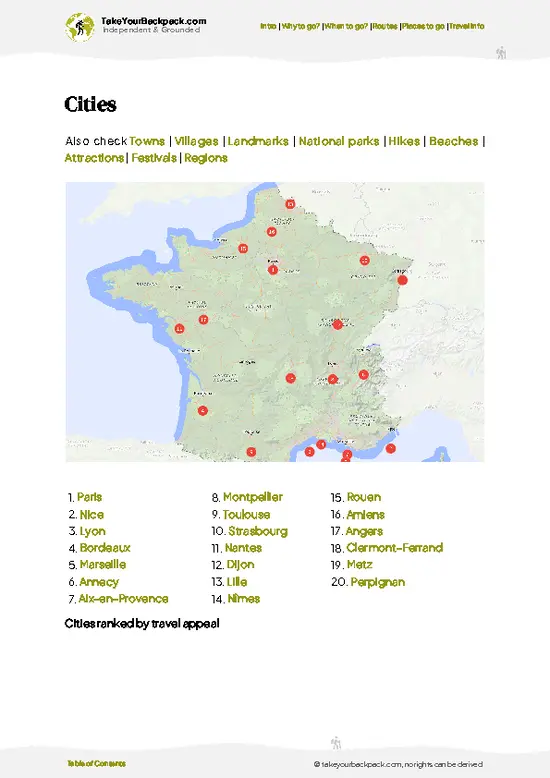

The Ruined Village Streets
Forget the Instagrammed ruins of Rome or Athens—Oradour’s streets are a raw, unfiltered time capsule. You walk through a real village, left exactly as it was after the massacre of June 10, 1944. Rusted bicycles chained to fences, sewing machines on kitchen tables, scorched cars in garages. No velvet ropes, no tidy plaques. Just the eerie silence of a place where daily life was frozen by violence. It’s not pretty, and it’s not supposed to be. The power is in the details: the tram tracks that lead nowhere, the shop signs still legible, the sense that you’re trespassing on memory itself.
The Burned-Out Church
This is the epicenter of the tragedy. The church is where the women and children were herded and killed. The shell remains, battered but standing, with blackened … read more 👉
Forget the Instagrammed ruins of Rome or Athens—Oradour’s streets are a raw, unfiltered time capsule. You walk through a real village, left exactly as it was after the massacre of June 10, 1944. Rusted bicycles chained to fences, sewing machines on kitchen tables, scorched cars in garages. No velvet ropes, no tidy plaques. Just the eerie silence of a place where daily life was frozen by violence. It’s not pretty, and it’s not supposed to be. The power is in the details: the tram tracks that lead nowhere, the shop signs still legible, the sense that you’re trespassing on memory itself.
The Burned-Out Church
This is the epicenter of the tragedy. The church is where the women and children were herded and killed. The shell remains, battered but standing, with blackened … read more 👉
The Ruined Village Streets
Forget the Instagrammed ruins of Rome or Athens—Oradour’s streets are a raw, unfiltered time capsule. You walk through a real village, left exactly as it was after the massacre of June 10, 1944. Rusted bicycles chained to fences, sewing machines on kitchen tables, scorched cars in garages. No velvet ropes, no tidy plaques. Just the eerie silence of a place where daily life was frozen by violence. It’s not pretty, and it’s not supposed to be. The power is in the details: the tram tracks that lead nowhere, the shop signs still legible, the sense that you’re trespassing on memory itself.
The Burned-Out Church
This is the epicenter of the tragedy. The church is where the women and children were herded and killed. The shell remains, battered but standing, with blackened walls and melted bells. It’s not a place for selfies. It’s a place for reckoning. The horror is palpable, but so is the resilience—flowers are often left by visitors, and the silence inside is thunderous. If you want to understand the cost of war on a human scale, stand here for five minutes. That’s all it takes.
The Preserved Car (Dr. Desourteaux’s Car)
Parked in front of the village café, this rusted Citroën is the single most haunting artifact in Oradour. It belonged to the village doctor, who was stopped and killed as he returned home. The car is still there, tires long gone, bodywork pitted with age. It’s a symbol of interrupted routine, of a life cut short mid-errand. No museum glass separates you from it. You can almost hear the engine cooling, seventy years later.
The Centre de la Mémoire
This modern memorial center is the only new structure on site, and it’s not here to sugarcoat anything. The exhibitions are blunt, with survivor testimonies, photographs, and artifacts that lay out the facts without flinching. It’s the context you need to understand what you’re seeing outside. The center doesn’t just tell you what happened; it asks you to think about why, and what it means for today. My personal favorite—because it gives you the tools to process the emotional overload of the ruins and turns shock into understanding.
The Cemetery and Memorial Wall
Just beyond the ruined village, the cemetery holds the graves of the victims and a stark memorial wall inscribed with their names. It’s not grandiose, but it’s deeply personal. Family names repeat, ages range from infants to the elderly. The wall is a roll call of loss, and the cemetery is a place for quiet reflection, not spectacle. If you want to pay your respects, this is where you do it—no fanfare, just honesty.
Forget the Instagrammed ruins of Rome or Athens—Oradour’s streets are a raw, unfiltered time capsule. You walk through a real village, left exactly as it was after the massacre of June 10, 1944. Rusted bicycles chained to fences, sewing machines on kitchen tables, scorched cars in garages. No velvet ropes, no tidy plaques. Just the eerie silence of a place where daily life was frozen by violence. It’s not pretty, and it’s not supposed to be. The power is in the details: the tram tracks that lead nowhere, the shop signs still legible, the sense that you’re trespassing on memory itself.
The Burned-Out Church
This is the epicenter of the tragedy. The church is where the women and children were herded and killed. The shell remains, battered but standing, with blackened walls and melted bells. It’s not a place for selfies. It’s a place for reckoning. The horror is palpable, but so is the resilience—flowers are often left by visitors, and the silence inside is thunderous. If you want to understand the cost of war on a human scale, stand here for five minutes. That’s all it takes.
The Preserved Car (Dr. Desourteaux’s Car)
Parked in front of the village café, this rusted Citroën is the single most haunting artifact in Oradour. It belonged to the village doctor, who was stopped and killed as he returned home. The car is still there, tires long gone, bodywork pitted with age. It’s a symbol of interrupted routine, of a life cut short mid-errand. No museum glass separates you from it. You can almost hear the engine cooling, seventy years later.
The Centre de la Mémoire
This modern memorial center is the only new structure on site, and it’s not here to sugarcoat anything. The exhibitions are blunt, with survivor testimonies, photographs, and artifacts that lay out the facts without flinching. It’s the context you need to understand what you’re seeing outside. The center doesn’t just tell you what happened; it asks you to think about why, and what it means for today. My personal favorite—because it gives you the tools to process the emotional overload of the ruins and turns shock into understanding.
The Cemetery and Memorial Wall
Just beyond the ruined village, the cemetery holds the graves of the victims and a stark memorial wall inscribed with their names. It’s not grandiose, but it’s deeply personal. Family names repeat, ages range from infants to the elderly. The wall is a roll call of loss, and the cemetery is a place for quiet reflection, not spectacle. If you want to pay your respects, this is where you do it—no fanfare, just honesty.
Spotted a mistake or missing something? Contact us.


 Best Backpacking
.jpg) Hi, I’m Johan (Netherlands 🇳🇱), the creator of TakeYourBackpack. Over the past 3 decades, I’ve backpacked through 90+ countries across six continents, gaining extensive experience with independent travel, long-term trips, and overland routes.
Hi, I’m Johan (Netherlands 🇳🇱), the creator of TakeYourBackpack. Over the past 3 decades, I’ve backpacked through 90+ countries across six continents, gaining extensive experience with independent travel, long-term trips, and overland routes.