
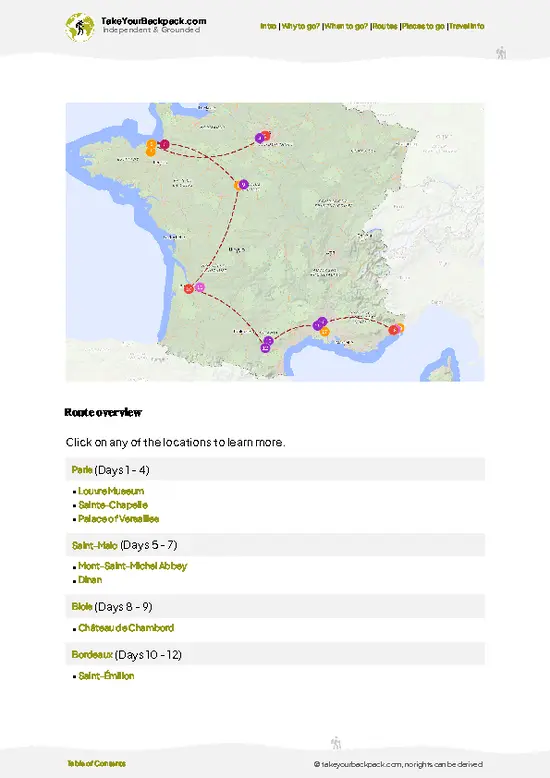
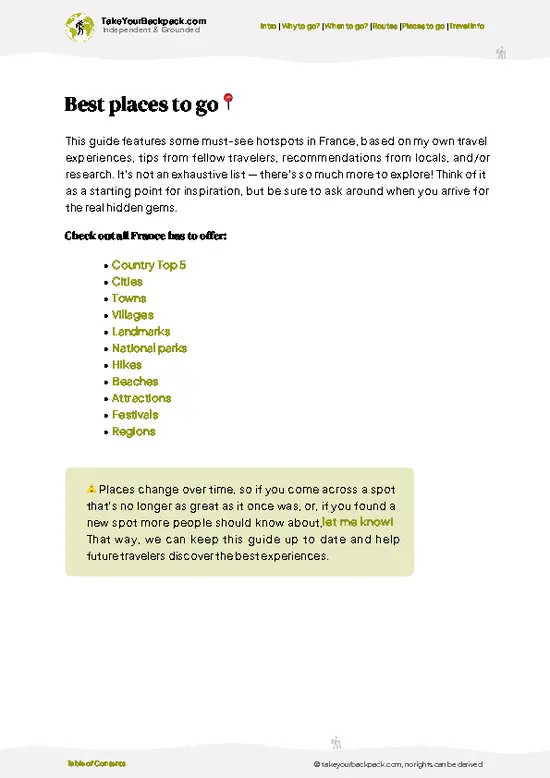
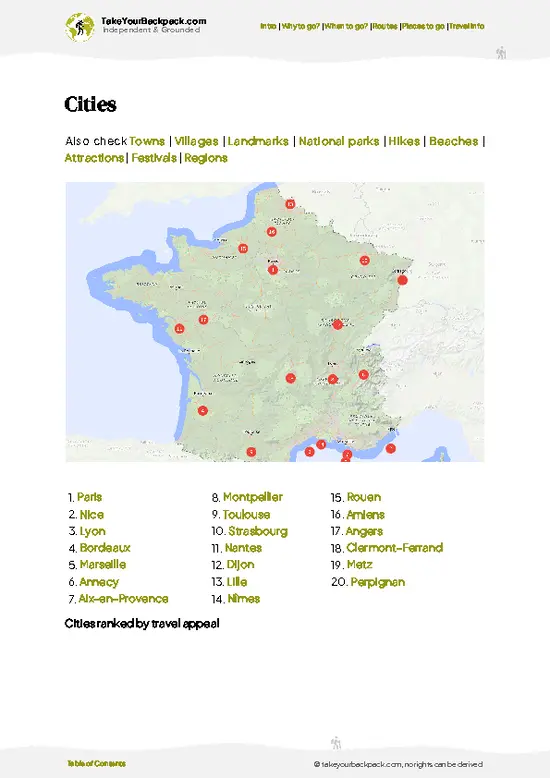
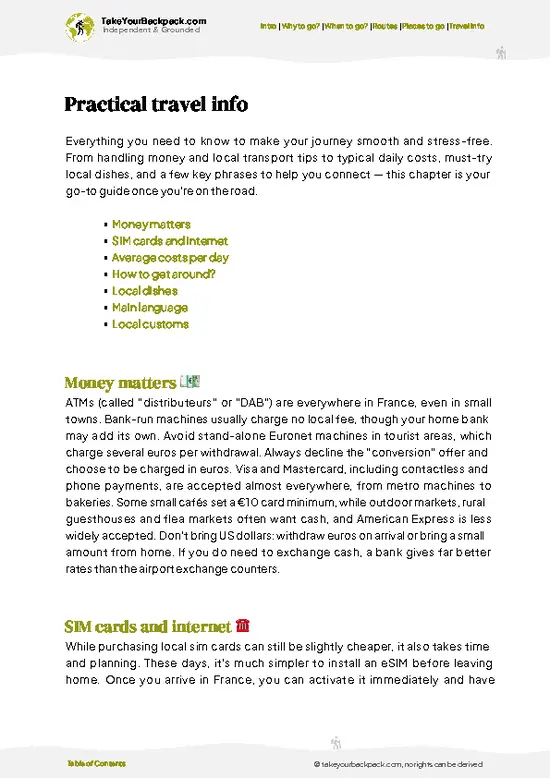
- Église Monolithe (the Monolithic Church) — A church literally hewn out of a single block of limestone: an eerie, awe-inspiring underground nave and rock-carved chapels you won’t see anywhere else in France.
- Underground galleries and troglodyte cellars — Miles of quarries and cellar caves carved into the limestone that store wine, hold ancient graves and make for atmospheric walks and tastings in cool, dim tunnels.
- Historic vineyard landscape — The reason the place is a UNESCO site: a patchwork of medieval plots, hedgerows and château vineyards that still shape how wine is grown and sold here after centuries.
- Château visits and tastings — Small family estates and larger properties both offer cellar tours and tastings; trying local Saint-Émilion wines in situ is the whole point of coming.
- Tour du Roy (Royal Tower) and viewpoints — Climb for a compact, rewarding panorama over rooftops and endless vines — perfect for photos and getting your bearings.
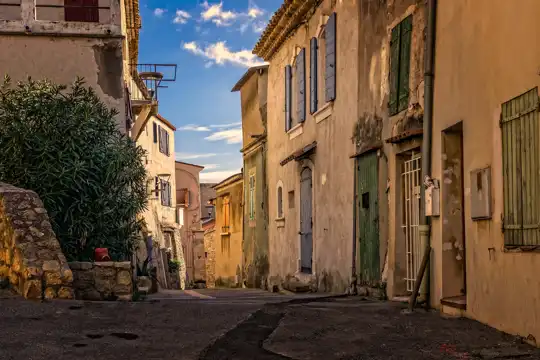
- Medieval streets and limestone architecture — Narrow, hilly lanes lined with honey-coloured stone houses, quirky shops and cafés; it feels unchanged for centuries and is lovely to just wander.
- Cloister, chapels and ecclesiastical ruins — Quiet Romanesque cloisters and ruined churches that reveal the town’s long monastic and pilgrimage history, adding depth to the wine-focused scene.
- Living wine culture and traditions (the Jurade) — Beyond buildings, there’s a living heritage: wine brotherhood ceremonies, seasonal fairs and local markets that keep the region’s social life tied to the vine.
Spotted a mistake or missing something? Contact us.

Saint-Émilion Wine Tour By Premium Electric Bike, Lunch Included

From Saint-Emilion : Electric Bike Day Tour with Wine Tastings and Picnic Lunch

Saint-Émilion & Pomerol Wine Tour: Tastings, Lunch & WSET Guide

Visit and Tasting Château Saint-Georges Cote Pavie, Grand Cru Classé

Saint-Emilion Grand Cru Classified: Visit & Tasting in French

From Saint-Emilion : Half Day Electric bike Wine Tour

Saint Emilion Half Day Ebike and Wine Tour with Picnic.

Saint-Emilion and Pomerol : Private Tour Grand Cru Classé

Saint-Émilion & Médoc : Full day with tastings and WSET guide


 Best Backpacking
 Hi, I’m Johan (Netherlands 🇳🇱), the creator of TakeYourBackpack. Over the past 3 decades, I’ve backpacked through 90+ countries across six continents, gaining extensive experience with independent travel, long-term trips, and overland routes.