v2.webp)
Cathédrale Saint-Front
The heart of Périgueux beats under the Byzantine domes of this UNESCO-listed cathedral. Step inside at midday, when sunlight slants through stained glass and the cool stone air smells faintly of incense and old wood. The echo of footsteps on ancient flagstones is a reminder: this is a living monument, not a museum. Entry is free. Allow 30-45 minutes, longer if you climb the tower (small fee, best in the morning for clear views).
Vesunna Gallo-Roman Museum
A glass-and-steel shell by Jean Nouvel shelters the ruins of a Roman domus. You walk raised walkways above mosaic floors and underfloor heating systems, tracing the bones of a vanished city. The air is tinged with earth and history. Go early afternoon for quieter exploration. Entry: moderate fee. Plan 1-1.5 hours.
Medieval-Renaissance … read more 👉
The heart of Périgueux beats under the Byzantine domes of this UNESCO-listed cathedral. Step inside at midday, when sunlight slants through stained glass and the cool stone air smells faintly of incense and old wood. The echo of footsteps on ancient flagstones is a reminder: this is a living monument, not a museum. Entry is free. Allow 30-45 minutes, longer if you climb the tower (small fee, best in the morning for clear views).
Vesunna Gallo-Roman Museum
A glass-and-steel shell by Jean Nouvel shelters the ruins of a Roman domus. You walk raised walkways above mosaic floors and underfloor heating systems, tracing the bones of a vanished city. The air is tinged with earth and history. Go early afternoon for quieter exploration. Entry: moderate fee. Plan 1-1.5 hours.
Medieval-Renaissance … read more 👉
Cathédrale Saint-Front
The heart of Périgueux beats under the Byzantine domes of this UNESCO-listed cathedral. Step inside at midday, when sunlight slants through stained glass and the cool stone air smells faintly of incense and old wood. The echo of footsteps on ancient flagstones is a reminder: this is a living monument, not a museum. Entry is free. Allow 30-45 minutes, longer if you climb the tower (small fee, best in the morning for clear views).
Vesunna Gallo-Roman Museum
A glass-and-steel shell by Jean Nouvel shelters the ruins of a Roman domus. You walk raised walkways above mosaic floors and underfloor heating systems, tracing the bones of a vanished city. The air is tinged with earth and history. Go early afternoon for quieter exploration. Entry: moderate fee. Plan 1-1.5 hours.
Medieval-Renaissance Old Town (Quartier Saint-Front)
Lose yourself in a warren of limestone lanes, half-timbered houses, and the scent of fresh bread from boulangeries. The real magic is in the details: a carved lintel, a hidden courtyard, the hum of café chatter. Free to wander. Early evening is golden hour for photos and people-watching. Give yourself at least an hour.
Marché de Périgueux
On market days (Wednesdays and Saturdays), the Place du Coderc is a riot of color and aroma—truffles, walnuts, goat cheese, and strawberries in season. This is where the region’s soul is edible. Arrive before 10 a.m. for the best produce and fewer crowds. Free to browse; bring cash for irresistible snacks. 45 minutes minimum.
Musée d’Art et d’Archéologie du Périgord
France’s oldest departmental museum is a quiet trove of prehistoric finds, medieval sculpture, and quirky local art. The building itself is a patchwork of centuries. Visit midweek for solitude. Entry: modest fee. 1 hour is enough for highlights, longer if you linger.
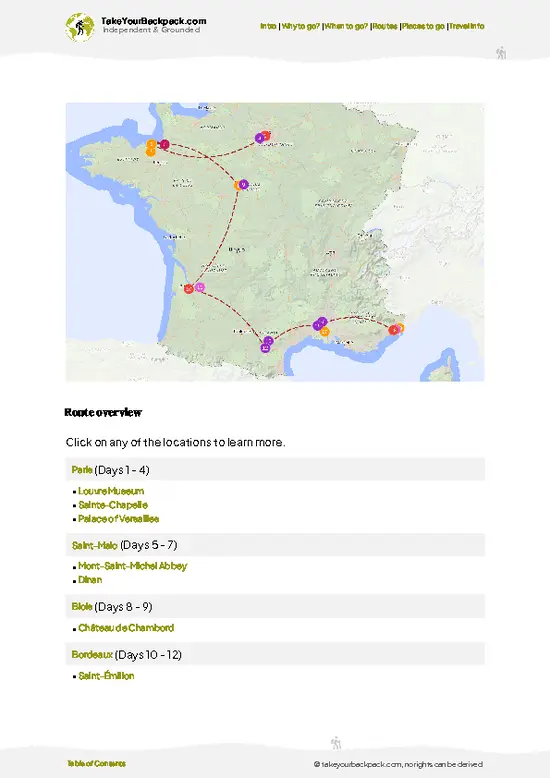
For day trips, the Lascaux caves, Château de Hautefort, and Brantôme’s riverside abbey are all within easy reach—Lascaux, with its prehistoric art, is my personal favorite for a mind-bending leap back in time.
The heart of Périgueux beats under the Byzantine domes of this UNESCO-listed cathedral. Step inside at midday, when sunlight slants through stained glass and the cool stone air smells faintly of incense and old wood. The echo of footsteps on ancient flagstones is a reminder: this is a living monument, not a museum. Entry is free. Allow 30-45 minutes, longer if you climb the tower (small fee, best in the morning for clear views).
Vesunna Gallo-Roman Museum
A glass-and-steel shell by Jean Nouvel shelters the ruins of a Roman domus. You walk raised walkways above mosaic floors and underfloor heating systems, tracing the bones of a vanished city. The air is tinged with earth and history. Go early afternoon for quieter exploration. Entry: moderate fee. Plan 1-1.5 hours.
Medieval-Renaissance Old Town (Quartier Saint-Front)
Lose yourself in a warren of limestone lanes, half-timbered houses, and the scent of fresh bread from boulangeries. The real magic is in the details: a carved lintel, a hidden courtyard, the hum of café chatter. Free to wander. Early evening is golden hour for photos and people-watching. Give yourself at least an hour.
Marché de Périgueux
On market days (Wednesdays and Saturdays), the Place du Coderc is a riot of color and aroma—truffles, walnuts, goat cheese, and strawberries in season. This is where the region’s soul is edible. Arrive before 10 a.m. for the best produce and fewer crowds. Free to browse; bring cash for irresistible snacks. 45 minutes minimum.
Musée d’Art et d’Archéologie du Périgord
France’s oldest departmental museum is a quiet trove of prehistoric finds, medieval sculpture, and quirky local art. The building itself is a patchwork of centuries. Visit midweek for solitude. Entry: modest fee. 1 hour is enough for highlights, longer if you linger.
For day trips, the Lascaux caves, Château de Hautefort, and Brantôme’s riverside abbey are all within easy reach—Lascaux, with its prehistoric art, is my personal favorite for a mind-bending leap back in time.
Spotted a mistake or missing something? Contact us.
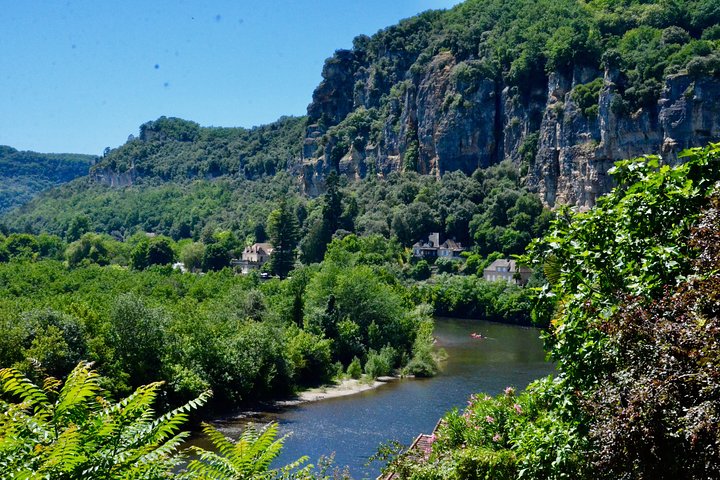
Sarlat la Canéda: The Dordogne valley by canoe

Dordogne Day Tour : Prehistory and The Art of the Caves from Sarlat

Dordogne Villages Half Day Tour from Sarlat

Sarlat Gourmet Tour and Market Visit

The greedy Rando quad of Nico

Canoe Butterfly

Half Day Tour of Rocamadour from Sarlat

Lascaux IV Visit - Half Day Tour from Sarlat

The greedy Rando Trotter of Theo


 Best Backpacking
.jpg) Hi, I’m Johan (Netherlands 🇳🇱), the creator of TakeYourBackpack. Over the past 3 decades, I’ve backpacked through 90+ countries across six continents, gaining extensive experience with independent travel, long-term trips, and overland routes.
Hi, I’m Johan (Netherlands 🇳🇱), the creator of TakeYourBackpack. Over the past 3 decades, I’ve backpacked through 90+ countries across six continents, gaining extensive experience with independent travel, long-term trips, and overland routes.