
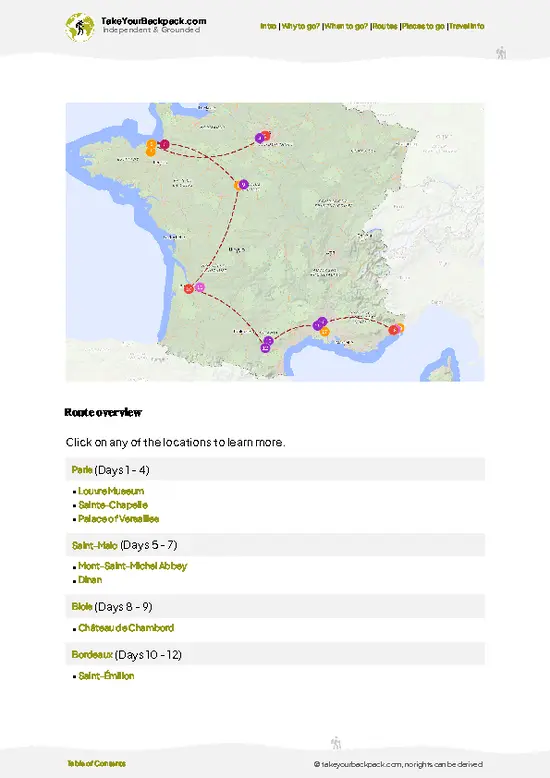
- Pont Valentré — The unmistakable 14th-century fortified bridge: three towers, defensive arches and one of the best photo backdrops in town. Walk across it to feel the medieval vibe and watch the Lot river curl beneath.
- Cathédrale Saint-Étienne — A heavy, atmospheric Romanesque/Gothic cathedral with surprising stained glass and sculpted portals. Inside and around it you get the real ecclesiastical history of Cahors, not just postcard shots.
- Le Cloître de la Cathédrale — Quiet, compact and often overlooked, the cloister is a peaceful spot to study old stonework, carved capitals and medieval rhythms without the crowds.
- Palais de la Berbie & Musée Henri-Martin — The fortified bishop’s palace that now houses the town’s fine-arts museum. Climb its ramparts, then see regional paintings and temporary
- Pont Valentré — The unmistakable 14th-century fortified bridge: three towers, defensive arches and one of the best photo backdrops in town. Walk across it to feel the medieval vibe and watch the Lot river curl beneath.
- Cathédrale Saint-Étienne — A heavy, atmospheric Romanesque/Gothic cathedral with surprising stained glass and sculpted portals. Inside and around it you get the real ecclesiastical history of Cahors, not just postcard shots.
- Le Cloître de la Cathédrale — Quiet, compact and often overlooked, the cloister is a peaceful spot to study old stonework, carved capitals and medieval rhythms without the crowds.
- Palais de la Berbie & Musée Henri-Martin — The fortified bishop’s palace that now houses the town’s fine-arts museum. Climb its ramparts, then see regional paintings and temporary shows inside — it ties history and culture together neatly.
- Jardins de la Berbie — Terraced riverside gardens beside the palace. Perfect for a picnic or sunset with a direct sightline to Pont Valentré and the Lot; one of those slow-down places you’ll remember.
- Les Halles (covered market) — A lively, local food market (especially busy on market days). Great for cheese, charcuterie, seasonal produce and friendly vendors — useful intel if you’re traveling on a budget.
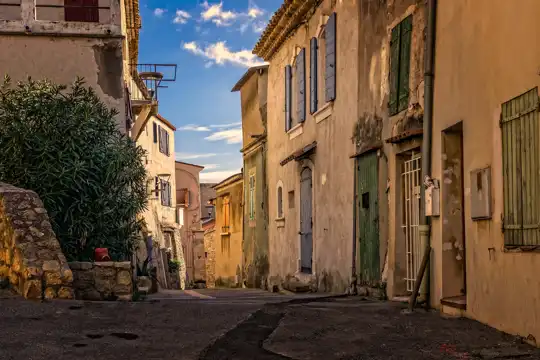
- Vieux Cahors (medieval quarter) — Narrow lanes, half-timbered houses and hidden squares. Wander Rue Nationale and the side streets to find small cafés, antique shops and real everyday life away from the main sights.
- Quais du Lot & riverside promenades — The riverbanks are where locals stroll, sunbathe and meet friends. Easy, pleasant walks with lots of viewpoints and benches — bring a map and follow the water.
- Gabarres and boat trips on the Lot — Short guided boat trips on traditional flat-bottomed boats (gabarres) give a different angle on the city and the limestone cliffs upriver — relaxing and good value for a couple of hours.
- Local wine cellars and tasting rooms — Cahors is wine country (Malbec is the local star). Pop into town cellars, caveaux or the Maison des Vins / local tastings to try the real Cahors wines rather than tourist bottles.
Spotted a mistake or missing something? Contact us.

Toulouse Food & History Tour with a Chef (in English)

Toulouse Victor Hugo Market Small Group Tasting Tour

Half-day sailing on the Gave de Pau

The essential of Toulouse by bike

Explore Toulouse Wine Bars with a Local Wine Expert

Unusual guided tour Toulouse in the Age of Enlightenment

Toulouse Food Tour – A Full French Meal by Do Eat Better

Private Guided History tour of Lourdes

Private guided tours of Lourdes / Walking tour


 Best Backpacking
 Hi, I’m Johan (Netherlands 🇳🇱), the creator of TakeYourBackpack. Over the past 3 decades, I’ve backpacked through 90+ countries across six continents, gaining extensive experience with independent travel, long-term trips, and overland routes.