×

French Polynesia🇵🇫 | landmarksAhe Atollcircular coral reef, pearl farms, remote motus, turquoise lagoon | things to do and best time to go

Explore VaitapeExplore Bora Bora Lagoon

Backpacking in Ahe Atoll
👌 Worth visitingunique site ranked #4
By Johan Kruseman 🇳🇱 | Updated May 29, 2026

Most people only realize on the way out that Ahe’s real superpower is this: you can actually afford to stay long enough to slow down, because prices are lower than on Tahiti, Bora Bora, or Rangiroa. Ahe Atoll sits in the Tuamotu Archipelago of French Polynesia, northeast of Tahiti, way out in the big blue where the reef rings a calm lagoon and not much else.

Ahe isn’t a postcard superstar; it’s a quiet, working atoll with pearl farms, a sleepy village, and a lagoon that looks like Bora Bora’s introverted cousin. The wow-factor is subtle: glassy water, empty motu beaches, and night skies that feel prehistoric. It’s cheap by Polynesian standards, but still not “budget” in global terms, and flights are limited, so delays can wreck tight itineraries. Crowds are basically non-existent, photo spots are everywhere, and the vibe is raw, local, and slow in a way Instagram never advertises.

Discover everything you want to know in the 📖 French Polynesia Travel Guide.
Loading the map 🌍
CLICK TO FILTER
towns
villages
landmarks
national parks
hikes
beaches
attractions
festivals
regions
SHOW COUNTRY’S BESTSHOW ALL

✨ Why go?
Ranked #4 unique site in French Polynesia
What sets this place apart

Ahe Atoll isn’t just another postcard from French Polynesia; it’s a backpacker’s paradise that demands your attention. Sure, it’s not the easiest place to reach, but that’s part of its charm. The crowds? Minimal. You won’t be elbowing your way through throngs of tourists here. Instead, you’ll find a serene escape where the crystal-clear waters and vibrant coral reefs are yours to explore.

The cost is surprisingly low for what you get. You can camp on the beach or stay in local guesthouses, keeping your budget intact while soaking in the authentic culture. Ahe fits perfectly into a broader route through the Society Islands, making it an ideal stop between Tahiti and Bora Bora.

What makes Ahe truly special is its untouched beauty and the chance to connect with locals who still live off the … read more 👉
Ahe Atoll isn’t just another postcard from French Polynesia; it’s a backpacker’s paradise that demands your attention. Sure, it’s not the easiest place to reach, but that’s part of its charm. The crowds? Minimal. You won’t be elbowing your way through throngs of tourists here. Instead, you’ll find a serene escape where the crystal-clear waters and vibrant coral reefs are yours to explore.

The cost is surprisingly low for what you get. You can camp on the beach or stay in local guesthouses, keeping your budget intact while soaking in the authentic culture. Ahe fits perfectly into a broader route through the Society Islands, making it an ideal stop between Tahiti and Bora Bora.

What makes Ahe truly special is its untouched beauty and the chance to connect with locals who still live off the land and sea. This isn’t just a place to snap a photo; it’s a chance to experience the real magic of Polynesia. Trust me, the effort to get here pays off in ways that Instagram can’t capture.
Want to include Ahe Atoll in your French Polynesia route?
Create a personalized French Polynesia itinerary that includes Ahe Atoll and the places that fit your trip — based on your travel style, budget, and available time. Get your route in seconds.

Generate my trip

💡 HighlightsDon't-miss highlights and experiences

  • Turquoise lagoon and coral rim — Ahe’s shallow, glassy lagoon is the classic atoll picture: impossibly blue water rimmed by narrow coral islets. It’s perfect for easy swimming, paddling, or wandering the shallow flats and watching the light change colors as the sun moves.
  • Black pearl farms — The Tuamotus are famous for cultured black pearls and Ahe hosts working farms. Visiting one gives a peek into the oyster cycle, how pearls are graded, and the chance to buy directly from producers rather than a tourist shop.
  • Snorkeling and diving by the pass — The reef passes concentrate marine life: colorful coral gardens, schools of reef fish, and often bigger visitors that cruise the channel. Currents can be strong, so local guides make these trips safe and way more rewarding.
  • Secluded motus and
read more 👉
  • Turquoise lagoon and coral rim — Ahe’s shallow, glassy lagoon is the classic atoll picture: impossibly blue water rimmed by narrow coral islets. It’s perfect for easy swimming, paddling, or wandering the shallow flats and watching the light change colors as the sun moves.
  • Black pearl farms — The Tuamotus are famous for cultured black pearls and Ahe hosts working farms. Visiting one gives a peek into the oyster cycle, how pearls are graded, and the chance to buy directly from producers rather than a tourist shop.
  • Snorkeling and diving by the pass — The reef passes concentrate marine life: colorful coral gardens, schools of reef fish, and often bigger visitors that cruise the channel. Currents can be strong, so local guides make these trips safe and way more rewarding.
  • Secluded motus and beachcombing — Tiny sand islets (motus) around the rim are quiet and palm-strewn — ideal for a picnic, shell hunting, or a private sunset. They’re simple, gorgeous, and rarely crowded.
  • Village culture and slow island life — Ahe has a few small villages where life moves at island pace: friendly people, local food, Sunday church gatherings, and crafts. It’s a good place to see daily Tuamotuan life away from the resort scene.
  • Birdlife and coastal wildlife — Seabirds like terns and frigatebirds use the atoll for nesting; keep an eye out for sea turtles in the shallows and lots of small reef creatures while you snorkel. Nature’s low-key but rewarding.
  • The small-plane arrival experience — Flying into Ahe (short hop on a tiny plane) is part of the charm: the landing over blue reef and the tiny airstrip underline how remote and raw these atolls are. It’s practical travel with a bit of drama.
Spotted a mistake or missing something? Contact us.

🌤️ When to go?Choosing the right time of year


  • Weather: Ahe Atoll basks in a tropical climate, with a wet season from November to April bringing heavy rains and humidity that can put a damper on your plans. The dry season, May to October, offers clearer skies and more comfortable conditions, perfect for exploring without the constant threat of downpours.

  • Temperature: Expect steady warmth year-round, averaging 27-30°C (80-86°F). The wet season feels hotter and stickier, while the dry season cools off slightly, making it easier to enjoy long days outdoors without overheating.

  • Daylight Hours: Daylight stays fairly consistent, around 11 to 12 hours daily, so you won’t lose much time to darkness no matter when you visit. Early mornings and late afternoons are your best bets for photography and wildlife spotting.

  • Crowds: Ahe Atoll isn’t
read more 👉

  • Weather: Ahe Atoll basks in a tropical climate, with a wet season from November to April bringing heavy rains and humidity that can put a damper on your plans. The dry season, May to October, offers clearer skies and more comfortable conditions, perfect for exploring without the constant threat of downpours.

  • Temperature: Expect steady warmth year-round, averaging 27-30°C (80-86°F). The wet season feels hotter and stickier, while the dry season cools off slightly, making it easier to enjoy long days outdoors without overheating.

  • Daylight Hours: Daylight stays fairly consistent, around 11 to 12 hours daily, so you won’t lose much time to darkness no matter when you visit. Early mornings and late afternoons are your best bets for photography and wildlife spotting.

  • Crowds: Ahe Atoll isn’t a tourist magnet like Bora Bora, but expect a slight uptick in visitors during the dry season, especially July and August. If you crave solitude, aim for shoulder months like May or September.

  • Seasonal Activities: Dry months are ideal for snorkeling, diving, and kite surfing, as calm seas reveal vibrant coral and marine life. The wet season can limit water activities but offers lush greenery and fewer tourists.

  • Price Fluctuations: Prices spike during the dry season’s peak months, especially July and August, with accommodation and flights costing noticeably more. Booking in shoulder seasons can save you a solid chunk of cash without sacrificing much in experience.


Pro-tip: Visit Ahe Atoll in May or September to dodge crowds, enjoy pleasant weather, and snag better deals—this is when the real magic happens without the Instagram filter.


source: climatestotravel.comJANJanuary: fair for travelingFEBFebruary: fair for travelingMARMarch: fair for travelingAPRApril: fair for travelingMAYMay: excellent for travelingJUNJune: highly recommended for travelingJULJuly: highly recommended for travelingAUGAugust: highly recommended for travelingSEPSeptember: excellent for travelingOCTOctober: highly recommended for travelingNOVNovember: fair for travelingDECDecember: fair for traveling
french-polynesia-unique-site-ahe-atoll
© Google | Ioane Huri

✈️ The backpacker research shortcutFrench Polynesia Travel Guide

An offline-friendly backpacking guide with optimized travel routes, ranked highlights, transport advice, and the best areas to stay.
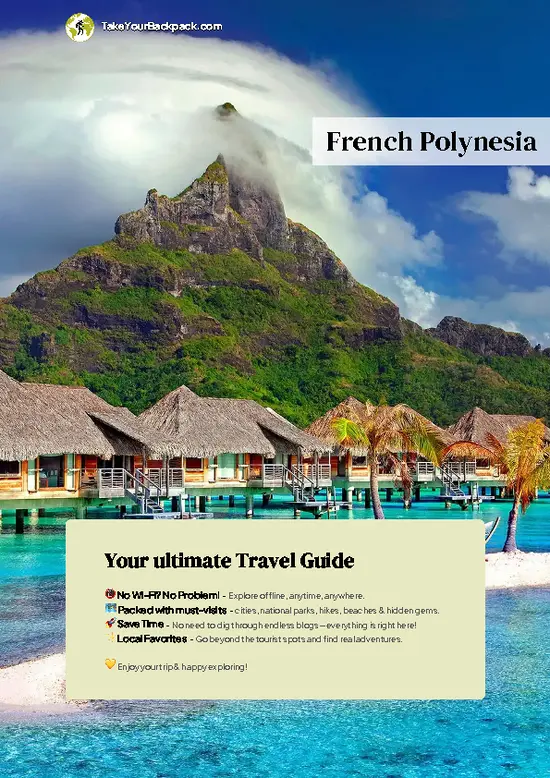
example page 0 from our offline Travel Guide for French Polynesia
example page 1 from our offline Travel Guide for French Polynesia
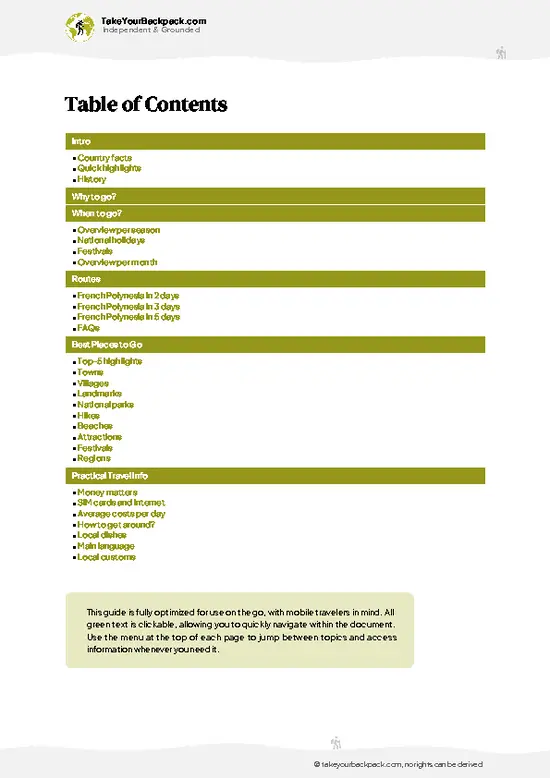
example page 2 from our offline Travel Guide for French Polynesia
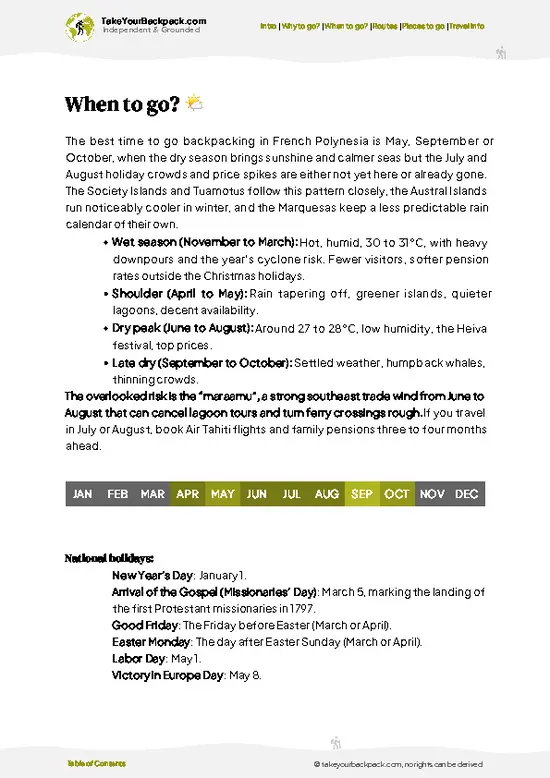
example page 3 from our offline Travel Guide for French Polynesia
example page 4 from our offline Travel Guide for French Polynesia
example page 5 from our offline Travel Guide for French Polynesia
example page 6 from our offline Travel Guide for French Polynesia
example page 7 from our offline Travel Guide for French Polynesia
The digital guide (183 pages) contains:
45 highlights, ranked by travel appeal
Optimized 2, 3 & 5-day travel routes
Cities, national parks, landmarks, beaches
How to get around
Offline-friendly for travel without Wi-Fi
👉 Click to see all 30+ guide features

📅 Plan smarter in minutes, not weeks
Month by month travel advice
Festivals & national holidays
Budget expectations

🗺️ Go to the right places, skip the overrated ones
Honest pros & cons of destinations
Top hikes, parks & viewpoints
Lesser-known places most travelers miss
Clear “worth it vs skip it” guidance

🛏️ Travel smoothly without rookie mistakes
Best areas to stay
Transport systems explained simply
Common scams & safety advice
SIM cards, money & practical tips

🌍 Understand the country, not just visit it
Culture & traditions
52 Essential phrases & customs
Festivals worth planning around
Traveler-friendly historical context
Insights that make places more meaningful

📱 Built for real travel conditions
Fully downloadable PDF
Works completely offline
Optimized for phone use
Useful in remote areas & buses
Everything in one place
Save weeks of stressful planning
Get instant access to your full guide. 30‑day money-back guarantee.


By proceeding you agree to our terms.
Sent to your inbox immediately after payment • 100% Secure Checkout
Best Backpacking Travel Advisor 2025 tourism awardBest Backpacking
Travel Advisor
2025
What others say about Take Your Backpack Guides:
⭐⭐⭐⭐⭐
Fantastic, amazing amount of information!
⭐⭐⭐⭐⭐
My goodness this is amazing, it's what I've been looking for hats off too you!
⭐⭐⭐⭐⭐
I think this is absolutely BRILLIANT
⭐⭐⭐⭐
Very complete and informative. It's still missing places, but I gotta to commend you
⭐⭐⭐⭐⭐
This is truly amazing, thank you, can't wait to explore it with my kids!
⭐⭐⭐⭐⭐
Awesome resource, thank you!
⭐⭐⭐⭐⭐
This is amazing! Can't wait to explore the ones I haven't seen
⭐⭐⭐⭐
I love this! Well done, great idea.
⭐⭐⭐⭐⭐
Thanks for taking the time to make this gem!
⭐⭐⭐⭐⭐
This might be the best website I've ever seen.
⭐⭐⭐⭐⭐
Congratulations, and thank you so much for your work; it's incredibly valuable.
⭐⭐⭐⭐
In all seriousness I think you did a great job pointing out the important spots
⭐⭐⭐⭐⭐
10/10 very good
⭐⭐⭐⭐⭐
As someone who's only just starting to visit regularly this is awesome, thank you.
⭐⭐⭐⭐
Thank you very much! I'm going to visit my dad, it's going to be very useful!
⭐⭐⭐⭐⭐
This is really cool! We'll be travelling for the first time and this definitely come in handy.
⭐⭐⭐⭐⭐
You are now our minister of culture, congratulations 👨‍💼
⭐⭐⭐⭐⭐
Just wanted to tell you that this is a pearl! Going to follow your recommendations.
⭐⭐⭐⭐⭐
This is so cool. I'll definitely be using the resource for my travels soon.
⭐⭐⭐⭐⭐
This is very impressive! Good work.
⭐⭐⭐⭐⭐
This is an amazing and informative site. Very well done!

🛏️ Where to stay?Best areas to stay in French Polynesia

Ahe Atoll isn’t your typical backpacker’s paradise, and that’s exactly what makes it special. Forget the glossy Instagram shots; this place is about raw beauty and genuine experiences.

Stay in the small village of Ahe itself. It’s where the locals live, and you’ll find a welcoming vibe that’s hard to beat. The community is tight-knit, and you’ll likely share a meal or a laugh with the residents. Plus, it’s safe and easy to navigate, even for solo travelers.

If you’re looking for a bit more social interaction, consider the nearby motus. These small islets often have basic accommodations that … read more 👉
Ahe Atoll isn’t your typical backpacker’s paradise, and that’s exactly what makes it special. Forget the glossy Instagram shots; this place is about raw beauty and genuine experiences.

Stay in the small village of Ahe itself. It’s where the locals live, and you’ll find a welcoming vibe that’s hard to beat. The community is tight-knit, and you’ll likely share a meal or a laugh with the residents. Plus, it’s safe and easy to navigate, even for solo travelers.

If you’re looking for a bit more social interaction, consider the nearby motus. These small islets often have basic accommodations that attract fellow backpackers. You’ll find a mix of travelers here, all drawn by the same desire for adventure and connection.

Costs can be a bit higher than you’d expect in more touristy spots, but the experience is worth it. You might not have luxury, but you’ll have access to pristine beaches and incredible snorkeling right outside your door.

Embrace the simplicity. The real magic of Ahe Atoll lies in its authenticity, not in the polished tourist experience.

👛 Costs (as of 21 November 2025)Typical daily expenses

Visiting Ahe Atoll in French Polynesia isn’t just a trip; it’s an investment in a slice of paradise. Here’s the real deal on what you can expect to spend.
  • Accommodation: Expect to pay between $100 to $300 per night for basic to mid-range options. There are a few guesthouses and bungalows, but don’t expect luxury resorts. The charm lies in simplicity, and you’ll get a more authentic experience that way.
  • Food: Meals can range from $10 to $50 per person. Local eateries offer fresh fish and traditional dishes at lower prices, while fancier dining options can hit the higher end. Stock up on snacks at local markets to save a bit.
  • Transportation: Getting around can be tricky. A round-trip flight from Tahiti to Ahe typically costs between $300 to $600. Once on the atoll, local transport options are limited,
read more 👉
Visiting Ahe Atoll in French Polynesia isn’t just a trip; it’s an investment in a slice of paradise. Here’s the real deal on what you can expect to spend.
  • Accommodation: Expect to pay between $100 to $300 per night for basic to mid-range options. There are a few guesthouses and bungalows, but don’t expect luxury resorts. The charm lies in simplicity, and you’ll get a more authentic experience that way.
  • Food: Meals can range from $10 to $50 per person. Local eateries offer fresh fish and traditional dishes at lower prices, while fancier dining options can hit the higher end. Stock up on snacks at local markets to save a bit.
  • Transportation: Getting around can be tricky. A round-trip flight from Tahiti to Ahe typically costs between $300 to $600. Once on the atoll, local transport options are limited, so budget for bike rentals or occasional boat rides, which can add another $20 to $50 per day.
  • Activities: Expect to shell out around $50 to $150 for excursions like snorkeling, diving, or guided tours. These experiences are worth it; the underwater life is vibrant and the scenery is breathtaking. Just be mindful of your choices—some tours are more about the experience than the price tag.
  • Miscellaneous: Always set aside around $50 for unexpected expenses. Whether it’s a local craft you can’t resist or an extra drink at sunset, it’s good to have a cushion.

Ahe Atoll isn’t about flashy attractions; it’s about soaking in the tranquil beauty and connecting with the local culture. The costs reflect that, so plan wisely and enjoy the journey.


source: tahititourisme.com
⚠️ Prices can change and everyone travels differently, so take this as a rough guide. Hope it helps you plan your adventure!

Other French Polynesian landmarks near Ahe Atoll

Explore more nearby:

  • Rangiroa—endless atoll, wine production, drift snorkeling, dolphin passes| 161 km away
  • Taha’a Vanilla Plantations—fragrant vines, family-run farms, traditional curing, island interior| 605 km away
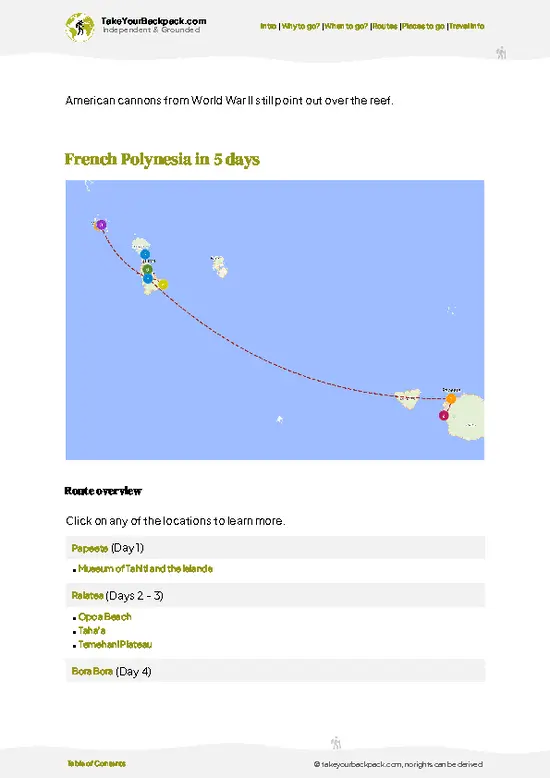
  • Bora Bora Lagoon—mountain backdrop, overwater bungalows, shallow blue waters, coral gardens| 624 km away

💡 Not sure where to go next?
Create a personalized itinerary for French Polynesia including Ahe Atoll and the places that fit your trip.

Generate my itinerary

👉 Discover all landmarks

Or checkout all French Polynesia has to offer (think cities, towns, villages, national parks, hikes, beaches, festivals)
Country photo of French Polynesia

We 💚 feedbackIs it worth it?

Ahe Atoll isn’t the Instagram paradise you might expect. Yes, it’s beautiful, but the crowds can be overwhelming at times, especially during peak season. The real magic? The locals. Their warmth and stories are what make this place shine. Don’t miss the chance to dive with the blacktip reef sharks—it’s a thrill that’ll stick with you. Just be prepared: the lack of amenities can be a shock. Embrace the simplicity; that’s where the true adventure lies.

✍️ Help improve this page!
The information on this page is based on in-depth research, insights shared by experienced travelers, and feedback from the local travel community in French Polynesia. While every effort is made to keep the information accurate and current, conditions can change — so if you spot anything incorrect or outdated, please get in touch.


🙋‍♂️ Give feedback

👋 Meet the founderWho’s Behind Take Your Backpack?

Johan, backpacker and founder of TakeYourBackpackHi, I’m Johan (Netherlands 🇳🇱), the creator of TakeYourBackpack. Over the past decade, I’ve backpacked through 80+ countries across six continents, gaining extensive experience with independent travel, long-term trips, and overland routes.

This site is built on a combination of firsthand travel experience and carefully curated insights from other backpackers. Many guides are based on places I’ve personally visited, while others bring together tips, observations, and practical advice shared by trusted travelers I’ve met along the way.

The goal is to provide realistic, experience-driven guidance — not generic itineraries — so you can explore destinations with better context, clearer expectations, and more confidence.

Get full country guide •
Instant download • 45 highlights • Full Offline guide