v2.webp)
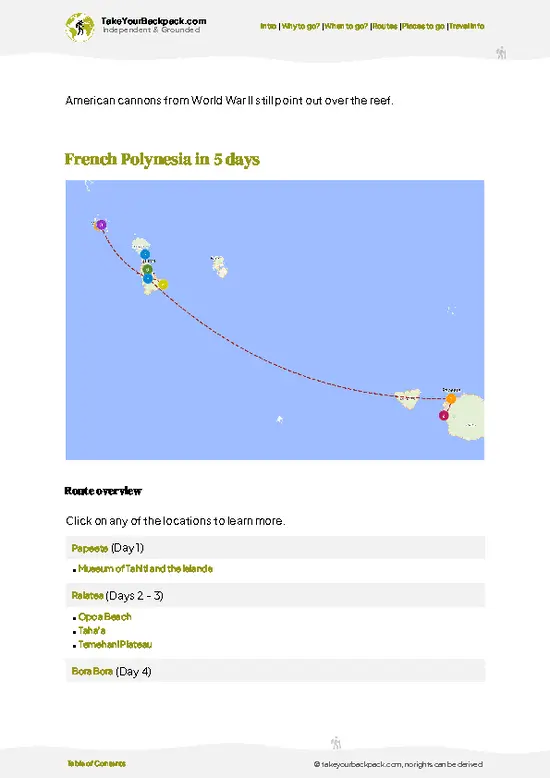
- Vanilla farms: Visit a working plantation to see orchids pollinated by hand and pods cured in the sun. Many offer tours and sell pods directly.
- Coral Garden (Jardin de Corail): A shallow channel between two motu where you drift with the current over colorful coral and reef fish.
- Pearl farms: Small family operations show how black pearls are grafted and harvested, and sell directly.
- Motu Tautau: Quiet sandy islet with clear water, popular on lagoon tours but easy to enjoy outside the midday rush.
- Haamene Bay: A deep, calm bay on the east side, ideal for kayaking and watching sunset light on the water.
- Mount Ohiri hike: A steady climb for views across the lagoon toward Raiatea and Bora Bora. Go with a local guide.
- Distillerie de Taha’a: Rum and spirits made on island using local cane and vanilla.
- Vanilla farms: Visit a working plantation to see orchids pollinated by hand and pods cured in the sun. Many offer tours and sell pods directly.
- Coral Garden (Jardin de Corail): A shallow channel between two motu where you drift with the current over colorful coral and reef fish.
- Pearl farms: Small family operations show how black pearls are grafted and harvested, and sell directly.
- Motu Tautau: Quiet sandy islet with clear water, popular on lagoon tours but easy to enjoy outside the midday rush.
- Haamene Bay: A deep, calm bay on the east side, ideal for kayaking and watching sunset light on the water.
- Mount Ohiri hike: A steady climb for views across the lagoon toward Raiatea and Bora Bora. Go with a local guide.
- Distillerie de Taha’a: Rum and spirits made on island using local cane and vanilla. A small tasting stop for something different.
- Tapuamu village: Quiet waterfront with a local church and a place to see daily life, rarely on tour itineraries.
- Patio village: Small community with sheltered water and fishing boats, where visitors are few and locals wave.
- Motu Mahaea: A resort-fringed islet reachable by boat, with excellent snorkeling and views back to Taha’a.
Spotted a mistake or missing something? Contact us.

Authentic Polynesian Experience

1/2 day Tahaa coral garden - departure Raiatea / ideal for cruise passengers

Guided tour of the island of Tahaa with Revanui Excursions

The Vanilla tour of Taha'a in a comfortable outrigger canoe

Extra Tahaa Island Boat and Full Day Tour

Raiatea-Tahaa Snorkeling in our beautiful Coral Garden

Half-day boat tour of Taha'a

1/2 day "Treasures of Raiatea" by boat - ideal for cruise passengers

Apetahi day trip around Raiatea on a modern outrigger canoe


 Best Backpacking
.jpg) Hi, I’m Johan (Netherlands 🇳🇱), the creator of TakeYourBackpack. Over the past 3 decades, I’ve backpacked through 90+ countries across six continents, gaining extensive experience with independent travel, long-term trips, and overland routes.
Hi, I’m Johan (Netherlands 🇳🇱), the creator of TakeYourBackpack. Over the past 3 decades, I’ve backpacked through 90+ countries across six continents, gaining extensive experience with independent travel, long-term trips, and overland routes.