v2.webp)
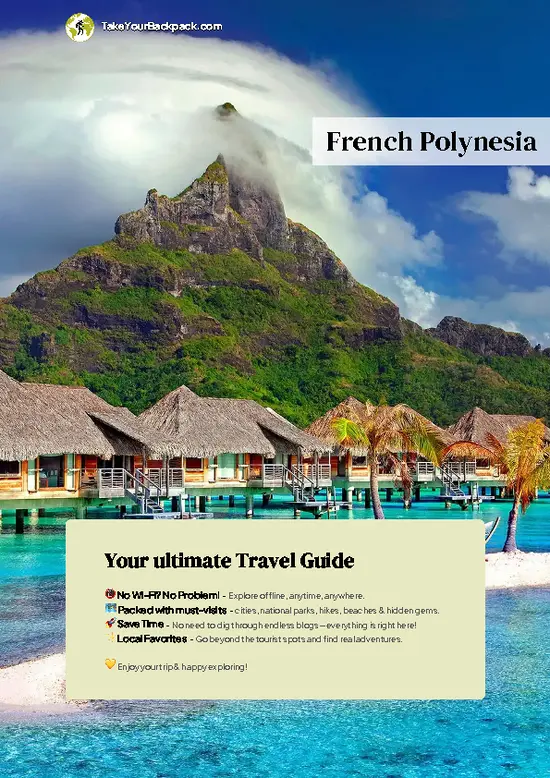
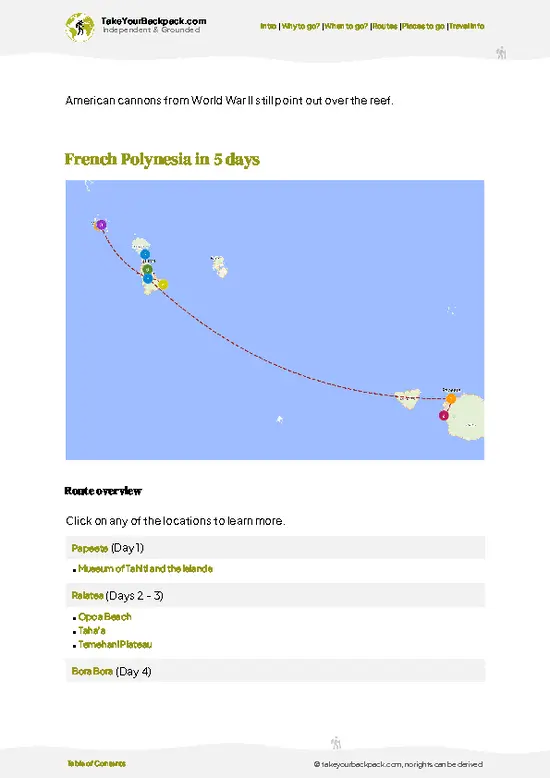
- Teahupo’o: The end-of-the-road village is famed for one of the world’s heaviest waves. Hire a local boat from the pier to watch surfers from the channel, or simply sit on the dock with a coconut.
- Marché de Papeete: Two floors of flowers, vanilla, monoi oil and pareos. Go before 7 a.m. on a Sunday for the full local rush.
- Place Vaiete roulottes: Food trucks serve steak frites, chow mein and poisson cru on the waterfront each evening. Cheap and filling.
- Fautaua Valley Waterfall: A hike to a fall of almost 300 meters above Papeete. A small permit fee applies, and you buy it in town.
- Arahoho Blowhole: On the northeast coast, waves punch through lava rock and spray the road. Quick stop, big noise.
- Pointe Venus: A black-sand point with a historic lighthouse, where Captain Cook’s astronomers observed
- Teahupo’o: The end-of-the-road village is famed for one of the world’s heaviest waves. Hire a local boat from the pier to watch surfers from the channel, or simply sit on the dock with a coconut.
- Marché de Papeete: Two floors of flowers, vanilla, monoi oil and pareos. Go before 7 a.m. on a Sunday for the full local rush.
- Place Vaiete roulottes: Food trucks serve steak frites, chow mein and poisson cru on the waterfront each evening. Cheap and filling.
- Fautaua Valley Waterfall: A hike to a fall of almost 300 meters above Papeete. A small permit fee applies, and you buy it in town.
- Arahoho Blowhole: On the northeast coast, waves punch through lava rock and spray the road. Quick stop, big noise.
- Pointe Venus: A black-sand point with a historic lighthouse, where Captain Cook’s astronomers observed Venus. Locals picnic here at weekends.
- Papenoo Valley: A 4WD track climbs into the island’s crater interior, with waterfalls and cool, misty air. Lesser known, rarely crowded.
- Marae Arahurahu: A restored stone temple platform in Paea set among tall trees. Quiet and rarely visited by tour groups.
- Grotte de Mara’a: Ferns hang over a cave with a freshwater pool, set in a garden beside the coast road. A cool stop on hot afternoons.
- Plateau of Taravao: A high pasture and viewpoint above the isthmus joining the two halves of the island. Locals come for the air and views, not tourists.
Spotted a mistake or missing something? Contact us.

Franckyfranck tours Moorea - Tours privés // Private half day tours

Papeete Food Tour

Jet Ski Trip for One Hour

Mo'orea Half Day Private Tour with Snorkeling and Cruising the Lagoon

Moorea Solo or Twin Island Tour Jet Ski 4 hours

Tour DE l'île DE Tahiti EN car TiTi's Tahiti Tour

Sea Scooter Snorkel Tour - Lagoon Discovery : Wrecks, Coral Gardens and Tropical Fishies

PRIVATE Full Day Tour : Moorea Snorkeling & Sailing on a Catamaran named Taboo

Moorea Combo 2h Jetski 3h30 Quad


 Best Backpacking
.jpg) Hi, I’m Johan (Netherlands 🇳🇱), the creator of TakeYourBackpack. Over the past 3 decades, I’ve backpacked through 90+ countries across six continents, gaining extensive experience with independent travel, long-term trips, and overland routes.
Hi, I’m Johan (Netherlands 🇳🇱), the creator of TakeYourBackpack. Over the past 3 decades, I’ve backpacked through 90+ countries across six continents, gaining extensive experience with independent travel, long-term trips, and overland routes.