×

Gabon🇬🇦 | townsGambaoil industry, Atlantic coastline, lagoon wildlife | things to do and best time to go

Explore BongovilleExplore Koulamoutou

Backpacking in Gamba
🏆 Top picktown ranked #2
By Johan Kruseman 🇳🇱 | Updated September 3, 2026

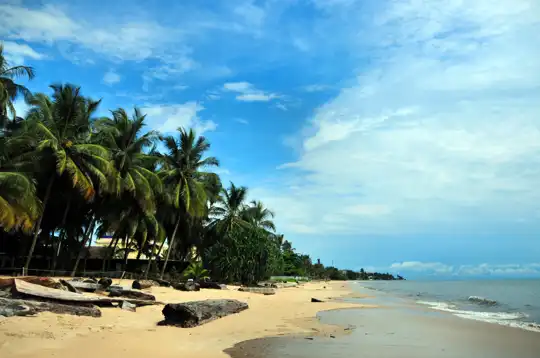
A thin film of red dust clings to your ankles as you step off the battered bush taxi, the air thick with the scent of salt and diesel from the port. Gamba sits on Gabon’s Atlantic coast, wedged between the Ndogo Lagoon and the endless green of Loango National Park. This isn’t a town that tries to impress; it’s a working place, shaped by oil, fishing, and the slow churn of river life. For backpackers, Gamba is less a destination and more a launchpad—your access point to wild beaches, hippo-haunted lagoons, and the kind of rainforest that hums after rain. The town itself is compact, with a few basic guesthouses and a market where you’ll find smoked fish and plantains, but nightlife is nearly nonexistent and you’ll rarely bump into other travelers unless you’re heading out on a shared boat trip. Compared to Port-Gentil’s bustle or the tourist gloss of Libreville, Gamba feels raw and real—more practical than pretty, but the payoff is proximity to some of Gabon’s wildest nature. Transport is limited: bush taxis, private 4x4s, or the occasional boat, so getting here takes patience and a willingness to improvise. Costs are moderate by Gabon standards, but don’t expect bargains. Safety is generally good, though the isolation means you’ll want to keep your wits about you after dark. If you want a polished town, look elsewhere; if you want the gateway to adventure, this is where you earn it.

Discover everything you want to know in the 📖 Gabon Travel Guide.


Get your Gabon guide
52 ranked highlights, routes & tips, works offline (222 pages)
Loading the map 🌍
CLICK TO FILTER
cities
towns
villages
landmarks
national parks
hikes
beaches
attractions
festivals
regions
SHOW COUNTRY’S BESTSHOW ALL

✨ Why go?
Ranked #2 town in Gabon
Why Gamba should be on your travel list

In the heart of Gabon, Gamba serves as a crucial waypoint for backpackers seeking a blend of adventure and culture. Its proximity to lush national parks makes it a launching pad for hikes that lead into the wild, where the air is thick with the scent of damp earth and the calls of exotic birds echo through the trees. The town itself is small and walkable, with friendly locals who often greet you with a smile, making it easy to feel at home.

You’ll find a handful of small-scale hostels and guesthouses that cater to budget travelers, offering a cozy atmosphere where stories are exchanged over shared meals. The local food scene is a treat; think fresh fish grilled to perfection, served with plantains that melt in your mouth.

Most backpackers tend to stay briefly, using Gamba as a base before … read more 👉
In the heart of Gabon, Gamba serves as a crucial waypoint for backpackers seeking a blend of adventure and culture. Its proximity to lush national parks makes it a launching pad for hikes that lead into the wild, where the air is thick with the scent of damp earth and the calls of exotic birds echo through the trees. The town itself is small and walkable, with friendly locals who often greet you with a smile, making it easy to feel at home.

You’ll find a handful of small-scale hostels and guesthouses that cater to budget travelers, offering a cozy atmosphere where stories are exchanged over shared meals. The local food scene is a treat; think fresh fish grilled to perfection, served with plantains that melt in your mouth.

Most backpackers tend to stay briefly, using Gamba as a base before heading out to explore, but those who linger appreciate the slow pace and the chance to connect with fellow travelers. It’s ideal for solo adventurers or small groups looking for a genuine experience rather than a party scene. If you’re after a taste of Gabon’s heart, Gamba is a perfect stop.
Want to include Gamba in your Gabon route?
Create a personalized Gabon itinerary that includes Gamba and the places that fit your trip — based on your travel style, budget, and available time. Get your route in seconds.

Generate my trip

💡 HighlightsTop highlights of Gamba

  • Marché de Gamba (the town market) — The real pulse of the place: fresh catches, local fruit, snacks, and vendors who’ll tell you where to get the best boat trip. Great for people-watching and buying simple supplies or seafood straight off the boat.
  • Gamba Harbour / Fishing Port — A working waterfront where pirogues and supply vessels come and go. Watch fishermen land and clean their catch, photograph piled nets and boats, and book local boat trips into the mangroves from here.
  • Ndogo Lagoon access & mangrove channels — Not a single monument but the network of canals right off town that you can reach by short boat ride; expect mangrove forests, birdlife, and chances to see dolphins and mudskippers up close during a guided trip.
  • Loango gateway / park contact point in Gamba — Gamba is the
read more 👉
  • Marché de Gamba (the town market) — The real pulse of the place: fresh catches, local fruit, snacks, and vendors who’ll tell you where to get the best boat trip. Great for people-watching and buying simple supplies or seafood straight off the boat.
  • Gamba Harbour / Fishing Port — A working waterfront where pirogues and supply vessels come and go. Watch fishermen land and clean their catch, photograph piled nets and boats, and book local boat trips into the mangroves from here.
  • Ndogo Lagoon access & mangrove channels — Not a single monument but the network of canals right off town that you can reach by short boat ride; expect mangrove forests, birdlife, and chances to see dolphins and mudskippers up close during a guided trip.
  • Loango gateway / park contact point in Gamba — Gamba is the practical hub for visiting Loango National Park: local guides, permit info, and logistics are organized here, so the small office/meeting points are worth a stop even if you’re only passing through.
  • Gamba airstrip (the local aerodrome) — A short, utilitarian airfield used by charters and small aircraft. It’s useful to visit to understand transport options in the region and to watch the comings and goings that keep this coastal town connected.
  • Old oil-town neighborhoods and waterfront infrastructure — The town’s oil-industry history is visible in company-built housing, quays and industrial traces along the waterfront. A walking tour through these areas gives context to Gamba’s modern economy and history.
  • Fish-smoking stations and shoreline processing areas — Where the day’s haul gets smoked, salted or packed. It’s a sensory place—heat, smoke, and sea smell—and a real look at local livelihoods and foodways.
  • Local boatyards and pirogue workshops — Small craft builders repair and build wooden boats here. Watching craftsmen at work is a hands-on way to see local technology and skills that keep fishing and transport running.
  • Gamba beachfronts and small sandy coves — Low-key stretches of sand and tidal flats within walking or short-boat distance of town. Good for sunsets, quiet walks, and seeing shorebirds and coastal life without the crowds.
  • Town square / communal spaces and church gatherings — The social heart: where markets spill into the street, football gets played, and Sunday services gather neighbors. Visiting these public spaces gives a real feel for daily life and local rhythms.
A few excellent day trips outside town: Loango National Park’s beaches and surf-front wildlife, boat trips around the Ndogo Lagoon islands, and the coastal town of Mayumba (known for its turtle beaches) are all close enough to explore from Gamba.
Spotted a mistake or missing something? Contact us.
🏘️ NeighborhoodsKey areas and districts to know

Gamba is a vibrant coastal town in Gabon, where the rhythm of life flows between the ocean and the lush greenery. Here’s how to navigate its neighborhoods like a pro.

Centre Ville: This is the heart of Gamba. The streets buzz with local markets and street food vendors. You’ll find affordable accommodations here, making it ideal for budget travelers. Walkability is high; everything is within a few blocks. The nightlife is laid-back, with small bars where you can sip palm wine and chat with locals. Perfect for short stays, as you can soak up the local culture quickly.

Plage de Gamba: If you’re after sun and surf, this beach area is your go-to. The vibe is relaxed, with the scent of saltwater and grilled fish wafting through the air. Accommodations range from budget hostels to mid-range lodges. … read more 👉
Gamba is a vibrant coastal town in Gabon, where the rhythm of life flows between the ocean and the lush greenery. Here’s how to navigate its neighborhoods like a pro.

Centre Ville: This is the heart of Gamba. The streets buzz with local markets and street food vendors. You’ll find affordable accommodations here, making it ideal for budget travelers. Walkability is high; everything is within a few blocks. The nightlife is laid-back, with small bars where you can sip palm wine and chat with locals. Perfect for short stays, as you can soak up the local culture quickly.

Plage de Gamba: If you’re after sun and surf, this beach area is your go-to. The vibe is relaxed, with the scent of saltwater and grilled fish wafting through the air. Accommodations range from budget hostels to mid-range lodges. It’s a bit quieter at night, making it suitable for those looking to unwind. Spend your days lounging on the beach or exploring nearby trails. Ideal for longer stays if you want to embrace the coastal lifestyle.

Quartier des Pêcheurs: This fishing neighborhood offers a glimpse into local life. The atmosphere is authentic, with fishermen hauling in their daily catch. It’s less touristy, so prices are lower. Walkability is decent, but be prepared for some uneven paths. Nightlife is minimal, focusing more on community gatherings. Great for those wanting a deeper connection to Gamba, especially for longer visits.

Zone Industrielle: This area is more utilitarian, with factories and warehouses. It’s not the most picturesque, but it’s where you’ll find the best transport links to other parts of Gabon. If you’re planning to explore beyond Gamba, consider staying here for easy access. However, it’s not ideal for leisure or nightlife.

⌛️ 1 dayHow to make the most of one day

Gamba, Gabon, is a town that pulses with the rhythm of the rainforest and the hum of local life. It’s not on every tourist’s radar, but that’s exactly what makes it special. Here, you can experience the raw beauty of Gabon’s landscapes while connecting with the friendly locals who call this place home.

Start your day early with a stroll through the bustling market in the heart of Gamba. The air is thick with the scent of fresh produce and spices, and the vibrant colors of fruits and vegetables create a feast for the eyes. Engage with the vendors; they’re often eager to share stories about their goods. Grab a few ripe mangoes or some grilled plantains to fuel your adventure.

After the market, head to the nearby Loango National Park. It’s a short ride from town, and the journey is worth it. … read more 👉
Gamba, Gabon, is a town that pulses with the rhythm of the rainforest and the hum of local life. It’s not on every tourist’s radar, but that’s exactly what makes it special. Here, you can experience the raw beauty of Gabon’s landscapes while connecting with the friendly locals who call this place home.

Start your day early with a stroll through the bustling market in the heart of Gamba. The air is thick with the scent of fresh produce and spices, and the vibrant colors of fruits and vegetables create a feast for the eyes. Engage with the vendors; they’re often eager to share stories about their goods. Grab a few ripe mangoes or some grilled plantains to fuel your adventure.

After the market, head to the nearby Loango National Park. It’s a short ride from town, and the journey is worth it. The park is known for its stunning coastal views and diverse wildlife. Spend your morning hiking along the trails, where the sounds of birds and rustling leaves create a natural symphony. Keep an eye out for the elusive forest elephants and playful monkeys. This isn’t just a hike; it’s a chance to immerse yourself in Gabon’s rich biodiversity.

As the sun climbs higher, make your way back to Gamba for lunch at a local eatery. Try the grilled fish, fresh from the ocean, served with a side of cassava. The flavors are simple yet satisfying, and you’ll feel the warmth of the community in every bite.

In the afternoon, explore the lesser-known neighborhood of Petit Gamba. Here, you’ll find charming streets lined with colorful houses and local art. Stop by a small gallery showcasing the work of local artists. This is a side of Gamba that many tourists miss, but it’s where you’ll truly feel the town’s spirit.

As evening approaches, head to the beach. The golden light of sunset casts a warm glow over the water, and the sound of waves crashing creates a perfect backdrop for reflection. Grab a cold drink from a nearby vendor and soak in the moment.

Gamba may not be the most famous destination, but its charm lies in its authenticity. By embracing the local culture and exploring beyond the usual paths, you’ll unlock a richer experience that stays with you long after you leave.
Turn your Gamba visit into an Gabon adventure
Build a complete Gabon route with Gamba, hidden gems, must-see destinations, and realistic travel times included.

Generate my trip

🌤️ When to go?When to go for the best experience


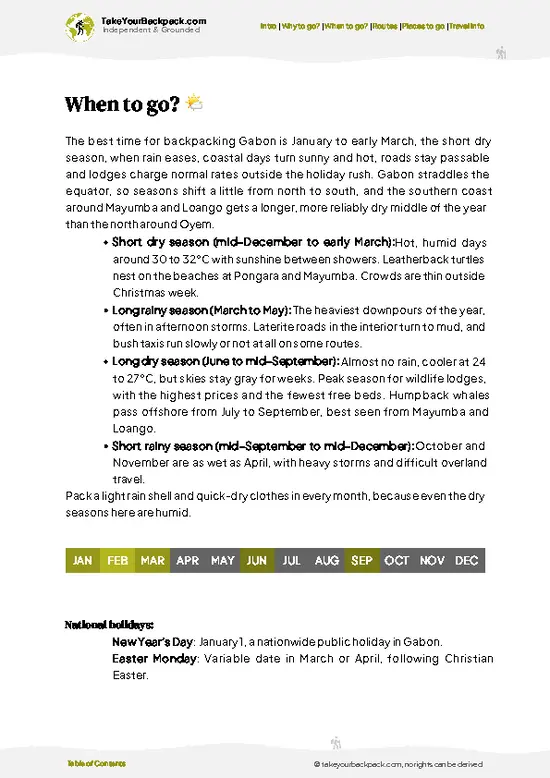
  • Weather: Gamba’s climate is equatorial—hot and humid year-round, but the dry season from June to September offers relief. Expect less rain, making trails and wildlife spotting easier without the constant dampness weighing down your gear.

  • Temperature: Temperatures hover around 24-30°C (75-86°F) throughout the year. The dry season feels slightly cooler and less sticky, which means more comfortable days and nights for camping or exploring.

  • Daylight Hours: Near the equator, daylight is steady—about 12 hours daily year-round. This consistency lets you plan hikes and boat trips without worrying about early sunsets cutting your adventure short.

  • Crowds: Gamba is off the beaten path, so crowds are minimal anytime. However, the dry season draws a few more eco-tourists and researchers, so expect
read more 👉

  • Weather: Gamba’s climate is equatorial—hot and humid year-round, but the dry season from June to September offers relief. Expect less rain, making trails and wildlife spotting easier without the constant dampness weighing down your gear.

  • Temperature: Temperatures hover around 24-30°C (75-86°F) throughout the year. The dry season feels slightly cooler and less sticky, which means more comfortable days and nights for camping or exploring.

  • Daylight Hours: Near the equator, daylight is steady—about 12 hours daily year-round. This consistency lets you plan hikes and boat trips without worrying about early sunsets cutting your adventure short.

  • Crowds: Gamba is off the beaten path, so crowds are minimal anytime. However, the dry season draws a few more eco-tourists and researchers, so expect a bit more life without losing the sense of solitude.

  • Seasonal Activities: Dry months are prime for wildlife viewing, especially spotting forest elephants and rare birds. The wet season floods some trails but brings lush greenery and vibrant insect life, rewarding those who don’t mind mud and humidity.

  • Price Fluctuations: Accommodation and tours tend to be pricier during the dry season due to demand. The wet season offers better deals but be ready for occasional travel delays and wetter conditions.


Pro-tip: Visit during the early dry season (June-July) to catch the best balance of manageable weather, active wildlife, and fewer tourists—your camera and boots will thank you.


source: climatestotravel.comJANJanuary: fair for travelingFEBFebruary: fair for travelingMARMarch: fair for travelingAPRApril: fair for travelingMAYMay: good for travelingJUNJune: excellent for travelingJULJuly: excellent for travelingAUGAugust: highly recommended for travelingSEPSeptember: highly recommended for travelingOCTOctober: good for travelingNOVNovember: fair for travelingDECDecember: fair for traveling
gabon-city-gamba v1
© Google |

✈️ The backpacker research shortcutGabon Travel Guide

An offline-friendly backpacking guide with optimized travel routes, ranked highlights, transport advice, and the best areas to stay.
example page 0 from our offline Travel Guide for Gabon
example page 1 from our offline Travel Guide for Gabon
example page 2 from our offline Travel Guide for Gabon
example page 3 from our offline Travel Guide for Gabon
example page 4 from our offline Travel Guide for Gabon
example page 5 from our offline Travel Guide for Gabon
example page 6 from our offline Travel Guide for Gabon
example page 7 from our offline Travel Guide for Gabon
The digital guide (222 pages) contains:
52 highlights, ranked by travel appeal
Optimized 5, 10 & 15-day travel routes
Cities, national parks, landmarks, beaches
How to get around
Offline-friendly for travel without Wi-Fi
👉 Click to see all 30+ guide features

📅 Plan smarter in minutes, not weeks
Month by month travel advice
Festivals & national holidays
Budget expectations

🗺️ Go to the right places, skip the overrated ones
Honest pros & cons of destinations
Top hikes, parks & viewpoints
Lesser-known places most travelers miss
Clear “worth it vs skip it” guidance

🛏️ Travel smoothly without rookie mistakes
Best areas to stay
Transport systems explained simply
Common scams & safety advice
SIM cards, money & practical tips

🌍 Understand the country, not just visit it
Culture & traditions
52 Essential phrases & customs
Festivals worth planning around
Traveler-friendly historical context
Insights that make places more meaningful

📱 Built for real travel conditions
Fully downloadable PDF
Works completely offline
Optimized for phone use
Useful in remote areas & buses
Everything in one place
Save weeks of stressful planning
Get instant access to your full guide. 30‑day money-back guarantee.
+ Add another guide for just US$7.80

By proceeding you agree to our terms.
Sent to your inbox immediately after payment • 100% Secure Checkout
Best Backpacking Travel Advisor 2025 tourism awardBest Backpacking
Travel Advisor
2025
What others say about Take Your Backpack Guides:
⭐⭐⭐⭐⭐
Fantastic, amazing amount of information!
⭐⭐⭐⭐⭐
My goodness this is amazing, it's what I've been looking for hats off too you!
⭐⭐⭐⭐⭐
I think this is absolutely BRILLIANT
⭐⭐⭐⭐
Very complete and informative. It's still missing places, but I gotta to commend you
⭐⭐⭐⭐⭐
This is truly amazing, thank you, can't wait to explore it with my kids!
⭐⭐⭐⭐⭐
Awesome resource, thank you!
⭐⭐⭐⭐⭐
This is amazing! Can't wait to explore the ones I haven't seen
⭐⭐⭐⭐
I love this! Well done, great idea.
⭐⭐⭐⭐⭐
Thanks for taking the time to make this gem!
⭐⭐⭐⭐⭐
This might be the best website I've ever seen.
⭐⭐⭐⭐⭐
Congratulations, and thank you so much for your work; it's incredibly valuable.
⭐⭐⭐⭐
In all seriousness I think you did a great job pointing out the important spots
⭐⭐⭐⭐⭐
10/10 very good
⭐⭐⭐⭐⭐
As someone who's only just starting to visit regularly this is awesome, thank you.
⭐⭐⭐⭐
Thank you very much! I'm going to visit my dad, it's going to be very useful!
⭐⭐⭐⭐⭐
This is really cool! We'll be travelling for the first time and this definitely come in handy.
⭐⭐⭐⭐⭐
You are now our minister of culture, congratulations 👨‍💼
⭐⭐⭐⭐⭐
Just wanted to tell you that this is a pearl! Going to follow your recommendations.
⭐⭐⭐⭐⭐
This is so cool. I'll definitely be using the resource for my travels soon.
⭐⭐⭐⭐⭐
This is very impressive! Good work.
⭐⭐⭐⭐⭐
This is an amazing and informative site. Very well done!

🛏️ Where to stay?Choosing the right base

In Gamba, the best spot for backpackers is the area around the town center, where the pulse of daily life hums steadily. This neighborhood balances safety with a laid-back vibe that’s rare in smaller Gabonese towns. Streets here are quieter after dusk, but during the day, you’ll catch the scent of fresh seafood grilling nearby and hear the chatter of locals running errands or sharing stories. It’s where you’ll find the few budget guesthouses and hostels that cater to solo travelers and small groups, offering a chance to connect without the touristy gloss.

Compared to the outskirts or industrial … read more 👉
In Gamba, the best spot for backpackers is the area around the town center, where the pulse of daily life hums steadily. This neighborhood balances safety with a laid-back vibe that’s rare in smaller Gabonese towns. Streets here are quieter after dusk, but during the day, you’ll catch the scent of fresh seafood grilling nearby and hear the chatter of locals running errands or sharing stories. It’s where you’ll find the few budget guesthouses and hostels that cater to solo travelers and small groups, offering a chance to connect without the touristy gloss.

Compared to the outskirts or industrial zones, which can feel isolated and less secure, the town center’s compact layout means you’re never far from a market stall or a café where you can swap tips with other travelers. The social scene is low-key but genuine—think impromptu conversations over a cold drink rather than loud bars. Staying here means you’re plugged into the rhythm of Gamba’s everyday life, which is the real draw. It’s not about flashy amenities but about the texture of the place—the warm light filtering through mango trees, the occasional call to prayer, and the steady hum of boats on the nearby lagoon. This is where your trip shifts from a checklist to an experience.

🚌 Getting aroundMoving around without the hassle

Gamba moves at its own rhythm—less a clockwork town and more a pulse you feel in the air. The sun hits the red earth with a fierce, unyielding heat by midday, and the streets hum with a mix of purposeful strides and spontaneous stops. It’s not about rigid schedules here; it’s about reading the flow, catching the right moment when a shared taxi fills up or when the river ferry finally pulls in after a lazy wait. The scent of saltwater mingles with diesel and fresh fruit from the market, grounding you in the town’s raw, working-class vibe. If you want to move like a local, you’ll learn to embrace a bit of chaos and patience—it’s part of the rhythm that makes Gamba feel alive.


  • Walking: The heart of Gamba is compact enough to explore on foot. Streets are uneven and dust kicks up with every
read more 👉
Gamba moves at its own rhythm—less a clockwork town and more a pulse you feel in the air. The sun hits the red earth with a fierce, unyielding heat by midday, and the streets hum with a mix of purposeful strides and spontaneous stops. It’s not about rigid schedules here; it’s about reading the flow, catching the right moment when a shared taxi fills up or when the river ferry finally pulls in after a lazy wait. The scent of saltwater mingles with diesel and fresh fruit from the market, grounding you in the town’s raw, working-class vibe. If you want to move like a local, you’ll learn to embrace a bit of chaos and patience—it’s part of the rhythm that makes Gamba feel alive.


  • Walking: The heart of Gamba is compact enough to explore on foot. Streets are uneven and dust kicks up with every step, so sturdy shoes are a must. Walking lets you soak in the salty breeze from the nearby coast and catch the small details—like the way sunlight filters through palm fronds onto cracked sidewalks. It’s free, flexible, and the best way to discover tucked-away food stalls or chat with locals.


  • Shared Taxis (Taxi-Brousse): These minibuses or vans are the backbone of local transit. They don’t run on a strict timetable; instead, they leave when full, which means waiting can be unpredictable—anywhere from 10 minutes to over an hour. Fares are cheap, often under a dollar for short hops, but expect cramped seating and a bumpy ride over rough roads. The upside is you’ll get a front-row seat to daily life and a chance to practice your patience.


  • Motorcycle Taxis (Boda-Boda): When time is tight or you want to skip the wait for a shared taxi, boda-bodas zip through traffic and narrow alleys with ease. They’re fast and affordable, usually costing a couple of dollars for short distances. Helmets aren’t always standard, so hold on tight and be ready for a bit of adrenaline. This option is perfect for quick errands or catching the sunset from a lookout point before dark.


  • River Ferry: Gamba’s proximity to waterways means ferries are a practical and scenic way to travel between neighborhoods or nearby villages. Schedules are loose—ferries depart when enough passengers gather, often in the early morning or late afternoon. The ride is slow but offers a cool breeze and a chance to watch fishermen at work. It’s a budget-friendly option that doubles as a mini-adventure.


  • Bicycle Rentals: For those who want to cover more ground without losing the freedom of the open air, renting a bicycle is a solid choice. Bikes are inexpensive to rent, and the flat terrain makes pedaling manageable even in the heat. Early mornings or late afternoons are best to avoid the midday sun. Riding through Gamba’s streets gives you a sense of independence and lets you explore beyond the main drag at your own pace.

👛 Costs (as of 3 September 2026)Travel costs and budget guide for Gamba

Backpacking in Gamba, Gabon, means stepping into a place where the rainforest air is thick with humidity and the scent of earth and foliage. It’s not a polished tourist hub, so costs reflect a raw, authentic experience.
  • Dorm Accommodation: Options are limited and basic. Expect to pay around €10-15 per night for a simple dorm bed in guesthouses or eco-lodges. These places often have minimal amenities but offer a chance to connect with nature and locals.
  • Meals: Food is straightforward and fresh, mostly local fare. Street food or small eateries will cost about €3-6 per meal. Expect staples like rice, fish, and plantains, with flavors leaning on local spices rather than fancy presentation.
  • Local Transport: Getting around Gamba usually means shared taxis or minibuses. A typical short ride costs
read more 👉
Backpacking in Gamba, Gabon, means stepping into a place where the rainforest air is thick with humidity and the scent of earth and foliage. It’s not a polished tourist hub, so costs reflect a raw, authentic experience.
  • Dorm Accommodation: Options are limited and basic. Expect to pay around €10-15 per night for a simple dorm bed in guesthouses or eco-lodges. These places often have minimal amenities but offer a chance to connect with nature and locals.
  • Meals: Food is straightforward and fresh, mostly local fare. Street food or small eateries will cost about €3-6 per meal. Expect staples like rice, fish, and plantains, with flavors leaning on local spices rather than fancy presentation.
  • Local Transport: Getting around Gamba usually means shared taxis or minibuses. A typical short ride costs around €1-2. For longer trips or private hires, prices can rise to €5-10, depending on distance and negotiation skills.
  • Basic Activities/Entry Fees: Wildlife and nature are the main draws. Entry to local reserves or parks can cost between €5-15. Guided tours, which are highly recommended to navigate the terrain and spot animals, might add €20-30 per day.
  • Miscellaneous Expenses: This covers essentials like water, snacks, and occasional internet access. Budget around €2-5 daily, as reliable Wi-Fi is scarce and bottled water is a must in the humid climate.

All told, you’re looking at roughly €25-50 per day to backpack in Gamba. It’s a budget that buys you a raw, immersive experience—no frills, just the pulse of the rainforest and the rhythm of local life.
⚠️ Prices can change and everyone travels differently, so take this as a rough guide. Hope it helps you plan your adventure!

🚌 Day tripsExploring the surroundings

Gamba, Gabon, is a backpacker’s dream base for day trips, offering a blend of adventure and cultural immersion. The town itself is a vibrant hub, with the scent of grilled fish wafting through the air and the sounds of lively conversations filling the streets. Here are some day trips that will make your journey truly rewarding.

Loango National Park
Just a short ride from Gamba, Loango National Park is a must-visit for wildlife enthusiasts. The park is famous for its elephants roaming along the beach and the rich biodiversity of its mangroves. Expect a 30-minute drive, and budget around $10 for transport. The best time to visit is during the dry season, from June to September, when wildlife is more active. A common mistake is underestimating the park’s size; plan for a full day to explore … read more 👉
Gamba, Gabon, is a backpacker’s dream base for day trips, offering a blend of adventure and cultural immersion. The town itself is a vibrant hub, with the scent of grilled fish wafting through the air and the sounds of lively conversations filling the streets. Here are some day trips that will make your journey truly rewarding.

Loango National Park
Just a short ride from Gamba, Loango National Park is a must-visit for wildlife enthusiasts. The park is famous for its elephants roaming along the beach and the rich biodiversity of its mangroves. Expect a 30-minute drive, and budget around $10 for transport. The best time to visit is during the dry season, from June to September, when wildlife is more active. A common mistake is underestimating the park’s size; plan for a full day to explore its trails and coastline.
👉 Explore Loango National Park

Ogooué River Cruise
For a different perspective, hop on a boat for a cruise down the Ogooué River. The journey takes about an hour, and you can find local guides for around $15. The river is alive with the sounds of birds and the gentle lapping of water against the boat. Early mornings are best for spotting wildlife, including hippos and crocodiles. Many first-timers miss the chance to engage with local fishermen; ask them about their daily catch for a richer experience.


Gamba Village Tour
Immerse yourself in local culture with a guided tour of Gamba itself. This trip is a mere stroll away, making it easy to fit into your day. Expect to pay around $5 for a local guide. You’ll wander through bustling markets, where the aroma of spices fills the air, and learn about traditional crafts. The afternoons are ideal for this, as the village comes alive with activity. Don’t rush; take your time to chat with locals and savor the experience.


Mayumba National Park
A bit further afield, Mayumba National Park is worth the effort for its pristine beaches and unique wildlife. It’s about a two-hour drive, costing around $20. The park is best visited during the dry season, when you can enjoy the sun and surf. Many backpackers underestimate the park’s remoteness; pack snacks and water, as facilities are limited. The tranquility of the beach, combined with the chance to see nesting turtles, makes this trip unforgettable.
👉 Explore Mayumba National Park
Want to know what more Gabon offers?
The Gabon Travel Guide describes 52 highlights, from cities to national parks, from beaches to hikes

Get the Travel Guide -

🛡️ SafetySafety Tips and Common Scams in Gamba

Gamba, Gabon, is generally safe, but a few practical tips can enhance your experience. The town has a laid-back vibe, but like any place, awareness is key. Stick to well-lit areas at night, especially if you’re solo. The streets can feel quiet, and while locals are friendly, it’s wise to keep your wits about you.

Watch for common scams, like overly eager guides offering unsolicited help. Politely decline and seek out official services or recommendations from your accommodations. Street vendors can be persistent, but a friendly smile and a firm “no, thank you” usually do the trick.

When it comes to cash, use ATMs in busy areas and avoid flashing large bills. Keep small denominations handy for tips or small purchases; it helps you blend in and reduces the chance of drawing unwanted attention. … read more 👉
Gamba, Gabon, is generally safe, but a few practical tips can enhance your experience. The town has a laid-back vibe, but like any place, awareness is key. Stick to well-lit areas at night, especially if you’re solo. The streets can feel quiet, and while locals are friendly, it’s wise to keep your wits about you.

Watch for common scams, like overly eager guides offering unsolicited help. Politely decline and seek out official services or recommendations from your accommodations. Street vendors can be persistent, but a friendly smile and a firm “no, thank you” usually do the trick.

When it comes to cash, use ATMs in busy areas and avoid flashing large bills. Keep small denominations handy for tips or small purchases; it helps you blend in and reduces the chance of drawing unwanted attention.

Overall, Gamba invites exploration, and with a little mindfulness, you can enjoy its charm without a hitch.

FAQCommon questions from travelers

Yes, Gamba is worth visiting for its unique wildlife and pristine natural environment, especially the nearby Loango National Park known for surfing hippos and forest elephants. It offers a rare blend of beach and jungle experiences not found in many other parts of Gabon.
You need about 3 to 4 days in Gamba to fully explore the national park, enjoy the beaches, and participate in wildlife tours. This duration allows for a relaxed pace and multiple excursions into the surrounding nature reserves.
No, Gamba cannot be effectively visited as a day trip from a nearby city due to its remote location and limited transport options. The closest major city, Port-Gentil, is about 150 kilometers away, and travel times can be long and unpredictable.
⚠️ Things can change over time, so always validate details locally before you go.

Other Gabonese towns near Gamba

Explore more nearby:

  • Tchibanga—southern market town, ferry crossing, regional agriculture| 109 km away
  • Mouila—Ngounié River, palm groves, roadside markets| 149 km away
  • Lambaréné—Albert Schweitzer Hospital, Ogooué River, stilt houses| 228 km away

💡 Not sure where to go next?
Create a personalized itinerary for Gabon including Gamba and the places that fit your trip.

Generate my itinerary

👉 Discover all towns

Or checkout all Gabon has to offer (think cities, towns, villages, national parks, hikes, beaches, festivals)
Country photo of Gabon

We 💚 feedbackIs it worth it?

Gamba has a raw, untamed vibe that’s hard to shake off. The scent of the ocean mixes with the earthy aroma of the rainforest, creating a heady atmosphere. Don’t miss the local markets; they’re a sensory overload of colors and sounds. The best surprise? The warmth of the locals—everyone’s eager to share a story or a smile. Just a heads-up: the roads can be rough, so pack patience along with your gear. Embrace the journey; it’s all part of the experience.

✍️ Help improve this page!
The information on this page is based on in-depth research, insights shared by experienced travelers, and feedback from the local travel community in Gabon. While every effort is made to keep the information accurate and current, conditions can change — so if you spot anything incorrect or outdated, please get in touch.


🙋‍♂️ Give feedback

👋 Meet the founderWho’s Behind Take Your Backpack?

Johan, backpacker and founder of TakeYourBackpackHi, I’m Johan (Netherlands 🇳🇱), the creator of TakeYourBackpack. Over the past decade, I’ve backpacked through 80+ countries across six continents, gaining extensive experience with independent travel, long-term trips, and overland routes.

This site is built on a combination of firsthand travel experience and carefully curated insights from other backpackers. Many guides are based on places I’ve personally visited, while others bring together tips, observations, and practical advice shared by trusted travelers I’ve met along the way.

The goal is to provide realistic, experience-driven guidance — not generic itineraries — so you can explore destinations with better context, clearer expectations, and more confidence.

Get full Gabon guide •
Instant download • 52 highlights • Full Offline guide