×

The Gambia🇬🇲 | villagesTendaba
riverbank lodges, birdwatching base, mangrove creeks | things to do and best time to go

Explore Kerr SerignExplore Kachikally Crocodile Pool and Museum

Backpacking in Tendaba
🌟 Highlightvillage ranked #5
By Johan Kruseman 🇳🇱 | Updated May 9, 2026

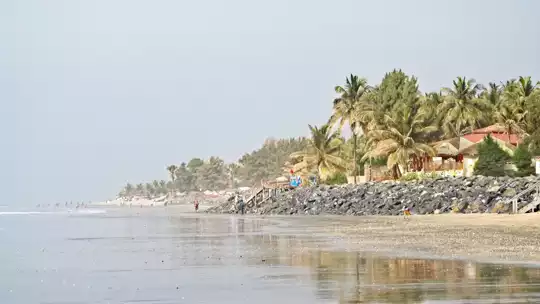
Everyone talks about Tendaba for the birds—those rare flashes of color along the Gambia River, binoculars fogging up in the morning heat. But if you’re only here for the checklist, you’ll miss the real draw: the slow, honest rhythm of riverside life, where the air smells faintly of woodsmoke and the day’s pace is set by the tides, not the clock. Tendaba sits in the heart of The Gambia, about halfway upcountry, a speck on the south bank where the tarmac gives way to dust and the river widens into a lazy, endless mirror. For backpackers, it’s less a destination than a hinge—perfect as a launchpad for boat trips into the mangroves or as a breather between the coast and the far east. The village itself is basic: a scattering of compounds, a couple of lodges, no real nightlife, and evenings that settle early with the sun. You’ll find more goats than travelers, but that’s the charm—conversations stretch out, and if you’re craving company, the riverside camp is your best bet for swapping stories over cold Julbrew. Costs are low, safety is solid, but don’t expect urban comforts or a buzzing scene. Compared to bustling Banjul or touristy Janjanbureh, Tendaba is quieter, more practical than pretty, and best for those who want to trade crowds for the hush of the river and the honest grit of the road.

Discover everything you want to know in the 📖 The Gambia Travel Guide.
Loading the map 🌍
CLICK TO FILTER
city
town
village
unique site
national park
hike
beach
attraction
festival
SHOW COUNTRY‘S BESTSHOW ALL

✨ Why go?
Ranked #5 village in The Gambia
Why Tendaba should be on your travel list

Tendaba is a backpacker’s waypoint in The Gambia, perfectly positioned for those seeking a blend of nature and culture. The town serves as a launchpad for nearby hikes in the lush wetlands, where the air is thick with the scent of earth and water. You’ll find small-scale hostels and guesthouses that foster a friendly atmosphere, making it easy to connect with fellow travelers. The walkable streets invite exploration, whether you’re hunting for local food stalls serving spicy domoda or sipping tea with locals.

Most backpackers linger here for a few days, soaking in the laid-back vibe and the chance to slow travel. It’s ideal for solo adventurers or small groups looking to share stories over a meal. While nightlife isn’t the draw, the social interactions and communal spaces make it feel alive. … read more 👉
Tendaba is a backpacker’s waypoint in The Gambia, perfectly positioned for those seeking a blend of nature and culture. The town serves as a launchpad for nearby hikes in the lush wetlands, where the air is thick with the scent of earth and water. You’ll find small-scale hostels and guesthouses that foster a friendly atmosphere, making it easy to connect with fellow travelers. The walkable streets invite exploration, whether you’re hunting for local food stalls serving spicy domoda or sipping tea with locals.

Most backpackers linger here for a few days, soaking in the laid-back vibe and the chance to slow travel. It’s ideal for solo adventurers or small groups looking to share stories over a meal. While nightlife isn’t the draw, the social interactions and communal spaces make it feel alive. If you’re after a genuine experience in The Gambia, Tendaba is a place to pause, recharge, and dive deeper into the local rhythm.
Get the complete Travel Guide for The Gambia
Everything organized for offline planning — routes, highlights, costs & tips

See what’s inside 👉

Get the Travel Guide -

💡 HighlightsThe experiences that define the visit

  • Tendaba Camp (riverside camp) — The village’s best-known hub for visitors. It’s where most boat safaris and birding trips launch, and staying or stopping here gives a real sense of riverside life plus easy access to local guides and community-run activities.
  • Tendaba boat landing / riverfront — A working stretch of riverbank where fishermen, canoes and motorboats come and go. Great for watching daily routines, taking a short boat trip, photographing river activity, or catching a fiery sunset over the Gambia River.
  • Village market — Small but lively; you’ll find fresh produce, local spices, household goods and occasional crafts. Market time is the best way to meet people and see commerce done the Gambian village way—barter, banter and all.
  • Main village mosque — Architecturally unpretentious
read more 👉
  • Tendaba Camp (riverside camp) — The village’s best-known hub for visitors. It’s where most boat safaris and birding trips launch, and staying or stopping here gives a real sense of riverside life plus easy access to local guides and community-run activities.
  • Tendaba boat landing / riverfront — A working stretch of riverbank where fishermen, canoes and motorboats come and go. Great for watching daily routines, taking a short boat trip, photographing river activity, or catching a fiery sunset over the Gambia River.
  • Village market — Small but lively; you’ll find fresh produce, local spices, household goods and occasional crafts. Market time is the best way to meet people and see commerce done the Gambian village way—barter, banter and all.
  • Main village mosque — Architecturally unpretentious but socially central. Visiting (respectfully, outside prayer times or by invitation) offers insight into daily rhythms, community gatherings, and local religious life.
  • Traditional family compounds / homestay visits — Walking through compounds or arranging a homestay gives a window into household life, cooking traditions, and local hospitality. Expect simple comforts and honest conversation; this is where Tendaba’s culture is lived, not staged.
  • Local school and community projects — The primary school is a real place to see village priorities in action. Short visits (with permission) show education efforts, and you’ll often find community-driven projects—garden plots, repair works—where visitors can learn what’s being done and how to help sensibly.
  • Mangrove fringe and riverside walks — The mangrove-lined creeks at the edge of the village are excellent for birding and low-impact nature walks. It’s a peaceful, living landscape that explains why communities and wildlife have depended on the river for generations.
  • Fish-smoking racks and landing operations — Traditional fish processing is a sensory experience: smoke, salt, and the rhythm of work. Watching (and buying) smoked fish shows an important local economy and foodway that’s rarely visible from tourist-only spots.
  • Women’s craft stalls / cooperative — Small-scale stalls or groups in Tendaba sell woven baskets, sewn goods and beaded items. Buying directly supports households and gives a chance to chat with artisans about materials and techniques.
  • Drumming, dance and storytelling sessions — Not a nightly show, but on market days, local events, or by arrangement you can hear traditional drumming, see dance and listen to oral histories. These performances are lived culture—participatory, social and often full of humor.
For short day trips from Tendaba, consider boat excursions up or down the Gambia River, a visit to Janjanbureh (Georgetown) on MacCarthy Island, and short rides to nearby riverine villages and mangrove creeks for more birding and local markets.
Spotted a mistake or missing something? Contact us.

⌛️ 1 dayA smart one-day plan

Tendaba, a small town in The Gambia, pulses with the rhythm of daily life, where the air is thick with the scent of grilled fish and the sounds of laughter echo through the streets. This isn’t just a stopover; it’s a chance to dive into the local culture and experience the warmth of its people.

Start your morning with a stroll along the riverbank. The sun rises slowly, casting a golden hue over the water, and you can catch fishermen casting their nets, their silhouettes framed against the dawn. Grab a breakfast of fresh bread and sweet tea from a local vendor. The bread is soft, and the tea has a hint of spice that wakes up your senses.

In the afternoon, head to the nearby Tendaba Camp, a spot often overlooked by tourists. Here, you can engage with local guides who share stories of the land … read more 👉
Tendaba, a small town in The Gambia, pulses with the rhythm of daily life, where the air is thick with the scent of grilled fish and the sounds of laughter echo through the streets. This isn’t just a stopover; it’s a chance to dive into the local culture and experience the warmth of its people.

Start your morning with a stroll along the riverbank. The sun rises slowly, casting a golden hue over the water, and you can catch fishermen casting their nets, their silhouettes framed against the dawn. Grab a breakfast of fresh bread and sweet tea from a local vendor. The bread is soft, and the tea has a hint of spice that wakes up your senses.

In the afternoon, head to the nearby Tendaba Camp, a spot often overlooked by tourists. Here, you can engage with local guides who share stories of the land and its wildlife. Take a canoe trip through the mangroves, where the air is rich with the earthy scent of mud and salt. Keep your eyes peeled for birds; the vibrant colors of kingfishers and the haunting calls of herons are a feast for the eyes and ears.

As evening approaches, return to the town and find a spot at a local eatery. The sun sets, painting the sky in shades of orange and pink, and the atmosphere buzzes with chatter. Enjoy a plate of domoda, a peanut stew that’s creamy and comforting, while the locals share their stories and laughter.

This day in Tendaba isn’t just about sights; it’s about connecting with the heart of The Gambia. Each moment, from the morning light to the evening warmth, weaves a tapestry of experience that lingers long after you leave.
Build the Right Itinerary
Use the Gambia Travel Guide’s 2, 3 & 5-day routes as a starting point to plan a trip that actually works on the ground.

Get the Travel Guide -

🌤️ When to go?Best time to visit Tendaba


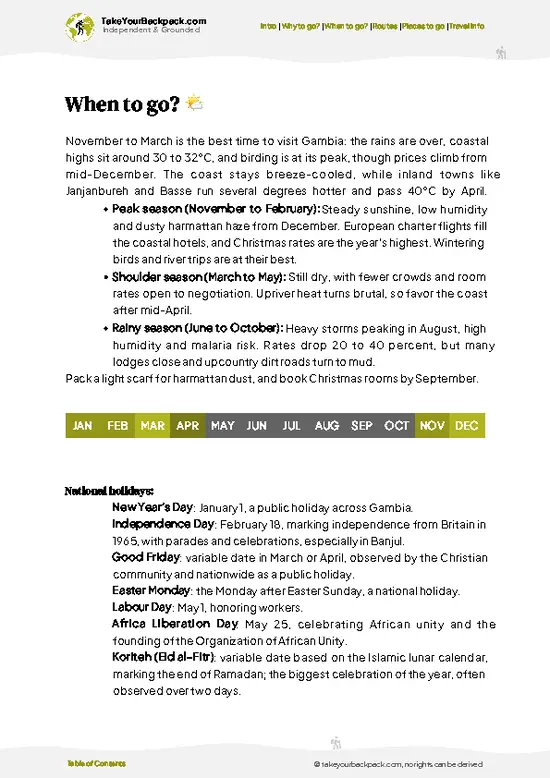
  • Weather: Tendaba’s dry season from November to May is your best bet. Expect clear skies and low humidity, making the air feel crisp and the river breeze refreshing. The rainy season (June to October) brings heavy downpours that can turn trails muddy and unpredictable.

  • Temperature: Daytime highs hover around 28-32°C (82-90°F) in the dry months, perfect for trekking without overheating. Nights cool down to about 18-22°C (64-72°F), ideal for camping under stars. The wet season spikes humidity and daytime temps can feel sticky and oppressive.

  • Daylight Hours: Tendaba enjoys roughly 11-12 hours of daylight year-round, but the dry season’s clearer skies mean you get more usable daylight for exploring without the threat of sudden storms.

  • Crowds: The dry season draws more visitors, especially
read more 👉

  • Weather: Tendaba’s dry season from November to May is your best bet. Expect clear skies and low humidity, making the air feel crisp and the river breeze refreshing. The rainy season (June to October) brings heavy downpours that can turn trails muddy and unpredictable.

  • Temperature: Daytime highs hover around 28-32°C (82-90°F) in the dry months, perfect for trekking without overheating. Nights cool down to about 18-22°C (64-72°F), ideal for camping under stars. The wet season spikes humidity and daytime temps can feel sticky and oppressive.

  • Daylight Hours: Tendaba enjoys roughly 11-12 hours of daylight year-round, but the dry season’s clearer skies mean you get more usable daylight for exploring without the threat of sudden storms.

  • Crowds: The dry season draws more visitors, especially from December to February, but Tendaba remains laid-back. The wet season sees fewer travelers, offering solitude but with the trade-off of less predictable conditions.

  • Seasonal Activities: Dry months are prime for river safaris and birdwatching when animals gather near water. The wet season transforms the landscape into lush green, great for photography but less reliable for wildlife spotting.

  • Price Fluctuations: Expect higher prices during peak dry season due to demand, especially around holidays. The wet season offers better deals on lodging and tours but comes with the risk of disrupted plans.


Pro-tip: Aim for late November or early December—when the air is fresh, the crowds are manageable, and the river hums with life—so you get the best of Tendaba without the hassle.


source: climatestotravel.comJANJanuary: excellent for travelingFEBFebruary: excellent for travelingMARMarch: highly recommended for travelingAPRApril: highly recommended for travelingMAYMay: good for travelingJUNJune: fair for travelingJULJuly: fair for travelingAUGAugust: fair for travelingSEPSeptember: fair for travelingOCTOctober: fair for travelingNOVNovember: highly recommended for travelingDECDecember: excellent for traveling
when-to-go

✈️ The backpacker research shortcutThe Gambia Travel Guide

An offline-friendly backpacking guide with optimized travel routes, ranked highlights, transport advice, and the best areas to stay.
example page 0 from our offline Travel Guide for Gambiaexample page 1 from our offline Travel Guide for Gambiaexample page 2 from our offline Travel Guide for Gambiaexample page 3 from our offline Travel Guide for Gambiaexample page 4 from our offline Travel Guide for Gambiaexample page 5 from our offline Travel Guide for Gambia
The digital guide (204 pages) contains:
56 highlights, ranked by travel appeal
Optimized 2, 3 & 5-day travel routes
Best neighborhoods to stay
How to get around
Offline-friendly for travel without Wi-Fi
👉 See all 30+ guide features

📅 Plan smarter in minutes, not weeks
Month by month travel advice
Festivals & national holidays
Budget expectations

🗺️ Go to the right places, skip the overrated ones
Honest pros & cons of destinations
Top hikes, parks & viewpoints
Lesser-known places most travelers miss
Clear “worth it vs skip it” guidance

🛏️ Travel smoothly without rookie mistakes
Best areas to stay
Transport systems explained simply
Common scams & safety advice
SIM cards, money & practical tips

🌍 Understand the country, not just visit it
Culture & traditions
52 Essential phrases & customs
Festivals worth planning around
Traveler-friendly historical context
Insights that make places more meaningful

📱 Built for real travel conditions
Fully downloadable PDF
Works completely offline
Optimized for phone use
Useful in remote areas & buses
Everything in one place
Save weeks of stressful planning
Get instant access to the full guide directly. 30-day money-back guarantee.


Sent to your inbox immediately after payment • 100% Secure Checkout
Best Backpacking Travel Advisor 2025 tourism awardBest Backpacking
Travel Advisor
2025
What others say about Take Your Backpack Guides:
⭐⭐⭐⭐⭐
Fantastic, amazing amount of information!
⭐⭐⭐⭐⭐
My goodness this is amazing, it's what I've been looking for hats off too you!
⭐⭐⭐⭐⭐
I think this is absolutely BRILLIANT
⭐⭐⭐⭐
Very complete and informative. It's still missing places, but I gotta to commend you
⭐⭐⭐⭐⭐
This is truly amazing, thank you, can't wait to explore it with my kids!
⭐⭐⭐⭐⭐
Awesome resource, thank you!
⭐⭐⭐⭐⭐
This is amazing! Can't wait to explore the ones I haven't seen
⭐⭐⭐⭐
I love this! Well done, great idea.
⭐⭐⭐⭐⭐
Thanks for taking the time to make this gem!
⭐⭐⭐⭐⭐
This might be the best website I've ever seen.
⭐⭐⭐⭐⭐
Congratulations, and thank you so much for your work; it's incredibly valuable.
⭐⭐⭐⭐
In all seriousness I think you did a great job pointing out the important spots
⭐⭐⭐⭐⭐
10/10 very good
⭐⭐⭐⭐⭐
As someone who's only just starting to visit regularly this is awesome, thank you.
⭐⭐⭐⭐
Thank you very much! I'm going to visit my dad, it's going to be very useful!
⭐⭐⭐⭐⭐
This is really cool! We'll be travelling for the first time and this definitely come in handy.
⭐⭐⭐⭐⭐
You are now our minister of culture, congratulations 👨‍💼
⭐⭐⭐⭐⭐
Just wanted to tell you that this is a pearl! Going to follow your recommendations.
⭐⭐⭐⭐⭐
This is so cool. I'll definitely be using the resource for my travels soon.
⭐⭐⭐⭐⭐
This is very impressive! Good work.
⭐⭐⭐⭐⭐
This is an amazing and informative site. Very well done!

🛏️ Where to stay?Choosing the right base

Tendaba’s real draw for backpackers lies along the riverfront and the nearby village clusters just outside the main town center. This stretch hums with a laid-back energy that’s rare in The Gambia’s more touristy spots. The air here carries the earthy scent of the river mixed with wood smoke from local fires, grounding you in a rhythm that’s both calming and alive.

Staying close to the river means easy access to community-run hostels and guesthouses where the vibe is social without being overwhelming. You’ll find fellow travelers swapping stories over shared meals, and locals who are genuinely … read more 👉
Tendaba’s real draw for backpackers lies along the riverfront and the nearby village clusters just outside the main town center. This stretch hums with a laid-back energy that’s rare in The Gambia’s more touristy spots. The air here carries the earthy scent of the river mixed with wood smoke from local fires, grounding you in a rhythm that’s both calming and alive.

Staying close to the river means easy access to community-run hostels and guesthouses where the vibe is social without being overwhelming. You’ll find fellow travelers swapping stories over shared meals, and locals who are genuinely curious and welcoming. This area is safer and more relaxed than the busier market zones, which can feel chaotic and less secure after dark.

Compared to the town’s center, where noise and traffic dominate, the riverfront neighborhoods offer a quieter, more authentic experience. The paths here are dirt and sand, not paved, so pack good shoes and embrace the slower pace. This is where you tap into the real pulse of Tendaba—simple, warm, and perfectly suited for budget travelers who want connection over convenience.

🚌 Getting aroundMoving around without the hassle

Tendaba moves at the pace of the river that skirts it—steady, unhurried, and shaped by the rhythms of daily life rather than strict timetables. The sun casts long shadows over dusty streets where locals navigate by instinct and familiarity, not by clocks. This isn’t a place where you’ll find rigid schedules or polished transit hubs. Instead, transport here feels like a dance of improvisation, where knowing when to show up and where to stand can save you hours or turn a simple trip into a drawn-out ordeal. The air carries the scent of salt and earth, and the soundscape is punctuated by the calls of vendors and the occasional engine roar, reminding you that even in its laid-back flow, Tendaba is alive with movement.


  • Walking: The most reliable and immersive way to get around Tendaba. Streets
read more 👉
Tendaba moves at the pace of the river that skirts it—steady, unhurried, and shaped by the rhythms of daily life rather than strict timetables. The sun casts long shadows over dusty streets where locals navigate by instinct and familiarity, not by clocks. This isn’t a place where you’ll find rigid schedules or polished transit hubs. Instead, transport here feels like a dance of improvisation, where knowing when to show up and where to stand can save you hours or turn a simple trip into a drawn-out ordeal. The air carries the scent of salt and earth, and the soundscape is punctuated by the calls of vendors and the occasional engine roar, reminding you that even in its laid-back flow, Tendaba is alive with movement.


  • Walking: The most reliable and immersive way to get around Tendaba. Streets are compact and mostly flat, so you can cover most of the town on foot within 30 minutes. Walking lets you catch the scent of fresh fish from the market and the chatter of locals, making every step part of the experience.


  • Shared Taxis: These are minibuses or cars that run on flexible routes, often leaving only when full. They operate roughly from 6 AM to 7 PM. Fares are cheap—usually under 100 Dalasi—but expect cramped seating and frequent stops. Perfect if you want to cover longer distances without breaking the bank, but patience is key.


  • Motorbike Taxis (Okadas): Quick and nimble, these are your go-to for short hops or when time is tight. They run all day and into the early evening, charging around 50-70 Dalasi per ride depending on distance. Hold on tight—the ride is bumpy, and the drivers weave through traffic with a fearless confidence that’s part thrill, part necessity.


  • Bicycle Rentals: For the budget traveler who wants a bit more control and speed, renting a bicycle is a smart move. Rates hover around 200 Dalasi per day. The roads can be uneven, so a sturdy bike is essential. Early mornings and late afternoons offer the best light and cooler temperatures for pedaling.


  • River Boats: Tendaba’s location on the Gambia River means boats are more than just scenic—they’re practical. Small motorized boats connect Tendaba with nearby villages and fishing spots. Departure times are irregular and depend on demand, so flexibility is a must. Fares vary but expect around 150-200 Dalasi. The ride offers a refreshing breeze and a unique vantage point on the town’s layout.

👛 Costs (as of 11 February 2025)How expensive it really is

Backpacking in Tendaba, The Gambia, offers a raw, authentic experience with costs that reflect its laid-back, rural vibe. Here’s what you can expect to spend daily:
  • Dorm Accommodation: Expect to pay around €8 to €15 per night for a basic dorm bed. Tendaba’s guesthouses and eco-lodges keep it simple—think mosquito nets, shared bathrooms, and a fan or two. It’s not luxury, but it’s clean and functional, perfect for resting after a day in the sun.
  • Meals: Local meals run about €3 to €6 each. Street food and small local eateries serve up hearty, flavorful dishes like domoda (peanut stew) or grilled fish with rice. Fresh fruit and juices are cheap and refreshing, often under €1.50. If you want a Western-style meal or a beer, expect to pay a bit more, around €5 to €8.
  • Local Transport: Getting
read more 👉
Backpacking in Tendaba, The Gambia, offers a raw, authentic experience with costs that reflect its laid-back, rural vibe. Here’s what you can expect to spend daily:
  • Dorm Accommodation: Expect to pay around €8 to €15 per night for a basic dorm bed. Tendaba’s guesthouses and eco-lodges keep it simple—think mosquito nets, shared bathrooms, and a fan or two. It’s not luxury, but it’s clean and functional, perfect for resting after a day in the sun.
  • Meals: Local meals run about €3 to €6 each. Street food and small local eateries serve up hearty, flavorful dishes like domoda (peanut stew) or grilled fish with rice. Fresh fruit and juices are cheap and refreshing, often under €1.50. If you want a Western-style meal or a beer, expect to pay a bit more, around €5 to €8.
  • Local Transport: Getting around Tendaba and nearby villages usually means shared taxis or bush taxis, costing roughly €1 to €3 per trip. If you’re heading to the river or nearby attractions, budget a bit extra for boat rides or private taxis, which can run €5 to €10 depending on distance.
  • Basic Activities/Entry Fees: Many natural attractions, like river excursions or village tours, have modest fees around €2 to €5. Guided birdwatching or cultural tours might be closer to €10 to €15, but these are worth it for the insight and access you gain.
  • Miscellaneous Expenses: This covers essentials like bottled water (€0.50), snacks, tips, or small souvenirs. Budget around €2 to €4 daily here to stay comfortable and avoid surprises.

All told, a realistic daily budget for backpacking in Tendaba ranges from about €16 on a tight, no-frills day to €40 if you lean into guided activities and occasional comforts. This balance lets you soak in the atmosphere without breaking the bank, making every moment feel earned.


source: visitthegambia.gm
⚠️ Prices can change and everyone travels differently, so take this as a rough guide. Hope it helps you plan your adventure!

🚌 Day tripsWhere to go beyond the main area

Tendaba is a fantastic base for exploring the rich tapestry of The Gambia. With its laid-back vibe and proximity to natural wonders, you can dive into unforgettable day trips that reveal the heart of this vibrant country.

1. Kiang West National Park
Just a short ride from Tendaba, Kiang West is a paradise for birdwatchers and nature lovers. The park is home to over 300 bird species, and the air is filled with their calls. You can hike through the lush trails, where the scent of wet earth mingles with the sweet aroma of wildflowers. Expect to spend about 30 minutes getting there, and entry fees are minimal—around 50 dalasi. The best time to visit is during the dry season, from November to April, when the wildlife is most active. A common mistake? Many first-timers rush through without a … read more 👉
Tendaba is a fantastic base for exploring the rich tapestry of The Gambia. With its laid-back vibe and proximity to natural wonders, you can dive into unforgettable day trips that reveal the heart of this vibrant country.

1. Kiang West National Park
Just a short ride from Tendaba, Kiang West is a paradise for birdwatchers and nature lovers. The park is home to over 300 bird species, and the air is filled with their calls. You can hike through the lush trails, where the scent of wet earth mingles with the sweet aroma of wildflowers. Expect to spend about 30 minutes getting there, and entry fees are minimal—around 50 dalasi. The best time to visit is during the dry season, from November to April, when the wildlife is most active. A common mistake? Many first-timers rush through without a guide; having one can unlock hidden spots and stories that enrich your experience.
👉 Explore Kiang West National Park

2. Janjanbureh (formerly Georgetown)
This historic town is a 1.5-hour journey from Tendaba, and it’s well worth the trip. The river views are stunning, especially at sunrise when the mist dances over the water. You can explore the colonial architecture and visit the local market, where the scent of spices fills the air. Budget around 100 dalasi for transport and a few more for snacks. The best time to go is early morning to beat the heat and catch the locals in action. A rookie mistake? Not taking the ferry ride across the river; it’s a unique way to experience the area.
👉 Explore Janjanbureh

3. Banjul
A day in the capital, Banjul, offers a mix of culture and history. It’s about a 2-hour trip, and you’ll find the vibrant markets and the National Museum waiting for you. The hustle and bustle are palpable, with the scent of grilled fish wafting through the streets. Expect to spend around 150 dalasi on transport. The best time to visit is during the morning when the markets are lively. Many backpackers overlook the local food stalls; don’t miss out on trying the benachin (jollof rice) for an authentic taste.
👉 Explore Banjul

4. River Gambia National Park
This park is a bit further, about 2.5 hours away, but the journey is scenic, with the river glistening under the sun. The park is famous for its chimpanzee sanctuary, where you can see these incredible creatures up close. Entry fees are around 100 dalasi, and it’s best to visit in the cooler months. A common oversight is not planning for the boat ride; it’s essential for reaching the sanctuary and adds a layer of adventure to your trip.
👉 Explore River Gambia National Park
Want to know what more The Gambia offers?
The Gambia Travel Guide describes 56 highlights, from cities to national parks, from beaches to hikes

Get the Travel Guide -

🛡️ SafetySafety Tips and Common Scams in Tendaba

Tendaba is generally safe, but a few practical tips can enhance your experience. The town’s vibe is laid-back, yet it’s wise to stay aware, especially around the bustling market areas. Keep your belongings close; petty theft can happen when you least expect it.

If you’re traveling solo, avoid wandering too far after dark. The streets can feel quiet, and while locals are friendly, it’s best to stick to well-lit areas.

Watch for common scams, like overly eager guides offering unsolicited help. A polite but firm “no, thank you” usually suffices.

Annoyances can include persistent vendors, but a smile and a clear “not today” can help you navigate those moments. Carry yourself confidently, and you’ll blend in seamlessly, enjoying the rich culture without unnecessary hassle.

Other Gambian villages near Tendaba

Explore more nearby:

  • Juffureh—Roots heritage, riverside village, Kunta Kinteh Island access| 61 km away
  • Kerr Serign—expat enclave, guesthouses, sandy lanes| 99 km away

👉 Discover all villages

Or checkout all The Gambia has to offer (think cities, towns, villages, national parks, hikes, beaches, festivals)
Country photo of The Gambia

We 💚 feedbackFinal thoughts on visiting Tendaba

Tendaba has a rhythm all its own. The air is thick with the scent of palm oil and the sounds of laughter from locals. You’ll find the best surprise in the evening, when the sunset paints the river in hues of orange and pink—grab a cold Julbrew and soak it in. Just a heads-up: the roads can be rough, so take your time. Embrace the journey; it’s all part of the experience in The Gambia.

✍️ Help improve this page!
The information on this page is based on in-depth research, insights shared by experienced travelers, and feedback from the local travel community in The Gambia. While every effort is made to keep the information accurate and current, conditions can change — so if you spot anything incorrect or outdated, please get in touch.


🙋‍♂️ Give feedback

👋 Meet the founderWho’s Behind Take Your Backpack?

Johan, backpacker and founder of TakeYourBackpackHi, I’m Johan (Netherlands 🇳🇱), the creator of TakeYourBackpack. Over the past decade, I’ve backpacked through 80+ countries across six continents, gaining extensive experience with independent travel, long-term trips, and overland routes.

This site is built on a combination of firsthand travel experience and carefully curated insights from other backpackers. Many guides are based on places I’ve personally visited, while others bring together tips, observations, and practical advice shared by trusted travelers I’ve met along the way.

The goal is to provide realistic, experience-driven guidance — not generic itineraries — so you can explore destinations with better context, clearer expectations, and more confidence.

Get Full Country Guide |
Instant download • 56 highlights • Full Offline guide