×

Georgia🇬🇪 | attractionsGeorgian National Museumarchaeological treasures, Soviet-era exhibits, natural history | things to do and best time to go

Explore Tbilisi Sulfur BathsExplore Tbilisi Opera and Ballet State Theatre

Backpacking in Georgian National Museum
👌 Worth visitingattraction ranked #8
By Johan Kruseman 🇳🇱 | Updated October 15, 2026

A cold, metallic tang hits your nose as you step into the dim-lit treasury room—golden artifacts glint behind glass, older than most countries, and the hush is so thick you can hear your own heartbeat. The Georgian National Museum sits right in the heart of Tbilisi, a stone’s throw from the city’s chaos but a world apart in mood. Here’s the truth: you won’t get the Instagram-perfect solitude. School groups swarm the dinosaur skeletons, and the ticket price is a notch above what you’ll pay for most things in Georgia. But if you want to feel the weight of centuries—real, tangible history, not just pretty facades—this is where Georgia’s soul is archived. Skip the museum if you’re only after selfies; stay if you want to understand why this country is more than just khinkali and mountain views.

Discover everything you want to know in the 📖 Georgia Travel Guide.


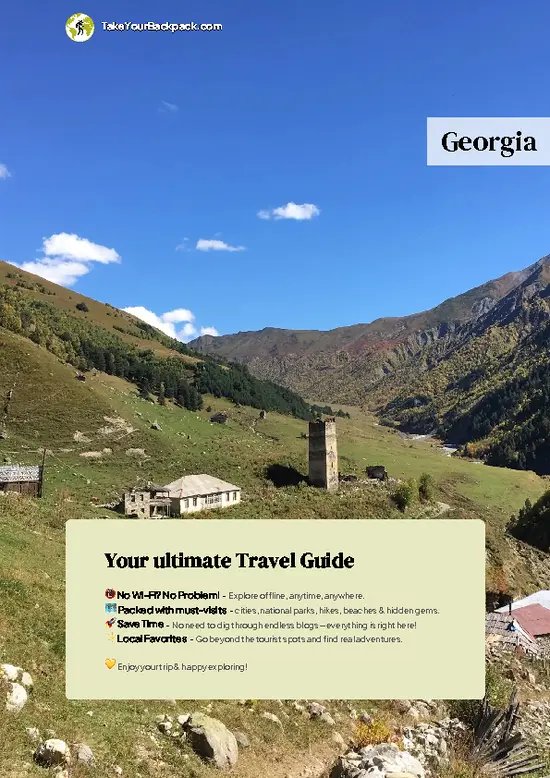
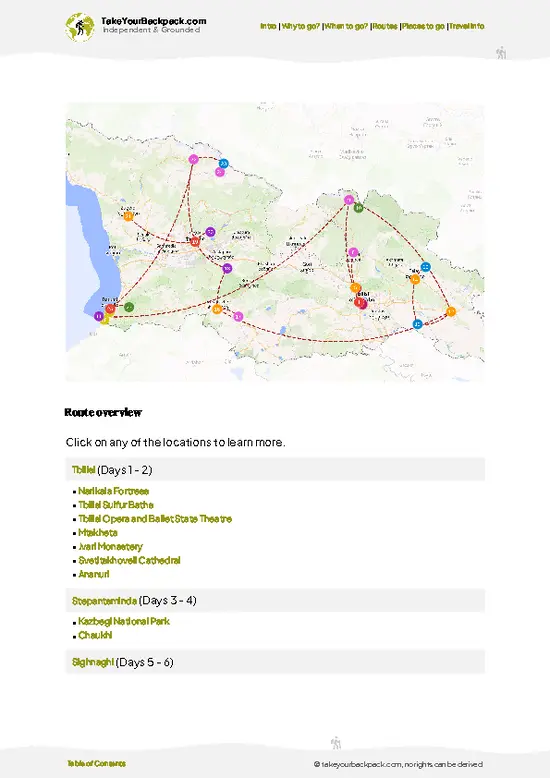
example page 0 from our offline Travel Guide for Georgia
example page 1 from our offline Travel Guide for Georgia
example page 2 from our offline Travel Guide for Georgia
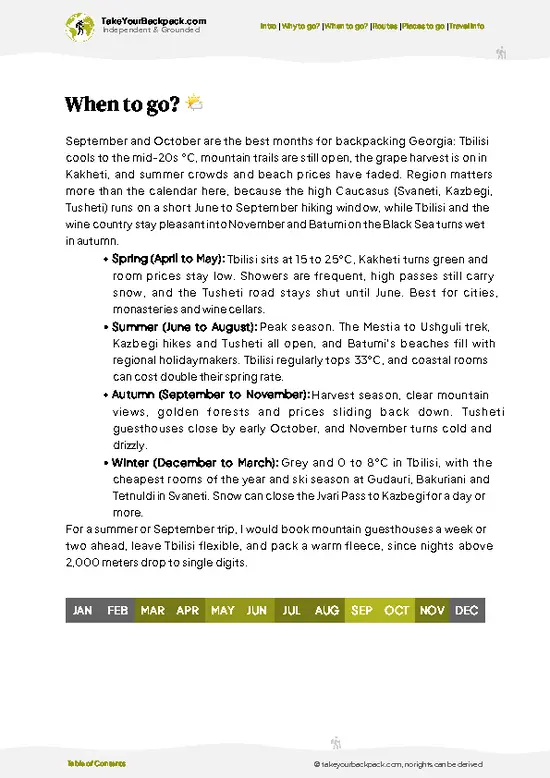
example page 3 from our offline Travel Guide for Georgia
example page 4 from our offline Travel Guide for Georgia
example page 5 from our offline Travel Guide for Georgia
example page 6 from our offline Travel Guide for Georgia
example page 7 from our offline Travel Guide for Georgia
Loading the map 🌍
CLICK TO FILTER
cities
towns
villages
landmarks
national parks
hikes
beaches
attractions
festivals
regions
SHOW COUNTRY’S BESTSHOW ALL

✨ Why go?
Ranked #8 attraction in Georgia
What makes it a must-see attraction

The Georgian National Museum isn’t just another stop on the tourist checklist—it’s a raw, unfiltered dive into the soul of Georgia. Sure, it can get busy, especially during peak season, and the entrance fee isn’t dirt cheap by local standards. But here’s the kicker: this place packs a punch that justifies every minute and every lari. You’re not just looking at dusty relics; you’re stepping into a timeline that stretches from ancient civilizations to Soviet shadows, all under one roof. The museum’s collection is a masterclass in cultural depth—think prehistoric tools, medieval frescoes, and priceless artifacts that tell stories no Instagram post can capture. For backpackers threading through Georgia, it’s a milestone that connects the dots between history and the present, grounding your journey … read more 👉
The Georgian National Museum isn’t just another stop on the tourist checklist—it’s a raw, unfiltered dive into the soul of Georgia. Sure, it can get busy, especially during peak season, and the entrance fee isn’t dirt cheap by local standards. But here’s the kicker: this place packs a punch that justifies every minute and every lari. You’re not just looking at dusty relics; you’re stepping into a timeline that stretches from ancient civilizations to Soviet shadows, all under one roof. The museum’s collection is a masterclass in cultural depth—think prehistoric tools, medieval frescoes, and priceless artifacts that tell stories no Instagram post can capture. For backpackers threading through Georgia, it’s a milestone that connects the dots between history and the present, grounding your journey in something real and substantial. If you want to understand Georgia beyond the surface, this museum is your no-nonsense gateway.

💡 HighlightsPlaces and moments you shouldn't skip

The Treasury of Colchian Gold
Forget the Instagram shots of generic museum corridors—this is the real jackpot. The Treasury is a dark, climate-controlled room that glows with ancient gold jewelry, coins, and ritual objects, some dating back to the 3rd millennium BCE. These aren’t just pretty trinkets; they’re the physical proof that Georgia was a crossroads of civilization when most of Europe was still figuring out farming. The craftsmanship is so intricate you’ll catch yourself squinting, trying to decode the stories in every spiral and filigree. If you want to feel the weight of history in your bones, this is the room.


The Soviet Occupation Hall
No sugarcoating here: this exhibit is a gut punch. Stark, unflinching, and absolutely necessary, it documents the decades of Soviet repression with … read more 👉
The Treasury of Colchian Gold
Forget the Instagram shots of generic museum corridors—this is the real jackpot. The Treasury is a dark, climate-controlled room that glows with ancient gold jewelry, coins, and ritual objects, some dating back to the 3rd millennium BCE. These aren’t just pretty trinkets; they’re the physical proof that Georgia was a crossroads of civilization when most of Europe was still figuring out farming. The craftsmanship is so intricate you’ll catch yourself squinting, trying to decode the stories in every spiral and filigree. If you want to feel the weight of history in your bones, this is the room.


The Soviet Occupation Hall
No sugarcoating here: this exhibit is a gut punch. Stark, unflinching, and absolutely necessary, it documents the decades of Soviet repression with photographs, personal letters, and chilling artifacts. You’ll see the faces of those who vanished, the propaganda that tried to erase them, and the resistance that refused to die. It’s not “fun,” but it’s riveting, and it’s the kind of honesty that makes the rest of the museum’s treasures feel earned.


The Archaeological Finds of Dmanisi
Georgia’s not just old—it’s proto-human old. The Dmanisi exhibit showcases skulls and tools from some of the earliest human ancestors found outside Africa. These 1.8-million-year-old fossils are a direct challenge to the Eurocentric story of human migration. The display is compact but dense with meaning: you’re staring at the faces of humanity’s first travelers.


Georgian Ethnography and Folk Art
Skip the tourist shops—this is where you see the real soul of Georgia. The museum’s folk art collection is a riot of color and texture: handwoven carpets, carved wooden icons, and traditional costumes that look ready for a supra (feast). It’s not sanitized for export; it’s messy, proud, and alive with the energy of a culture that’s survived everything history could throw at it.


Personal Favorite: The Treasury of Colchian Gold
I’ve seen gold in museums from Cairo to Cusco, but nothing hits like the Colchian hoard. It’s not just the shimmer—it’s the sense of standing in the same spot as ancient kings and queens, holding the same dreams of beauty and power. If you only have time for one room, make it this one.
Spotted a mistake or missing something? Contact us.

Things to do around Georgian National Museum

Ratings based on Tripadvisor reviews. When you book through this link, you support our work at no extra cost to you.

🌤️ When to go?Best time to visit Georgian National Museum

  • Topic: Weather and Temperature - The best window is late spring (May to June) and early autumn (September to October). Expect mild, pleasant days around 18-24°C (64-75°F), perfect for wandering without sweating buckets or freezing your fingers off. Summers can spike to 30°C+ (86°F+), making indoor museum time a sweaty chore.
  • Topic: Daylight Hours - From May through September, you get long days stretching up to 15 hours of daylight, giving you plenty of time to explore the museum and nearby sites without rushing. Winters shrink daylight to about 9 hours, which can feel cramped for sightseeing.
  • Topic: Crowds - Peak tourist season hits July and August, so expect packed galleries and higher prices. Visiting in shoulder seasons like May or October means fewer tourists, letting you soak in exhibits
… read more 👉
  • Topic: Weather and Temperature - The best window is late spring (May to June) and early autumn (September to October). Expect mild, pleasant days around 18-24°C (64-75°F), perfect for wandering without sweating buckets or freezing your fingers off. Summers can spike to 30°C+ (86°F+), making indoor museum time a sweaty chore.
  • Topic: Daylight Hours - From May through September, you get long days stretching up to 15 hours of daylight, giving you plenty of time to explore the museum and nearby sites without rushing. Winters shrink daylight to about 9 hours, which can feel cramped for sightseeing.
  • Topic: Crowds - Peak tourist season hits July and August, so expect packed galleries and higher prices. Visiting in shoulder seasons like May or October means fewer tourists, letting you soak in exhibits without elbowing through selfie sticks.
  • Topic: Seasonal Activities - Spring and autumn bring cultural festivals and temporary exhibitions that add layers to your visit. Winter is quieter but offers a cozy vibe if you’re into off-season solitude and cheaper stays.
  • Topic: Price Fluctuations - Accommodation and flights peak in summer, especially July and August. Booking in shoulder months can save you 20-30%, freeing up cash for extra museum tickets or local eats.
Pro-tip: Aim for May or September to dodge crowds, enjoy mild weather, and catch special exhibits without the summer price gouge.


source: climatestotravel.comJANJanuary: fair for travelingFEBFebruary: fair for travelingMARMarch: good for travelingAPRApril: good for travelingMAYMay: excellent for travelingJUNJune: excellent for travelingJULJuly: good for travelingAUGAugust: good for travelingSEPSeptember: excellent for travelingOCTOctober: excellent for travelingNOVNovember: good for travelingDECDecember: fair for traveling
when-to-go

✈️ The backpacker research shortcutGeorgia Travel Guide

An offline-friendly backpacking guide with optimized travel routes, ranked highlights, transport advice, and the best areas to stay.
example page 0 from our offline Travel Guide for Georgia
example page 1 from our offline Travel Guide for Georgia
example page 2 from our offline Travel Guide for Georgia
example page 3 from our offline Travel Guide for Georgia
example page 4 from our offline Travel Guide for Georgia
example page 5 from our offline Travel Guide for Georgia
example page 6 from our offline Travel Guide for Georgia
example page 7 from our offline Travel Guide for Georgia
The digital guide (350 pages) contains:
✅ 89 highlights, ranked by travel appeal
✅ Optimized 5, 10 & 15-day travel routes
✅ Cities, national parks, landmarks, beaches
✅ How to get around
✅ Offline-friendly for travel without Wi-Fi
👉 Click to see all 30+ guide features

📅 Plan smarter in minutes, not weeks
✅ Month by month travel advice
✅ Festivals & national holidays
✅ Budget expectations

🗺️ Go to the right places, skip the overrated ones
✅ Honest pros & cons of destinations
✅ Top hikes, parks & viewpoints
✅ Lesser-known places most travelers miss
✅ Clear “worth it vs skip it” guidance

🛏️ Travel smoothly without rookie mistakes
✅ Best areas to stay
✅ Transport systems explained simply
✅ Common scams & safety advice
✅ SIM cards, money & practical tips

🌍 Understand the country, not just visit it
✅ Culture & traditions
✅ 52 Essential phrases & customs
✅ Festivals worth planning around
✅ Traveler-friendly historical context
✅ Insights that make places more meaningful

📱 Built for real travel conditions
✅ Fully downloadable PDF
✅ Works completely offline
✅ Optimized for phone use
✅ Useful in remote areas & buses
✅ Everything in one place
Stop searching, start planning
Get instant access to your full guide. 30‑day money-back guarantee.
+ Add another guide for just

By proceeding you agree to our terms.
Sent to your inbox immediately after payment • 100% Secure Checkout
Best Backpacking Travel Advisor 2025 tourism awardBest Backpacking
Travel Advisor
2025
What others say about Take Your Backpack Guides:
⭐⭐⭐⭐⭐
Fantastic, amazing amount of information!
⭐⭐⭐⭐⭐
My goodness this is amazing, it's what I've been looking for hats off too you!
⭐⭐⭐⭐⭐
I think this is absolutely BRILLIANT
⭐⭐⭐⭐
Very complete and informative. It's still missing places, but I gotta to commend you
⭐⭐⭐⭐⭐
This is truly amazing, thank you, can't wait to explore it with my kids!
⭐⭐⭐⭐⭐
Awesome resource, thank you!
⭐⭐⭐⭐⭐
This is amazing! Can't wait to explore the ones I haven't seen
⭐⭐⭐⭐
I love this! Well done, great idea.
⭐⭐⭐⭐⭐
Thanks for taking the time to make this gem!
⭐⭐⭐⭐⭐
This might be the best website I've ever seen.
⭐⭐⭐⭐⭐
Congratulations, and thank you so much for your work; it's incredibly valuable.
⭐⭐⭐⭐
In all seriousness I think you did a great job pointing out the important spots
⭐⭐⭐⭐⭐
10/10 very good
⭐⭐⭐⭐⭐
As someone who's only just starting to visit regularly this is awesome, thank you.
⭐⭐⭐⭐
Thank you very much! I'm going to visit my dad, it's going to be very useful!
⭐⭐⭐⭐⭐
This is really cool! We'll be travelling for the first time and this definitely come in handy.
⭐⭐⭐⭐⭐
You are now our minister of culture, congratulations 👨‍💼
⭐⭐⭐⭐⭐
Just wanted to tell you that this is a pearl! Going to follow your recommendations.
⭐⭐⭐⭐⭐
This is so cool. I'll definitely be using the resource for my travels soon.
⭐⭐⭐⭐⭐
This is very impressive! Good work.
⭐⭐⭐⭐⭐
This is an amazing and informative site. Very well done!

🛏️ Where to stay?Best areas and accommodation options

The Georgian National Museum sits smack in the heart of Tbilisi, and if you’re aiming to soak up the city’s pulse without selling your soul to pricey hotels, the Old Town (Altstadt) is your go-to. Yes, it’s touristy and can get crowded, especially around the museum, but that’s where the energy is—street musicians, late-night cafes, and a mix of locals and travelers swapping stories over cheap wine. It’s safe, walkable, and packed with budget-friendly spots where you can crash and meet fellow backpackers.

If you want to dodge the busiest streets but stay close, the Vera neighborhood is a solid … read more 👉
The Georgian National Museum sits smack in the heart of Tbilisi, and if you’re aiming to soak up the city’s pulse without selling your soul to pricey hotels, the Old Town (Altstadt) is your go-to. Yes, it’s touristy and can get crowded, especially around the museum, but that’s where the energy is—street musicians, late-night cafes, and a mix of locals and travelers swapping stories over cheap wine. It’s safe, walkable, and packed with budget-friendly spots where you can crash and meet fellow backpackers.

If you want to dodge the busiest streets but stay close, the Vera neighborhood is a solid bet. It’s quieter, with leafy streets and a more local vibe, yet just a short walk or quick metro ride from the museum. Vera’s got a handful of cozy guesthouses and small hostels that attract solo travelers looking for a chill, social atmosphere without the tourist circus.

Both areas give you the real Tbilisi experience—no sugarcoating, just authentic city life with easy access to the museum and beyond.

👛 Costs (as of 15 October 2026)Typical daily expenses

The entrance fee to the Georgian National Museum typically ranges from $5 to $10 USD. Additional costs may include guided tours or special exhibitions, which can add around $5 more. Overall, expect to spend between $5 and $15 USD for a full visit.

source: georgia.travel
⚠️ Prices can change and everyone travels differently, so take this as a rough guide. Hope it helps you plan your adventure!

FAQFrequently asked questions about Georgian National Museum

2 to 3 hours is sufficient to visit the Georgian National Museum to see its main exhibits. The museum covers a wide range of Georgian history and archaeology, so allocate extra time if you want to explore in depth. It is best to plan your visit during regular opening hours, typically 10 AM to 6 PM.
Yes, the Georgian National Museum is worth the entrance fee, which is around 10 GEL (Georgian Lari). The museum offers a comprehensive overview of Georgia's rich cultural heritage, including ancient artifacts and medieval treasures. It provides good value for history enthusiasts and backpackers interested in the region.
The Georgian National Museum is located in Tbilisi, near Rustaveli Avenue. You can reach it by taking any bus or metro line that stops at Rustaveli station, which is within walking distance. Taxis are also affordable and convenient for direct access.
⚠️ Things can change over time, so always validate details locally before you go.

Other Georgian attractions near Georgian National Museum

Explore more nearby:


💡 Not sure where to go next?
Create a personalized itinerary for Georgia including Georgian National Museum and the places that fit your trip.

Generate my itinerary

👉 Discover all attractions

Or checkout all Georgia has to offer (think cities, towns, villages, national parks, hikes, beaches, festivals)
Country photo of Georgia

We 💚 feedbackFinal thoughts on visiting Georgian National Museum

The Georgian National Museum isn’t just a building full of dusty relics—it’s where you feel the pulse of Georgia’s wild history, from ancient gold to Soviet shadows. But heads up: it can get crowded, especially on weekends, which dulls the vibe a bit. Still, if you want to grasp Georgia beyond the clichés, this place delivers a raw, unfiltered look that no Instagram post can match.

✈️ When did I visit Georgia?
It was September 2018 when I visited Georgia, starting in Tbilisi and making my way up to the mountains.

✍️ Help improve this page!
The information on this page is based on my own backpacking experience in Georgia, supplemented with up-to-date research and feedback from other travelers. Travel details can change, so if you notice anything outdated or incomplete, feel free to let me know.


🙋‍♂️ Give feedback

👋 Meet the founderWho’s Behind Take Your Backpack?

Johan, backpacker and founder of TakeYourBackpackHi, I’m Johan (Netherlands 🇳🇱), the creator of TakeYourBackpack. Over the past 3 decades, I’ve backpacked through 90+ countries across six continents, gaining extensive experience with independent travel, long-term trips, and overland routes.

This site is built on a combination of firsthand travel experience and carefully curated insights from other backpackers. Many guides are based on places I’ve personally visited, while others bring together tips, observations, and practical advice shared by trusted travelers I’ve met along the way.

The goal is to provide realistic, experience-driven guidance — not generic itineraries — so you can explore destinations with better context, clearer expectations, and more confidence.