×

Georgia🇬🇪 | attractionsTbilisi Sulfur Bathsthermal domes, tiled bathhouses, mineral pools | things to do and best time to go

Explore Prometheus CaveExplore Georgian National Museum

Backpacking in Tbilisi Sulfur Baths
👌 Worth visitingattraction ranked #7
By Johan Kruseman 🇳🇱 | Updated October 15, 2026

Here’s what nobody tells you until you’re standing there, towel in hand: the Tbilisi Sulfur Baths are open late—sometimes until midnight or beyond—which means you can dodge the daytime tour groups and soak in near solitude after dark. You’ll find these baths in the Abanotubani district, right at the heart of Tbilisi’s old town, where domed brick roofs steam beside the Kura River. The Instagram crowd loves the blue-tiled facades, but the real magic is the slap of hot mineral water and the shock of a traditional scrub that leaves you feeling like you’ve shed a decade. Yes, it’s touristy and the prices have crept up, especially for private rooms, but the experience is raw, communal, and deeply Georgian—more so than any wine tasting or fortress hike. It’s not cheap, it’s not quiet, but it’s the kind of place where you feel the centuries in your bones.

Discover everything you want to know in the 📖 Georgia Travel Guide.


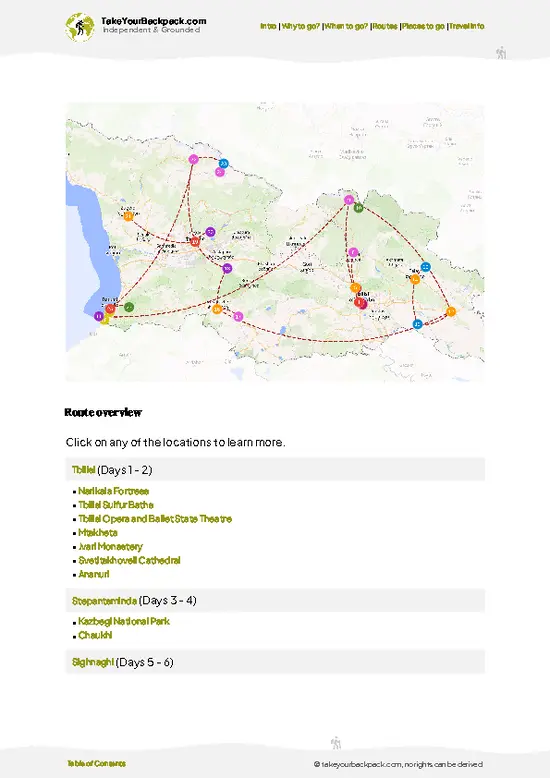
example page 0 from our offline Travel Guide for Georgia
example page 1 from our offline Travel Guide for Georgia
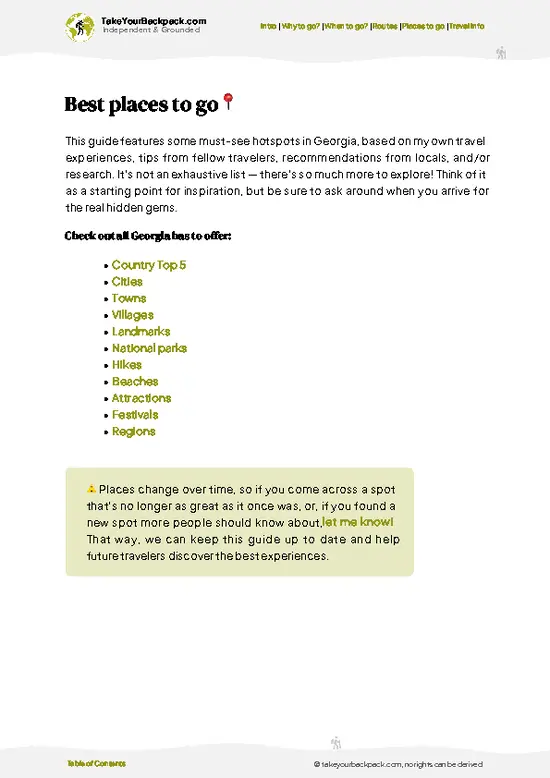
example page 2 from our offline Travel Guide for Georgia
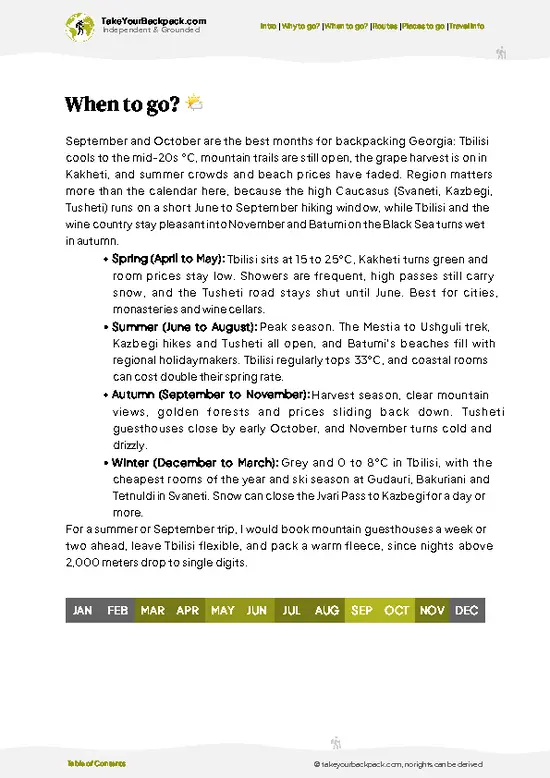
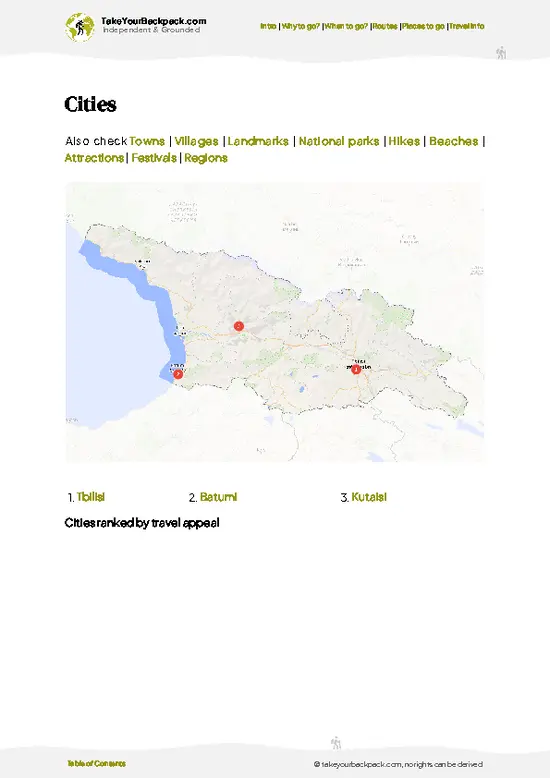
example page 3 from our offline Travel Guide for Georgia
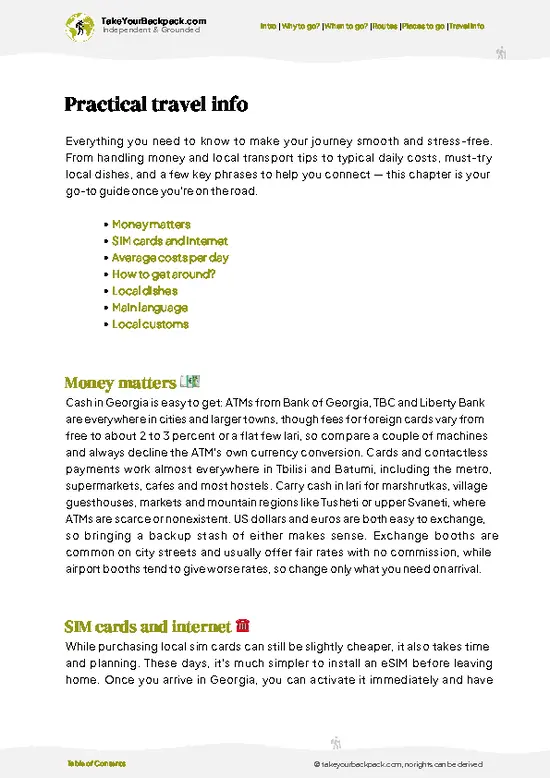
example page 4 from our offline Travel Guide for Georgia
example page 5 from our offline Travel Guide for Georgia
example page 6 from our offline Travel Guide for Georgia
example page 7 from our offline Travel Guide for Georgia
Loading the map 🌍
CLICK TO FILTER
cities
towns
villages
landmarks
national parks
hikes
beaches
attractions
festivals
regions
SHOW COUNTRY’S BESTSHOW ALL

✨ Why go?
Ranked #7 attraction in Georgia
Why Tbilisi Sulfur Baths should be on your travel list

The Tbilisi Sulfur Baths are not just a tourist checkbox—they’re a rite of passage for anyone serious about experiencing Georgia beyond the surface. Yes, the crowds can be thick, especially in the popular Abanotubani district, and the prices have crept up as the spot gained Instagram fame. But here’s the real deal: these baths are a living piece of history, dating back centuries, where locals and travelers alike soak in naturally heated, mineral-rich waters believed to heal and rejuvenate. The architecture alone—domed brick bathhouses with steam curling through narrow alleys—anchors you in a time when Tbilisi was a crossroads of empires and cultures. It’s not just about relaxation; it’s about stepping into a tradition that’s as raw and authentic as the city itself. For backpackers trekking … read more 👉
The Tbilisi Sulfur Baths are not just a tourist checkbox—they’re a rite of passage for anyone serious about experiencing Georgia beyond the surface. Yes, the crowds can be thick, especially in the popular Abanotubani district, and the prices have crept up as the spot gained Instagram fame. But here’s the real deal: these baths are a living piece of history, dating back centuries, where locals and travelers alike soak in naturally heated, mineral-rich waters believed to heal and rejuvenate. The architecture alone—domed brick bathhouses with steam curling through narrow alleys—anchors you in a time when Tbilisi was a crossroads of empires and cultures. It’s not just about relaxation; it’s about stepping into a tradition that’s as raw and authentic as the city itself. For backpackers trekking through the Caucasus, this is a major milestone—an intense, sensory reset after dusty trails and mountain climbs. The effort to navigate the bustling streets and negotiate prices is rewarded with a unique blend of cultural immersion and physical renewal you won’t find anywhere else.

💡 HighlightsEssential experiences to have while visiting Tbilisi Sulfur Baths

1. The Real Sulfur Soak (Abanotubani Experience)
Forget the influencer shots of empty marble pools. The Tbilisi Sulfur Baths are rarely serene—expect steam, chatter, and the slap of buckets against tile. But that’s the point. You’re soaking in the same mineral-rich water that’s drawn poets, traders, and conquerors for centuries. The sulfur scent is sharp, almost medicinal, and the heat is no joke. It’s not a spa day; it’s a rite of passage. You’ll leave with skin like silk and a sense of having joined a long, unbroken line of bathers stretching back to the Silk Road.


2. The Brutal (and Brilliant) Kisa Scrub
This isn’t a gentle exfoliation. The kisa (scrub) is a full-body, no-nonsense affair delivered by a bathhouse attendant who takes their job seriously. You’ll be scrubbed, rinsed, and possibly … read more 👉
1. The Real Sulfur Soak (Abanotubani Experience)
Forget the influencer shots of empty marble pools. The Tbilisi Sulfur Baths are rarely serene—expect steam, chatter, and the slap of buckets against tile. But that’s the point. You’re soaking in the same mineral-rich water that’s drawn poets, traders, and conquerors for centuries. The sulfur scent is sharp, almost medicinal, and the heat is no joke. It’s not a spa day; it’s a rite of passage. You’ll leave with skin like silk and a sense of having joined a long, unbroken line of bathers stretching back to the Silk Road.


2. The Brutal (and Brilliant) Kisa Scrub
This isn’t a gentle exfoliation. The kisa (scrub) is a full-body, no-nonsense affair delivered by a bathhouse attendant who takes their job seriously. You’ll be scrubbed, rinsed, and possibly flipped like a pancake. It’s intense, borderline comical, and leaves you feeling reborn. If you’re squeamish about nudity or physicality, brace yourself. But if you want to shed both dead skin and inhibitions, this is the ticket. My personal favorite—there’s nothing like emerging pink, tingling, and grinning at your own audacity.


3. Private Room Rituals
Public pools are lively, but the private rooms are where you get the full, old-world treatment. Think domed ceilings, centuries-old tiles, and your own hot and cold pools. You can control the temperature (within reason), and the privacy lets you relax, laugh, or just marvel at the architecture without an audience. It’s a splurge, but if you’re with friends or want to savor the experience, it’s worth every lari.


4. The Post-Bath Chai and Chacha
Emerging from the baths, you’ll find yourself in a neighborhood that’s equal parts ancient and anarchic. Locals swear by a cup of strong black tea (chai) or a shot of chacha (Georgian grape brandy) to “seal” the bath’s effects. It’s not about hydration—it’s about ritual. Grab a table at a nearby café, watch the steam rise from your skin, and soak up the street life. This is where the real Tbilisi reveals itself: unvarnished, unpredictable, and utterly alive.


5. Midnight Bathing
Most tourists show up in the afternoon, but the magic happens late at night. The crowds thin, the city quiets, and the baths take on a dreamlike quality. The domes glow under streetlights, and the air is thick with history. If you want to feel like you’ve slipped through a crack in time, book a late session. It’s the closest you’ll get to having the place to yourself—no filter required.
Spotted a mistake or missing something? Contact us.

Things to do around Tbilisi Sulfur Baths

Ratings based on Tripadvisor reviews. When you book through this link, you support our work at no extra cost to you.

🌤️ When to go?Weather, crowds, and seasonal trade-offs

  • Weather: The best time to visit Tbilisi Sulfur Baths is late spring (May-June) or early autumn (September-October). These months avoid the scorching summer heat, which can push temperatures above 30°C (86°F), making the hot baths less comfortable.
  • Temperature: Winter (December-February) brings chilly weather, often below 0°C (32°F), which makes the hot sulfur baths incredibly soothing but also means shorter daylight and potential icy streets.
  • Daylight Hours: Summer offers long days with up to 15 hours of daylight, perfect if you want to explore Tbilisi before or after your bath. Winter days shrink to about 9 hours, limiting your sightseeing time.
  • Crowds: Summer (July-August) is peak tourist season, so expect packed baths and higher prices. Spring and autumn see fewer visitors, giving
… read more 👉
  • Weather: The best time to visit Tbilisi Sulfur Baths is late spring (May-June) or early autumn (September-October). These months avoid the scorching summer heat, which can push temperatures above 30°C (86°F), making the hot baths less comfortable.
  • Temperature: Winter (December-February) brings chilly weather, often below 0°C (32°F), which makes the hot sulfur baths incredibly soothing but also means shorter daylight and potential icy streets.
  • Daylight Hours: Summer offers long days with up to 15 hours of daylight, perfect if you want to explore Tbilisi before or after your bath. Winter days shrink to about 9 hours, limiting your sightseeing time.
  • Crowds: Summer (July-August) is peak tourist season, so expect packed baths and higher prices. Spring and autumn see fewer visitors, giving you a more relaxed, authentic experience.
  • Seasonal Activities: Autumn brings local grape harvest festivals nearby, adding cultural flavor to your trip. Spring offers blooming gardens around the bath district, enhancing the atmosphere.
  • Price Fluctuations: Expect higher prices in summer and during major holidays like New Year and Orthodox Christmas (January). Off-season months offer better deals on both baths and accommodation.
Pro-tip: Aim for May or September to dodge crowds and heat, soak in the baths like a local, and enjoy Tbilisi’s vibe when it’s genuinely alive—not just Instagram-ready.


source: climatestotravel.comJANJanuary: fair for travelingFEBFebruary: fair for travelingMARMarch: good for travelingAPRApril: highly recommended for travelingMAYMay: excellent for travelingJUNJune: excellent for travelingJULJuly: good for travelingAUGAugust: good for travelingSEPSeptember: excellent for travelingOCTOctober: excellent for travelingNOVNovember: good for travelingDECDecember: fair for traveling
when-to-go

✈️ The backpacker research shortcutGeorgia Travel Guide

An offline-friendly backpacking guide with optimized travel routes, ranked highlights, transport advice, and the best areas to stay.
example page 0 from our offline Travel Guide for Georgia
example page 1 from our offline Travel Guide for Georgia
example page 2 from our offline Travel Guide for Georgia
example page 3 from our offline Travel Guide for Georgia
example page 4 from our offline Travel Guide for Georgia
example page 5 from our offline Travel Guide for Georgia
example page 6 from our offline Travel Guide for Georgia
example page 7 from our offline Travel Guide for Georgia
The digital guide (350 pages) contains:
✅ 89 highlights, ranked by travel appeal
✅ Optimized 5, 10 & 15-day travel routes
✅ Cities, national parks, landmarks, beaches
✅ How to get around
✅ Offline-friendly for travel without Wi-Fi
👉 Click to see all 30+ guide features

📅 Plan smarter in minutes, not weeks
✅ Month by month travel advice
✅ Festivals & national holidays
✅ Budget expectations

🗺️ Go to the right places, skip the overrated ones
✅ Honest pros & cons of destinations
✅ Top hikes, parks & viewpoints
✅ Lesser-known places most travelers miss
✅ Clear “worth it vs skip it” guidance

🛏️ Travel smoothly without rookie mistakes
✅ Best areas to stay
✅ Transport systems explained simply
✅ Common scams & safety advice
✅ SIM cards, money & practical tips

🌍 Understand the country, not just visit it
✅ Culture & traditions
✅ 52 Essential phrases & customs
✅ Festivals worth planning around
✅ Traveler-friendly historical context
✅ Insights that make places more meaningful

📱 Built for real travel conditions
✅ Fully downloadable PDF
✅ Works completely offline
✅ Optimized for phone use
✅ Useful in remote areas & buses
✅ Everything in one place
Stop searching, start planning
Get instant access to your full guide. 30‑day money-back guarantee.
+ Add another guide for just

By proceeding you agree to our terms.
Sent to your inbox immediately after payment • 100% Secure Checkout
Best Backpacking Travel Advisor 2025 tourism awardBest Backpacking
Travel Advisor
2025
What others say about Take Your Backpack Guides:
⭐⭐⭐⭐⭐
Fantastic, amazing amount of information!
⭐⭐⭐⭐⭐
My goodness this is amazing, it's what I've been looking for hats off too you!
⭐⭐⭐⭐⭐
I think this is absolutely BRILLIANT
⭐⭐⭐⭐
Very complete and informative. It's still missing places, but I gotta to commend you
⭐⭐⭐⭐⭐
This is truly amazing, thank you, can't wait to explore it with my kids!
⭐⭐⭐⭐⭐
Awesome resource, thank you!
⭐⭐⭐⭐⭐
This is amazing! Can't wait to explore the ones I haven't seen
⭐⭐⭐⭐
I love this! Well done, great idea.
⭐⭐⭐⭐⭐
Thanks for taking the time to make this gem!
⭐⭐⭐⭐⭐
This might be the best website I've ever seen.
⭐⭐⭐⭐⭐
Congratulations, and thank you so much for your work; it's incredibly valuable.
⭐⭐⭐⭐
In all seriousness I think you did a great job pointing out the important spots
⭐⭐⭐⭐⭐
10/10 very good
⭐⭐⭐⭐⭐
As someone who's only just starting to visit regularly this is awesome, thank you.
⭐⭐⭐⭐
Thank you very much! I'm going to visit my dad, it's going to be very useful!
⭐⭐⭐⭐⭐
This is really cool! We'll be travelling for the first time and this definitely come in handy.
⭐⭐⭐⭐⭐
You are now our minister of culture, congratulations 👨‍💼
⭐⭐⭐⭐⭐
Just wanted to tell you that this is a pearl! Going to follow your recommendations.
⭐⭐⭐⭐⭐
This is so cool. I'll definitely be using the resource for my travels soon.
⭐⭐⭐⭐⭐
This is very impressive! Good work.
⭐⭐⭐⭐⭐
This is an amazing and informative site. Very well done!

🛏️ Where to stay?How to pick the right area

The Tbilisi Sulfur Baths area is often painted as a dreamy, quiet retreat where you soak away your troubles in steamy, mineral-rich waters. Reality check: it’s a hotspot, and yes, it gets busy—especially on weekends and evenings when locals and tourists flood in. The crowds can be a grind if you’re chasing solitude, but here’s the kicker: this is where the city’s pulse beats strongest.

For backpackers, the best place to crash is the Old Town district, specifically the neighborhoods hugging the sulfur bathhouses. This area is a maze of narrow streets lined with low-rise buildings, buzzing with … read more 👉
The Tbilisi Sulfur Baths area is often painted as a dreamy, quiet retreat where you soak away your troubles in steamy, mineral-rich waters. Reality check: it’s a hotspot, and yes, it gets busy—especially on weekends and evenings when locals and tourists flood in. The crowds can be a grind if you’re chasing solitude, but here’s the kicker: this is where the city’s pulse beats strongest.

For backpackers, the best place to crash is the Old Town district, specifically the neighborhoods hugging the sulfur bathhouses. This area is a maze of narrow streets lined with low-rise buildings, buzzing with life. It’s safe, well-trodden by solo travelers, and packed with affordable guesthouses and hostels that foster instant social vibes. You’re steps away from the baths, but also from lively cafes, quirky bars, and street food stalls that serve up authentic Georgian flavors without the tourist markup.

Staying here means you’re not just visiting the baths—you’re living the experience. You’ll hear the chatter of locals, catch impromptu music sessions, and feel the city’s gritty charm. It’s not polished, but it’s real, and that’s what makes it worth every minute.

👛 Costs (as of 15 October 2026)How expensive it really is

Public bath entry ranges from 10 to 15 GEL per person. Private rooms are available for 50 to 200 GEL per hour, depending on the venue and room. Additional services include towel rental (5 to 10 GEL), traditional kisa scrub (15 to 30 GEL), and massages (30 to 65 GEL).

source: gnta.ge
⚠️ Prices can change and everyone travels differently, so take this as a rough guide. Hope it helps you plan your adventure!

FAQFrequently asked questions about Tbilisi Sulfur Baths

1 to 2 hours is sufficient to visit Tbilisi Sulfur Baths, allowing time for a soak and relaxation. Some visitors spend longer if they opt for massages or additional treatments. Plan accordingly to avoid rushing, especially during peak hours.
Yes, Tbilisi Sulfur Baths are worth the entrance fee, which typically ranges from 20 to 50 GEL depending on the bathhouse and services chosen. The baths offer a unique cultural experience and reputed health benefits from natural hot sulfur water. Many travelers find the cost reasonable for the relaxation and local atmosphere.
To get to Tbilisi Sulfur Baths, head to the Abanotubani district in the Old Town, easily reachable by foot from central Tbilisi landmarks like Freedom Square within 15-20 minutes. Public buses and taxis are also available; the baths are well-signposted and located near the Mtkvari River.
⚠️ Things can change over time, so always validate details locally before you go.

Other Georgian attractions near Tbilisi Sulfur Baths

Explore more nearby:


💡 Not sure where to go next?
Create a personalized itinerary for Georgia including Tbilisi Sulfur Baths and the places that fit your trip.

Generate my itinerary

👉 Discover all attractions

Or checkout all Georgia has to offer (think cities, towns, villages, national parks, hikes, beaches, festivals)
Country photo of Georgia

We 💚 feedbackParting advice and final tips

The Tbilisi Sulfur Baths aren’t a spa day fantasy—they’re a gritty, steamy dive into local life where the air smells of minerals and history. Expect crowds, especially on weekends, and a bit of chaos in the cramped changing rooms. But if you want to feel the city’s pulse through its oldest tradition, sinking into those hot, sulfur-rich pools is a raw, oddly grounding experience you won’t get anywhere else.

✈️ When did I visit Georgia?
It was September 2018 when I visited Georgia, starting in Tbilisi and making my way up to the mountains.

✍️ Help improve this page!
The information on this page is based on my own backpacking experience in Georgia, supplemented with up-to-date research and feedback from other travelers. Travel details can change, so if you notice anything outdated or incomplete, feel free to let me know.


🙋‍♂️ Give feedback

👋 Meet the founderWho’s Behind Take Your Backpack?

Johan, backpacker and founder of TakeYourBackpackHi, I’m Johan (Netherlands 🇳🇱), the creator of TakeYourBackpack. Over the past 3 decades, I’ve backpacked through 90+ countries across six continents, gaining extensive experience with independent travel, long-term trips, and overland routes.

This site is built on a combination of firsthand travel experience and carefully curated insights from other backpackers. Many guides are based on places I’ve personally visited, while others bring together tips, observations, and practical advice shared by trusted travelers I’ve met along the way.

The goal is to provide realistic, experience-driven guidance — not generic itineraries — so you can explore destinations with better context, clearer expectations, and more confidence.