
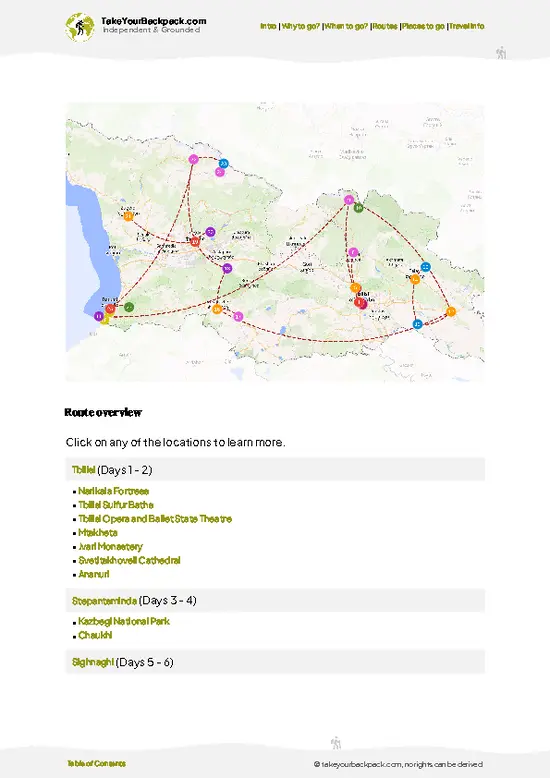
- Khulo cable car (local ropeway): That rickety-looking single-seat cable car is the town’s best bit of adrenalined public transport — short, inexpensive, and a proper way to meet locals while getting excellent views over the gorge. It’s still used daily and riding it is an experience in itself, not just a photo-op.
- Khulo Ethnographic / Local Museum: Small, honest, and easy to walk through in 30-45 minutes — the museum collects local costumes, household tools, photos and stories that explain how people lived in Adjara’s high valleys. Great if you want real context before wandering the streets.
- Old-town streets and traditional Adjarian houses: Narrow lanes, stone foundations and wooden balconies — the town’s historic core is compact but full of character. Walk, poke into doorways, look up
- Khulo cable car (local ropeway): That rickety-looking single-seat cable car is the town’s best bit of adrenalined public transport — short, inexpensive, and a proper way to meet locals while getting excellent views over the gorge. It’s still used daily and riding it is an experience in itself, not just a photo-op.
- Khulo Ethnographic / Local Museum: Small, honest, and easy to walk through in 30-45 minutes — the museum collects local costumes, household tools, photos and stories that explain how people lived in Adjara’s high valleys. Great if you want real context before wandering the streets.
- Old-town streets and traditional Adjarian houses: Narrow lanes, stone foundations and wooden balconies — the town’s historic core is compact but full of character. Walk, poke into doorways, look up at carved eaves and you’ll see the everyday architecture that defines Khulo.
- Central market / bazaar: A small, lively market where farmers sell mountain cheese, honey, seasonal fruit and preserves. It’s the quickest way to sample local flavor, trade a few words with vendors, and score picnic supplies for a day trip.
- Khulo mosque: A modest, working mosque in the town center that reflects Khulo’s Muslim-Georgian traditions; visiting respectfully gives a good sense of local religious life and community rhythms. Observe etiquette, and you’ll be welcomed to watch daily life.
- Riverfront and the stone bridges over the Adjaristsqali: The riverside walk and the old stone crossings are peaceful and photogenic — great for an easy stroll, watching rafters (seasonal), or just listening to the water after a day of walking.
- Soviet-era memorials and the main viewpoint: There’s a compact memorial area and nearby lookout that locals use for quick panoramas of the valley. The monuments tell a bit of 20th-century history, while the viewpoint is handy for sunrise or pre-departure photos.
- Khulo House of Culture (community center): Catch a local performance, a film night, or a small exhibition if the timing’s right. It’s where seasonal dances, choir singing and community events happen — excellent for experiencing living traditions rather than stale museum displays.
- Local tea-houses and family guesthouses: The real highlight is hospitality — small tea-houses and homestays in town offer home-cooked Adjarian food, stories, and the chance to learn how local dishes are made (think chvishtari, cheese and mountain tea). Book a homestay for a proper cultural exchange.
- Historic cemetery and carved grave markers: A compact cemetery near town with old gravestones and simple carvings — quiet, atmospheric and a good place to reflect on local genealogy and funerary art without any tourist crowds.
Spotted a mistake or missing something? Contact us.

Wine and Dine Tour To Batumi Waterfalls - Mountainous Adjara

Batumi: Mtirala ATV Buggy CanAm Maverick & Horse Riding Adventure

The Best Tour From Batumi

Martvili Canyon & Prometheus Cave Tour From Batumi

Private Canyon &Cave Tour from Batumi(Martvili,Okatse,Prometheus)

Private Full Day Tour from Batumi to Waterfalls

Cosmo Open Workshop in Batumi. Leather Wallet crafting Masterclas

Mtirala National Park Tour

Batumi Guided Evening Walking Tour


 Best Backpacking

 Hi, I’m Johan (Netherlands 🇳🇱), the creator of TakeYourBackpack. Over the past 3 decades, I’ve backpacked through 90+ countries across six continents, gaining extensive experience with independent travel, long-term trips, and overland routes.