v2.webp)
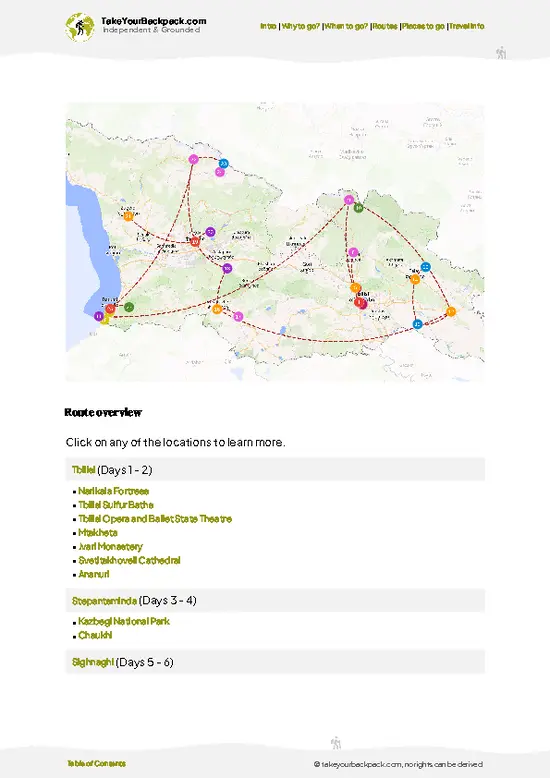

The Tunnel Entrance and Secret Passageways
Forget the Instagram shots of sweeping valley views—Vardzia’s real thrill is underground. The original entrance was a secret tunnel, carved straight into the cliff for defense. You’ll duck through low, cool corridors, sometimes squeezing past other visitors, sometimes alone in the echoing dark. This isn’t a sanitized museum; it’s a labyrinth that once hid an entire monastic community from invaders. You can still feel the adrenaline of survival in the stone under your hands.
The Church of the Dormition and Its Frescoes
This is the heart of Vardzia, and it’s not just another old church. The frescoes here are battered but defiant, painted in the 1180s and still radiating color and personality. You’ll see Queen Tamar herself—Georgia’s most legendary … read more 👉
Forget the Instagram shots of sweeping valley views—Vardzia’s real thrill is underground. The original entrance was a secret tunnel, carved straight into the cliff for defense. You’ll duck through low, cool corridors, sometimes squeezing past other visitors, sometimes alone in the echoing dark. This isn’t a sanitized museum; it’s a labyrinth that once hid an entire monastic community from invaders. You can still feel the adrenaline of survival in the stone under your hands.
The Church of the Dormition and Its Frescoes
This is the heart of Vardzia, and it’s not just another old church. The frescoes here are battered but defiant, painted in the 1180s and still radiating color and personality. You’ll see Queen Tamar herself—Georgia’s most legendary … read more 👉
The Tunnel Entrance and Secret Passageways
Forget the Instagram shots of sweeping valley views—Vardzia’s real thrill is underground. The original entrance was a secret tunnel, carved straight into the cliff for defense. You’ll duck through low, cool corridors, sometimes squeezing past other visitors, sometimes alone in the echoing dark. This isn’t a sanitized museum; it’s a labyrinth that once hid an entire monastic community from invaders. You can still feel the adrenaline of survival in the stone under your hands.
The Church of the Dormition and Its Frescoes
This is the heart of Vardzia, and it’s not just another old church. The frescoes here are battered but defiant, painted in the 1180s and still radiating color and personality. You’ll see Queen Tamar herself—Georgia’s most legendary ruler—immortalized on the wall, not as a distant saint but as a living, breathing monarch. The art is raw, direct, and close enough to touch. The scent of beeswax and stone lingers in the air, and if you catch it when a monk is chanting, the acoustics will make your skin prickle.
The Cliffside Balconies
Yes, the views are good, but what makes these balconies wild is the vertigo. You’re standing on a ledge hacked out of volcanic tuff, with nothing but a low wall between you and a sheer drop to the Mtkvari River. The wind can be fierce. It’s not for show—it’s for defense, and you feel it in your knees. This is where you realize Vardzia wasn’t built for tourists; it was built for survival.
The Monastic Cells and Communal Halls
Wander through the honeycomb of monks’ cells, kitchens, and refectories. These aren’t reconstructed; they’re the real deal, carved by hand, still rough and practical. You’ll see smoke-blackened ceilings, stone benches, and ancient wine presses. It’s a reminder that this was a living, breathing city in the rock, not just a religious outpost. The sense of daily life—hard, communal, and ingenious—hits you harder than any postcard view.
The Spring of Saint Nino (Personal Favorite)
Tucked deep inside the cave complex, this spring is easy to miss, but it’s the soul of Vardzia. The water is icy, pure, and still used by the monks. Legend says it’s sacred, and after a hot, dusty climb, it tastes like a miracle. There’s no crowd here, just the sound of dripping water and your own heartbeat. It’s the quietest, most honest moment you’ll have at Vardzia—and the one you’ll remember when the busloads are long gone.
Forget the Instagram shots of sweeping valley views—Vardzia’s real thrill is underground. The original entrance was a secret tunnel, carved straight into the cliff for defense. You’ll duck through low, cool corridors, sometimes squeezing past other visitors, sometimes alone in the echoing dark. This isn’t a sanitized museum; it’s a labyrinth that once hid an entire monastic community from invaders. You can still feel the adrenaline of survival in the stone under your hands.
The Church of the Dormition and Its Frescoes
This is the heart of Vardzia, and it’s not just another old church. The frescoes here are battered but defiant, painted in the 1180s and still radiating color and personality. You’ll see Queen Tamar herself—Georgia’s most legendary ruler—immortalized on the wall, not as a distant saint but as a living, breathing monarch. The art is raw, direct, and close enough to touch. The scent of beeswax and stone lingers in the air, and if you catch it when a monk is chanting, the acoustics will make your skin prickle.
The Cliffside Balconies
Yes, the views are good, but what makes these balconies wild is the vertigo. You’re standing on a ledge hacked out of volcanic tuff, with nothing but a low wall between you and a sheer drop to the Mtkvari River. The wind can be fierce. It’s not for show—it’s for defense, and you feel it in your knees. This is where you realize Vardzia wasn’t built for tourists; it was built for survival.
The Monastic Cells and Communal Halls
Wander through the honeycomb of monks’ cells, kitchens, and refectories. These aren’t reconstructed; they’re the real deal, carved by hand, still rough and practical. You’ll see smoke-blackened ceilings, stone benches, and ancient wine presses. It’s a reminder that this was a living, breathing city in the rock, not just a religious outpost. The sense of daily life—hard, communal, and ingenious—hits you harder than any postcard view.
The Spring of Saint Nino (Personal Favorite)
Tucked deep inside the cave complex, this spring is easy to miss, but it’s the soul of Vardzia. The water is icy, pure, and still used by the monks. Legend says it’s sacred, and after a hot, dusty climb, it tastes like a miracle. There’s no crowd here, just the sound of dripping water and your own heartbeat. It’s the quietest, most honest moment you’ll have at Vardzia—and the one you’ll remember when the busloads are long gone.
Spotted a mistake or missing something? Contact us.

Private Stalin Museum Uplistsikhe and Borjomi Park Tour

Jeep Tour in Dabadzveli mountain: Off-Road escape from Borjomi

Private Day Trip to Borjomi and Rabati Castle

Snowshoeing in Bakuriani, Winter Hiking in Caucasus

Private Enchanting Borjomi: Springs, Streets & Stories

Borjomi - Tbilisi Shared Transfer


 Best Backpacking
.jpg) Hi, I’m Johan (Netherlands 🇳🇱), the creator of TakeYourBackpack. Over the past 3 decades, I’ve backpacked through 90+ countries across six continents, gaining extensive experience with independent travel, long-term trips, and overland routes.
Hi, I’m Johan (Netherlands 🇳🇱), the creator of TakeYourBackpack. Over the past 3 decades, I’ve backpacked through 90+ countries across six continents, gaining extensive experience with independent travel, long-term trips, and overland routes.