×

Georgia🇬🇪 | citiesKutaisimarket squares, Soviet mosaics, hilltop cathedrals | things to do and best time to go

Explore BatumiExplore Tbilisi

Backpacking in Kutaisi
👌 Worth visitingcity ranked #3
By Johan Kruseman 🇳🇱 | Updated September 4, 2026

Most people treat Kutaisi like a cheap airport for getting to Tbilisi or Batumi. That’s the first mistake. Kutaisi sits in western Georgia, roughly between the capital and the Black Sea, and it’s an actual city with its own rhythm, not just a runway with taxis. The core is compact: Soviet blocks, café-lined streets, and Bagrati Cathedral watching from the hill. Georgia in general is a backpacker win for low costs, easy marshrutka connections, and a culture that overfeeds you with wine and khachapuri, but it’s not Southeast Asia-level social; you sometimes have to make the first move. Kutaisi is calmer and cheaper than Tbilisi, less beach-party than Batumi, and feels very “real life Georgia” after dark when the tourists vanish. It’s safe, walkable, and a smart base for day trips to caves and canyons, even if the nightlife is more “beer with locals” than bar crawl.

Discover everything you want to know in the 📖 Georgia Travel Guide.


Get your Georgia guide
95 ranked highlights, routes & tips, works offline (371 pages)
Loading the map 🌍
CLICK TO FILTER
cities
towns
villages
landmarks
national parks
hikes
beaches
attractions
festivals
regions
SHOW COUNTRY’S BESTSHOW ALL

✨ Why go?
Ranked #3 city in Georgia
What makes it a must-see city

Kutaisi is a backpacker’s hub in Georgia that strikes a balance between affordability and accessibility. It’s not just a stopover; it’s a strategic basecamp for exploring the region. The city offers a mix of highlights and activities that cater to various interests, from history buffs to nature lovers. You’ll find hostels that are not only budget-friendly but also foster a sense of community, making it easy to meet fellow travelers.

The walkability of Kutaisi means you can explore its charming streets without the hassle of public transport. Grab a bite at local eateries where the food is both delicious and cheap, giving you the energy to tackle the day’s adventures. When night falls, the nightlife is laid-back yet lively, perfect for unwinding after a day of exploration.

Moreover, Kutaisi … read more 👉
Kutaisi is a backpacker’s hub in Georgia that strikes a balance between affordability and accessibility. It’s not just a stopover; it’s a strategic basecamp for exploring the region. The city offers a mix of highlights and activities that cater to various interests, from history buffs to nature lovers. You’ll find hostels that are not only budget-friendly but also foster a sense of community, making it easy to meet fellow travelers.

The walkability of Kutaisi means you can explore its charming streets without the hassle of public transport. Grab a bite at local eateries where the food is both delicious and cheap, giving you the energy to tackle the day’s adventures. When night falls, the nightlife is laid-back yet lively, perfect for unwinding after a day of exploration.

Moreover, Kutaisi serves as a gateway for easy onward travel to other Georgian destinations. If you’re looking for a place that combines value with a rich experience, Kutaisi is worth more than just a fleeting visit; it’s a clever choice for any backpacking route.
Want to include Kutaisi in your Georgia route?
Create a personalized Georgia itinerary that includes Kutaisi and the places that fit your trip — based on your travel style, budget, and available time. Get your route in seconds.

Generate my trip

💡 HighlightsPlaces and moments you shouldn't skip

  • Bagrati Cathedral (Bagrat) — The city’s skyline badge: an 11th-century hilltop cathedral with big views over Kutaisi and the Rioni. It’s part ruin, part restoration, and walking the hill gives you perspective on the city’s medieval importance and some great photo angles at sunset.
  • Colchis Fountain (Freedom Square) — That dramatic bronze fountain with mythic figures and the Golden Fleece is the theatrical heart of Kutaisi. It’s where locals meet, kids splash in summer, and you get a quick, theatrical intro to the region’s ancient Colchis legends.
  • Kutaisi State Historical Museum (Imereti Regional Museum) — Compact, slightly dusty, and full of real artifacts: pottery, medieval icons, and archaeological finds from the region. If you want to understand Imereti’s past beyond the postcards, this
read more 👉
  • Bagrati Cathedral (Bagrat) — The city’s skyline badge: an 11th-century hilltop cathedral with big views over Kutaisi and the Rioni. It’s part ruin, part restoration, and walking the hill gives you perspective on the city’s medieval importance and some great photo angles at sunset.
  • Colchis Fountain (Freedom Square) — That dramatic bronze fountain with mythic figures and the Golden Fleece is the theatrical heart of Kutaisi. It’s where locals meet, kids splash in summer, and you get a quick, theatrical intro to the region’s ancient Colchis legends.
  • Kutaisi State Historical Museum (Imereti Regional Museum) — Compact, slightly dusty, and full of real artifacts: pottery, medieval icons, and archaeological finds from the region. If you want to understand Imereti’s past beyond the postcards, this is the place to poke around.
  • Lado Meskhishvili State Academic Drama Theatre — A proper old-school theatre with a lively local program—drama, Georgian classics and sometimes experimental pieces. Going to a show here gives you a real slice of Kutaisi’s cultural life and is wallet-friendly compared with big cities.
  • Kutaisi Central Market (Green Bazaar) — Busy, fragrant, chaotic in the best way: fresh fruit, churchkhela, jars of local pickles and friendly vendors ready to haggle. It’s a cultural immersion that teaches you more about daily Georgian life than any museum label.
  • Rioni River Embankment and the City Bridges — The waterfront stroll is simple but honest: locals walking dogs, coffee stalls, and several attractive bridges linking the two sides of town. Take a slow walk at golden hour; the reflections and people-watching are the main draw.
  • Kutaisi Botanical Garden — A peaceful green lung within the city where you can escape traffic and see local flora (and a few exotic specimens). Good for a picnic, a lazy afternoon, or for spotting birds and urban families out on the weekend.
  • Great Synagogue of Kutaisi — One of the older active synagogues in Georgia, reflecting Kutaisi’s once-vibrant Jewish community. It’s approachable, historically meaningful, and a quieter counterpoint to the city’s churches and public squares.
  • Makavei / Old Town Lanes and Merchant Houses — Wander the patchwork of narrow streets, faded merchant façades, tiny courtyards and street-level workshops. There’s no single landmark here—just atmosphere and honest moments of local life, which is why it’s worth losing a morning.
  • Parliament Building (Kutaisi Parliament complex) — The modern, high-profile building that once hosted Georgia’s legislature is an interesting contrast to Kutaisi’s ancient sites. The architecture and the politics behind it tell a useful story about recent Georgian history; it’s worth seeing from the outside and wandering the nearby riverside plaza.
A few great day trips just outside Kutaisi: Gelati Monastery, Motsameta Monastery, Prometheus Cave and Sataplia Nature Reserve are all visitable easily from the city—Gelati is my personal favorite for its mosaics, frescoes and the sense of stepping into medieval Georgia.
Spotted a mistake or missing something? Contact us.

Things to do in Kutaisi

Ratings based on Tripadvisor reviews. When you book through this link, you support our work at no extra cost to you.

🏘️ NeighborhoodsWhere things are and how it's laid out

Kutaisi is a vibrant city that balances history and modernity, making it a fantastic base for backpackers. Here’s how the neighborhoods stack up:

City Center
This is where the action is. You’ll find cafes, shops, and the bustling market. It’s walkable, so you can easily explore on foot. Prices are moderate, with plenty of budget-friendly options. Nightlife is lively, with bars and restaurants open late. Perfect for short stays if you want to soak in the local vibe quickly.

Gelati
Home to the famous Gelati Monastery, this area offers a quieter atmosphere. It’s a bit removed from the city buzz, making it ideal for those seeking peace. Accommodations are cheaper here, but you’ll need to rely on public transport or a taxi to reach the center. Great for longer stays if you want to dive into … read more 👉
Kutaisi is a vibrant city that balances history and modernity, making it a fantastic base for backpackers. Here’s how the neighborhoods stack up:

City Center
This is where the action is. You’ll find cafes, shops, and the bustling market. It’s walkable, so you can easily explore on foot. Prices are moderate, with plenty of budget-friendly options. Nightlife is lively, with bars and restaurants open late. Perfect for short stays if you want to soak in the local vibe quickly.

Gelati
Home to the famous Gelati Monastery, this area offers a quieter atmosphere. It’s a bit removed from the city buzz, making it ideal for those seeking peace. Accommodations are cheaper here, but you’ll need to rely on public transport or a taxi to reach the center. Great for longer stays if you want to dive into the spiritual side of Georgia.

Rioni Riverbank
This picturesque area is perfect for leisurely strolls along the river. It’s less touristy, giving you a more authentic experience. Prices are reasonable, and you can find cozy guesthouses. The vibe is relaxed, making it suitable for both short and longer stays. Plus, it’s a short walk to the city center for nightlife.

Old Town
Charming and filled with history, Old Town is a must-see. The cobblestone streets are lined with cafes and artisan shops. It’s walkable and offers a mix of budget and mid-range accommodations. The nightlife is more subdued, making it ideal for those who prefer a quieter evening. Perfect for a short stay to soak in the culture.

⌛️ 1 dayWhat you can realistically do in a day

Kutaisi, the second-largest city in Georgia, is a delightful blend of history, culture, and vibrant street life. Nestled in the lush Rioni River valley, it’s often overshadowed by Tbilisi, but that’s part of its charm. You’ll find ancient churches, bustling markets, and a laid-back vibe that invites exploration.

Start your morning at the Bagrati Cathedral, a UNESCO World Heritage site perched on a hill. The views of the city and surrounding mountains are worth the climb. Spend some time soaking in the architecture and the serene atmosphere. Afterward, stroll down to the local market, where the scents of fresh produce and baked goods mingle. Grab a khachapuri, the cheesy bread that’s a staple here, and enjoy it while people-watching.

In the afternoon, head to the Gelati Monastery, another … read more 👉
Kutaisi, the second-largest city in Georgia, is a delightful blend of history, culture, and vibrant street life. Nestled in the lush Rioni River valley, it’s often overshadowed by Tbilisi, but that’s part of its charm. You’ll find ancient churches, bustling markets, and a laid-back vibe that invites exploration.

Start your morning at the Bagrati Cathedral, a UNESCO World Heritage site perched on a hill. The views of the city and surrounding mountains are worth the climb. Spend some time soaking in the architecture and the serene atmosphere. Afterward, stroll down to the local market, where the scents of fresh produce and baked goods mingle. Grab a khachapuri, the cheesy bread that’s a staple here, and enjoy it while people-watching.

In the afternoon, head to the Gelati Monastery, another UNESCO site, just a short drive away. The intricate frescoes and tranquil gardens offer a peaceful retreat. If you’re feeling adventurous, take a detour to the nearby village of Motsameta. The monastery there is less frequented by tourists, but the stunning views and the sense of history make it a hidden treasure.

As evening approaches, return to Kutaisi and wander through the charming streets of the old town. The lively atmosphere comes alive with locals enjoying their evening. Stop by a small café for a glass of local wine and some traditional dishes. If you’re lucky, you might catch a spontaneous performance of folk music.

By the end of the day, you’ll have tasted the essence of Kutaisi—its history, its flavors, and its people. You’ll leave not just with photos, but with stories that make this city a memorable part of your journey.
Turn your Kutaisi visit into an Georgia adventure
Build a complete Georgia route with Kutaisi, hidden gems, must-see destinations, and realistic travel times included.

Generate my trip

🌤️ When to go?Weather, crowds, and seasonal trade-offs


  • Weather: Kutaisi experiences a humid subtropical climate. Summers (June to August) are hot and humid, averaging 25-30°C (77-86°F), which can feel sticky but perfect for river swims. Winters (December to February) are cold and wet, hovering around 0-5°C (32-41°F), often damp rather than snowy.

  • Temperature: Spring (April-May) and autumn (September-October) offer mild, comfortable temperatures between 15-22°C (59-72°F), ideal for hiking and exploring without overheating or freezing.

  • Daylight Hours: Long summer days stretch up to 15 hours, giving you more daylight for adventures. Winter days shrink to about 9 hours, limiting exploration time but offering cozy evenings.

  • Crowds: Peak tourist season aligns with summer, especially July and August, when Kutaisi sees a spike in visitors. Shoulder
read more 👉

  • Weather: Kutaisi experiences a humid subtropical climate. Summers (June to August) are hot and humid, averaging 25-30°C (77-86°F), which can feel sticky but perfect for river swims. Winters (December to February) are cold and wet, hovering around 0-5°C (32-41°F), often damp rather than snowy.

  • Temperature: Spring (April-May) and autumn (September-October) offer mild, comfortable temperatures between 15-22°C (59-72°F), ideal for hiking and exploring without overheating or freezing.

  • Daylight Hours: Long summer days stretch up to 15 hours, giving you more daylight for adventures. Winter days shrink to about 9 hours, limiting exploration time but offering cozy evenings.

  • Crowds: Peak tourist season aligns with summer, especially July and August, when Kutaisi sees a spike in visitors. Shoulder seasons (spring and autumn) are quieter, letting you enjoy landmarks like Gelati Monastery without elbowing through crowds.

  • Seasonal Activities: Summer brings outdoor festivals and river activities. Autumn is grape harvest time, perfect for tasting fresh Georgian wine. Winter’s off-season means fewer events but better deals and a more local vibe.

  • Price Fluctuations: Accommodation and transport costs peak in summer. Booking in shoulder seasons can save you 20-40%, with better availability and often friendlier hosts eager to share insider tips.


Pro-tip: Aim for late spring or early autumn to balance pleasant weather, manageable crowds, and wallet-friendly prices—this is when Kutaisi’s charm really shines without the hassle.


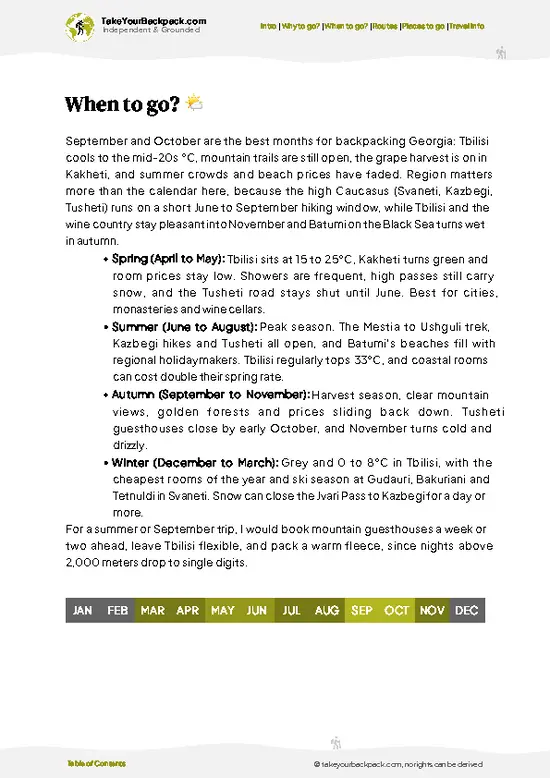
source: climatestotravel.comJANJanuary: fair for travelingFEBFebruary: fair for travelingMARMarch: good for travelingAPRApril: excellent for travelingMAYMay: excellent for travelingJUNJune: highly recommended for travelingJULJuly: good for travelingAUGAugust: good for travelingSEPSeptember: excellent for travelingOCTOctober: excellent for travelingNOVNovember: good for travelingDECDecember: fair for traveling
when-to-go

✈️ The backpacker research shortcutGeorgia Travel Guide

An offline-friendly backpacking guide with optimized travel routes, ranked highlights, transport advice, and the best areas to stay.
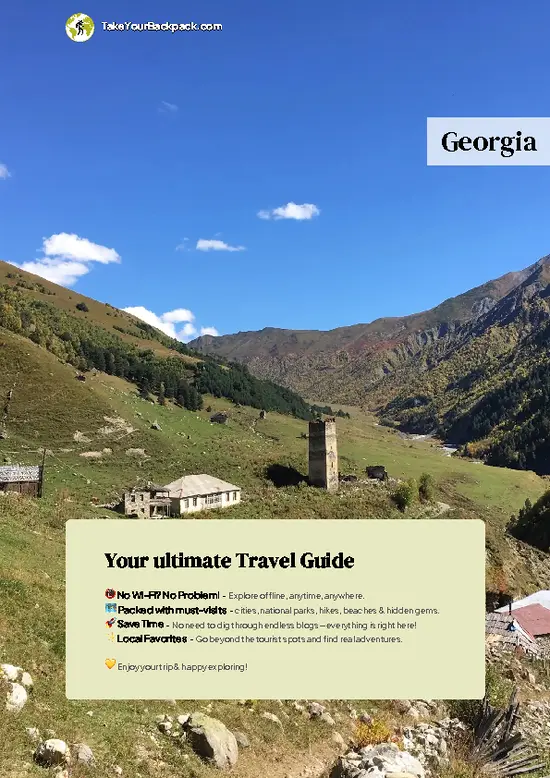
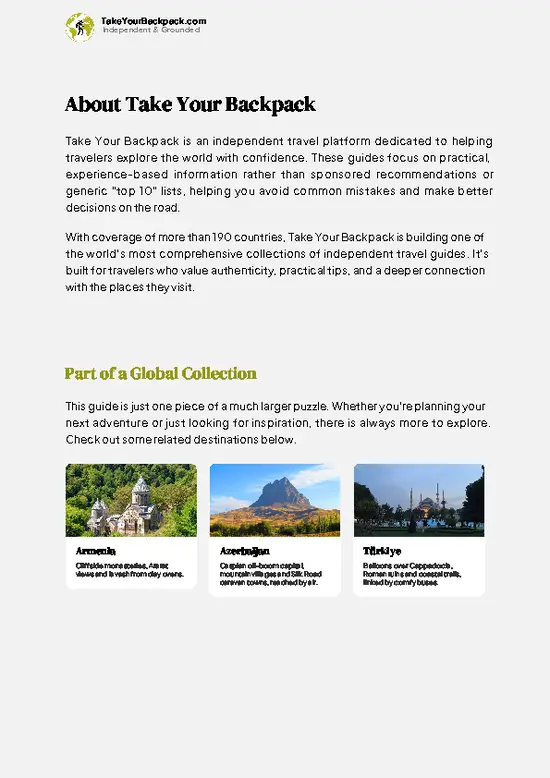
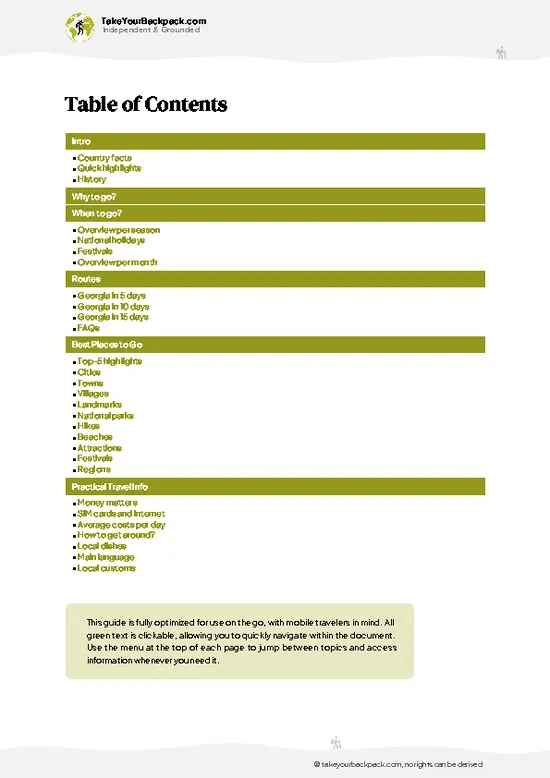
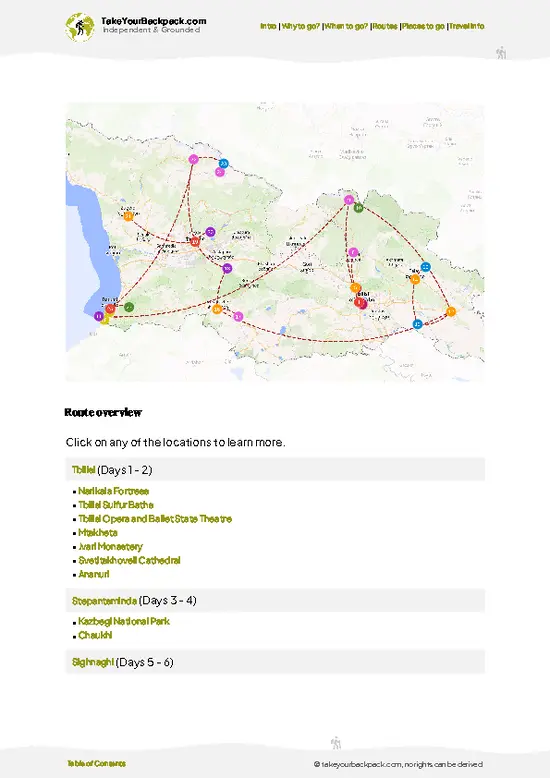
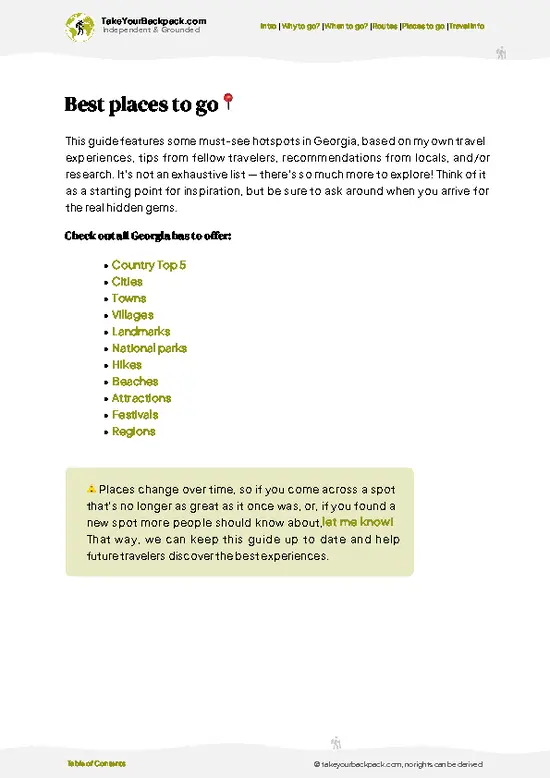
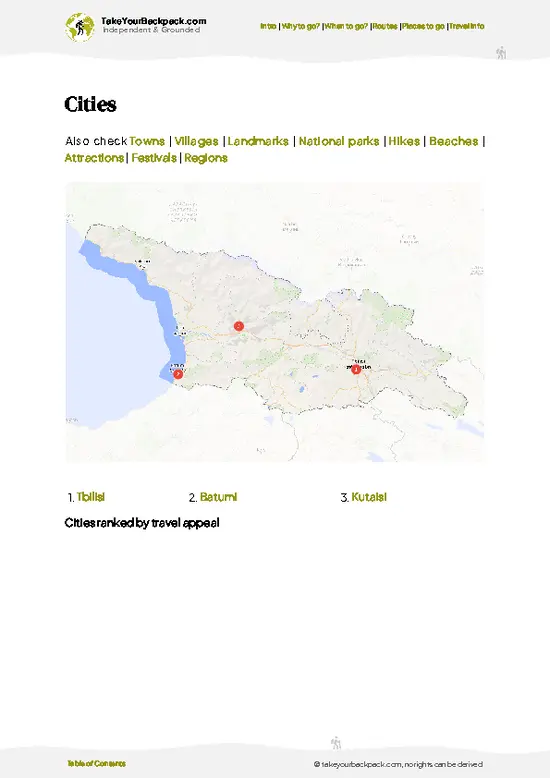
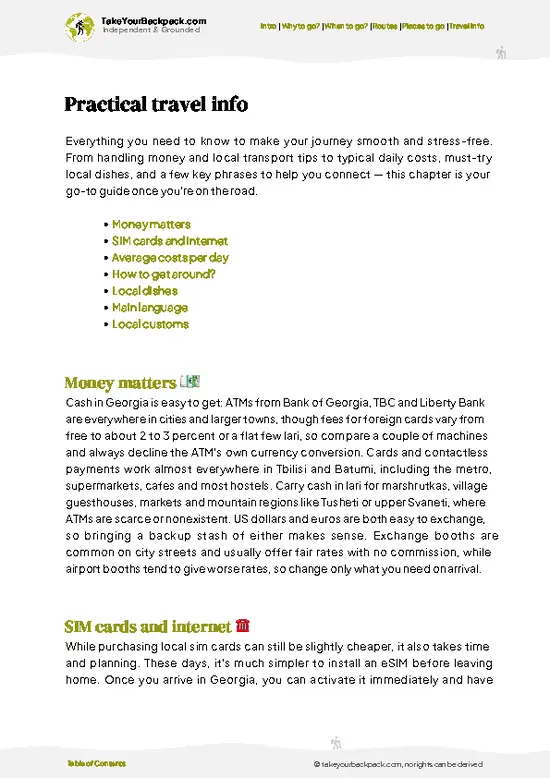
example page 0 from our offline Travel Guide for Georgia
example page 1 from our offline Travel Guide for Georgia
example page 2 from our offline Travel Guide for Georgia
example page 3 from our offline Travel Guide for Georgia
example page 4 from our offline Travel Guide for Georgia
example page 5 from our offline Travel Guide for Georgia
example page 6 from our offline Travel Guide for Georgia
example page 7 from our offline Travel Guide for Georgia
The digital guide (371 pages) contains:
95 highlights, ranked by travel appeal
Optimized 5, 10 & 15-day travel routes
Cities, national parks, landmarks, beaches
How to get around
Offline-friendly for travel without Wi-Fi
👉 Click to see all 30+ guide features

📅 Plan smarter in minutes, not weeks
Month by month travel advice
Festivals & national holidays
Budget expectations

🗺️ Go to the right places, skip the overrated ones
Honest pros & cons of destinations
Top hikes, parks & viewpoints
Lesser-known places most travelers miss
Clear “worth it vs skip it” guidance

🛏️ Travel smoothly without rookie mistakes
Best areas to stay
Transport systems explained simply
Common scams & safety advice
SIM cards, money & practical tips

🌍 Understand the country, not just visit it
Culture & traditions
52 Essential phrases & customs
Festivals worth planning around
Traveler-friendly historical context
Insights that make places more meaningful

📱 Built for real travel conditions
Fully downloadable PDF
Works completely offline
Optimized for phone use
Useful in remote areas & buses
Everything in one place
Save weeks of stressful planning
Get instant access to your full guide. 30‑day money-back guarantee.
+ Add another guide for just US$7.80

By proceeding you agree to our terms.
Sent to your inbox immediately after payment • 100% Secure Checkout
Best Backpacking Travel Advisor 2025 tourism awardBest Backpacking
Travel Advisor
2025
What others say about Take Your Backpack Guides:
⭐⭐⭐⭐⭐
Fantastic, amazing amount of information!
⭐⭐⭐⭐⭐
My goodness this is amazing, it's what I've been looking for hats off too you!
⭐⭐⭐⭐⭐
I think this is absolutely BRILLIANT
⭐⭐⭐⭐
Very complete and informative. It's still missing places, but I gotta to commend you
⭐⭐⭐⭐⭐
This is truly amazing, thank you, can't wait to explore it with my kids!
⭐⭐⭐⭐⭐
Awesome resource, thank you!
⭐⭐⭐⭐⭐
This is amazing! Can't wait to explore the ones I haven't seen
⭐⭐⭐⭐
I love this! Well done, great idea.
⭐⭐⭐⭐⭐
Thanks for taking the time to make this gem!
⭐⭐⭐⭐⭐
This might be the best website I've ever seen.
⭐⭐⭐⭐⭐
Congratulations, and thank you so much for your work; it's incredibly valuable.
⭐⭐⭐⭐
In all seriousness I think you did a great job pointing out the important spots
⭐⭐⭐⭐⭐
10/10 very good
⭐⭐⭐⭐⭐
As someone who's only just starting to visit regularly this is awesome, thank you.
⭐⭐⭐⭐
Thank you very much! I'm going to visit my dad, it's going to be very useful!
⭐⭐⭐⭐⭐
This is really cool! We'll be travelling for the first time and this definitely come in handy.
⭐⭐⭐⭐⭐
You are now our minister of culture, congratulations 👨‍💼
⭐⭐⭐⭐⭐
Just wanted to tell you that this is a pearl! Going to follow your recommendations.
⭐⭐⭐⭐⭐
This is so cool. I'll definitely be using the resource for my travels soon.
⭐⭐⭐⭐⭐
This is very impressive! Good work.
⭐⭐⭐⭐⭐
This is an amazing and informative site. Very well done!

🛏️ Where to stay?Where staying makes the most sense

Kutaisi’s backpacker sweet spot is the city center, especially around Rustaveli Street and the nearby areas. This zone strikes a smart balance between safety, social buzz, and budget-friendly options. You’re close enough to the main sights—like the Bagrati Cathedral and the bustling market—without the hassle of noisy traffic or sketchy corners. Hostels here tend to cluster, creating a natural social hub where you can swap stories over cheap wine or plan day trips with fellow travelers.

Compared to the quieter, more residential outskirts, the center offers a clear advantage: convenience. You … read more 👉
Kutaisi’s backpacker sweet spot is the city center, especially around Rustaveli Street and the nearby areas. This zone strikes a smart balance between safety, social buzz, and budget-friendly options. You’re close enough to the main sights—like the Bagrati Cathedral and the bustling market—without the hassle of noisy traffic or sketchy corners. Hostels here tend to cluster, creating a natural social hub where you can swap stories over cheap wine or plan day trips with fellow travelers.

Compared to the quieter, more residential outskirts, the center offers a clear advantage: convenience. You save time and money on transport, which means more energy and cash for exploring or splurging on local food. The vibe is relaxed but lively, with enough cafes and bars to keep evenings interesting without feeling like a party zone that never sleeps.

If you wander too far east or south, you’ll find fewer backpacker-friendly spots and more local neighborhoods that, while authentic, lack the social infrastructure and safety net that solo travelers often rely on. So, for a smart, efficient stay that maximizes your time and connections, the city center around Rustaveli is the logical choice. It’s where comfort meets value, and where your trip’s social engine really kicks into gear.

🚌 Getting aroundHow to get from A to B

Kutaisi moves at its own rhythm—neither frantic nor sluggish, but a steady pulse that blends old-school intuition with just enough modern structure to keep you guessing. The city’s flow is less about rigid timetables and more about reading the room: buses might leave when full, marshrutkas dart off with a honk, and walking feels like the best way to soak in the local tempo. Here, time, money, and comfort are constantly in negotiation, and understanding this trade-off is your ticket to mastering the city’s transit game.


  • Walking: Kutaisi’s compact center invites you to cover ground on foot. It costs nothing, offers maximum flexibility, and lets you absorb the city’s character up close. Expect to spend 10-30 minutes between most key spots. Comfort is variable—sidewalks can be uneven, but
read more 👉
Kutaisi moves at its own rhythm—neither frantic nor sluggish, but a steady pulse that blends old-school intuition with just enough modern structure to keep you guessing. The city’s flow is less about rigid timetables and more about reading the room: buses might leave when full, marshrutkas dart off with a honk, and walking feels like the best way to soak in the local tempo. Here, time, money, and comfort are constantly in negotiation, and understanding this trade-off is your ticket to mastering the city’s transit game.


  • Walking: Kutaisi’s compact center invites you to cover ground on foot. It costs nothing, offers maximum flexibility, and lets you absorb the city’s character up close. Expect to spend 10-30 minutes between most key spots. Comfort is variable—sidewalks can be uneven, but the freedom is unbeatable.


  • City Buses: The backbone of local transit, these buses run roughly from 6:30 AM to 10 PM. Tickets cost around 0.20 GEL, making them the cheapest motorized option. They’re slow and often crowded, but reliable enough if you’re not in a rush. Comfort is basic—wooden or plastic seats, no air conditioning—but you get a genuine slice of daily life.


  • Marshrutkas (Minibuses): These shared minibuses are the speed demons of Kutaisi’s streets, darting off as soon as they fill up. Prices hover around 0.50-1 GEL depending on distance. They run from early morning until late evening, but schedules are loose—think “when full” rather than “on time.” Comfort is tight quarters and a bumpy ride, but you’ll save time compared to buses.


  • Taxis: For those who prioritize comfort and speed, taxis offer door-to-door service anytime. Expect to pay 5-10 GEL for typical city trips. Negotiation is part of the game since meters aren’t standard. This option trades money for convenience and a smoother ride, perfect if you’re carrying gear or pressed for time.


  • Bicycle Rentals: A growing option for the adventurous, bike rentals cost about 10-15 GEL per day. They give you control over your pace and route, blending speed with fresh air and exercise. Not ideal in heavy traffic or rain, but a smart middle ground between walking and motorized transit if you want to cover more ground comfortably and cheaply.


Understanding these options means you’re not just moving through Kutaisi—you’re playing its transit system like a pro. You decide what you’re willing to trade: a few extra lari for comfort, a bit of time for savings, or a little sweat equity for freedom. This is where your trip’s character is shaped, one choice at a time.

👛 Costs (as of 4 September 2026)How expensive it really is

Backpacking in Kutaisi, Georgia, offers a clear trade-off between cost and comfort, with prices that let you stretch your budget without sacrificing the essentials.
  • Dorm Accommodation (High Season): Expect to pay around €8-12 per night. This is when the city sees more tourists, so prices tick up slightly, but you still get clean, basic hostels with good social vibes.
  • Dorm Accommodation (Off-Season): Dropping to about €5-8 per night, off-season rates give you more breathing room and sometimes better deals on longer stays. The trade-off is fewer fellow travelers and quieter hostels.
  • Meals: Local eateries serve hearty Georgian dishes for €3-6 per meal. Street food and markets can bring that down to €1.50-3, but if you want a sit-down dinner with wine, budget closer to €8-12.
  • Local Transport:
read more 👉
Backpacking in Kutaisi, Georgia, offers a clear trade-off between cost and comfort, with prices that let you stretch your budget without sacrificing the essentials.
  • Dorm Accommodation (High Season): Expect to pay around €8-12 per night. This is when the city sees more tourists, so prices tick up slightly, but you still get clean, basic hostels with good social vibes.
  • Dorm Accommodation (Off-Season): Dropping to about €5-8 per night, off-season rates give you more breathing room and sometimes better deals on longer stays. The trade-off is fewer fellow travelers and quieter hostels.
  • Meals: Local eateries serve hearty Georgian dishes for €3-6 per meal. Street food and markets can bring that down to €1.50-3, but if you want a sit-down dinner with wine, budget closer to €8-12.
  • Local Transport: Marshrutkas (minibuses) and buses cost around €0.20-0.50 per ride. They’re frequent and cover most routes, but expect a bit of a squeeze during rush hours.
  • City Transport Pass: Kutaisi doesn’t have a formal city transport pass system like bigger cities. Instead, daily transport costs stay low due to cheap single fares.
  • Basic Activities/Entry Fees: Museums, monasteries, and local attractions typically charge €1-3. Some natural sites or guided tours might push that to €5-7, but most cultural spots are very affordable.
  • Miscellaneous Expenses: Think bottled water, snacks, occasional coffee, or small souvenirs—budget around €2-5 daily. This category can flex depending on your habits.

All told, you’re looking at a daily spend of roughly €15-30 if you keep things lean but comfortable. Push for more comfort or splurge on guided tours, and that number climbs, but Kutaisi rewards smart choices with plenty of value. The key is balancing your pace and priorities—knowing when to save and when to invest in experiences that stick with you.


source: georgia.travel
⚠️ Prices can change and everyone travels differently, so take this as a rough guide. Hope it helps you plan your adventure!

🚌 Day tripsWhere to go beyond the main area

Kutaisi is a fantastic base for day trips, offering a mix of natural beauty and cultural experiences that are easy to access. Here are some standout options that make the most of your time, money, and comfort.

Prometheus Cave
Just a 30-minute drive from Kutaisi, Prometheus Cave is a subterranean wonderland filled with impressive stalactites and stalagmites. The guided tour takes about an hour, and the cool, damp air inside provides a refreshing escape from the summer heat. Entry fees are around 15 GEL, making it a budget-friendly adventure. Many first-timers overlook the nearby river, which offers stunning views and a chance to relax after your cave exploration.
👉 Explore Prometheus Cave

Okatse Canyon
About an hour from Kutaisi, Okatse Canyon is a breathtaking spot for those who crave … read more 👉
Kutaisi is a fantastic base for day trips, offering a mix of natural beauty and cultural experiences that are easy to access. Here are some standout options that make the most of your time, money, and comfort.

Prometheus Cave
Just a 30-minute drive from Kutaisi, Prometheus Cave is a subterranean wonderland filled with impressive stalactites and stalagmites. The guided tour takes about an hour, and the cool, damp air inside provides a refreshing escape from the summer heat. Entry fees are around 15 GEL, making it a budget-friendly adventure. Many first-timers overlook the nearby river, which offers stunning views and a chance to relax after your cave exploration.
👉 Explore Prometheus Cave

Okatse Canyon
About an hour from Kutaisi, Okatse Canyon is a breathtaking spot for those who crave a bit of adrenaline. The suspended walkway offers panoramic views of the lush landscape below, and the hike to the waterfall is invigorating. Expect to spend around 20 GEL for entry and transportation costs of about 30 GEL round trip. Spring and early fall are ideal for this trip, as the weather is mild and the scenery is vibrant. A common mistake is underestimating the hike’s intensity; wear sturdy shoes and bring water.
👉 Explore Okatse Canyon

Martvili Canyon
Roughly 40 minutes away, Martvili Canyon is a serene escape where you can paddle through emerald waters surrounded by towering cliffs. The boat ride costs about 25 GEL, and the experience is worth every lari. This trip is best in late spring or early summer when the water levels are perfect for boating. Many backpackers miss the chance to swim in the refreshing waters, so don’t forget your swimsuit!
👉 Explore Martvili Canyon

Gelati Monastery
Just 20 minutes from Kutaisi, Gelati Monastery is a UNESCO World Heritage site that showcases stunning medieval architecture and beautiful frescoes. Entry is free, and you can easily spend a couple of hours soaking in the history and tranquility. The best time to visit is during weekdays to avoid crowds. A common oversight is not exploring the nearby village, which offers local food and a glimpse into everyday life.
👉 Explore Gelati Monastery

Each of these trips offers a unique slice of Georgia’s charm, making them well worth the effort from your Kutaisi base.
Want to know what more Georgia offers?
The Georgia Travel Guide describes 95 highlights, from cities to national parks, from beaches to hikes

Get the Travel Guide -

🍲 FoodLocal Cuisine & Drinks

In Kutaisi, food is a celebration of flavors and community. Dive into khachapuri, a cheesy bread that’s a staple here. Each bite is a warm embrace of gooey cheese and buttery crust. Don’t miss khinkali, those juicy dumplings filled with spiced meat or mushrooms. They’re not just a meal; they’re an experience.

Street vendors line the bustling markets, offering fresh produce and homemade goodies. Grab a handful of churchkhela, a sweet treat made from nuts dipped in grape juice. It’s a perfect snack as you wander through the vibrant stalls.

For drinks, try chacha, a potent grape brandy that locals sip with pride. It’s often shared among friends, so be ready for a toast or two. The café culture is relaxed; find a spot to enjoy Turkish coffee or herbal teas while soaking in the local vibe. … read more 👉
In Kutaisi, food is a celebration of flavors and community. Dive into khachapuri, a cheesy bread that’s a staple here. Each bite is a warm embrace of gooey cheese and buttery crust. Don’t miss khinkali, those juicy dumplings filled with spiced meat or mushrooms. They’re not just a meal; they’re an experience.

Street vendors line the bustling markets, offering fresh produce and homemade goodies. Grab a handful of churchkhela, a sweet treat made from nuts dipped in grape juice. It’s a perfect snack as you wander through the vibrant stalls.

For drinks, try chacha, a potent grape brandy that locals sip with pride. It’s often shared among friends, so be ready for a toast or two. The café culture is relaxed; find a spot to enjoy Turkish coffee or herbal teas while soaking in the local vibe.

When dining, remember to eat with your hands, especially with khinkali—just don’t forget to slurp the broth! Sharing food is a sign of friendship here, so embrace the communal spirit. In Kutaisi, every meal is a chance to connect, savor, and enjoy the rich tapestry of Georgian life.

🛡️ SafetySafety Tips and Common Scams in Kutaisi

Kutaisi is generally safe for backpackers, but a few smart habits can enhance your experience. Stick to well-lit areas at night, especially around the central market and main squares. While solo travel is common here, keep your wits about you, particularly when navigating quieter streets after dark.

Scams are rare, but be cautious with taxi drivers. Agree on a fare before you hop in, as some may try to overcharge. Also, watch for pickpockets in crowded areas, like the bustling market. Keep your belongings close and your phone in a front pocket.

Everyday annoyances can include language barriers, so learning a few basic Georgian phrases can go a long way. Locals appreciate the effort, and it often leads to friendlier interactions. Overall, with a bit of awareness and a confident demeanor, … read more 👉
Kutaisi is generally safe for backpackers, but a few smart habits can enhance your experience. Stick to well-lit areas at night, especially around the central market and main squares. While solo travel is common here, keep your wits about you, particularly when navigating quieter streets after dark.

Scams are rare, but be cautious with taxi drivers. Agree on a fare before you hop in, as some may try to overcharge. Also, watch for pickpockets in crowded areas, like the bustling market. Keep your belongings close and your phone in a front pocket.

Everyday annoyances can include language barriers, so learning a few basic Georgian phrases can go a long way. Locals appreciate the effort, and it often leads to friendlier interactions. Overall, with a bit of awareness and a confident demeanor, you’ll navigate Kutaisi smoothly and enjoy its rich culture without a hitch.

FAQCommon questions from travelers

2 to 3 days are sufficient to explore Kutaisi, covering main attractions like Bagrati Cathedral, Gelati Monastery, and the Prometheus Cave. This allows time for day trips to nearby natural sites such as Okatse Canyon.
Yes, Kutaisi is generally safe for solo backpackers, with low crime rates and friendly locals. Standard precautions like avoiding poorly lit areas at night and securing belongings are advised.
Kutaisi is known for its historic landmarks, including the UNESCO-listed Gelati Monastery and Bagrati Cathedral. It is also famous for its proximity to natural wonders like the Sataplia Nature Reserve and Prometheus Cave.
⚠️ Things can change over time, so always validate details locally before you go.

Other Georgian cities near Kutaisi

Explore more nearby:

  • Batumi—Black Sea coast, modern skyline, subtropical parks| 112 km away
  • Tbilisi—cobbled alleys, sulfur baths, hillside neighborhoods| 181 km away

💡 Not sure where to go next?
Create a personalized itinerary for Georgia including Kutaisi and the places that fit your trip.

Generate my itinerary

👉 Discover all cities

Or checkout all Georgia has to offer (think cities, towns, villages, national parks, hikes, beaches, festivals)
Country photo of Georgia

We 💚 feedbackParting advice and final tips

Kutaisi is a treasure trove of history and culture, with its stunning Bagrati Cathedral and vibrant local markets. You’ll feel the pulse of Georgia here. But be prepared: the infrastructure can be a bit rough around the edges. Public transport isn’t always reliable, and English isn’t widely spoken. Embrace the quirks, and you’ll find that the charm of Kutaisi more than compensates for any bumps along the way.

✈️ When did I visit Georgia?
It was September 2018 when I visited Georgia, starting in Tblisi and making my way up to the mountains.

✍️ Help improve this page!
The information on this page is based on my own backpacking experience in Georgia, supplemented with up-to-date research and feedback from other travelers. Travel details can change, so if you notice anything outdated or incomplete, feel free to let me know.


🙋‍♂️ Give feedback

👋 Meet the founderWho’s Behind Take Your Backpack?

Johan, backpacker and founder of TakeYourBackpackHi, I’m Johan (Netherlands 🇳🇱), the creator of TakeYourBackpack. Over the past decade, I’ve backpacked through 80+ countries across six continents, gaining extensive experience with independent travel, long-term trips, and overland routes.

This site is built on a combination of firsthand travel experience and carefully curated insights from other backpackers. Many guides are based on places I’ve personally visited, while others bring together tips, observations, and practical advice shared by trusted travelers I’ve met along the way.

The goal is to provide realistic, experience-driven guidance — not generic itineraries — so you can explore destinations with better context, clearer expectations, and more confidence.

Get full Georgia guide •
Instant download • 95 highlights • Full Offline guide