×

Georgia🇬🇪 | attractionsKutaisi State Historical Museumregional artifacts, medieval manuscripts, ethnographic displays | things to do and best time to go

Explore Tbilisi Opera and Ballet State TheatreExplore Kvariati Beach

Backpacking in Kutaisi State Historical Museum
👀 For curious travelersattraction ranked #10
By Johan Kruseman 🇳🇱 | Updated October 15, 2026

A glass case fogs slightly as you lean in—your own breath mixing with the faint, musty tang of centuries-old parchment. Somewhere, a school group’s sneakers squeak against marble, but here, in this dim corner, you’re eye-to-eye with a medieval crown that once sat on a real king’s head. Kutaisi State Historical Museum sits in the heart of Kutaisi, western Georgia, far from Tbilisi’s tourist conveyor belt. Here’s the truth: you won’t find Instagram mobs or slick English signage. The wow-factor is subtle—think ancient coins you can almost smell, not blockbuster dazzle. It’s cheap, uncrowded, and raw, but you’ll need patience and curiosity. If you crave adrenaline, skip it. If you want Georgia’s soul, start here.

Discover everything you want to know in the 📖 Georgia Travel Guide.


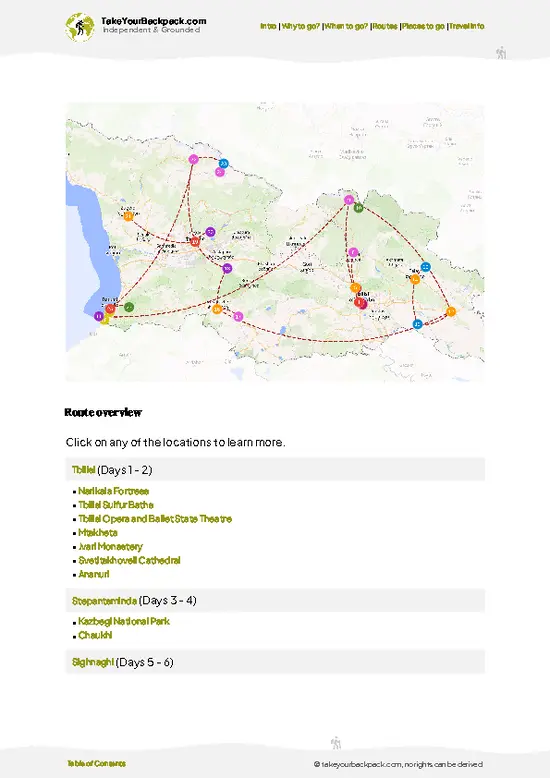
example page 0 from our offline Travel Guide for Georgia
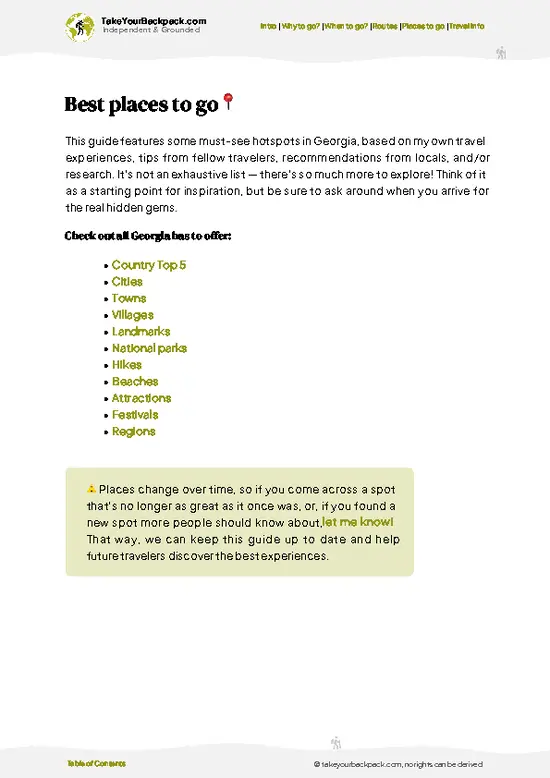
example page 1 from our offline Travel Guide for Georgia
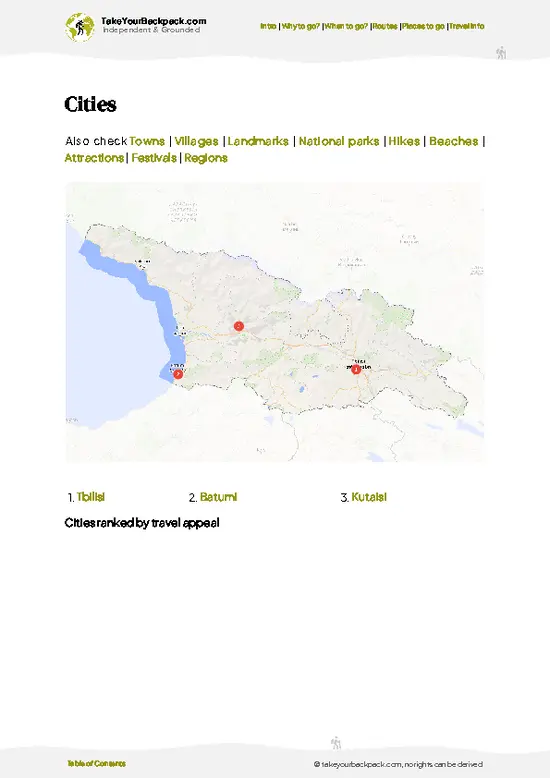
example page 2 from our offline Travel Guide for Georgia
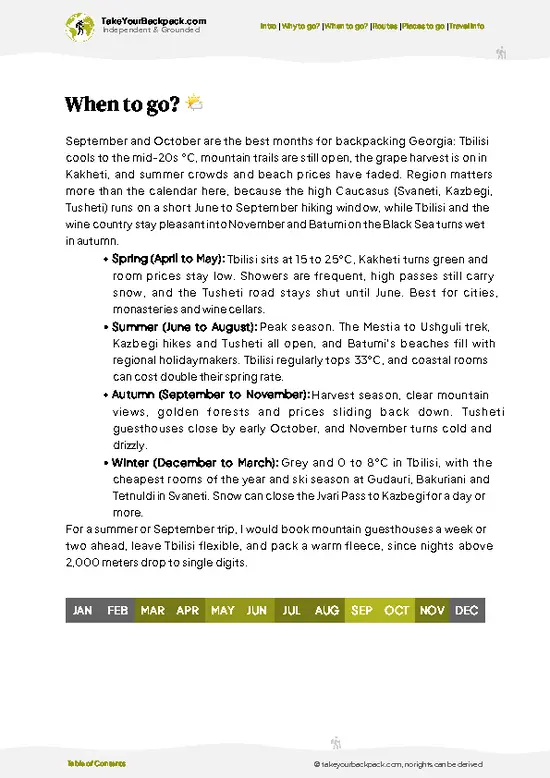
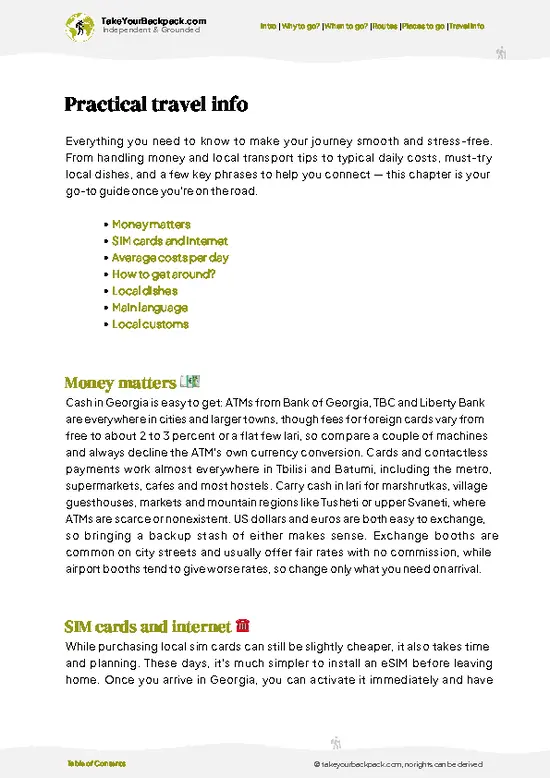
example page 3 from our offline Travel Guide for Georgia
example page 4 from our offline Travel Guide for Georgia
example page 5 from our offline Travel Guide for Georgia
example page 6 from our offline Travel Guide for Georgia
example page 7 from our offline Travel Guide for Georgia
Loading the map 🌍
CLICK TO FILTER
cities
towns
villages
landmarks
national parks
hikes
beaches
attractions
festivals
regions
SHOW COUNTRY’S BESTSHOW ALL

✨ Why go?
Ranked #10 attraction in Georgia
The unique appeal for travelers

The Kutaisi State Historical Museum isn’t some flashy, overhyped tourist trap plastered all over Instagram. It’s a deep dive into Georgia’s soul, packed with artifacts that tell stories you won’t find in guidebooks. Sure, it doesn’t have the crowds of Tbilisi’s museums, but that’s exactly why it’s a gem for backpackers who want to skip the noise and get real. The museum’s collection spans millennia, from ancient Colchis treasures to Soviet-era relics, offering a layered perspective on Georgia’s complex history. It’s a cultural checkpoint on the classic west-to-east route through the country, making it a natural milestone for those tracing Georgia’s evolution. The effort to get here pays off with a quiet, authentic experience that’s rich in context—no adrenaline rush, just pure historical immersion … read more 👉
The Kutaisi State Historical Museum isn’t some flashy, overhyped tourist trap plastered all over Instagram. It’s a deep dive into Georgia’s soul, packed with artifacts that tell stories you won’t find in guidebooks. Sure, it doesn’t have the crowds of Tbilisi’s museums, but that’s exactly why it’s a gem for backpackers who want to skip the noise and get real. The museum’s collection spans millennia, from ancient Colchis treasures to Soviet-era relics, offering a layered perspective on Georgia’s complex history. It’s a cultural checkpoint on the classic west-to-east route through the country, making it a natural milestone for those tracing Georgia’s evolution. The effort to get here pays off with a quiet, authentic experience that’s rich in context—no adrenaline rush, just pure historical immersion that sticks with you long after you leave.

💡 HighlightsEssential experiences to have while visiting Kutaisi State Historical Museum

The Colchis Gold Room
Forget the tired “ancient treasures” trope—this is the real deal. The Colchis Gold Room is a vault of jewelry, coins, and ritual objects from the land that inspired the myth of the Golden Fleece. These pieces aren’t just old; they’re wild, intricate, and sometimes weird. You’ll see goldwork that looks like it was made by aliens with a taste for the dramatic. The craftsmanship is so sharp you’ll wonder if modern jewelers are just phoning it in. If you only have time for one room, make it this one. (Personal favorite—nothing else in Georgia hits this level of myth-meets-metal.)


The Medieval Weaponry Collection
This isn’t a dusty row of swords behind glass. The museum’s medieval arms collection is a crash course in how Georgians fought off invaders for centuries. Expect axes, … read more 👉
The Colchis Gold Room
Forget the tired “ancient treasures” trope—this is the real deal. The Colchis Gold Room is a vault of jewelry, coins, and ritual objects from the land that inspired the myth of the Golden Fleece. These pieces aren’t just old; they’re wild, intricate, and sometimes weird. You’ll see goldwork that looks like it was made by aliens with a taste for the dramatic. The craftsmanship is so sharp you’ll wonder if modern jewelers are just phoning it in. If you only have time for one room, make it this one. (Personal favorite—nothing else in Georgia hits this level of myth-meets-metal.)


The Medieval Weaponry Collection
This isn’t a dusty row of swords behind glass. The museum’s medieval arms collection is a crash course in how Georgians fought off invaders for centuries. Expect axes, chainmail, and daggers that look like they’ve seen real action. The display doesn’t sugarcoat the violence—these are tools from a country that’s been a crossroads and a battleground for millennia. It’s tactile history, minus the Instagram filter.


The Svanetian Artifacts
Svaneti is Georgia’s mountain fortress, and the museum’s collection of Svanetian icons, textiles, and household gear is a window into a culture that’s stubbornly unique. The icons are raw and expressive, with faces that look like they’ve seen avalanches and blood feuds. The textiles are tough, built for survival, not show. This is the anti-tourist-trap: real objects from a real place, no gloss.


Ancient Manuscripts and Scripts
Georgia’s alphabet is famously oddball, and the museum’s manuscripts prove it. You’ll see parchment and paper covered in looping, mysterious letters—some religious, some scientific, all evidence of a culture that’s been writing its own story for centuries. If you geek out on language or the idea of civilizations doing things their own way, this is your jam.


The Archaeological Finds from Vani
Vani was a major city of ancient Colchis, and the artifacts here—bronze figurines, ritual vessels, and ceramics—are the closest you’ll get to time travel in Kutaisi. These aren’t just relics; they’re clues to a vanished world where myth and daily life blurred together. The museum doesn’t overhype them, but the sense of discovery is real if you slow down and look.
Spotted a mistake or missing something? Contact us.

Things to do around Kutaisi State Historical Museum

Ratings based on Tripadvisor reviews. When you book through this link, you support our work at no extra cost to you.

🌤️ When to go?When to go for the best experience

  • Weather: Kutaisi’s weather swings from cold, wet winters to hot, humid summers. April to June and September to October offer mild, pleasant conditions—think 15-25°C (59-77°F)—perfect for wandering without sweating buckets or freezing your fingers off.
  • Temperature: Winter months (December to February) can dip below 0°C (32°F), making museum visits less comfortable unless you’re a fan of bundling up indoors. Summer highs in July and August hit 30°C+ (86°F+), which can drain your energy fast.
  • Daylight Hours: Long days from May to August mean more time to explore, but the museum’s indoor setting makes daylight less critical. Still, shorter days in winter (around 9 hours) might limit your overall sightseeing time.
  • Crowds: Peak tourist season in summer brings groups and school trips, which
… read more 👉
  • Weather: Kutaisi’s weather swings from cold, wet winters to hot, humid summers. April to June and September to October offer mild, pleasant conditions—think 15-25°C (59-77°F)—perfect for wandering without sweating buckets or freezing your fingers off.
  • Temperature: Winter months (December to February) can dip below 0°C (32°F), making museum visits less comfortable unless you’re a fan of bundling up indoors. Summer highs in July and August hit 30°C+ (86°F+), which can drain your energy fast.
  • Daylight Hours: Long days from May to August mean more time to explore, but the museum’s indoor setting makes daylight less critical. Still, shorter days in winter (around 9 hours) might limit your overall sightseeing time.
  • Crowds: Peak tourist season in summer brings groups and school trips, which can clutter the museum experience. Shoulder seasons (spring and fall) offer a quieter, more personal vibe with fewer selfie sticks in your way.
  • Seasonal Activities: Kutaisi’s cultural calendar peaks in spring and fall with local festivals and markets nearby, adding layers to your visit beyond the museum’s walls.
  • Price Fluctuations: Entry fees stay stable year-round, but accommodation and transport costs spike in summer. Visiting off-peak can save you serious cash, which you can spend on local wine instead.
Pro-tip: Aim for late April or early October—cool, calm, and culturally rich—when Kutaisi State Historical Museum feels less like a tourist stop and more like a genuine dive into Georgian history.


source: climatestotravel.comJANJanuary: fair for travelingFEBFebruary: fair for travelingMARMarch: good for travelingAPRApril: excellent for travelingMAYMay: excellent for travelingJUNJune: highly recommended for travelingJULJuly: good for travelingAUGAugust: good for travelingSEPSeptember: excellent for travelingOCTOctober: excellent for travelingNOVNovember: good for travelingDECDecember: fair for traveling
when-to-go

✈️ The backpacker research shortcutGeorgia Travel Guide

An offline-friendly backpacking guide with optimized travel routes, ranked highlights, transport advice, and the best areas to stay.
example page 0 from our offline Travel Guide for Georgia
example page 1 from our offline Travel Guide for Georgia
example page 2 from our offline Travel Guide for Georgia
example page 3 from our offline Travel Guide for Georgia
example page 4 from our offline Travel Guide for Georgia
example page 5 from our offline Travel Guide for Georgia
example page 6 from our offline Travel Guide for Georgia
example page 7 from our offline Travel Guide for Georgia
The digital guide (350 pages) contains:
✅ 89 highlights, ranked by travel appeal
✅ Optimized 5, 10 & 15-day travel routes
✅ Cities, national parks, landmarks, beaches
✅ How to get around
✅ Offline-friendly for travel without Wi-Fi
👉 Click to see all 30+ guide features

📅 Plan smarter in minutes, not weeks
✅ Month by month travel advice
✅ Festivals & national holidays
✅ Budget expectations

🗺️ Go to the right places, skip the overrated ones
✅ Honest pros & cons of destinations
✅ Top hikes, parks & viewpoints
✅ Lesser-known places most travelers miss
✅ Clear “worth it vs skip it” guidance

🛏️ Travel smoothly without rookie mistakes
✅ Best areas to stay
✅ Transport systems explained simply
✅ Common scams & safety advice
✅ SIM cards, money & practical tips

🌍 Understand the country, not just visit it
✅ Culture & traditions
✅ 52 Essential phrases & customs
✅ Festivals worth planning around
✅ Traveler-friendly historical context
✅ Insights that make places more meaningful

📱 Built for real travel conditions
✅ Fully downloadable PDF
✅ Works completely offline
✅ Optimized for phone use
✅ Useful in remote areas & buses
✅ Everything in one place
Stop searching, start planning
Get instant access to your full guide. 30‑day money-back guarantee.
+ Add another guide for just

By proceeding you agree to our terms.
Sent to your inbox immediately after payment • 100% Secure Checkout
Best Backpacking Travel Advisor 2025 tourism awardBest Backpacking
Travel Advisor
2025
What others say about Take Your Backpack Guides:
⭐⭐⭐⭐⭐
Fantastic, amazing amount of information!
⭐⭐⭐⭐⭐
My goodness this is amazing, it's what I've been looking for hats off too you!
⭐⭐⭐⭐⭐
I think this is absolutely BRILLIANT
⭐⭐⭐⭐
Very complete and informative. It's still missing places, but I gotta to commend you
⭐⭐⭐⭐⭐
This is truly amazing, thank you, can't wait to explore it with my kids!
⭐⭐⭐⭐⭐
Awesome resource, thank you!
⭐⭐⭐⭐⭐
This is amazing! Can't wait to explore the ones I haven't seen
⭐⭐⭐⭐
I love this! Well done, great idea.
⭐⭐⭐⭐⭐
Thanks for taking the time to make this gem!
⭐⭐⭐⭐⭐
This might be the best website I've ever seen.
⭐⭐⭐⭐⭐
Congratulations, and thank you so much for your work; it's incredibly valuable.
⭐⭐⭐⭐
In all seriousness I think you did a great job pointing out the important spots
⭐⭐⭐⭐⭐
10/10 very good
⭐⭐⭐⭐⭐
As someone who's only just starting to visit regularly this is awesome, thank you.
⭐⭐⭐⭐
Thank you very much! I'm going to visit my dad, it's going to be very useful!
⭐⭐⭐⭐⭐
This is really cool! We'll be travelling for the first time and this definitely come in handy.
⭐⭐⭐⭐⭐
You are now our minister of culture, congratulations 👨‍💼
⭐⭐⭐⭐⭐
Just wanted to tell you that this is a pearl! Going to follow your recommendations.
⭐⭐⭐⭐⭐
This is so cool. I'll definitely be using the resource for my travels soon.
⭐⭐⭐⭐⭐
This is very impressive! Good work.
⭐⭐⭐⭐⭐
This is an amazing and informative site. Very well done!

🛏️ Where to stay?How to pick the right area

Kutaisi’s city center is where you want to be if the Kutaisi State Historical Museum is your main draw. It’s not just about proximity; this area pulses with the kind of energy that solo backpackers crave. You’ll find a mix of locals and travelers swapping stories over cheap wine and khachapuri, making it easy to break the ice. Safety here is solid—streets are lively well into the evening, which means less worry about wandering back late after a day of exploring.

Avoid the temptation to stay too far out chasing quiet; you’ll miss the social vibe that turns a solo trip into a shared adventure. … read more 👉
Kutaisi’s city center is where you want to be if the Kutaisi State Historical Museum is your main draw. It’s not just about proximity; this area pulses with the kind of energy that solo backpackers crave. You’ll find a mix of locals and travelers swapping stories over cheap wine and khachapuri, making it easy to break the ice. Safety here is solid—streets are lively well into the evening, which means less worry about wandering back late after a day of exploring.

Avoid the temptation to stay too far out chasing quiet; you’ll miss the social vibe that turns a solo trip into a shared adventure. The city center’s compact layout means you can walk everywhere, saving money on transport and giving you a real feel for Kutaisi’s rhythm. Plus, budget-friendly cafes and markets are scattered around, perfect for stretching your lari without sacrificing flavor or authenticity. This isn’t just a place to crash—it’s where the real Georgian experience kicks off.

👛 Costs (as of 15 October 2026)Travel costs and budget guide for Kutaisi State Historical Museum

As of the most recent estimates, the Kutaisi State Historical Museum charges an entry fee of 5 Georgian Lari (GEL) for adults, 3 GEL for students, and 2 GEL for schoolchildren. An English-speaking guide is available for an additional 15 GEL. Please note that 1 GEL is approximately equal to 0.30 to 0.50 euros.

source: kutaisi.travel
⚠️ Prices can change and everyone travels differently, so take this as a rough guide. Hope it helps you plan your adventure!

FAQCommon questions from travelers

1 to 2 hours is sufficient to visit Kutaisi State Historical Museum. This allows time to explore the main exhibits covering Georgian history and archaeology without rushing.
Yes, Kutaisi State Historical Museum is worth the entrance fee, which is typically around 5 GEL. The museum offers valuable insights into the region's rich cultural heritage and has well-preserved artifacts.
You can get to Kutaisi State Historical Museum by walking if you are in the city center, as it is centrally located near the main square. Alternatively, local minibuses or taxis can take you there from anywhere in Kutaisi within 10 minutes.
⚠️ Things can change over time, so always validate details locally before you go.

Other Georgian attractions near Kutaisi State Historical Museum

Explore more nearby:


💡 Not sure where to go next?
Create a personalized itinerary for Georgia including Kutaisi State Historical Museum and the places that fit your trip.

Generate my itinerary

👉 Discover all attractions

Or checkout all Georgia has to offer (think cities, towns, villages, national parks, hikes, beaches, festivals)
Country photo of Georgia

We 💚 feedbackSumming up the experience

Kutaisi State Historical Museum isn’t a flashy showpiece—it’s a quiet dive into Georgia’s layered past that rewards patience. The real magic is in the artifacts that tell stories you won’t find on glossy postcards. But heads up: the displays can feel a bit dated and the signage sparse, so if you’re expecting a polished, interactive experience, this might test your patience. Still, it’s a solid stop for history buffs craving authenticity.

✈️ When did I visit Georgia?
It was September 2018 when I visited Georgia, starting in Tbilisi and making my way up to the mountains.

✍️ Help improve this page!
The information on this page is based on my own backpacking experience in Georgia, supplemented with up-to-date research and feedback from other travelers. Travel details can change, so if you notice anything outdated or incomplete, feel free to let me know.


🙋‍♂️ Give feedback

👋 Meet the founderWho’s Behind Take Your Backpack?

Johan, backpacker and founder of TakeYourBackpackHi, I’m Johan (Netherlands 🇳🇱), the creator of TakeYourBackpack. Over the past 3 decades, I’ve backpacked through 90+ countries across six continents, gaining extensive experience with independent travel, long-term trips, and overland routes.

This site is built on a combination of firsthand travel experience and carefully curated insights from other backpackers. Many guides are based on places I’ve personally visited, while others bring together tips, observations, and practical advice shared by trusted travelers I’ve met along the way.

The goal is to provide realistic, experience-driven guidance — not generic itineraries — so you can explore destinations with better context, clearer expectations, and more confidence.