v2.webp)


- Wilseder Berg — The highest point in the Lüneburg Heath (about 169 m) and the go-to panoramic spot: climb up and you get a wide, lowland vista of rolling heath, junipers and tiny thatched villages instead of alpine drama. Sunrise or sunset here feels endless — great for photos and for understanding how big “flat” northern Germany can look.
- Totengrund — A dramatic glacial hollow with steep, amphitheater-like slopes carpeted in heather and juniper. It’s one of those weirdly scenic geological features you don’t expect on an otherwise flat trail — quiet, intimate and full of small birds and insects that thrive in the sheltered micro-climate.
- Wilsede (the village) — A perfectly preserved, car-free heath village with thatched roofs and traditional houses; arriving here feels like stepping back
- Wilseder Berg — The highest point in the Lüneburg Heath (about 169 m) and the go-to panoramic spot: climb up and you get a wide, lowland vista of rolling heath, junipers and tiny thatched villages instead of alpine drama. Sunrise or sunset here feels endless — great for photos and for understanding how big “flat” northern Germany can look.
- Totengrund — A dramatic glacial hollow with steep, amphitheater-like slopes carpeted in heather and juniper. It’s one of those weirdly scenic geological features you don’t expect on an otherwise flat trail — quiet, intimate and full of small birds and insects that thrive in the sheltered micro-climate.
- Wilsede (the village) — A perfectly preserved, car-free heath village with thatched roofs and traditional houses; arriving here feels like stepping back a century. It’s a cultural highlight: horse carts, little cafes, and local museums that explain how shepherding and sheep kept the heath alive.
- Pietzmoor boardwalks — A raised-bog ecosystem reached by wooden walkways near Schneverdingen; expect mossy carpets, peat pools, dragonflies and an otherworldly quiet. Bog habitats are rare in central Europe, so the mix of plants and the squeak of the boardwalk make this stretch feel very different from normal forest or meadow hikes.
- Heidschnucken grazing and shepherd culture — The trail is named for these moorland sheep: shaggy, black-faced animals that are literally landscape managers. Seeing flocks and sometimes shepherds with dogs gives you a living connection to how the heath is maintained — it’s part wildlife encounter, part rural culture lesson that you won’t get on many long-distance trails.
Spotted a mistake or missing something? Contact us.

Historic Free Tour of Hamburg Old Warehouse District

Yacht Sailing After Work Tour of Hamburg Harbor

St. Pauli Kieztour - Hamburg's Reeperbahn in the middle

Green Bunker Tour on St. Pauli the Original

Hamburg Half-Day Tour: Private & Custom with a Local Guide

Speicherstadt & HafenCity Erlebnistour

The Kiez-Captain Reeperbahn & Beatles Kieztour Hamburg

Hamburg - Private Peppercorn Tour for 2 Persons

St George's Culinary Food Tour


 Best Backpacking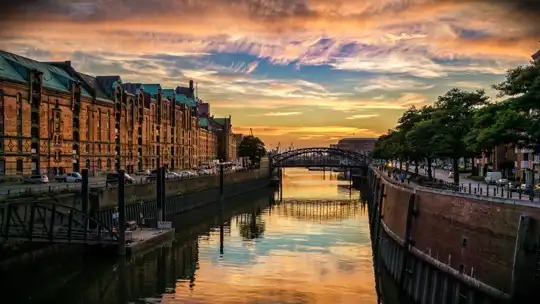
.jpg) Hi, I’m Johan (Netherlands 🇳🇱), the creator of TakeYourBackpack. Over the past 3 decades, I’ve backpacked through 90+ countries across six continents, gaining extensive experience with independent travel, long-term trips, and overland routes.
Hi, I’m Johan (Netherlands 🇳🇱), the creator of TakeYourBackpack. Over the past 3 decades, I’ve backpacked through 90+ countries across six continents, gaining extensive experience with independent travel, long-term trips, and overland routes.