v2.webp)
The Panda Garden
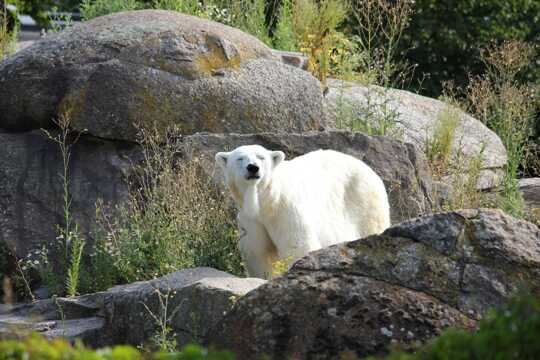
Let’s cut through the hype: yes, the pandas are a crowd magnet, and yes, you’ll have to elbow your way past selfie sticks. But here’s the truth—watching Meng Meng and Jiao Qing, the resident giant pandas, gnaw through bamboo in their custom-designed habitat is a rare privilege outside China. The enclosure is more than a photo op; it’s a masterclass in animal-centric design, with glass walls that let you observe every lazy roll and twitch of a fuzzy ear. If you want to see a panda actually move, go early—by noon, they’re usually in full nap mode.
The Historic Elephant House
This isn’t just a pen with a few elephants. The Elephant House is a slice of Berlin’s architectural history, rebuilt after WWII bombings and now a blend of old-world grandeur and modern animal care. The … read more 👉
Let’s cut through the hype: yes, the pandas are a crowd magnet, and yes, you’ll have to elbow your way past selfie sticks. But here’s the truth—watching Meng Meng and Jiao Qing, the resident giant pandas, gnaw through bamboo in their custom-designed habitat is a rare privilege outside China. The enclosure is more than a photo op; it’s a masterclass in animal-centric design, with glass walls that let you observe every lazy roll and twitch of a fuzzy ear. If you want to see a panda actually move, go early—by noon, they’re usually in full nap mode.
The Historic Elephant House
This isn’t just a pen with a few elephants. The Elephant House is a slice of Berlin’s architectural history, rebuilt after WWII bombings and now a blend of old-world grandeur and modern animal care. The … read more 👉
The Panda Garden
Let’s cut through the hype: yes, the pandas are a crowd magnet, and yes, you’ll have to elbow your way past selfie sticks. But here’s the truth—watching Meng Meng and Jiao Qing, the resident giant pandas, gnaw through bamboo in their custom-designed habitat is a rare privilege outside China. The enclosure is more than a photo op; it’s a masterclass in animal-centric design, with glass walls that let you observe every lazy roll and twitch of a fuzzy ear. If you want to see a panda actually move, go early—by noon, they’re usually in full nap mode.
The Historic Elephant House
This isn’t just a pen with a few elephants. The Elephant House is a slice of Berlin’s architectural history, rebuilt after WWII bombings and now a blend of old-world grandeur and modern animal care. The scale is impressive, but what really sets it apart is the chance to watch Asian and African elephants up close, sometimes even during their daily baths. The scent of hay, the echo of trumpeting, and the sheer size of these animals in such an ornate setting—this is the kind of sensory overload you remember.
The Nocturnal Animal House
Forget the sunlit Instagram shots—step inside here and your eyes need a minute to adjust. This is where the Berlin Zoo gets weird and wonderful. You’ll find aardvarks, bats, and bushbabies in a reverse-light cycle, so they’re actually awake and active when you visit. The low lighting, the rustle of unseen creatures, and the occasional flash of movement make it feel like you’ve slipped into a David Attenborough outtake. If you’re traveling with kids, this is the spot that’ll spark wild stories later.
The Aquarium
Technically a separate ticket, but worth every euro if you’re even remotely interested in aquatic life. Three floors of tanks, from jellyfish that look like floating galaxies to crocodiles that stare you down with prehistoric indifference. The reptile section is a personal favorite—there’s something hypnotic about watching a Komodo dragon lumber across its enclosure, or seeing poison dart frogs so bright they look Photoshopped. If you’re feeling jaded by “just another zoo,” the Aquarium will snap you out of it.
The Petting Zoo (Streichelzoo)
This is not just for toddlers. The petting zoo is a slice of rural Germany in the middle of the city, with goats, sheep, and donkeys that are surprisingly chill about being mobbed by sticky-fingered visitors. It’s a reminder that the Berlin Zoo isn’t just about exotic animals—it’s about connection, and sometimes that means getting your hands dirty. If you’re traveling solo, don’t skip it; there’s something grounding about feeding a goat and getting headbutted for your trouble.
The Historic Entrance Gate (Elefantentor)
Most people rush past, but stop and look up. The Elephant Gate is a riot of color and detail, a relic of imperial Berlin that survived the bombs and the decades. It’s not just an entrance—it’s a statement. If you want a photo that actually says “Berlin Zoo” without blending into every other zoo on earth, this is the spot. And if you’re a fan of architectural oddities, it’s worth a slow circuit before you even buy your ticket.
Let’s cut through the hype: yes, the pandas are a crowd magnet, and yes, you’ll have to elbow your way past selfie sticks. But here’s the truth—watching Meng Meng and Jiao Qing, the resident giant pandas, gnaw through bamboo in their custom-designed habitat is a rare privilege outside China. The enclosure is more than a photo op; it’s a masterclass in animal-centric design, with glass walls that let you observe every lazy roll and twitch of a fuzzy ear. If you want to see a panda actually move, go early—by noon, they’re usually in full nap mode.
The Historic Elephant House
This isn’t just a pen with a few elephants. The Elephant House is a slice of Berlin’s architectural history, rebuilt after WWII bombings and now a blend of old-world grandeur and modern animal care. The scale is impressive, but what really sets it apart is the chance to watch Asian and African elephants up close, sometimes even during their daily baths. The scent of hay, the echo of trumpeting, and the sheer size of these animals in such an ornate setting—this is the kind of sensory overload you remember.
The Nocturnal Animal House
Forget the sunlit Instagram shots—step inside here and your eyes need a minute to adjust. This is where the Berlin Zoo gets weird and wonderful. You’ll find aardvarks, bats, and bushbabies in a reverse-light cycle, so they’re actually awake and active when you visit. The low lighting, the rustle of unseen creatures, and the occasional flash of movement make it feel like you’ve slipped into a David Attenborough outtake. If you’re traveling with kids, this is the spot that’ll spark wild stories later.
The Aquarium
Technically a separate ticket, but worth every euro if you’re even remotely interested in aquatic life. Three floors of tanks, from jellyfish that look like floating galaxies to crocodiles that stare you down with prehistoric indifference. The reptile section is a personal favorite—there’s something hypnotic about watching a Komodo dragon lumber across its enclosure, or seeing poison dart frogs so bright they look Photoshopped. If you’re feeling jaded by “just another zoo,” the Aquarium will snap you out of it.
The Petting Zoo (Streichelzoo)
This is not just for toddlers. The petting zoo is a slice of rural Germany in the middle of the city, with goats, sheep, and donkeys that are surprisingly chill about being mobbed by sticky-fingered visitors. It’s a reminder that the Berlin Zoo isn’t just about exotic animals—it’s about connection, and sometimes that means getting your hands dirty. If you’re traveling solo, don’t skip it; there’s something grounding about feeding a goat and getting headbutted for your trouble.
The Historic Entrance Gate (Elefantentor)
Most people rush past, but stop and look up. The Elephant Gate is a riot of color and detail, a relic of imperial Berlin that survived the bombs and the decades. It’s not just an entrance—it’s a statement. If you want a photo that actually says “Berlin Zoo” without blending into every other zoo on earth, this is the spot. And if you’re a fan of architectural oddities, it’s worth a slow circuit before you even buy your ticket.
Spotted a mistake or missing something? Contact us.

5hours: Guide, Chauffeur & Photographer in Berlin private Tour

Private Berlin Custom Half-Day Tour with Private Driver and Guide

BERLIN PHOTO TOUR with a professional Photographer from Berlin

Private All-in-One Berlin Shore Excursion from Warnemünde Port

Private Multi-Day Auto Factory Tour from Munich with Hotels

Berlin City Center: The Most Famous Sites (private 3 hours Walking tour)

Private Personalized Photoshoot in Berlin

The History of Berlin City Center Tour Semi-Private 12ppl Max

Welcome to Berlin: Group Walking Tour

 Best Backpacking
.jpg) Hi, I’m Johan (Netherlands 🇳🇱), the creator of TakeYourBackpack. Over the past 3 decades, I’ve backpacked through 90+ countries across six continents, gaining extensive experience with independent travel, long-term trips, and overland routes.
Hi, I’m Johan (Netherlands 🇳🇱), the creator of TakeYourBackpack. Over the past 3 decades, I’ve backpacked through 90+ countries across six continents, gaining extensive experience with independent travel, long-term trips, and overland routes.