v2.webp)

Felsenkirche (Church in the Rock)
You climb a steep, cobbled path and suddenly, the church appears—half-carved into the cliff, half reaching for the sky. Inside, the cool stone hushes the world outside. The stained glass glows even on grey days. Go in the late afternoon for golden light slanting through the windows. Entry is a few euros; 30-45 minutes is enough unless you linger over the views from the terrace.
Deutsches Edelsteinmuseum (German Gemstone Museum)
Idar-Oberstein’s soul is cut and polished here. The museum is a labyrinth of shimmering agates, raw crystals, and centuries-old jewelry. You’ll see stones that look like frozen lightning. Go on a weekday morning to avoid school groups. Entry is under €10; allow 1-1.5 hours if you want to really absorb the stories behind the stones.
… read more 👉
You climb a steep, cobbled path and suddenly, the church appears—half-carved into the cliff, half reaching for the sky. Inside, the cool stone hushes the world outside. The stained glass glows even on grey days. Go in the late afternoon for golden light slanting through the windows. Entry is a few euros; 30-45 minutes is enough unless you linger over the views from the terrace.
Deutsches Edelsteinmuseum (German Gemstone Museum)
Idar-Oberstein’s soul is cut and polished here. The museum is a labyrinth of shimmering agates, raw crystals, and centuries-old jewelry. You’ll see stones that look like frozen lightning. Go on a weekday morning to avoid school groups. Entry is under €10; allow 1-1.5 hours if you want to really absorb the stories behind the stones.
… read more 👉
Felsenkirche (Church in the Rock)
You climb a steep, cobbled path and suddenly, the church appears—half-carved into the cliff, half reaching for the sky. Inside, the cool stone hushes the world outside. The stained glass glows even on grey days. Go in the late afternoon for golden light slanting through the windows. Entry is a few euros; 30-45 minutes is enough unless you linger over the views from the terrace.
Deutsches Edelsteinmuseum (German Gemstone Museum)
Idar-Oberstein’s soul is cut and polished here. The museum is a labyrinth of shimmering agates, raw crystals, and centuries-old jewelry. You’ll see stones that look like frozen lightning. Go on a weekday morning to avoid school groups. Entry is under €10; allow 1-1.5 hours if you want to really absorb the stories behind the stones.
Historische Weiherschleife (Historic Water-Powered Gem Cutting Mill)
This is the sound of water and stone—wheels turning, belts humming, the scent of wet slate. Guides demonstrate how agates were shaped by hand and waterpower. It’s a living piece of industrial history. Open spring to autumn; €5-7 entry. Plan for about an hour.
Schloss Oberstein (Oberstein Castle)
A short, steep hike rewards you with a fortress perched above the town. The wind up here tastes of moss and old stone. The castle isn’t grand, but it’s honest—rough walls, narrow stairs, and a view that explains why people settled here. Open weekends and holidays; €3-5. Give yourself an hour, more if you bring a picnic.
Altstadt Idar-Oberstein (Old Town)
Wander the lanes where gem traders once haggled and bakers still sell dense, nutty bread. The half-timbered houses lean into each other, and the air smells faintly of roasting coffee and river stone. Free to explore; best in the early evening when the shops close and the locals reclaim the streets.
For day trips, the wild red cliffs of the Nahe Valley, the medieval ruins of Burg Bosselstein, and the gemstone mines at Steinkaulenberg are all close by—Steinkaulenberg is my personal favorite for its underground adventure.
You climb a steep, cobbled path and suddenly, the church appears—half-carved into the cliff, half reaching for the sky. Inside, the cool stone hushes the world outside. The stained glass glows even on grey days. Go in the late afternoon for golden light slanting through the windows. Entry is a few euros; 30-45 minutes is enough unless you linger over the views from the terrace.
Deutsches Edelsteinmuseum (German Gemstone Museum)
Idar-Oberstein’s soul is cut and polished here. The museum is a labyrinth of shimmering agates, raw crystals, and centuries-old jewelry. You’ll see stones that look like frozen lightning. Go on a weekday morning to avoid school groups. Entry is under €10; allow 1-1.5 hours if you want to really absorb the stories behind the stones.
Historische Weiherschleife (Historic Water-Powered Gem Cutting Mill)
This is the sound of water and stone—wheels turning, belts humming, the scent of wet slate. Guides demonstrate how agates were shaped by hand and waterpower. It’s a living piece of industrial history. Open spring to autumn; €5-7 entry. Plan for about an hour.
Schloss Oberstein (Oberstein Castle)
A short, steep hike rewards you with a fortress perched above the town. The wind up here tastes of moss and old stone. The castle isn’t grand, but it’s honest—rough walls, narrow stairs, and a view that explains why people settled here. Open weekends and holidays; €3-5. Give yourself an hour, more if you bring a picnic.
Altstadt Idar-Oberstein (Old Town)
Wander the lanes where gem traders once haggled and bakers still sell dense, nutty bread. The half-timbered houses lean into each other, and the air smells faintly of roasting coffee and river stone. Free to explore; best in the early evening when the shops close and the locals reclaim the streets.
For day trips, the wild red cliffs of the Nahe Valley, the medieval ruins of Burg Bosselstein, and the gemstone mines at Steinkaulenberg are all close by—Steinkaulenberg is my personal favorite for its underground adventure.
Spotted a mistake or missing something? Contact us.

Trier: City Walk with Audio Guide in 7 Languages on your Phone

For the love of Riesling - Mosel Wine tour
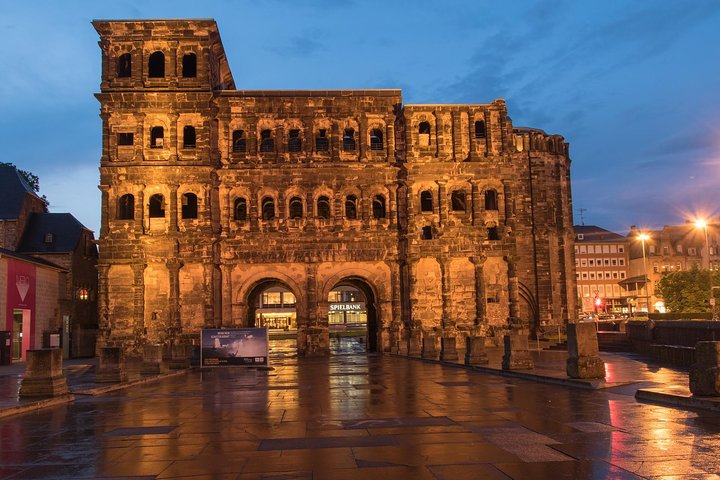
Trier Private Walking Tour With A Professional Guide

Trier Exploration Private Game and City Tour on your Phone

Trier Self-Guided Detective Murder Mystery Game

Trier Highlights – Porta Nigra, Cathedral & Roman Baths

Trier Interactive City Tour

Wine walk Trier

Explore Trier's City Highlights with a Local


 Best Backpacking
.jpg) Hi, I’m Johan (Netherlands 🇳🇱), the creator of TakeYourBackpack. Over the past 3 decades, I’ve backpacked through 90+ countries across six continents, gaining extensive experience with independent travel, long-term trips, and overland routes.
Hi, I’m Johan (Netherlands 🇳🇱), the creator of TakeYourBackpack. Over the past 3 decades, I’ve backpacked through 90+ countries across six continents, gaining extensive experience with independent travel, long-term trips, and overland routes.