×

Germany🇩🇪 | citiesTrierRoman ruins, Moselle valley, archaeological sites | things to do and best time to go

Explore NürnbergExplore Wiesbaden

Backpacking in Trier
👍 Recommendedcity ranked #14
By Johan Kruseman 🇳🇱 | Updated September 4, 2026

Most people only realize on the train out that Trier is the perfect “base camp” for cheap day trips into Luxembourg, the Mosel wine valley, and even France, all on short regional hops. Sitting in Germany’s far west near the Luxembourg border, it’s a compact Roman-history powerhouse: Porta Nigra, the amphitheater, Karl Marx House, and a mellow riverside vibe. For backpackers, it’s safe, walkable, and cheaper than Cologne or Luxembourg City, but quieter; hostels and nightlife exist, just not in party-mode density, so you trade constant social buzz for slower, more thoughtful days.

Discover everything you want to know in the 📖 Germany Travel Guide.


Get your Germany guide
140 ranked highlights, routes & tips, works offline (514 pages)
Loading the map 🌍
CLICK TO FILTER
cities
towns
landmarks
national parks
hikes
beaches
attractions
festivals
regions
SHOW COUNTRY’S BESTSHOW ALL

✨ Why go?
Ranked #14 city in Germany
Reasons people choose to visit here

Trier is a strategic stop for backpackers weaving through Germany. It’s packed with historical highlights that make for great exploration without overwhelming your schedule. The city’s walkability means you can easily navigate its charming streets, soaking in the Roman architecture while saving time and energy. Affordable hostels provide a solid basecamp, allowing you to recharge before heading out on day trips to nearby attractions. Food options are diverse, from quick bites to cozy eateries, ensuring you won’t break the bank while enjoying local flavors. The nightlife is laid-back yet lively, perfect for unwinding after a day of sightseeing. Plus, Trier’s easy onward travel connections make it a breeze to continue your journey. If you’re after a blend of culture and convenience, this city is a worthy addition to your backpacking route.
Want to include Trier in your Germany route?
Create a personalized Germany itinerary that includes Trier and the places that fit your trip — based on your travel style, budget, and available time. Get your route in seconds.

Generate my trip

💡 HighlightsTop highlights of Trier

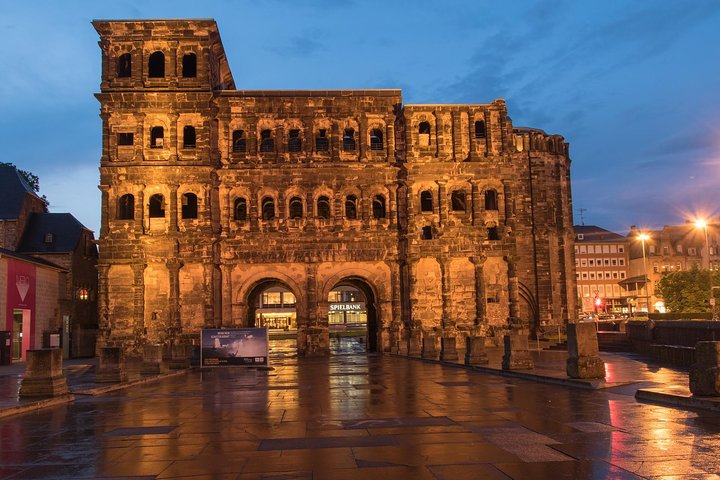
  1. Porta Nigra — The massive Roman city gate that practically defines Trier; you can walk around and up into its stone chambers, feel the weight of two millennia and get a proper sense for how this was a fortified Roman city.
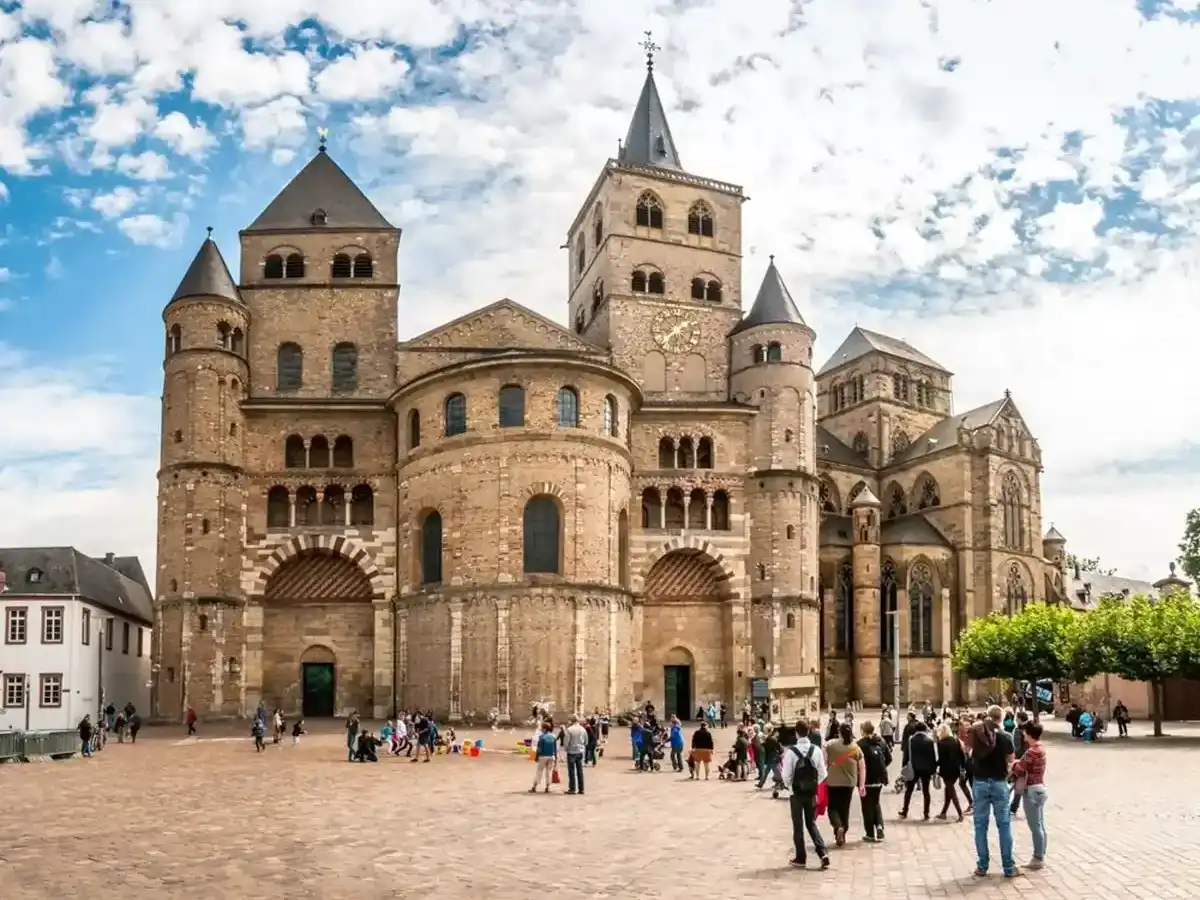
  2. Trier Cathedral (Dom St. Peter) — A layered building where Roman, Romanesque and Baroque meet; the treasury and the imperial throne fragments are worth lingering over, and the atmosphere is quietly powerful.
  3. Church of Our Lady (Liebfrauenkirche) — Right next to the cathedral and part of the UNESCO ensemble, this early Gothic church is surprisingly intimate and beautifully proportioned — a clear window into medieval liturgical design.
  4. Basilica of Constantine (Aula Palatina) — The enormous, plain-roofed Roman hall still impresses with scale; it’s one of the best places
read more 👉
  1. Porta Nigra — The massive Roman city gate that practically defines Trier; you can walk around and up into its stone chambers, feel the weight of two millennia and get a proper sense for how this was a fortified Roman city.
  2. Trier Cathedral (Dom St. Peter) — A layered building where Roman, Romanesque and Baroque meet; the treasury and the imperial throne fragments are worth lingering over, and the atmosphere is quietly powerful.
  3. Church of Our Lady (Liebfrauenkirche) — Right next to the cathedral and part of the UNESCO ensemble, this early Gothic church is surprisingly intimate and beautifully proportioned — a clear window into medieval liturgical design.
  4. Basilica of Constantine (Aula Palatina) — The enormous, plain-roofed Roman hall still impresses with scale; it’s one of the best places in Trier to imagine civic life in late antiquity and occasionally hosts concerts, which are a treat.
  5. Roman Amphitheatre — Walk the terraces where gladiators once fought; the site’s layout and the small museum make it easy to picture public spectacle in Roman Trier, and events still happen here in summer.
  6. Roman Bridge (Römerbrücke) — The Moselle-spanning stone bridge has Roman foundations and is the oldest bridge in Germany you can still walk across — great for photos and watching river life.
  7. Kaiserthermen (Imperial Baths) — Big, atmospheric ruins on a hill: you can see the footprint of massive bathing complexes and the engineering that supported them, without the crowds of the main monuments.
  8. Karl Marx House — The small, well-curated museum in Marx’s birthplace gives context to his life and ideas; even if you don’t share his politics, it’s a neat slice of social history right in the old town.
  9. Rheinisches Landesmuseum Trier — One of Germany’s best regional archaeology museums, packed with Roman finds dug out of the city; plan at least an hour and you’ll come away understanding why Trier was such a powerhouse.
  10. St. Matthias’ Abbey — A working abbey planted on a hill with a tomb said to hold the apostle Matthias; the church, cloister and hilltop views give a quieter, pilgrim-like contrast to the busier central sites.
A few easy day trips: the Moselle wine towns like Bernkastel-Kues and Piesport, the waterfall town of Saarburg, or even Luxembourg City are all short drives or train rides from Trier and make excellent half- or full-day outings.
Spotted a mistake or missing something? Contact us.

Things to do in Trier

Ratings based on Tripadvisor reviews. When you book through this link, you support our work at no extra cost to you.

🏘️ NeighborhoodsKey areas and districts to know

Trier, Germany, is a treasure trove of history and charm, making it a fantastic stop for backpackers. Here’s how the neighborhoods stack up:

Altstadt (Old Town): This is the heart of Trier, where Roman ruins meet cozy cafes. The vibe is lively, especially around the Hauptmarkt. It’s walkable, with everything in easy reach. Prices can be higher here, but the experience is worth it. Perfect for short stays, you’ll soak up the city’s essence quickly.

Nordstadt: A quieter area with a local feel. It’s less touristy, making it ideal for budget-conscious travelers. You’ll find affordable eateries and parks. Walkability is decent, but you might need public transport for major sights. Great for longer stays if you want a more authentic experience.

Weststadt: This neighborhood offers a mix of residential … read more 👉
Trier, Germany, is a treasure trove of history and charm, making it a fantastic stop for backpackers. Here’s how the neighborhoods stack up:

Altstadt (Old Town): This is the heart of Trier, where Roman ruins meet cozy cafes. The vibe is lively, especially around the Hauptmarkt. It’s walkable, with everything in easy reach. Prices can be higher here, but the experience is worth it. Perfect for short stays, you’ll soak up the city’s essence quickly.

Nordstadt: A quieter area with a local feel. It’s less touristy, making it ideal for budget-conscious travelers. You’ll find affordable eateries and parks. Walkability is decent, but you might need public transport for major sights. Great for longer stays if you want a more authentic experience.

Weststadt: This neighborhood offers a mix of residential life and nightlife. It’s vibrant, with bars and clubs that attract a younger crowd. Prices are moderate, and it’s walkable, but expect some noise at night. Best for those looking to balance exploration with socializing.

Oststadt: A bit further from the center, but offers a peaceful retreat. It’s less busy, making it suitable for longer stays. Transport links are good, but you’ll miss out on the immediate buzz. Ideal for those seeking comfort over nightlife.

⌛️ 1 dayHow to make the most of one day

Trier, Germany, is a city where history whispers through ancient stones. As one of the oldest cities in the country, it boasts Roman ruins, charming streets, and a vibrant local culture. You can easily spend a day here soaking in its rich tapestry.

Start your morning at the Porta Nigra, the iconic Roman gate that sets the tone for your adventure. Grab a coffee at a nearby café, like Café Blum, where the pastries are as delightful as the ambiance. After fueling up, stroll through the Hauptmarkt, the main square, where you can admire the medieval architecture and perhaps pick up a local delicacy from a market stall.

In the afternoon, head to the Kaiserthermen, the Roman baths. This site is often overlooked by tourists but offers a fascinating glimpse into ancient life. The ruins are expansive, … read more 👉
Trier, Germany, is a city where history whispers through ancient stones. As one of the oldest cities in the country, it boasts Roman ruins, charming streets, and a vibrant local culture. You can easily spend a day here soaking in its rich tapestry.

Start your morning at the Porta Nigra, the iconic Roman gate that sets the tone for your adventure. Grab a coffee at a nearby café, like Café Blum, where the pastries are as delightful as the ambiance. After fueling up, stroll through the Hauptmarkt, the main square, where you can admire the medieval architecture and perhaps pick up a local delicacy from a market stall.

In the afternoon, head to the Kaiserthermen, the Roman baths. This site is often overlooked by tourists but offers a fascinating glimpse into ancient life. The ruins are expansive, and wandering through them feels like stepping back in time. Afterward, explore the Altstadt (Old Town) with its narrow, winding streets. Don’t miss the stunning Trier Cathedral, a UNESCO World Heritage site.

As evening approaches, make your way to the Moselle River. The riverside promenade is perfect for a leisurely walk. For dinner, try a local wine tavern like Weinhaus Rudi, where you can savor regional dishes paired with exquisite Moselle wines.

This day in Trier is a blend of history, culture, and culinary delight, all wrapped up in a manageable, enjoyable pace. You’ll leave feeling enriched, with memories that linger long after you’ve departed.
Turn your Trier visit into an Germany adventure
Build a complete Germany route with Trier, hidden gems, must-see destinations, and realistic travel times included.

Generate my trip

🌤️ When to go?Best time to visit Trier


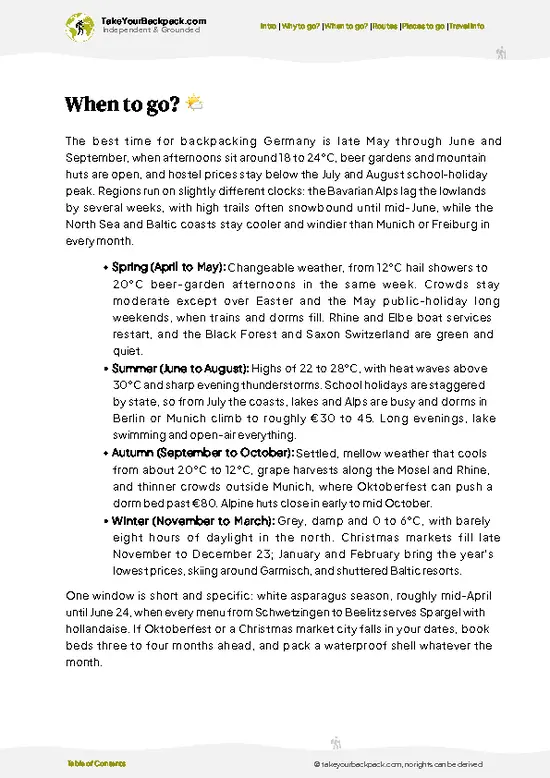
  • Weather: Spring and early autumn offer mild, pleasant weather—around 15-20°C (59-68°F)—perfect for walking without overheating or freezing.

  • Temperature: Summer can spike to 25-30°C (77-86°F), which is fine but can get sticky in the city’s narrow streets; winter drops below freezing, often hovering around 0°C (32°F).

  • Daylight Hours: Long summer days stretch up to 16 hours, maximizing exploration time; winter cuts this to about 8 hours, limiting daylight trekking.

  • Crowds: Peak summer months bring tourists and festival-goers, bumping up prices and crowd density; late spring and early fall are quieter, letting you savor Trier’s Roman ruins without elbowing.

  • Seasonal Activities: Christmas markets in December are a draw but come with cold and crowds; spring festivals and wine harvest
read more 👉

  • Weather: Spring and early autumn offer mild, pleasant weather—around 15-20°C (59-68°F)—perfect for walking without overheating or freezing.

  • Temperature: Summer can spike to 25-30°C (77-86°F), which is fine but can get sticky in the city’s narrow streets; winter drops below freezing, often hovering around 0°C (32°F).

  • Daylight Hours: Long summer days stretch up to 16 hours, maximizing exploration time; winter cuts this to about 8 hours, limiting daylight trekking.

  • Crowds: Peak summer months bring tourists and festival-goers, bumping up prices and crowd density; late spring and early fall are quieter, letting you savor Trier’s Roman ruins without elbowing.

  • Seasonal Activities: Christmas markets in December are a draw but come with cold and crowds; spring festivals and wine harvest events in September offer authentic local flavor without the crush.

  • Price Fluctuations: Accommodation and transport costs peak in summer and December; shoulder seasons (April-May, September-October) balance cost and experience, often halving expenses.


Pro-tip: Aim for late April to early June or September to early October—sweet spots where weather, crowds, and prices align to give you the best bang for your backpacking buck.


source: climatestotravel.comJANJanuary: fair for travelingFEBFebruary: fair for travelingMARMarch: good for travelingAPRApril: highly recommended for travelingMAYMay: excellent for travelingJUNJune: highly recommended for travelingJULJuly: good for travelingAUGAugust: good for travelingSEPSeptember: excellent for travelingOCTOctober: highly recommended for travelingNOVNovember: good for travelingDECDecember: fair for traveling
germany-city-trier
© Google | Randolfo Santos

✈️ The backpacker research shortcutGermany Travel Guide

An offline-friendly backpacking guide with optimized travel routes, ranked highlights, transport advice, and the best areas to stay.
example page 0 from our offline Travel Guide for Germany
example page 1 from our offline Travel Guide for Germany
example page 2 from our offline Travel Guide for Germany
example page 3 from our offline Travel Guide for Germany
example page 4 from our offline Travel Guide for Germany
example page 5 from our offline Travel Guide for Germany
example page 6 from our offline Travel Guide for Germany
example page 7 from our offline Travel Guide for Germany
The digital guide (514 pages) contains:
140 highlights, ranked by travel appeal
Optimized 7, 14 & 21-day travel routes
Cities, national parks, landmarks, beaches
How to get around
Offline-friendly for travel without Wi-Fi
👉 Click to see all 30+ guide features

📅 Plan smarter in minutes, not weeks
Month by month travel advice
Festivals & national holidays
Budget expectations

🗺️ Go to the right places, skip the overrated ones
Honest pros & cons of destinations
Top hikes, parks & viewpoints
Lesser-known places most travelers miss
Clear “worth it vs skip it” guidance

🛏️ Travel smoothly without rookie mistakes
Best areas to stay
Transport systems explained simply
Common scams & safety advice
SIM cards, money & practical tips

🌍 Understand the country, not just visit it
Culture & traditions
52 Essential phrases & customs
Festivals worth planning around
Traveler-friendly historical context
Insights that make places more meaningful

📱 Built for real travel conditions
Fully downloadable PDF
Works completely offline
Optimized for phone use
Useful in remote areas & buses
Everything in one place
Save weeks of stressful planning
Get instant access to your full guide. 30‑day money-back guarantee.
+ Add another guide for just US$7.80

By proceeding you agree to our terms.
Sent to your inbox immediately after payment • 100% Secure Checkout
Best Backpacking Travel Advisor 2025 tourism awardBest Backpacking
Travel Advisor
2025
What others say about Take Your Backpack Guides:
⭐⭐⭐⭐⭐
Fantastic, amazing amount of information!
⭐⭐⭐⭐⭐
My goodness this is amazing, it's what I've been looking for hats off too you!
⭐⭐⭐⭐⭐
I think this is absolutely BRILLIANT
⭐⭐⭐⭐
Very complete and informative. It's still missing places, but I gotta to commend you
⭐⭐⭐⭐⭐
This is truly amazing, thank you, can't wait to explore it with my kids!
⭐⭐⭐⭐⭐
Awesome resource, thank you!
⭐⭐⭐⭐⭐
This is amazing! Can't wait to explore the ones I haven't seen
⭐⭐⭐⭐
I love this! Well done, great idea.
⭐⭐⭐⭐⭐
Thanks for taking the time to make this gem!
⭐⭐⭐⭐⭐
This might be the best website I've ever seen.
⭐⭐⭐⭐⭐
Congratulations, and thank you so much for your work; it's incredibly valuable.
⭐⭐⭐⭐
In all seriousness I think you did a great job pointing out the important spots
⭐⭐⭐⭐⭐
10/10 very good
⭐⭐⭐⭐⭐
As someone who's only just starting to visit regularly this is awesome, thank you.
⭐⭐⭐⭐
Thank you very much! I'm going to visit my dad, it's going to be very useful!
⭐⭐⭐⭐⭐
This is really cool! We'll be travelling for the first time and this definitely come in handy.
⭐⭐⭐⭐⭐
You are now our minister of culture, congratulations 👨‍💼
⭐⭐⭐⭐⭐
Just wanted to tell you that this is a pearl! Going to follow your recommendations.
⭐⭐⭐⭐⭐
This is so cool. I'll definitely be using the resource for my travels soon.
⭐⭐⭐⭐⭐
This is very impressive! Good work.
⭐⭐⭐⭐⭐
This is an amazing and informative site. Very well done!

🛏️ Where to stay?Best areas and accommodation options

Trier’s Old Town (Altstadt) is the prime spot for backpackers who want to be in the thick of it. It’s compact, safe, and packed with lively cafés, bars, and historic sites, making it easy to meet fellow travelers without the hassle of long commutes. The vibe here is a mix of student energy and tourist buzz, perfect for solo adventurers craving social interaction. Hostels and budget accommodations cluster around this area, offering straightforward access to the city’s pulse.

Venture slightly beyond the Old Town, and you hit neighborhoods like Mitte and Nordviertel. These are quieter, more residential, … read more 👉
Trier’s Old Town (Altstadt) is the prime spot for backpackers who want to be in the thick of it. It’s compact, safe, and packed with lively cafés, bars, and historic sites, making it easy to meet fellow travelers without the hassle of long commutes. The vibe here is a mix of student energy and tourist buzz, perfect for solo adventurers craving social interaction. Hostels and budget accommodations cluster around this area, offering straightforward access to the city’s pulse.

Venture slightly beyond the Old Town, and you hit neighborhoods like Mitte and Nordviertel. These are quieter, more residential, but still within walking distance to the action. They trade some nightlife for calm streets and local charm, ideal if you want to recharge without sacrificing convenience. Compared to the outskirts, these central zones save you time and transport costs, a smart trade-off for budget-conscious backpackers who prize both comfort and connection.

🚌 Getting aroundMoving around without the hassle

Trier moves at a pace that’s a curious blend of old-world steadiness and modern practicality. It’s not a city where you’ll find frantic rush-hour crushes or chaotic honking. Instead, the rhythm here is more about timing your steps with the gentle flow of trams and buses, where schedules matter but aren’t oppressive. The city’s compact size means you often trade off between a short walk and a quick bus ride, and knowing when to choose which is the key to mastering Trier’s transit game.


  • Walking: Trier’s historic center is remarkably walkable. You can cover most major sights on foot within 30 to 45 minutes. Zero cost, full control, and the chance to soak in cobblestone streets and Roman ruins at your own pace. The trade-off? Time and energy, especially if you’re carrying a pack or the weather
read more 👉
Trier moves at a pace that’s a curious blend of old-world steadiness and modern practicality. It’s not a city where you’ll find frantic rush-hour crushes or chaotic honking. Instead, the rhythm here is more about timing your steps with the gentle flow of trams and buses, where schedules matter but aren’t oppressive. The city’s compact size means you often trade off between a short walk and a quick bus ride, and knowing when to choose which is the key to mastering Trier’s transit game.


  • Walking: Trier’s historic center is remarkably walkable. You can cover most major sights on foot within 30 to 45 minutes. Zero cost, full control, and the chance to soak in cobblestone streets and Roman ruins at your own pace. The trade-off? Time and energy, especially if you’re carrying a pack or the weather turns.

  • Bus (Saar-Mosel-Verkehr): Runs roughly from 5:30 AM to 11:30 PM, with tickets around €2.50 for a single ride. Buses are reliable and cover areas beyond the pedestrian zone, but expect some stops and moderate comfort. Ideal for quick hops to neighborhoods or the outskirts without breaking the bank.

  • Regional Train (Deutsche Bahn): Connects Trier to nearby towns like Luxembourg and Koblenz. Tickets start at about €5, with travel times varying but generally under an hour. Trains offer speed and comfort but require planning around fixed schedules and station locations.

  • Bicycle Rentals: Available seasonally, renting a bike costs around €10-15 per day. This option balances speed and flexibility, letting you cover more ground than walking while avoiding public transit crowds. It demands moderate fitness and some navigation skill.

👛 Costs (as of 4 September 2026)Money, prices, and spending tips

Backpacking in Trier, Germany, is a game of balancing comfort, time, and money, and knowing the costs upfront lets you play it smart. Here’s the breakdown of what you’re likely to spend daily as an independent traveler.
  • Dorm Accommodation (High Season): Around €25-€35 per night. Expect this in summer or during festivals when demand spikes. Hostels here are clean and centrally located, but prices reflect peak tourist flow.
  • Dorm Accommodation (Off-Season): Drops to about €15-€25 per night. Winter and shoulder months offer better deals, giving you a chance to stretch your budget without sacrificing location.
  • Meals: Budget about €10-€15 daily if you stick to supermarkets, bakeries, and casual street food. A meal at an inexpensive restaurant will run around €8-€12, so mixing self-catering with
read more 👉
Backpacking in Trier, Germany, is a game of balancing comfort, time, and money, and knowing the costs upfront lets you play it smart. Here’s the breakdown of what you’re likely to spend daily as an independent traveler.
  • Dorm Accommodation (High Season): Around €25-€35 per night. Expect this in summer or during festivals when demand spikes. Hostels here are clean and centrally located, but prices reflect peak tourist flow.
  • Dorm Accommodation (Off-Season): Drops to about €15-€25 per night. Winter and shoulder months offer better deals, giving you a chance to stretch your budget without sacrificing location.
  • Meals: Budget about €10-€15 daily if you stick to supermarkets, bakeries, and casual street food. A meal at an inexpensive restaurant will run around €8-€12, so mixing self-catering with occasional dining out keeps costs manageable.
  • Local Transport: Single bus tickets cost roughly €2.50-€3.00. If you plan a few trips a day, this adds up quickly.
  • City Transport Pass: A day pass is about €6-€7, which pays off if you’re hopping around multiple sites or neighborhoods in a day.
  • Basic Activities/Entry Fees: Museums and historical sites typically charge €5-€10. Trier’s Roman ruins and cathedral are must-sees, and many offer combined tickets or discounts for students and youth.
  • Miscellaneous Expenses: Budget €3-€7 for things like bottled water, snacks, or a coffee break. Small but steady expenses that add flavor to your day.

All told, you’re looking at roughly €50-€75 per day for a solid backpacking experience in Trier. This range covers the essentials without cutting corners on comfort or missing out on the city’s rich history. Knowing these numbers upfront means you can decide where to splurge—maybe on a museum ticket or a cozy hostel bed—and where to save, like cooking your own meals or walking instead of taking the bus.


source: trier-info.de
⚠️ Prices can change and everyone travels differently, so take this as a rough guide. Hope it helps you plan your adventure!

🚌 Day tripsEasy escapes and nearby places

Trier is a fantastic launchpad for day trips, blending rich history with stunning landscapes. Here are some top picks that pack a punch without draining your wallet.

Mosel Valley
Just a short train ride away, the Mosel Valley is a wine lover’s paradise. Picture rolling hills dotted with vineyards and charming villages like Cochem. You can hop on a boat for a leisurely cruise or explore the local wineries for tastings. Expect to spend around €20 for transport and a few euros for a glass of wine. Spring and early fall are ideal for vibrant scenery and fewer crowds. A common mistake? Skipping the smaller villages; they often have the best local flavors.


Luxembourg City
In just about 50 minutes by train, you can be in Luxembourg City, a blend of modernity and medieval charm. Stroll through … read more 👉
Trier is a fantastic launchpad for day trips, blending rich history with stunning landscapes. Here are some top picks that pack a punch without draining your wallet.

Mosel Valley
Just a short train ride away, the Mosel Valley is a wine lover’s paradise. Picture rolling hills dotted with vineyards and charming villages like Cochem. You can hop on a boat for a leisurely cruise or explore the local wineries for tastings. Expect to spend around €20 for transport and a few euros for a glass of wine. Spring and early fall are ideal for vibrant scenery and fewer crowds. A common mistake? Skipping the smaller villages; they often have the best local flavors.


Luxembourg City
In just about 50 minutes by train, you can be in Luxembourg City, a blend of modernity and medieval charm. Stroll through the old town, visit the Bock Casemates, and enjoy the views from the Chemin de la Corniche. Budget around €30 for the round trip and a meal. The best time to visit is during the summer when outdoor cafes are buzzing. First-timers often overlook the public transport system, which is free and efficient.


Bernkastel-Kues
This picturesque town along the Mosel River is about an hour from Trier. Famous for its medieval architecture and wine festivals, it’s perfect for a relaxed day. Grab a bike and ride along the river or simply wander the cobblestone streets. You’ll spend around €15 for transport and a few euros for snacks. Late spring is prime time for festivals. Many miss the chance to try local Riesling; don’t be one of them!


Saarburg
Just 30 minutes away, Saarburg offers a waterfall right in the town center and a charming medieval vibe. Explore the castle ruins for panoramic views or take a stroll along the river. Expect to spend about €10 for transport. The best time to visit is in the summer for the lively atmosphere. A common pitfall? Not allowing enough time to hike the trails nearby.
Want to know what more Germany offers?
The Germany Travel Guide describes 140 highlights, from cities to national parks, from beaches to hikes

Get the Travel Guide -

🍲 FoodLocal Flavors for Backpackers

Trier’s culinary scene is a delightful mix of tradition and local flair. You can’t visit without trying Sauerbraten, a pot roast marinated in a tangy mix of vinegar and spices, served with red cabbage and dumplings. Pair it with a glass of Mosel wine, renowned for its crispness and floral notes, straight from the nearby vineyards.

For a casual bite, head to the local markets. The atmosphere buzzes with vendors selling Bratwurst sizzling on grills, their smoky aroma wafting through the air. Grab one in a crusty roll, topped with mustard, and you’re set. Street food is a staple here, and you’ll find Flammkuchen, a thin-crust pizza-like dish, perfect for sharing over a drink.

When it comes to drinking, beer gardens are the place to be. Locals gather to enjoy a pint, often accompanied by hearty … read more 👉
Trier’s culinary scene is a delightful mix of tradition and local flair. You can’t visit without trying Sauerbraten, a pot roast marinated in a tangy mix of vinegar and spices, served with red cabbage and dumplings. Pair it with a glass of Mosel wine, renowned for its crispness and floral notes, straight from the nearby vineyards.

For a casual bite, head to the local markets. The atmosphere buzzes with vendors selling Bratwurst sizzling on grills, their smoky aroma wafting through the air. Grab one in a crusty roll, topped with mustard, and you’re set. Street food is a staple here, and you’ll find Flammkuchen, a thin-crust pizza-like dish, perfect for sharing over a drink.

When it comes to drinking, beer gardens are the place to be. Locals gather to enjoy a pint, often accompanied by hearty laughter and lively conversation. Remember, it’s customary to clink glasses and make eye contact while toasting—it’s all about connection here. Embrace the flavors and the camaraderie; it’s what makes Trier truly special.

🛡️ SafetyStaying Safe: What Travelers Should Know

Trier is generally safe, but like any city, it has its quirks. Stay alert in crowded areas like the Hauptmarkt, where pickpockets might lurk. If you’re solo, the streets are well-lit, but trust your instincts—avoid dimly lit alleys after dark.

Scams are rare, but be cautious of overly friendly strangers offering unsolicited help. They might expect a tip or try to sell you something. Everyday annoyances include the occasional street performer who can be persistent, so a polite “no, thanks” usually suffices.

Carry your belongings close and keep your phone handy for navigation. With a little awareness, you can navigate Trier confidently and enjoy its rich history without hassle.

FAQTraveler FAQ

2 to 3 days are sufficient to explore Trier's main attractions, including the Porta Nigra, Roman baths, and the Cathedral. This allows time to visit museums and enjoy the local wine culture without rushing.
Yes, Trier is generally safe for solo backpackers. The city has low crime rates, and common precautions like avoiding poorly lit areas at night are enough to stay safe.
Trier is known for its well-preserved Roman architecture, including the Porta Nigra gate and ancient Roman baths. It is also famous as the birthplace of Karl Marx and for its proximity to the Moselle wine region.
⚠️ Things can change over time, so always validate details locally before you go.

Other German cities near Trier

Explore more nearby:

  • Saarbrücken—French border, Saar river, modernist architecture| 63 km away
  • Koblenz—Rhine-Moselle confluence, fortress views, cable car| 96 km away
  • Mainz—Cathedral square, Gutenberg legacy, wine taverns| 119 km away

💡 Not sure where to go next?
Create a personalized itinerary for Germany including Trier and the places that fit your trip.

Generate my itinerary

👉 Discover all cities

Or checkout all Germany has to offer (think cities, towns, villages, national parks, hikes, beaches, festivals)
Country photo of Germany

We 💚 feedbackFinal thoughts on visiting Trier

Trier’s Roman ruins are a time capsule that’ll make you feel like you’ve stepped into history. The Porta Nigra? Absolutely worth the visit. But be ready for the crowds, especially in summer. It can feel a bit touristy, which might dampen the vibe. Still, if you embrace the history and energy, you’ll leave with stories worth sharing.

✈️ When did I visit Germany?
Being a neighbouring country of my home base, I visited Germany many times.

✍️ Help improve this page!
The information on this page is based on my own backpacking experience in Germany, supplemented with up-to-date research and feedback from other travelers. Travel details can change, so if you notice anything outdated or incomplete, feel free to let me know.


🙋‍♂️ Give feedback

👋 Meet the founderWho’s Behind Take Your Backpack?

Johan, backpacker and founder of TakeYourBackpackHi, I’m Johan (Netherlands 🇳🇱), the creator of TakeYourBackpack. Over the past decade, I’ve backpacked through 80+ countries across six continents, gaining extensive experience with independent travel, long-term trips, and overland routes.

This site is built on a combination of firsthand travel experience and carefully curated insights from other backpackers. Many guides are based on places I’ve personally visited, while others bring together tips, observations, and practical advice shared by trusted travelers I’ve met along the way.

The goal is to provide realistic, experience-driven guidance — not generic itineraries — so you can explore destinations with better context, clearer expectations, and more confidence.

Get full Germany guide •
Instant download • 140 highlights • Full Offline guide