×

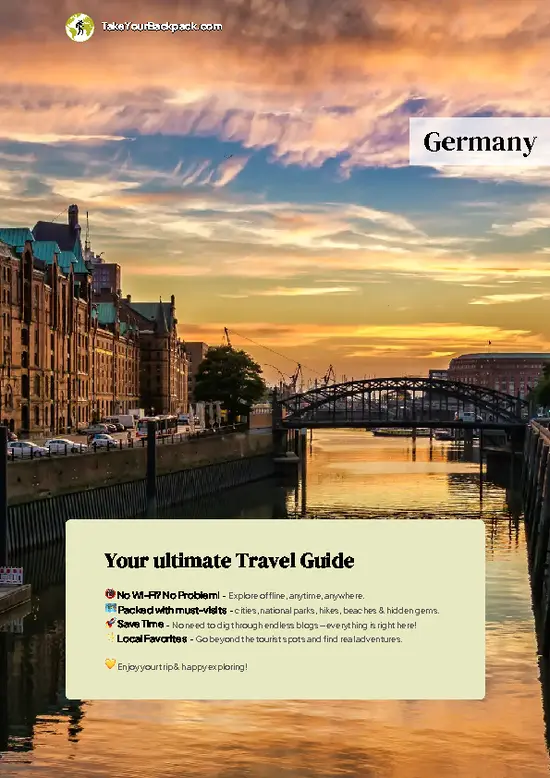
Germany🇩🇪 | citiesHamburgHarbor city, warehouse district, Reeperbahn | things to do and best time to go

Explore FrankfurtExplore Heidelberg

Backpacking in Hamburg
🏆 Top pickcity ranked #3
By Johan Kruseman 🇳🇱 | Updated September 4, 2026

Everyone talks about Hamburg’s port and the Beatles, but for a backpacker, the real game is how the city trades your time and money for a very specific kind of comfort: big-city infrastructure without big-city chaos. Up in northern Germany, not far from the North Sea and a few hours from Berlin, Hamburg feels like a maritime capital that accidentally became a chill urban playground. You get handsome brick warehouses in Speicherstadt, the Elbphilharmonie’s weird spaceship glow, lakes and parks that make hangover recovery almost graceful, and nightlife that runs from trashy Reeperbahn dives to polished cocktail bars. It’s safe, walkable, and public transport is idiot-proof, but it’s not cheap; think slightly less painful than Munich, a bit pricier and calmer than Berlin. Hostels are social without being party war zones, and the overall vibe is: “I have my life together, but I still stay out too late.”

Discover everything you want to know in the 📖 Germany Travel Guide.


Get your Germany guide
140 ranked highlights, routes & tips, works offline (514 pages)
Loading the map 🌍
CLICK TO FILTER
cities
towns
landmarks
national parks
hikes
beaches
attractions
festivals
regions
SHOW COUNTRY’S BESTSHOW ALL

✨ Why go?
Ranked #3 city in Germany
What sets this place apart

Hamburg is a backpacker’s playground that balances highlights with practicalities. It’s not just a stopover; it’s a basecamp for adventure. The city’s walkability makes it easy to explore on foot, allowing you to soak in the vibrant neighborhoods without breaking a sweat. You’ll find a range of hostels that cater to different budgets, often with a social vibe that makes meeting fellow travelers a breeze.

Food is a highlight here, from street vendors to cozy cafes, offering everything from local delicacies to international fare. This variety means you can eat well without draining your wallet. When the sun sets, the nightlife kicks in, with bars and clubs that cater to every taste, ensuring you can unwind after a day of exploration.

Hamburg also serves as a launchpad for day trips, making … read more 👉
Hamburg is a backpacker’s playground that balances highlights with practicalities. It’s not just a stopover; it’s a basecamp for adventure. The city’s walkability makes it easy to explore on foot, allowing you to soak in the vibrant neighborhoods without breaking a sweat. You’ll find a range of hostels that cater to different budgets, often with a social vibe that makes meeting fellow travelers a breeze.

Food is a highlight here, from street vendors to cozy cafes, offering everything from local delicacies to international fare. This variety means you can eat well without draining your wallet. When the sun sets, the nightlife kicks in, with bars and clubs that cater to every taste, ensuring you can unwind after a day of exploration.

Hamburg also serves as a launchpad for day trips, making it easy to venture beyond the city. With efficient transport links, you can hop on a train and be in the countryside or another city in no time. This blend of value, comfort, and convenience makes Hamburg a smart choice for any backpacker looking to enrich their journey.
Want to include Hamburg in your Germany route?
Create a personalized Germany itinerary that includes Hamburg and the places that fit your trip — based on your travel style, budget, and available time. Get your route in seconds.

Generate my trip

💡 HighlightsMust-see experiences and standout moments

  1. Elbphilharmonie Plaza — That glass wave on the HafenCity skyline. The public plaza (book a free ticket or queue up) gives unbeatable views of the Elbe, container terminals and the old port, and the building itself is a dazzling mix of old warehouse base and futuristic concert hall.
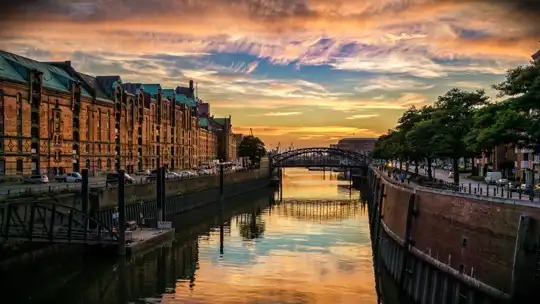
  2. Speicherstadt — The atmospheric red-brick warehouse district crisscrossed by canals, carpet and spice warehouses, and moody light perfect for photos. It’s UNESCO-listed and shows Hamburg’s Hanseatic trade history better than any brochure.
  3. Miniatur Wunderland — The world’s largest model railway and tiny-world dioramas that are absurdly detailed and entertaining for all ages. Go early or prebook tickets; it’s an immersive experience that reveals a lot about German engineering and obsessive craft culture.
  4. St.
read more 👉
  1. Elbphilharmonie Plaza — That glass wave on the HafenCity skyline. The public plaza (book a free ticket or queue up) gives unbeatable views of the Elbe, container terminals and the old port, and the building itself is a dazzling mix of old warehouse base and futuristic concert hall.
  2. Speicherstadt — The atmospheric red-brick warehouse district crisscrossed by canals, carpet and spice warehouses, and moody light perfect for photos. It’s UNESCO-listed and shows Hamburg’s Hanseatic trade history better than any brochure.
  3. Miniatur Wunderland — The world’s largest model railway and tiny-world dioramas that are absurdly detailed and entertaining for all ages. Go early or prebook tickets; it’s an immersive experience that reveals a lot about German engineering and obsessive craft culture.
  4. St. Michael’s Church (Der Michel) — Hamburg’s baroque landmark with a climbable tower (or elevator) offering panoramic city views, an interesting crypt, and a strong place in local identity — people still say “meet at the Michel.”
  5. Reeperbahn & St. Pauli — Not just nightlife and neon: a dense slice of Hamburg’s music history (Beatles warm-up gigs), alternative culture, street art and small theatres. Best experienced as a walk from dusk into late night if you want the full character.
  6. Planten un Blomen — Big inner-city green space with botanical displays, a calming Japanese garden, and summer water-light music shows on the lake. Perfect for a picnic, a run, or escaping the bustle without leaving central Hamburg.
  7. Jungfernstieg & Binnenalster — The Alster promenade is the social heart of the city: paddleboats, lakeside cafés, elegant arcades and good people-watching. Take a short Alster boat trip to see Hamburg from a pleasantly different angle.
  8. Övelgönne Beach & Museumshafen — A surprising sandy stretch on the Elbe where locals sunbathe, watch huge ships slip past, and visit a tiny museum harbor of historic vessels. It’s where the port feels intimate rather than industrial.
  9. Chilehaus & Kontorhausviertel — An unforgettable example of expressionist brick architecture and the historic commercial heart of Hamburg. The sharp angles of Chilehaus and the nearby Kontorhaus ensemble are UNESCO-listed and great for architecture fans and photographers.
  10. Ohlsdorf Cemetery — One of the world’s largest park cemeteries: it’s a huge, green, strangely peaceful place with sculptural memorials, historic graves, and tree-lined avenues — a window into Hamburg’s social history and a different kind of urban escape.
A few great day trips just outside Hamburg: the medieval Hanseatic city of Lübeck, the salt-town charms of Lüneburg, and the picturesque river port of Stade — all easily reachable by train for a day of history and smaller-town atmosphere.
Spotted a mistake or missing something? Contact us.

Things to do in Hamburg

Ratings based on Tripadvisor reviews. When you book through this link, you support our work at no extra cost to you.

🏘️ NeighborhoodsUnderstanding the local layout

Hamburg is a city that thrives on contrasts, making it a playground for backpackers. Each neighborhood offers a unique flavor, so let’s break down the essentials.

St. Pauli: This is the heart of Hamburg’s nightlife. Known for the Reeperbahn, it’s vibrant and edgy, perfect for those who want to party. Expect affordable hostels and a lively atmosphere. Walkability is high, but it can get noisy at night. Ideal for short stays where you want to soak up the nightlife.

Altona: A mix of hip cafes and historic charm, Altona is more laid-back. It’s great for longer stays, with plenty of parks and waterfront views. The vibe is relaxed, and you can easily walk to nearby attractions. Transport links are solid, making it easy to explore further afield.

HafenCity: This modern area is all about sleek … read more 👉
Hamburg is a city that thrives on contrasts, making it a playground for backpackers. Each neighborhood offers a unique flavor, so let’s break down the essentials.

St. Pauli: This is the heart of Hamburg’s nightlife. Known for the Reeperbahn, it’s vibrant and edgy, perfect for those who want to party. Expect affordable hostels and a lively atmosphere. Walkability is high, but it can get noisy at night. Ideal for short stays where you want to soak up the nightlife.

Altona: A mix of hip cafes and historic charm, Altona is more laid-back. It’s great for longer stays, with plenty of parks and waterfront views. The vibe is relaxed, and you can easily walk to nearby attractions. Transport links are solid, making it easy to explore further afield.

HafenCity: This modern area is all about sleek architecture and waterfront living. It’s pricier, but the views are worth it. Walkability is excellent, and you can enjoy a quieter atmosphere here. Perfect for those who appreciate a blend of culture and comfort, especially for a longer visit.

Winterhude: Known for its canals and green spaces, Winterhude offers a peaceful retreat. It’s walkable and family-friendly, with a mix of local eateries. While nightlife is subdued, it’s great for those who want a quieter experience. Ideal for longer stays where you can unwind.

Altstadt: The historic center is bustling with tourists, but it’s a must-see. Expect higher prices, but the proximity to major sights makes it worth it. Walkability is top-notch, and you can easily hop on public transport. Best for short stays focused on sightseeing.

⌛️ 1 dayHow to make the most of one day

Hamburg is a city that thrives on its maritime heritage, vibrant neighborhoods, and a unique blend of old and new. With its bustling port, eclectic architecture, and a thriving arts scene, it’s a place where every corner tells a story. You can easily fill a day here, diving into its character without feeling rushed.

Start your morning in the Speicherstadt, the historic warehouse district. Grab a coffee at a local café and wander through the red-brick buildings, where the scent of fresh pastries wafts through the air. Don’t miss the Miniatur Wunderland, a model railway exhibit that’s surprisingly captivating. It’s a quirky way to kick off your day, and you’ll leave with a smile.

As the afternoon rolls in, make your way to the St. Pauli district. This area pulses with energy and creativity. … read more 👉
Hamburg is a city that thrives on its maritime heritage, vibrant neighborhoods, and a unique blend of old and new. With its bustling port, eclectic architecture, and a thriving arts scene, it’s a place where every corner tells a story. You can easily fill a day here, diving into its character without feeling rushed.

Start your morning in the Speicherstadt, the historic warehouse district. Grab a coffee at a local café and wander through the red-brick buildings, where the scent of fresh pastries wafts through the air. Don’t miss the Miniatur Wunderland, a model railway exhibit that’s surprisingly captivating. It’s a quirky way to kick off your day, and you’ll leave with a smile.

As the afternoon rolls in, make your way to the St. Pauli district. This area pulses with energy and creativity. Stroll along the Reeperbahn, famous for its nightlife, but don’t overlook the quieter streets filled with street art and independent shops. For lunch, try a local fish sandwich at Brücke 10, a small spot that’s often overlooked by tourists. The fresh herring will give you a taste of Hamburg’s maritime roots.

In the evening, head to the Elbphilharmonie for stunning views of the harbor. Even if you don’t catch a concert, the building itself is a marvel. As the sun sets, the city lights up, and you can take a leisurely walk along the waterfront. For a unique experience, visit the nearby HafenCity, where modern architecture meets the old port.

Hamburg is a city that rewards those who take the time to explore its layers. By focusing on Speicherstadt and St. Pauli, you’ll experience the heart of the city without feeling overwhelmed. Each moment spent here is a chance to connect with its soul, making your day truly memorable.
Turn your Hamburg visit into an Germany adventure
Build a complete Germany route with Hamburg, hidden gems, must-see destinations, and realistic travel times included.

Generate my trip

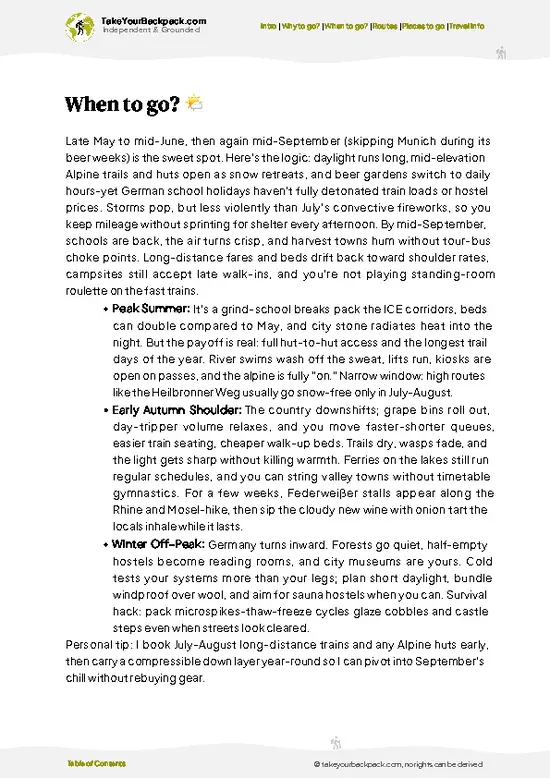
🌤️ When to go?Seasonal considerations and timing


  • Weather: Hamburg’s weather swings from chilly winters around 0°C (32°F) to mild summers peaking near 22°C (72°F). Spring and early autumn offer a sweet spot—cool but not cold, with less rain than winter.

  • Temperature: If you want to avoid sweating through your layers, aim for May to September when temperatures hover between 15-22°C (59-72°F). Winter months can dip below freezing, making outdoor exploration less inviting.

  • Daylight Hours: Long summer days stretch up to 17 hours of light, perfect for squeezing in extra sightseeing or late-night strolls along the Elbe. In contrast, December days shrink to about 7 hours, limiting outdoor time.

  • Crowds: Peak tourist season hits June through August, especially around the harbor festivals. If you prefer fewer people, shoulder seasons like April-May
read more 👉

  • Weather: Hamburg’s weather swings from chilly winters around 0°C (32°F) to mild summers peaking near 22°C (72°F). Spring and early autumn offer a sweet spot—cool but not cold, with less rain than winter.

  • Temperature: If you want to avoid sweating through your layers, aim for May to September when temperatures hover between 15-22°C (59-72°F). Winter months can dip below freezing, making outdoor exploration less inviting.

  • Daylight Hours: Long summer days stretch up to 17 hours of light, perfect for squeezing in extra sightseeing or late-night strolls along the Elbe. In contrast, December days shrink to about 7 hours, limiting outdoor time.

  • Crowds: Peak tourist season hits June through August, especially around the harbor festivals. If you prefer fewer people, shoulder seasons like April-May or September-October balance decent weather with thinner crowds.

  • Seasonal Activities: Summer brings open-air concerts, harbor tours, and street festivals. Winter offers cozy Christmas markets that transform the city but come with cold and crowds. Spring and fall have fewer events but more authentic local vibes.

  • Price Fluctuations: Accommodation and flights spike in summer and around Christmas. Booking in shoulder seasons can save you 20-40% without sacrificing much on experience or weather.


Pro-tip: Target late spring or early autumn for the smartest balance—good weather, manageable crowds, and wallet-friendly prices. You’ll feel like you’ve cracked Hamburg’s timing code.


source: climatestotravel.comJANJanuary: fair for travelingFEBFebruary: fair for travelingMARMarch: good for travelingAPRApril: highly recommended for travelingMAYMay: excellent for travelingJUNJune: highly recommended for travelingJULJuly: highly recommended for travelingAUGAugust: highly recommended for travelingSEPSeptember: excellent for travelingOCTOctober: highly recommended for travelingNOVNovember: good for travelingDECDecember: fair for traveling
germany-city-hamburg
© Google | Jassim Anwar

✈️ The backpacker research shortcutGermany Travel Guide

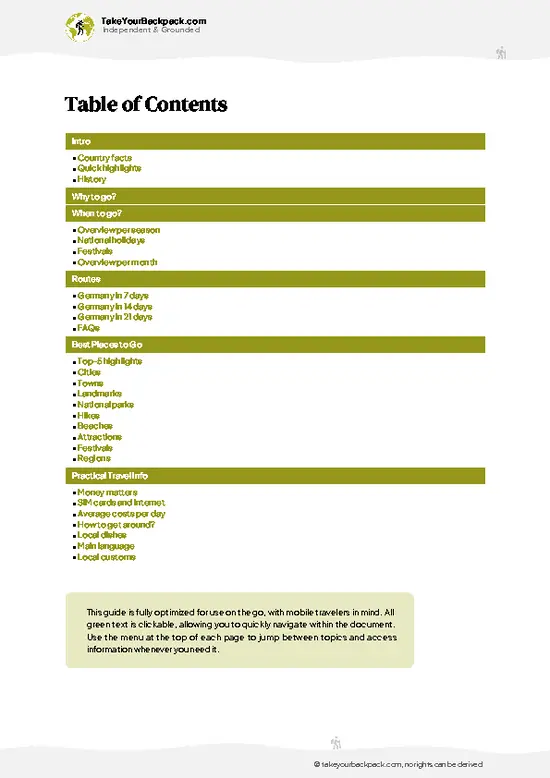
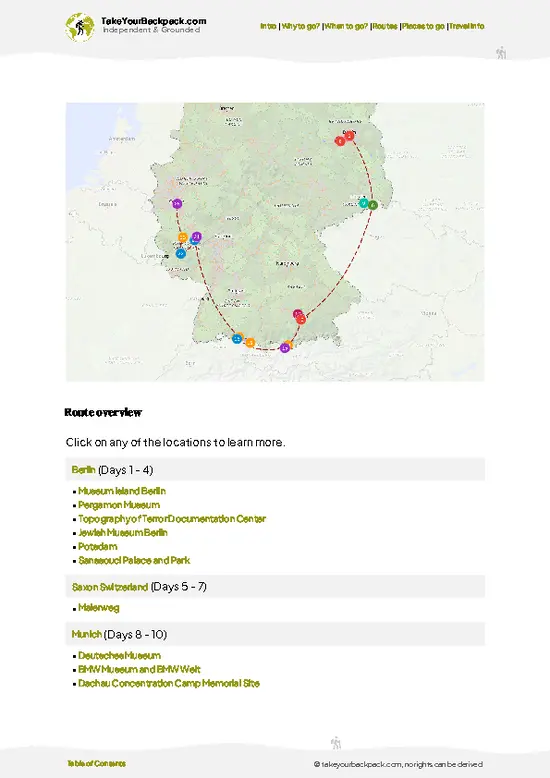
An offline-friendly backpacking guide with optimized travel routes, ranked highlights, transport advice, and the best areas to stay.
example page 0 from our offline Travel Guide for Germany
example page 1 from our offline Travel Guide for Germany
example page 2 from our offline Travel Guide for Germany
example page 3 from our offline Travel Guide for Germany
example page 4 from our offline Travel Guide for Germany
example page 5 from our offline Travel Guide for Germany
example page 6 from our offline Travel Guide for Germany
example page 7 from our offline Travel Guide for Germany
The digital guide (514 pages) contains:
140 highlights, ranked by travel appeal
Optimized 7, 14 & 21-day travel routes
Cities, national parks, landmarks, beaches
How to get around
Offline-friendly for travel without Wi-Fi
👉 Click to see all 30+ guide features

📅 Plan smarter in minutes, not weeks
Month by month travel advice
Festivals & national holidays
Budget expectations

🗺️ Go to the right places, skip the overrated ones
Honest pros & cons of destinations
Top hikes, parks & viewpoints
Lesser-known places most travelers miss
Clear “worth it vs skip it” guidance

🛏️ Travel smoothly without rookie mistakes
Best areas to stay
Transport systems explained simply
Common scams & safety advice
SIM cards, money & practical tips

🌍 Understand the country, not just visit it
Culture & traditions
52 Essential phrases & customs
Festivals worth planning around
Traveler-friendly historical context
Insights that make places more meaningful

📱 Built for real travel conditions
Fully downloadable PDF
Works completely offline
Optimized for phone use
Useful in remote areas & buses
Everything in one place
Save weeks of stressful planning
Get instant access to your full guide. 30‑day money-back guarantee.
+ Add another guide for just US$7.80

By proceeding you agree to our terms.
Sent to your inbox immediately after payment • 100% Secure Checkout
Best Backpacking Travel Advisor 2025 tourism awardBest Backpacking
Travel Advisor
2025
What others say about Take Your Backpack Guides:
⭐⭐⭐⭐⭐
Fantastic, amazing amount of information!
⭐⭐⭐⭐⭐
My goodness this is amazing, it's what I've been looking for hats off too you!
⭐⭐⭐⭐⭐
I think this is absolutely BRILLIANT
⭐⭐⭐⭐
Very complete and informative. It's still missing places, but I gotta to commend you
⭐⭐⭐⭐⭐
This is truly amazing, thank you, can't wait to explore it with my kids!
⭐⭐⭐⭐⭐
Awesome resource, thank you!
⭐⭐⭐⭐⭐
This is amazing! Can't wait to explore the ones I haven't seen
⭐⭐⭐⭐
I love this! Well done, great idea.
⭐⭐⭐⭐⭐
Thanks for taking the time to make this gem!
⭐⭐⭐⭐⭐
This might be the best website I've ever seen.
⭐⭐⭐⭐⭐
Congratulations, and thank you so much for your work; it's incredibly valuable.
⭐⭐⭐⭐
In all seriousness I think you did a great job pointing out the important spots
⭐⭐⭐⭐⭐
10/10 very good
⭐⭐⭐⭐⭐
As someone who's only just starting to visit regularly this is awesome, thank you.
⭐⭐⭐⭐
Thank you very much! I'm going to visit my dad, it's going to be very useful!
⭐⭐⭐⭐⭐
This is really cool! We'll be travelling for the first time and this definitely come in handy.
⭐⭐⭐⭐⭐
You are now our minister of culture, congratulations 👨‍💼
⭐⭐⭐⭐⭐
Just wanted to tell you that this is a pearl! Going to follow your recommendations.
⭐⭐⭐⭐⭐
This is so cool. I'll definitely be using the resource for my travels soon.
⭐⭐⭐⭐⭐
This is very impressive! Good work.
⭐⭐⭐⭐⭐
This is an amazing and informative site. Very well done!

🛏️ Where to stay?How to pick the right area

Hamburg’s backpacker sweet spot lies in the St. Pauli district. It’s the city’s beating heart for budget travelers—safe enough to roam after dark, yet lively enough to keep you engaged. St. Pauli’s streets pulse with a mix of gritty charm and youthful energy, thanks to its history as a port area and its reputation for nightlife. Hostels here are plentiful, offering everything from dorm beds to private rooms, making it easy to find a spot that fits your budget without sacrificing social opportunities. The vibe is casual and open, perfect for solo travelers looking to meet others or dive into Hamburg’s … read more 👉
Hamburg’s backpacker sweet spot lies in the St. Pauli district. It’s the city’s beating heart for budget travelers—safe enough to roam after dark, yet lively enough to keep you engaged. St. Pauli’s streets pulse with a mix of gritty charm and youthful energy, thanks to its history as a port area and its reputation for nightlife. Hostels here are plentiful, offering everything from dorm beds to private rooms, making it easy to find a spot that fits your budget without sacrificing social opportunities. The vibe is casual and open, perfect for solo travelers looking to meet others or dive into Hamburg’s alternative scene.

If St. Pauli feels a bit too rowdy, the nearby Sternschanze neighborhood offers a slightly calmer, artsier atmosphere. It’s still packed with affordable hostels and cafes, but with more green spaces and a café culture that invites lingering over coffee rather than pounding the bars. Sternschanze is a smart choice if you want to balance social life with some downtime.

Avoid the ultra-central Altstadt for budget stays—it’s pricier and more touristy, lacking the authentic, social backpacker vibe. Instead, think of Hamburg’s neighborhoods as a spectrum: St. Pauli for raw energy and connection, Sternschanze for a laid-back, creative buzz. Both deliver value by blending safety, social scenes, and wallet-friendly options, letting you choose your own adventure without compromise.

🚌 Getting aroundHow to get from A to B

Hamburg moves with a pulse that’s part clockwork, part improvisation. The city’s rhythm is anchored by punctual trains and trams that slice through neighborhoods with German precision, but once you step off, the flow loosens. Sidewalks hum with locals darting between cafés and markets, where spontaneity rules. This blend of strict schedules and casual street life means your transit choices aren’t just about getting from A to B—they’re about how much control you want over your time, money, and comfort. Mastering Hamburg’s transit is like playing a strategic game: do you sprint on the fastest train, stroll through the harbor, or save cash by hopping on a bus? Each move costs you something, but the payoff can be a richer experience.


  • U-Bahn (Subway): Runs roughly from 4:30 AM to 1:00 AM, with
read more 👉
Hamburg moves with a pulse that’s part clockwork, part improvisation. The city’s rhythm is anchored by punctual trains and trams that slice through neighborhoods with German precision, but once you step off, the flow loosens. Sidewalks hum with locals darting between cafés and markets, where spontaneity rules. This blend of strict schedules and casual street life means your transit choices aren’t just about getting from A to B—they’re about how much control you want over your time, money, and comfort. Mastering Hamburg’s transit is like playing a strategic game: do you sprint on the fastest train, stroll through the harbor, or save cash by hopping on a bus? Each move costs you something, but the payoff can be a richer experience.


  • U-Bahn (Subway): Runs roughly from 4:30 AM to 1:00 AM, with trains every 5-10 minutes during peak hours. Tickets cost about €3 for a single ride within the city center. It’s fast and reliable, slicing through the city underground, perfect when you want to maximize sightseeing time without breaking the bank. Comfort is standard—clean, efficient, but not luxurious.


  • S-Bahn (Suburban Train): Operating from 4:30 AM to 1:00 AM, with similar frequency to the U-Bahn, the S-Bahn covers longer distances, connecting the city center to outlying districts and the airport. A single ticket is around €3. It’s your best bet for speed and convenience if you’re venturing beyond central Hamburg, but expect a more utilitarian ride.


  • Bus: Buses run from early morning until midnight, with less frequency late at night. Tickets are the same price as trains, but buses can be slower due to traffic. They’re a budget-friendly option if you’re not in a rush and want to see neighborhoods above ground, though comfort varies widely depending on the route and time of day.


  • Ferry: Part of the public transit system, ferries run from early morning to late evening, with a single ticket costing about €3.50. They’re slower but offer a unique perspective of Hamburg’s harbor and waterways, blending transit with sightseeing. Comfort is casual—open decks in good weather, enclosed cabins when it’s cold.


  • Walking: Hamburg’s compact city center rewards those who choose to walk. It costs nothing but time and energy. Walking lets you absorb the city’s texture—cobbled streets, waterfront views, and unexpected corners missed by transit. It’s the ultimate comfort trade-off: zero cost, zero speed, but maximum immersion.

👛 Costs (as of 4 September 2026)Money, prices, and spending tips

Backpacking in Hamburg means balancing a few key costs that shape your daily experience. Here’s the breakdown so you can see exactly where your euros go and what you’re trading off.
  • Dorm Accommodation (High Season): Expect to pay around €25 to €35 per night in popular hostels during peak months (May to September). These spots fill fast, so prices reflect demand and central locations.
  • Dorm Accommodation (Off-Season): From October to April, prices drop to about €15 to €25 per night. You’ll find quieter hostels and sometimes better deals if you book ahead or stay midweek.
  • Meals: Budget about €10 to €15 per day if you stick to street food, bakeries, or casual eateries. Hamburg’s fish markets and local snack stands offer filling options without breaking the bank. Cooking your own meals can cut
read more 👉
Backpacking in Hamburg means balancing a few key costs that shape your daily experience. Here’s the breakdown so you can see exactly where your euros go and what you’re trading off.
  • Dorm Accommodation (High Season): Expect to pay around €25 to €35 per night in popular hostels during peak months (May to September). These spots fill fast, so prices reflect demand and central locations.
  • Dorm Accommodation (Off-Season): From October to April, prices drop to about €15 to €25 per night. You’ll find quieter hostels and sometimes better deals if you book ahead or stay midweek.
  • Meals: Budget about €10 to €15 per day if you stick to street food, bakeries, or casual eateries. Hamburg’s fish markets and local snack stands offer filling options without breaking the bank. Cooking your own meals can cut this further.
  • Local Transport: Single tickets for buses, trains, and ferries cost roughly €3.30 each. If you’re hopping around a few times a day, this adds up fast.
  • City Transport Pass: A day pass runs about €8.60, giving unlimited rides on public transport. This is a smart move if you plan to explore widely or make multiple trips.
  • Basic Activities/Entry Fees: Museums and attractions typically charge between €5 and €12. Some spots offer discounts for students or combined tickets that stretch your euro further.
  • Miscellaneous Expenses: Factor in around €5 to €10 for things like bottled water, occasional coffee, or small souvenirs. These little extras add flavor but can quietly inflate your daily spend.

All told, you’re looking at a daily budget roughly between €50 and €75 for a no-frills, independent backpacking experience in Hamburg. Push for off-season stays and cook some meals yourself, and you can nudge that closer to the lower end. The key trade-off here is between comfort and flexibility: splurge a bit on a central hostel and transport pass, and you save time and hassle, but if you’re tight on cash, expect to walk more and hunt for deals. Knowing these numbers upfront means you’re not caught off guard—you’re playing the game with your eyes wide open.


source: numbeo.com
⚠️ Prices can change and everyone travels differently, so take this as a rough guide. Hope it helps you plan your adventure!

🚌 Day tripsShort trips worth adding

Hamburg is a fantastic launchpad for day trips that blend culture, history, and nature. You can easily explore diverse landscapes and experiences without breaking the bank. Here are some standout options.

Lübeck
Just an hour away by train, Lübeck is a UNESCO World Heritage site known for its medieval architecture and marzipan. Stroll through the charming old town, where the Holstentor gate stands as a testament to its Hanseatic past. Grab a coffee and a slice of marzipan cake at Café Niederegger, a local institution. The round-trip fare is around €20, making it a budget-friendly choice. Aim for spring or early fall when the weather is pleasant, and the crowds are manageable. First-timers often miss the small alleys that lead to hidden courtyards—take your time to wander.
👉 Explore Lübeck
read more 👉
Hamburg is a fantastic launchpad for day trips that blend culture, history, and nature. You can easily explore diverse landscapes and experiences without breaking the bank. Here are some standout options.

Lübeck
Just an hour away by train, Lübeck is a UNESCO World Heritage site known for its medieval architecture and marzipan. Stroll through the charming old town, where the Holstentor gate stands as a testament to its Hanseatic past. Grab a coffee and a slice of marzipan cake at Café Niederegger, a local institution. The round-trip fare is around €20, making it a budget-friendly choice. Aim for spring or early fall when the weather is pleasant, and the crowds are manageable. First-timers often miss the small alleys that lead to hidden courtyards—take your time to wander.
👉 Explore Lübeck

Bremen
A quick 1.5-hour train ride will land you in Bremen, a city steeped in fairy-tale charm. The UNESCO-listed Town Hall and the Roland statue are must-sees, but don’t overlook the Schnoor quarter, a labyrinth of narrow streets filled with quirky shops and cafes. Expect to spend about €25 for a round trip. Late spring is ideal, as the city hosts various outdoor festivals. A common mistake is sticking too closely to the main sights; venture off the beaten path for the best local experiences.
👉 Explore Bremen

Cuxhaven
For a taste of the North Sea, head to Cuxhaven, about 2 hours from Hamburg. This coastal town offers stunning beaches and the chance to walk on the Wadden Sea during low tide. Pack a picnic and enjoy the fresh sea air. The round-trip train fare is around €30. Summer is peak season, but spring and early fall offer a quieter experience. Many first-timers forget to check the tide schedule, which can affect your beach plans.


Lüneburg
Just 30 minutes away, Lüneburg is a picturesque town with a rich salt mining history. The historic market square and the stunning St. Nicholas Church are highlights. You can easily spend a day wandering its cobblestone streets and enjoying local cuisine. Expect to spend about €15 for the round trip. Spring and summer are the best times to visit, as the town comes alive with outdoor markets. A common pitfall is underestimating how much time you’ll want to spend exploring the local shops and cafes.
👉 Explore Lüneburg

Schwerin
Schwerin, about 1.5 hours from Hamburg, is home to a fairy-tale castle surrounded by beautiful lakes. The castle gardens are perfect for a leisurely stroll, and the interior is worth a tour. A round-trip ticket will cost around €25. Late spring or early summer is ideal for enjoying the gardens in full bloom. First-timers often rush through the castle; take your time to soak in the history and views.
👉 Explore Schwerin
Want to know what more Germany offers?
The Germany Travel Guide describes 140 highlights, from cities to national parks, from beaches to hikes

Get the Travel Guide -

🍲 FoodWhat to Eat & Drink

In Hamburg, food and drink are more than just sustenance; they’re a gateway into the city’s soul. Start with the signature dish: Frikadelle, a savory meatball often served with a dollop of mustard. You’ll find these at local markets or street vendors, where the aroma of grilled meats fills the air. Pair it with a Brötchen, a crusty roll that’s a staple here.

Don’t miss the Fischbrötchen, a fish sandwich that’s a must-try. Freshly caught herring or mackerel, piled high with onions and pickles, is a perfect snack while strolling along the harbor. The Elbphilharmonie area buzzes with casual eateries where you can grab a bite and soak in the waterfront vibe.

When it comes to drinks, local beers are a point of pride. Try a Astra or a Holsten, both brewed in the region. The drinking culture is … read more 👉
In Hamburg, food and drink are more than just sustenance; they’re a gateway into the city’s soul. Start with the signature dish: Frikadelle, a savory meatball often served with a dollop of mustard. You’ll find these at local markets or street vendors, where the aroma of grilled meats fills the air. Pair it with a Brötchen, a crusty roll that’s a staple here.

Don’t miss the Fischbrötchen, a fish sandwich that’s a must-try. Freshly caught herring or mackerel, piled high with onions and pickles, is a perfect snack while strolling along the harbor. The Elbphilharmonie area buzzes with casual eateries where you can grab a bite and soak in the waterfront vibe.

When it comes to drinks, local beers are a point of pride. Try a Astra or a Holsten, both brewed in the region. The drinking culture is laid-back; locals often enjoy their beers in biergartens or at cozy pubs, where sharing a table is common.

Etiquette is simple: don’t rush. Meals are meant to be savored, and toasting with a hearty “Prost!” is essential. Embrace the communal spirit, and you’ll feel right at home.

🛡️ SafetyStaying Safe: What Travelers Should Know

Hamburg is generally safe, but like any city, it has its quirks. Areas like St. Pauli and the Reeperbahn can be lively, especially at night. While the atmosphere is electric, keep your wits about you. Stick to well-lit streets and avoid wandering into alleys alone after dark.

Solo travelers should feel comfortable, but trust your instincts. If something feels off, it probably is.

Scams are rare, but watch for the classic distraction tactics—someone might ask for directions while an accomplice swipes your bag. Keep your belongings close, especially in crowded spots like the Hauptbahnhof.

Annoyances? Expect the occasional street performer who might get a bit too persistent. A polite “no, thank you” usually does the trick. Overall, stay aware, be friendly, and you’ll navigate Hamburg like a pro.

FAQCommon questions from travelers

3 to 4 days are sufficient to explore Hamburg's main attractions, including the Speicherstadt warehouse district, Elbphilharmonie concert hall, and St. Michael's Church. This allows time for a harbor boat tour and visiting museums like Miniatur Wunderland.
Yes, Hamburg is generally safe for solo backpackers, especially in well-populated areas like St. Pauli and the city center. Standard precautions apply, such as avoiding poorly lit areas at night and keeping an eye on belongings in crowded places.
Hamburg is known for its major port, one of Europe's largest, and its vibrant music scene, including the Beatles' early performances in the Reeperbahn district. It is also famous for its historic Speicherstadt, the largest warehouse district built on timber-pile foundations.
⚠️ Things can change over time, so always validate details locally before you go.

Other German cities near Hamburg

Explore more nearby:

  • Lübeck—Brick Gothic, marzipan shops, old city gates| 58 km away
  • Bremen—Market square, Hanseatic warehouses, river embankment| 94 km away
  • Potsdam—Palace parks, film studios, Prussian legacy| 243 km away

💡 Not sure where to go next?
Create a personalized itinerary for Germany including Hamburg and the places that fit your trip.

Generate my itinerary

👉 Discover all cities

Or checkout all Germany has to offer (think cities, towns, villages, national parks, hikes, beaches, festivals)
Country photo of Germany

We 💚 feedbackWhat to keep in mind

Hamburg’s harbor is a living, breathing testament to its maritime history. Strolling along the Elbphilharmonie, you can feel the city’s pulse—it’s vibrant and raw. But be ready for the weather; it can swing from sunny to drizzly in minutes. Pack layers and embrace the unpredictability. The charm of Hamburg lies in its contrasts, and navigating them is part of the adventure. Just don’t forget your umbrella!

✈️ When did I visit Germany?
Being a neighbouring country of my home base, I visited Germany many times.

✍️ Help improve this page!
The information on this page is based on my own backpacking experience in Germany, supplemented with up-to-date research and feedback from other travelers. Travel details can change, so if you notice anything outdated or incomplete, feel free to let me know.


🙋‍♂️ Give feedback

👋 Meet the founderWho’s Behind Take Your Backpack?

Johan, backpacker and founder of TakeYourBackpackHi, I’m Johan (Netherlands 🇳🇱), the creator of TakeYourBackpack. Over the past decade, I’ve backpacked through 80+ countries across six continents, gaining extensive experience with independent travel, long-term trips, and overland routes.

This site is built on a combination of firsthand travel experience and carefully curated insights from other backpackers. Many guides are based on places I’ve personally visited, while others bring together tips, observations, and practical advice shared by trusted travelers I’ve met along the way.

The goal is to provide realistic, experience-driven guidance — not generic itineraries — so you can explore destinations with better context, clearer expectations, and more confidence.

Get full Germany guide •
Instant download • 140 highlights • Full Offline guide